Question 1:
For protection, motorcyclists are required to:
A
keep their headlights and taillights on at all times.
B
signal turns, lane changes and stops.
C
wear approved helmets.
The correct driving rule is: wear approved helmets. Following standard DMV road rules and practicing defensive driving ensures safety for all road users.
Question 2:
Blue color traffic signs provide information on:
A
motorist services.
B
distance or direction.
C
construction and maintenance.
The correct driving rule is: motorist services. Following standard DMV road rules and practicing defensive driving ensures safety for all road users.
Question 3:
To drive defensively, you must:
A
anticipate errors by other drivers.
B
assume that a driver who approaches a STOP sign on a side road is actually going to stop.
C
not check behind you through your mirrors.
The correct driving rule is: anticipate errors by other drivers. Following standard DMV road rules and practicing defensive driving ensures safety for all road users.
Question 4:
When driving in fog, drivers should use high beam headlights.
A
True
B
False
For safe speed and stopping control: False. Adjusting speed to match visibility and road traction prevents loss of steering grip.
Question 5:
 This road sign means:
A
Trucks ahead
B
Downgrade
C
Construction zone
This traffic sign indicates: Downgrade. Observing and obeying all roadway signs ensures safe traffic flow and legal driving.
Question 6:
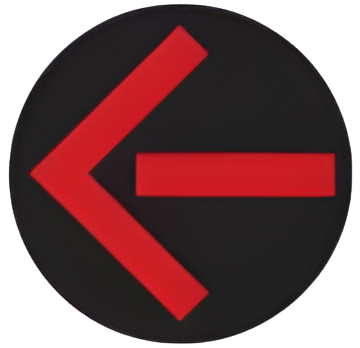 When turning left at an intersection with this sign:
A
come to a full stop and remain stopped while the arrow is red.
B
you may proceed, as long as you yield to other vehicles.
C
come to a full stop, then continue when safe to do so.
This traffic sign indicates: come to a full stop and remain stopped while the arrow is red. Observing and obeying all roadway signs ensures safe traffic flow and legal driving.
Question 7:
If a driver follows you too closely, you should:
A
move to another lane if possible.
B
activate your stop lights.
C
brake suddenly.
The correct driving rule is: move to another lane if possible. Following standard DMV road rules and practicing defensive driving ensures safety for all road users.
Question 8:
Who is most at risk?
A
Drivers who are fatigued.
B
Drivers who are driving on long, boring roads.
C
All of the above.
All of the listed points are essential driving requirements: Drivers who are fatigued; Drivers who are driving on long, boring roads. Practicing each ensures compliance with DMV safety laws.
Question 9:
Unless otherwise posted, the speed limit in a residential district is:
A
35 MPH
B
20 MPH
C
30 MPH
D
25 MPH
For safe speed and stopping control: 25 MPH. Adjusting speed to match visibility and road traction prevents loss of steering grip.
Question 10:
 The octagonal shape is used:
A
for stop signs and railroad advance warning signs.
B
exclusively for stop signs.
C
to warn drivers of existing or possible hazards on roadways.
An octagonal Stop sign requires a full and complete stop before the stop line or crosswalk: exclusively for stop signs. Proceed only after yielding to all cross traffic and pedestrians.
Question 11:
 A flashing red light:
A
is used at dangerous intersections.
B
means the same thing as a stop sign.
C
All of the above.
Safe navigation at intersections requires following all established rules: is used at dangerous intersections; means the same thing as a stop sign. Always yield right-of-way properly to prevent collisions.
Question 12:
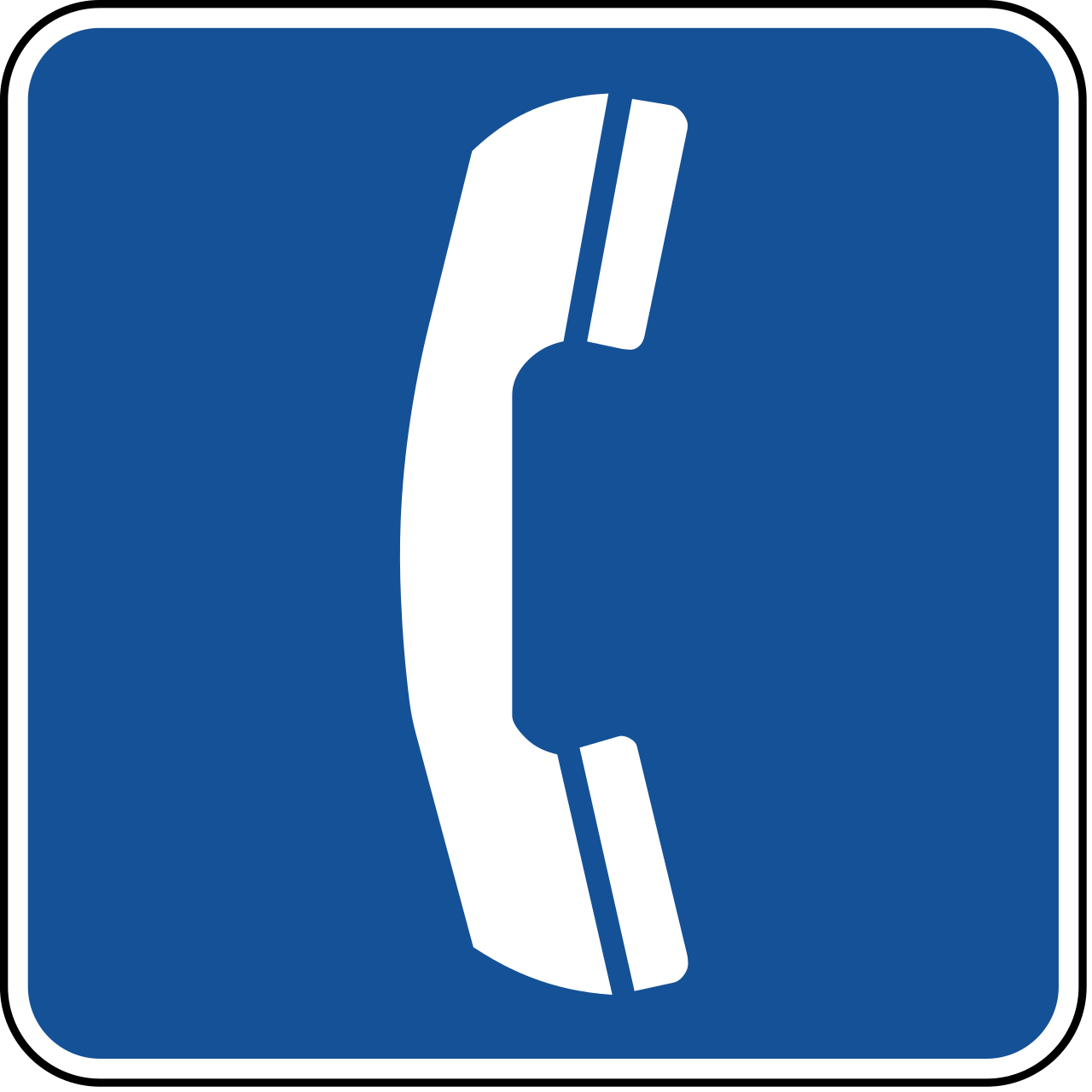 This sign indicates:
A
Phone service ahead
B
Emergency line available
C
Cell phone shop ahead
This traffic sign indicates: Phone service ahead. Observing and obeying all roadway signs ensures safe traffic flow and legal driving.
Question 13:
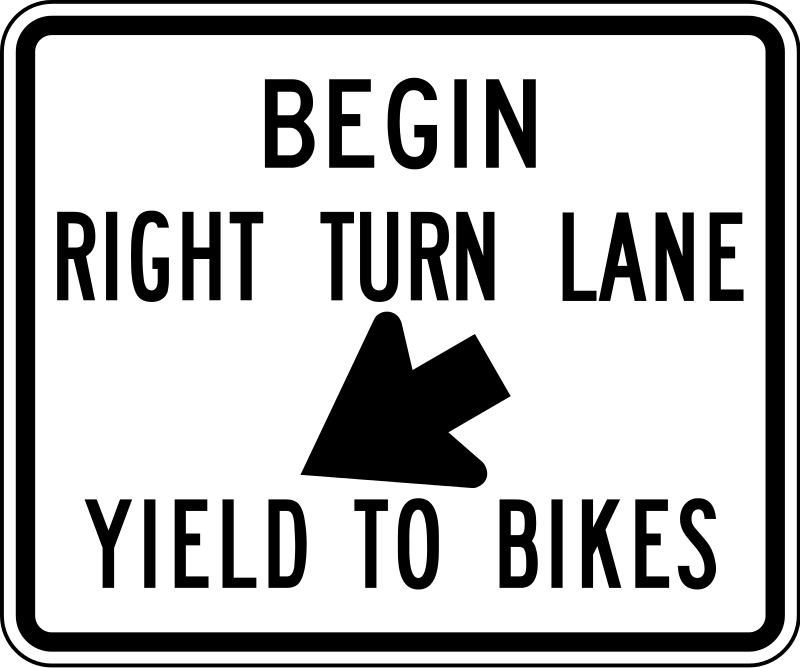 What does this road sign indicate?
A
Drivers have the right of way over bikes turning left.
B
Vehicles turning left must yield to bikes entering a right turn lane.
C
Motor vehicles entering an exclusive right-turn lane must weave across bicycle traffic in bicycle lanes.
This traffic sign indicates: Motor vehicles entering an exclusive right-turn lane must weave across bicycle traffic in bicycle lanes. Observing and obeying all roadway signs ensures safe traffic flow and legal driving.
Question 14:
What is the purpose of minimum speed limits?
A
To keep a smooth traffic flow.
B
To halt the traffic flow.
C
To allow emergency vehicles with red flashing lights to safely pass other vehicles.
For safe speed and stopping control: To keep a smooth traffic flow. Adjusting speed to match visibility and road traction prevents loss of steering grip.
Question 15:
You may drive faster than the posted speed limit:
A
when passing another vehicle, as long as it is safe to do so.
B
when your lane is empty.
C
Under no circumstances.
For safe speed and stopping control: Under no circumstances. Adjusting speed to match visibility and road traction prevents loss of steering grip.
Question 16:
Collisions can happen more often when one vehicle is traveling faster or slower than the flow of traffic.
A
False
B
True
The correct driving rule is: True. Following standard DMV road rules and practicing defensive driving ensures safety for all road users.
Question 17:
If a pedestrian is illegal crossing in the middle of the street (not at a crosswalk) you:
A
do not have to stop for them.
B
should increase your speed, honk your horn and proceed.
C
must stop for them.
Drivers must always yield the right-of-way to pedestrians crossing at intersections and crosswalks: must stop for them. Stop and allow them to clear the lane safely.
Question 18:
When an aggressive driver confronts you, you should:
A
Try to move away safely.
B
Remain calm and relaxed.
C
All of the above.
All of the listed points are essential driving requirements: Try to move away safely; Remain calm and relaxed. Practicing each ensures compliance with DMV safety laws.
Question 19:
Following another vehicle too closely is known as:
A
speedgating.
B
closetailing.
C
tailgating.
The correct driving rule is: tailgating. Following standard DMV road rules and practicing defensive driving ensures safety for all road users.
Question 20:
Drivers should keep a ___ second safe following distance to have time to react to emergencies and avoid collisions.
A
six
B
five
C
ten
D
three
The 3-second following distance rule provides a safe reaction cushion under ideal conditions: three. Increase distance in bad weather or behind large vehicles.
Question 21:
If you missed your exit on a freeway, you should:
A
use the right turn signal, check your mirrors and move to the right.
B
None of the above.
C
go to the next exit and come back to the exit you missed.
D
make a quick U-turn from your lane of travel.
Defensive driving guidelines state that: go to the next exit and come back to the exit you missed. Anticipating road hazards and communicating maneuvers keeps traffic predictable and safe.
Question 22:
ABS is the acronym for:
A
Anti-Braking System
B
Average-Beam System
C
Anti-Locking Brake System
The correct driving rule is: Anti-Locking Brake System. Following standard DMV road rules and practicing defensive driving ensures safety for all road users.
Question 23:
Under the Nebraska Point System, accumulating ___ points in a two year time period causes automatic revocation of the operator’s license.
A
9
B
6
C
12
The correct driving rule is: 12. Following standard DMV road rules and practicing defensive driving ensures safety for all road users.
Question 24:
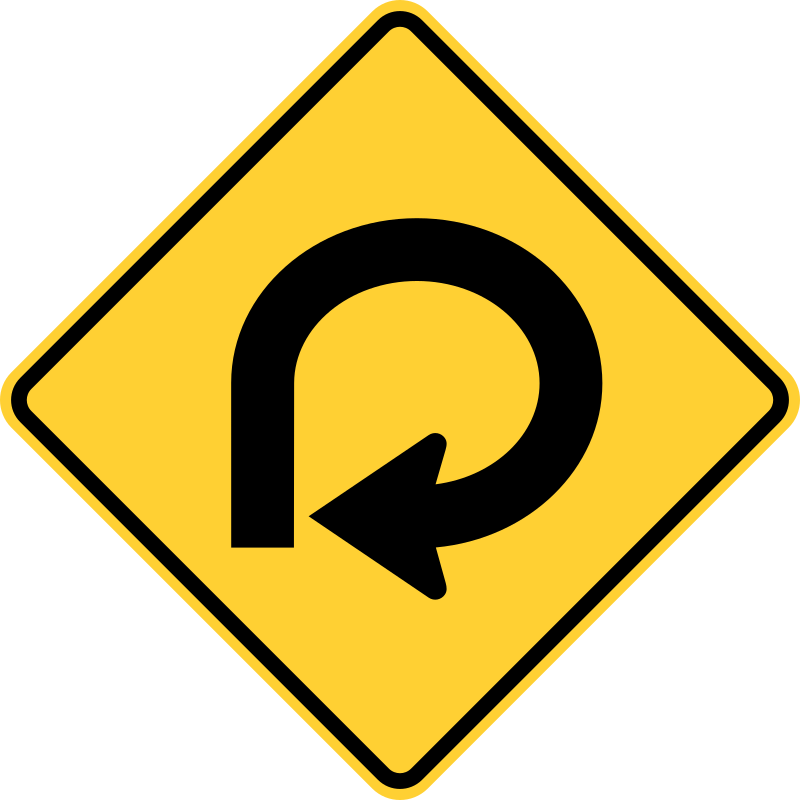 This sign means:
A
Roundabout ahead.
B
270 degree turn ahead.
C
Wrong way; Turn around immediately.
This traffic sign indicates: 270 degree turn ahead. Observing and obeying all roadway signs ensures safe traffic flow and legal driving.
Question 25:
Although there may be enough room in the traffic lane for an automobile and a motorcyclist, a vehicle driver should not share the lane with motorcyclists.
A
False
B
True
The correct driving rule is: True. Following standard DMV road rules and practicing defensive driving ensures safety for all road users.