Pregunta 1:
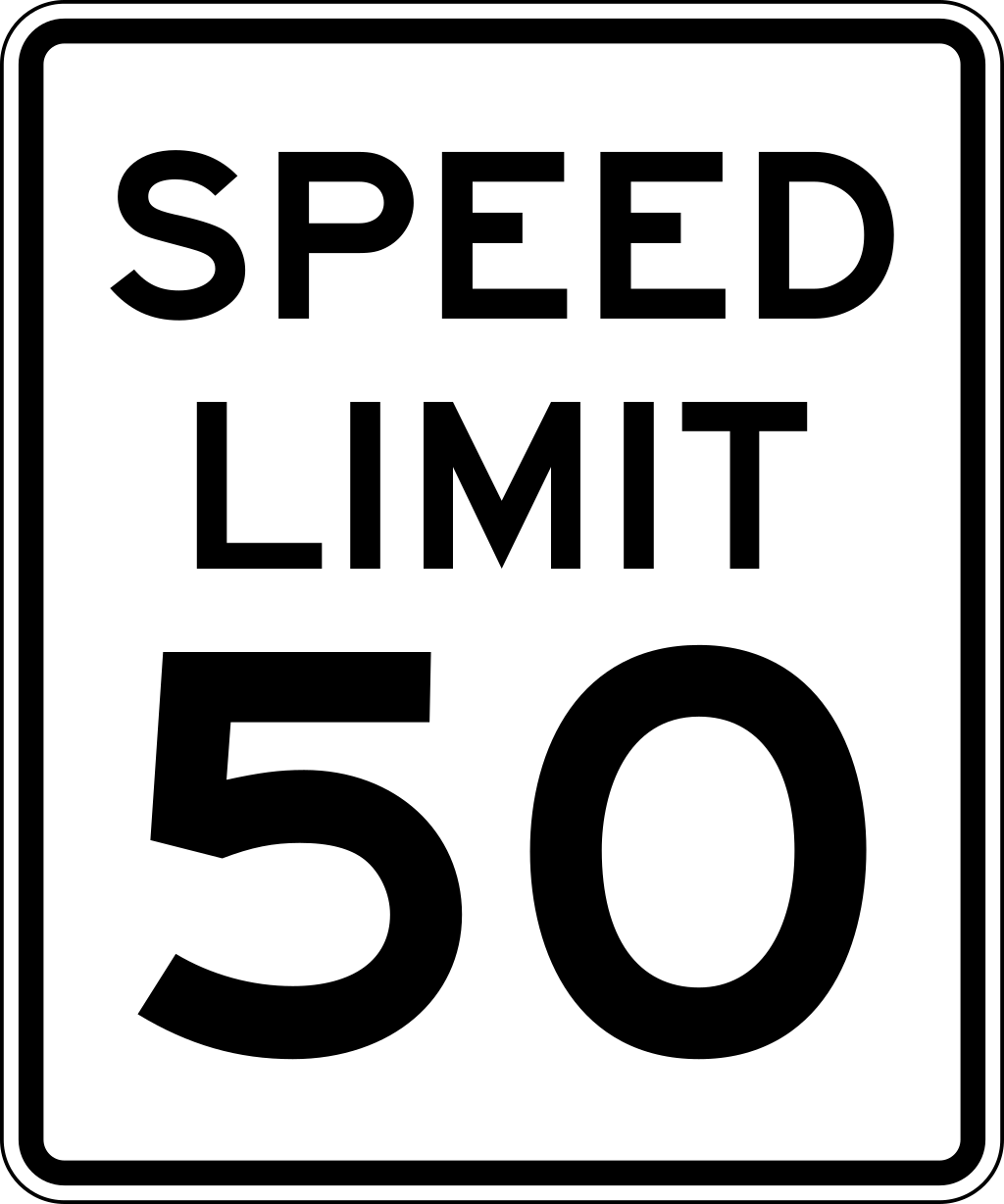 Esta señal indica que los vehículos _______________ pueden viajar con seguridad en esta área.
A
velocidad sugerida
B
velocidad máxima
C
velocidad mínima
Esta señal de tráfico indica: velocidad máxima. Observar y obedecer todas las señales en la carretera garantiza un flujo de tráfico seguro y una conducción legal.
Pregunta 2:
Las líneas continuas dobles en la calzada significan:
A
No puede pasar.
B
No se pueden cruzar las líneas excepto girar a la izquierda para entrar o salir de la autopista.
C
Todo lo anterior.
Todos los puntos enumerados son requisitos de conducción esenciales: no se puede adelantar; No se pueden cruzar las líneas excepto girar a la izquierda para entrar o salir de la autopista. Practicar cada uno garantiza el cumplimiento de las leyes de seguridad del DMV.
Pregunta 3:
Las luces _____________ indican que los conductores deben reducir la velocidad y proceder con precaución en una intersección.
A
Rojo
B
Amarillo intermitente
C
Rojo intermitente
D
Amarillo
Según normativa estándar de servidumbre de vía: Amarillo intermitente. Ceder el paso adecuadamente previene colisiones en las intersecciones y mantiene un flujo de tráfico seguro.
Pregunta 4:
 Esta señal de tráfico advierte a los conductores que:
A
la superficie del camino más adelante cambia a una superficie de tipo bajo o camino de tierra.
B
Los vehículos deben abandonar la acera inmediatamente.
C
la tierra al costado del camino es blanda.
Esta señal de tránsito indica: la superficie del camino más adelante cambia a un camino de superficie baja o de tierra. Observar y obedecer todas las señales en la carretera garantiza un flujo de tráfico seguro y una conducción legal.
Pregunta 5:
Al girar, los conductores deben _____ su velocidad.
A
reducir
B
mantener
C
aumentar
D
doble
Para controlar la velocidad y la parada con seguridad: reduzca. Ajustar la velocidad para que coincida con la visibilidad y la tracción en la carretera evita la pérdida de agarre de la dirección.
Pregunta 6:
__________________ le da el derecho de paso para girar a la izquierda.
A
Una flecha verde que apunta hacia la izquierda
B
Una luz roja intermitente
C
Una luz amarilla intermitente
D
Una luz verde fija
Al girar a la izquierda cruzando carriles de tráfico: una flecha verde que apunta a la izquierda. Debe ceder el paso a todos los vehículos que se aproximan y a los peatones que cruzan antes de completar el giro.
Pregunta 7:
__________ son azules con letras y símbolos blancos.
A
Señales de advertencia
B
Señales de servicio
C
Señales de destino (señales guía)
La regla de conducción correcta es: Señales de servicio. Seguir las reglas de tránsito estándar del DMV y practicar la conducción defensiva garantiza la seguridad de todos los usuarios de la vía.
Pregunta 8:
 Esta señal de tráfico significa:
A
Conduce con precaución y prepárate para parar.
B
Reducir la velocidad o detenerse
C
Debes detenerte por completo.
Una señal de Alto octogonal requiere una parada total y completa antes de la línea de parada o del paso de peatones: debe detenerse por completo. Continúe sólo después de ceder el paso a todo el tráfico cruzado y a los peatones.
Pregunta 9:
Los conductores siempre deben señalar cuando:
A
incorporarse al tráfico desde un área de estacionamiento o callejón.
B
cambiando de carril.
C
salir de una plaza de aparcamiento.
D
Todo lo anterior.
Las mejores prácticas de conducción defensiva incluyen: incorporarse al tráfico desde un área de estacionamiento o callejón; cambiar de carril; salir de una plaza de aparcamiento. Mantenerse alerta y mantener el espacio evita peligros inesperados.
Pregunta 10:
Está detenido detrás de otros vehículos que esperan en una señal de alto. Cuando la intersección está despejada:
A
podrá seguir al vehículo que le precede sin volver a detenerse.
B
Puede avanzar con precaución a través de la intersección sin detenerse si no hay más tráfico.
C
debes detenerte nuevamente en la señal de alto.
D
debe continuar por la intersección sin detenerse nuevamente.
Según las normas estándar de derecho de paso: debe detenerse nuevamente en la señal de alto. Ceder el paso adecuadamente previene colisiones en las intersecciones y mantiene un flujo de tráfico seguro.
Pregunta 11:
Los conductores deben utilizar la bocina:
A
si un conductor se mueve lentamente y desea que conduzca más rápido.
B
sólo cuando sea necesario, para evitar colisiones.
C
cuando se siente enojado o molesto.
D
para alertar a otros conductores que cometieron un error.
La regla de conducción correcta es: sólo cuando sea necesario, para evitar colisiones. Seguir las reglas de tránsito estándar del DMV y practicar la conducción defensiva garantiza la seguridad de todos los usuarios de la vía.
Pregunta 12:
Las carreteras son muy resbaladizas:
A
justo antes de que llueva.
B
cuando deja de llover.
C
cuando empieza a llover por primera vez.
Para controlar la velocidad y la frenada con seguridad: cuando empieza a llover por primera vez. Ajustar la velocidad para que coincida con la visibilidad y la tracción en la carretera evita la pérdida de agarre de la dirección.
Pregunta 13:
 Esta es la forma y el color de un signo ________.
A
rendimiento
B
detener
C
no entrar
La regla de conducción correcta es: ceder el paso. Seguir las reglas de tránsito estándar del DMV y practicar la conducción defensiva garantiza la seguridad de todos los usuarios de la vía.
Pregunta 14:
En las siguientes situaciones, los conductores deben aumentar su siguiente intervalo:
A
Al seguir vehículos que deben detenerse en cruces de ferrocarril.
B
Cuando es difícil ver hacia adelante debido al mal tiempo.
C
Todo lo anterior.
Todos los puntos enumerados son requisitos de conducción esenciales: cuando siguen vehículos que deben detenerse en los cruces de ferrocarril; Cuando es difícil ver hacia adelante debido al mal tiempo. Practicar cada uno garantiza el cumplimiento de las leyes de seguridad del DMV.
Pregunta 15:
Si un conductor agresivo le corta el paso, debería:
A
toca la bocina.
B
mire hacia el lado izquierdo del camino.
C
Mantenga la calma y apártese del camino del conductor agresivo.
D
Llame a la policía inmediatamente.
La regla de conducción correcta es: mantener la calma y apartarse del camino del conductor agresivo. Seguir las reglas de tránsito estándar del DMV y practicar la conducción defensiva garantiza la seguridad de todos los usuarios de la vía.
Pregunta 16:
Debes detenerte al borde de la carretera y permitir el paso de un vehículo de emergencia:
A
sólo si el vehículo de emergencia lo está siguiendo.
B
independientemente de tu dirección.
C
sólo si se acerca el vehículo de emergencia.
D
Ninguno de los anteriores.
Al compartir la vía con otros vehículos: independientemente de tu dirección. Dar a los vehículos grandes y a los usuarios vulnerables el espacio libre adecuado evita accidentes peligrosos.
Pregunta 17:
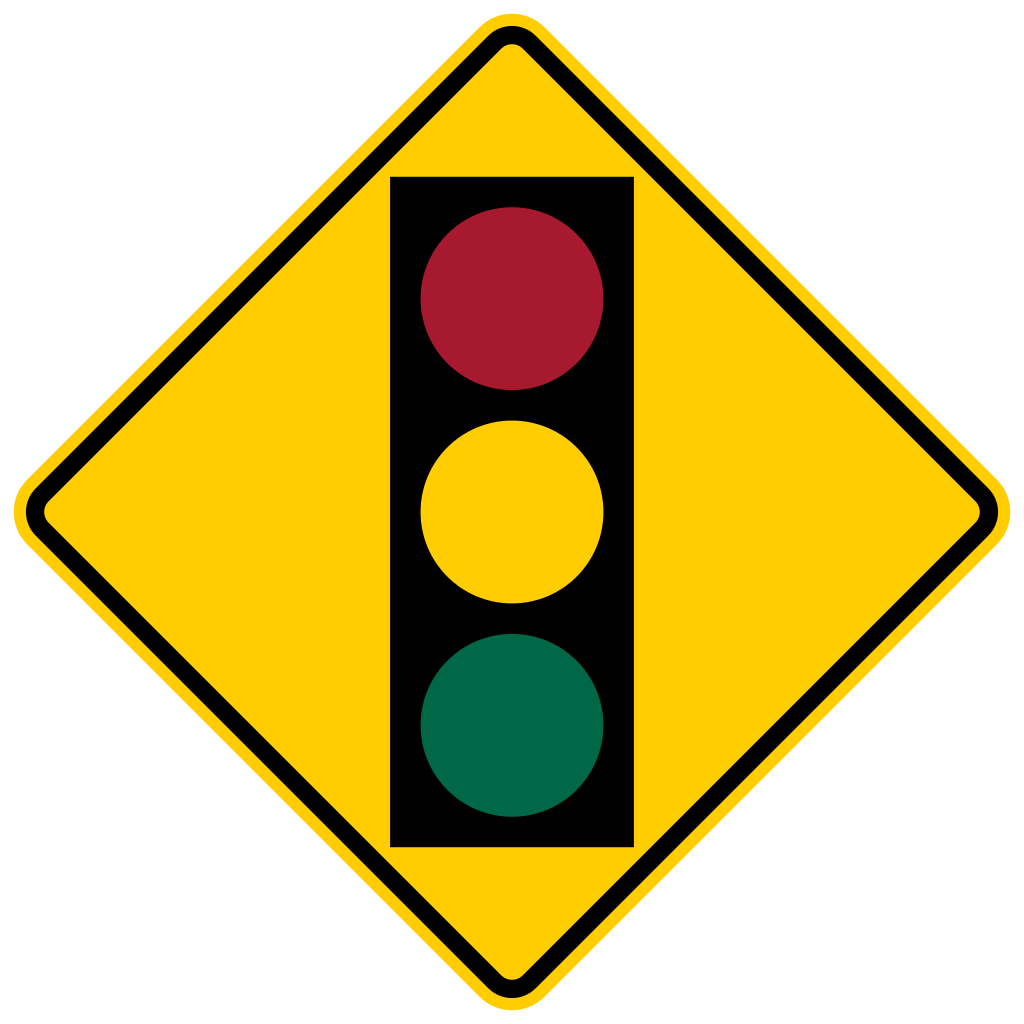 Este signo significa:
A
Debes ceder el paso más adelante
B
Señales de tráfico más adelante
C
Debes parar adelante
D
No se permite exceso de velocidad
Esta señal de tráfico indica: señales de tráfico más adelante. Observar y obedecer todas las señales en la carretera garantiza un flujo de tráfico seguro y una conducción legal.
Pregunta 18:
Cuando vea un vehículo de emergencia con luces intermitentes, deberá:
A
mantén tu velocidad.
B
Continúe avanzando lentamente, manteniéndose en el lado derecho de la carretera.
C
conduzca hacia el lado derecho de la carretera y deténgase.
D
manténgase en su carril, reduzca la velocidad y déjelo pasar.
Cuando comparta la vía con otros vehículos: conduzca hacia el lado derecho de la vía y deténgase. Dar a los vehículos grandes y a los usuarios vulnerables el espacio libre adecuado evita accidentes peligrosos.
Pregunta 19:
 ¿Qué indica la señal parpadeante en la imagen?
A
Lo mismo que una señal de alto.
B
Los peatones deben terminar de cruzar la calle si comenzaron.
C
Los peatones deberían empezar a cruzar la calle.
Las leyes estatales exigen señalar su intención: los peatones deben terminar de cruzar la calle si comenzaron. Señale al menos 100 pies antes de girar o cambiar de carril.
Pregunta 20:
Camiones grandes:
A
tener grandes puntos ciegos.
B
pueden detenerse más rápido que los vehículos de pasajeros.
C
No hace falta más margen de maniobra.
D
Todo lo anterior.
La regla de conducción correcta es: tener grandes puntos ciegos. Seguir las reglas de tránsito estándar del DMV y practicar la conducción defensiva garantiza la seguridad de todos los usuarios de la vía.
Pregunta 21:
De noche es más difícil ver:
A
luces de la calle.
B
peatones.
C
otros automovilistas.
D
señales de tráfico.
La regla de conducción correcta es: peatones. Seguir las reglas de tránsito estándar del DMV y practicar la conducción defensiva garantiza la seguridad de todos los usuarios de la vía.
Pregunta 22:
¿Qué tipo de marca en el pavimento le muestra qué carril debe usar para girar?
A
Línea de borde
B
Diamante
C
Líneas de cruce de peatones
D
Flechas
Esta señal de tráfico indica: Flechas. Observar y obedecer todas las señales en la carretera garantiza un flujo de tráfico seguro y una conducción legal.
Pregunta 23:
Para practicar la conducción defensiva usted debe:
A
Déjate siempre una salida.
B
Mire bien delante de su vehículo y esté atento a las situaciones de tráfico que se desarrollan a su alrededor.
C
mantenga una distancia de seguimiento adecuada.
D
Todo lo anterior.
Todos los puntos enumerados son requisitos esenciales para la conducción: deje siempre una salida; mire bien delante de su vehículo y esté atento a las situaciones de tráfico que se desarrollan a su alrededor; mantenga una distancia de seguimiento adecuada. Practicar cada uno garantiza el cumplimiento de las leyes de seguridad del DMV.
Pregunta 24:
Un semáforo en rojo intermitente:
A
tiene el mismo significado que un signo de ceder el paso.
B
Se utiliza para indicar un paso de peatones.
C
Tiene el mismo significado que una señal de alto.
D
indica que se debe conducir con precaución.
La regla de conducción correcta es: tiene el mismo significado que una señal de alto. Seguir las reglas de tránsito estándar del DMV y practicar la conducción defensiva garantiza la seguridad de todos los usuarios de la vía.
Pregunta 25:
 Este signo significa:
A
Carril reversible adelante.
B
La autovía termina más adelante.
C
Los conductores llegan a un punto en el que otro carril de circulación se une al que transitan.
Esta señal de tráfico indica: La autovía termina más adelante. Observar y obedecer todas las señales en la carretera garantiza un flujo de tráfico seguro y una conducción legal.