Question 1:
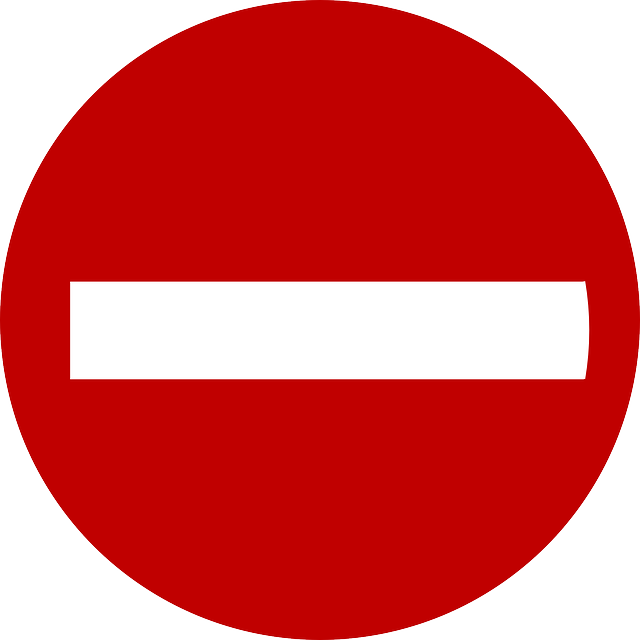 This road sign means:
A
No left turn
B
Lane ends
C
Do not enter
No explanation available.
Question 2:
To avoid crashes with vehicles in your blind spots, you should:
A
sound your horn right before turning or changing lanes.
B
adjust your rear-view mirrors every few minutes.
C
quickly turn your head to see if your blind spot is clear, before changing lanes.
D
None of the above.
No explanation available.
Question 3:
 This road sign means:
A
No right turn
B
Divided highway ends
C
Lane ends
D
Two way Traffic
No explanation available.
Question 4:
Tailgating:
A
cannot result in a traffic citation.
B
helps reduce traffic congestion.
C
is a defensive driving tecnique.
D
can frustrate other drivers and make them angry.
No explanation available.
Question 5:
If involved in an accident, drivers should:
A
avoid standing or walking in traffic lanes.
B
turn off the ignitions of wrecked vehicles.
C
stop their vehicle at or near the scene.
D
All of the above.
No explanation available.
Question 6:
What is the first thing to do when you make a three-point turn?
A
Signal with your left turn signal, then check carefully for traffic coming toward you.
B
Signal with your right turn signal, then pull over to the right and stop.
C
Turn left, go across the road so you come to a stop while you face the edge of the road.
No explanation available.
Question 7:
What is the first thing you should do if your wheels move off the pavement?
A
Pull the steering wheel back.
B
Pull over to the right and sound your horn to warn the other drivers.
C
Ease your foot off the gas pedal and brake gently.
No explanation available.
Question 8:
You should use turn signals to indicate your intention with sufficient time to allow other drivers to see the signal:
A
if it’s raining.
B
AFTER you move.
C
BEFORE you move.
No explanation available.
Question 9:
If the traffic lights are out of service when you approach an intersection, you:
A
must continue according to the rules of right-of-way.
B
must slow down and yield to oncoming traffic and pedestrians.
C
must come to a stop as you would for a stop sign.
D
must proceed with caution.
No explanation available.
Question 10:
If another car has stopped in an adjacent lane in the same direction of travel, you should:
A
speed up and pass the vehicle on the right.
B
pass the car on the left.
C
be careful in case the other vehicle has stopped for a pedestrian.
D
tap your horn to let the other driver know you are passing.
No explanation available.
Question 11:
You reach an intersection that is not controlled at the same time as a driver on your right, and both of you prepare to go straight. Who has the right-of-way?
A
You.
B
No one.
C
The other driver.
No explanation available.
Question 12:
At a light rail intersection, you should always:
A
share the road with pedestrians and bicyclists.
B
look both ways before crossing the tracks.
C
be alert and obey all traffic signals.
D
All of the above.
No explanation available.
Question 13:
When a school bus is stopped with its red lights flashing:
A
drivers only need to stop if children are present.
B
drivers don't need to stop unless they are in a school zone.
C
drivers may not pass while the red lights are flashing.
D
you never need to stop.
No explanation available.
Question 14:
You must yield to other drivers:
A
when it helps to prevent collisions.
B
when they are driving a truck.
C
when the other drivers are on your left and you have reached an unmarked intersection at the same time.
D
when your traffic signal is a green.
No explanation available.
Question 15:
When approaching any intersection or driveway, drivers should:
A
look both ways and be ready to stop.
B
pass other vehicles and then stop.
C
drive at the fastest speed just before entering the intersection.
No explanation available.
Question 16:
If traffic prevents you from crossing all the way across a set of railroad tracks:
A
proceed only when at least one-half of your vehicle can cross the tracks safely.
B
wait until the approaching train has come to a stop.
C
proceed only when there is room for your vehicle on the other side.
D
wait until no trains are in sight.
No explanation available.
Question 17:
When you drive into the street from any driveway you:
A
can disregard pedestrians if there is no sidewalk.
B
must drive slowly so approaching vehicles and pedestrians can get out of your way.
C
must honk the horn so approaching vehicles and pedestrians can allow you room.
D
must stop and proceed only when there are no pedestrians or vehicles approaching.
No explanation available.
Question 18:
If you stop at a railroad crossing with more than one track:
A
proceed with caution until you see a train.
B
go through when one of the tracks is free.
C
go through as soon as the first train passes.
D
wait until you have a clear view of both tracks.
No explanation available.
Question 19:
On slippery roads, drivers should:
A
slow down.
B
increase their speed to avoid hydroplaning.
C
not drive faster than 25 MPH.
D
go faster.
No explanation available.
Question 20:
As you approach an intersection, the traffic light changes from green to yellow. You should:
A
apply the brakes sharply and come to a complete stop.
B
be prepared to stop before the intersection.
C
be prepared to stop in the middle of the intersection.
D
speed up to beat the red light.
No explanation available.
Question 21:
Alcohol:
A
makes drivers more prone to take chances.
B
increases reaction time.
C
All of the above.
No explanation available.
Question 22:
A pedestrian starts to cross in front of your vehicle. You should:
A
sound your horn and proceed with caution.
B
slow down.
C
speed up and pass in front of the pedestrian.
D
stop until the person is out of the crosswalk.
No explanation available.
Question 23:
________ is the only effective way to reduce your Blood Alcohol Content (BAC).
A
Time
B
Drinking coffee
C
Taking a cold shower
D
Eating food
No explanation available.
Question 24:
The most common cause of traffic crashes is:
A
human error.
B
bad road conditions.
C
wet pavement.
D
bad weather.
No explanation available.
Question 25:
A good rule for passing is:
A
always remember to flash your lights and sound your horn to alert the other drivers that you are about to pass.
B
drive with the flow of traffic and pass only as needed.
C
pass on the right whenever possible.
D
try to get to the front of any line of slow moving traffic as soon as possible.
No explanation available.