Question 1:
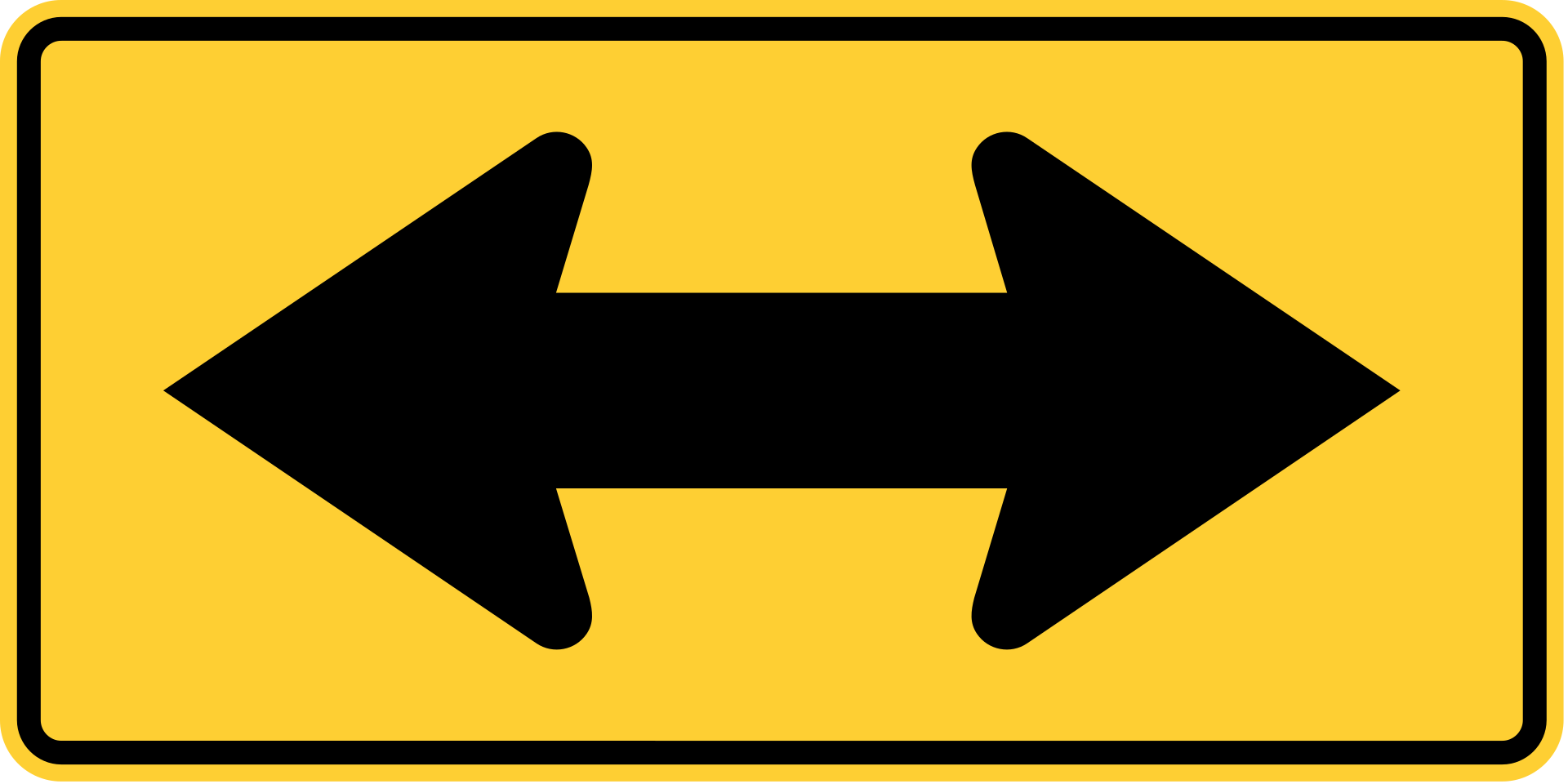 This sign tells drivers that:
A
left and right turns are not allowed.
B
a divided highway is ahead.
C
they cannot go straight ahead.
This traffic sign indicates: they cannot go straight ahead. Observing and obeying all roadway signs ensures safe traffic flow and legal driving.
Question 2:
If a traffic officer signals you to drive through a red light:
A
you must do it.
B
you must wait for the red light to turn green.
C
you must not obey the officer. Signs and signals take precedence over directions given by traffic officers.
According to standard right-of-way regulations: you must do it. Yielding appropriately prevents intersection collisions and maintains safe traffic flow.
Question 3:
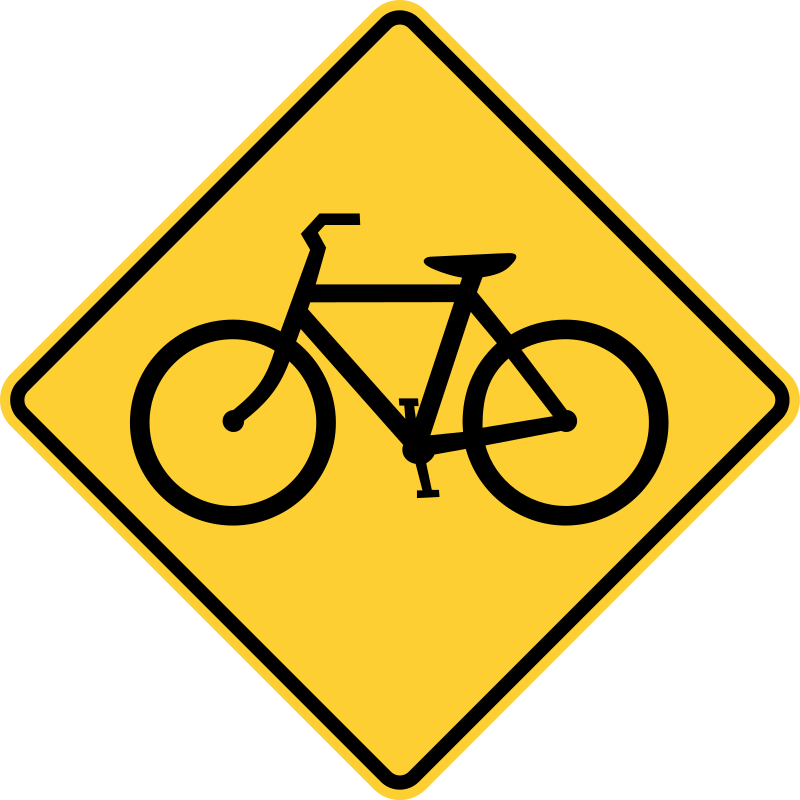 This sign means:
A
Bicycles should yield to vehicles ahead.
B
Warning: a bikeway crosses the roadway ahead.
C
The lane ahead is reserved for bicycles.
This traffic sign indicates: Warning: a bikeway crosses the roadway ahead. Observing and obeying all roadway signs ensures safe traffic flow and legal driving.
Question 4:
Directions given by traffic officers ___________ signs, signals or pavement markings.
A
take precedence over
B
are less important than
C
must obey
The correct driving rule is: take precedence over. Following standard DMV road rules and practicing defensive driving ensures safety for all road users.
Question 5:
Drivers can not pass a vehicle on the left if:
A
they approach the top of a hill on a two-way road and can not see over it.
B
they can not safely return to the right lane before they reach a solid yellow center line for the right lane.
C
All of the above.
All of the listed points are essential driving requirements: they approach the top of a hill on a two-way road and can not see over it; they can not safely return to the right lane before they reach a solid yellow center line for the right lane. Practicing each ensures compliance with DMV safety laws.
Question 6:
Parking is not allowed:
A
in an intersection, unless permitted by signs.
B
within 300 feet of a pedestrian safety area.
C
on public roads
Under standard parking and curb regulations: in an intersection, unless permitted by signs. Following parking distance clearances keeps roadways unobstructed and emergency lanes accessible.
Question 7:
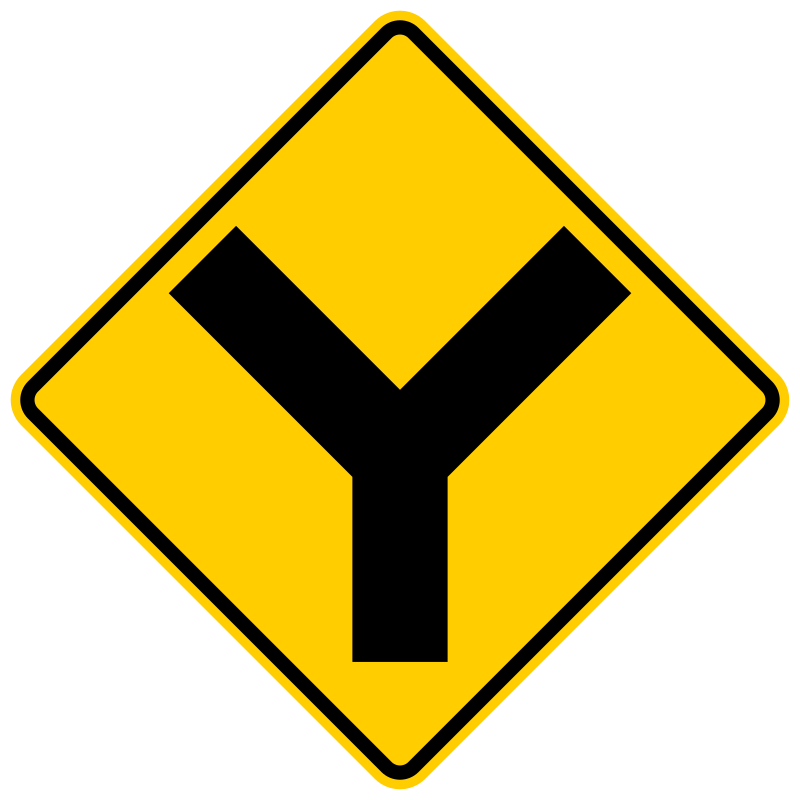 This road sign means:
A
The road ends ahead
B
A four-way intersection is ahead
C
“Y” intersection ahead
D
A road joins from the right
This traffic sign indicates: “Y” intersection ahead. Observing and obeying all roadway signs ensures safe traffic flow and legal driving.
Question 8:
Drivers must not drive at:
A
a speed that is greater than reasonable.
B
a speed that is not prudent for the circumstances.
C
a speed that is greater than the posted speed limit.
D
All of the above.
All of the listed points are essential driving requirements: a speed that is greater than reasonable; a speed that is not prudent for the circumstances; a speed that is greater than the posted speed limit. Practicing each ensures compliance with DMV safety laws.
Question 9:
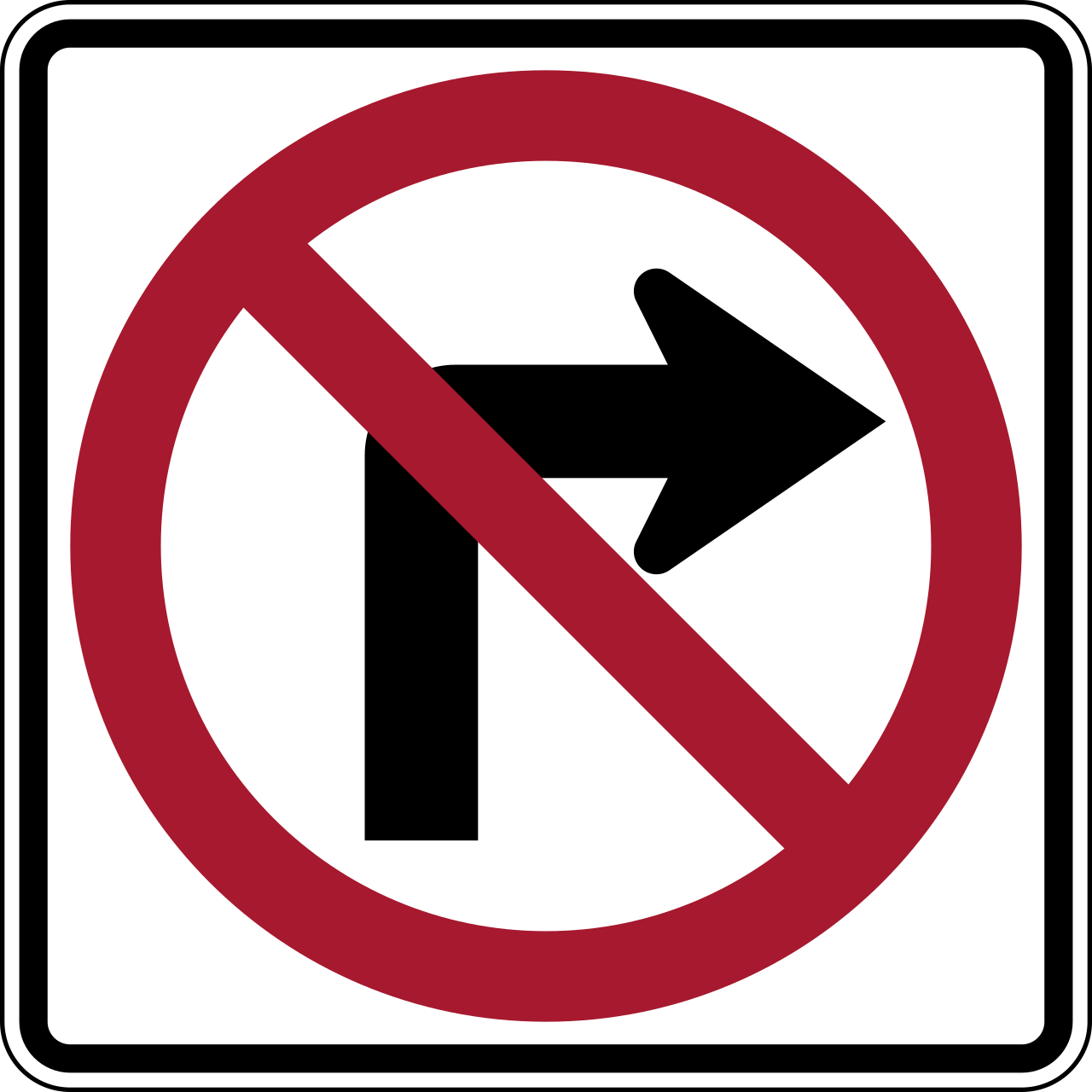 This sign tells drivers that:
A
they must make a left turn at the intersection.
B
U-turns are not allowed.
C
they must not make a right turn.
D
None of the above.
This traffic sign indicates: they must not make a right turn. Observing and obeying all roadway signs ensures safe traffic flow and legal driving.
Question 10:
The ‘Slower Traffic Keep Right’ sign is used:
A
at most intersections.
B
on multiple lane highways.
C
in school zones.
The correct driving rule is: on multiple lane highways. Following standard DMV road rules and practicing defensive driving ensures safety for all road users.
Question 11:
To safely cross a railroad, drivers should:
A
listen and look both ways, then proceed if it is safe to do so.
B
drive across quickly if a train is approaching, or if it is too close, stop and then back up.
C
stop within 10 feet of all railroad crossings.
D
look both ways only if the red light is flashing.
The correct driving rule is: listen and look both ways, then proceed if it is safe to do so. Following standard DMV road rules and practicing defensive driving ensures safety for all road users.
Question 12:
You are driving on a four-lane divided highway, two vehicles are driving side by side ahead of you, and you are in a hurry. You should:
A
drive closely behind the vehicles ahead changing lanes frequently.
B
drive in either lane with at least a two-second time interval behind the vehicle ahead.
C
drive closely behind the vehicle in the left lane and flash your headlights.
D
drive closely behind the vehicle in the right lane.
Defensive driving guidelines state that: drive in either lane with at least a two-second time interval behind the vehicle ahead. Anticipating road hazards and communicating maneuvers keeps traffic predictable and safe.
Question 13:
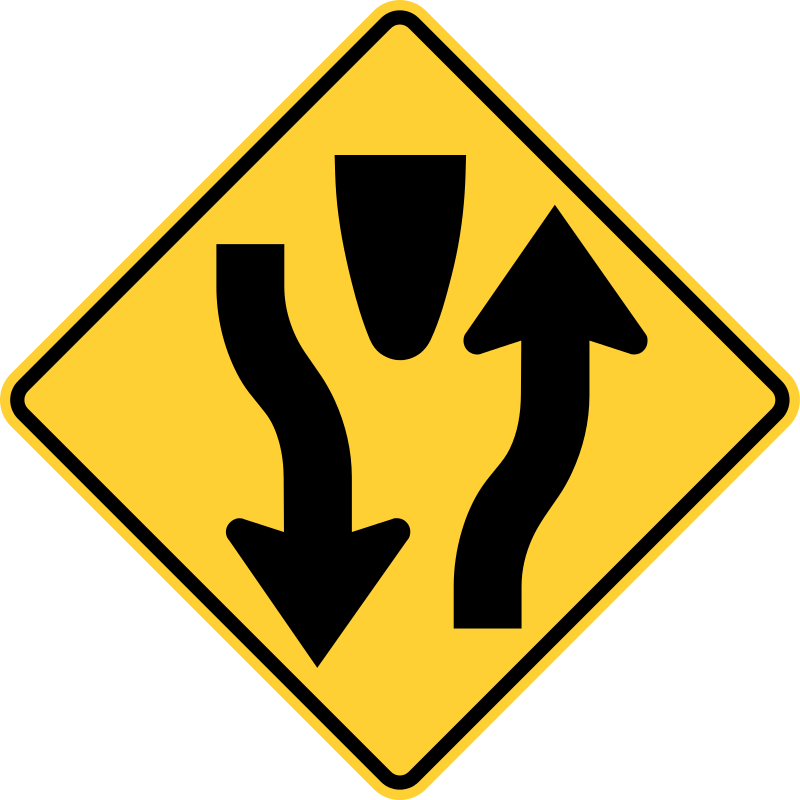 This road sign means:
A
Keep left
B
Divided highway begins
C
Lane ends
This traffic sign indicates: Divided highway begins. Observing and obeying all roadway signs ensures safe traffic flow and legal driving.
Question 14:
Increasing your vehicle’s speed _____ your field of vision.
A
decreases
B
increases
C
inverts
D
has no effect on
For safe speed and stopping control: decreases. Adjusting speed to match visibility and road traction prevents loss of steering grip.
Question 15:
Alcohol:
A
makes you less aware of what is happening to your driving abilities.
B
makes it easier to make correct decisions.
C
improves your reaction time.
Under state DUI and traffic safety laws: makes you less aware of what is happening to your driving abilities. Alcohol degrades judgment, slows reaction times, and distorts depth perception.
Question 16:
When following a motorcycle, drivers must remember that motorcycles can ____________ than other vehicles.
A
accelerate much faster
B
stop much more quickly
C
stop much more slowly
Motorcycles can stop rapidly and are easily hidden in vehicle blind spots: stop much more quickly. Always allow an increased following distance of at least 3 to 4 seconds.
Question 17:
Aggressive drivers:
A
run stop signs.
B
are high risk drivers.
C
tailgate other vehicles and make improper lane changes.
D
All of the above.
All of the listed points are essential driving requirements: run stop signs; are high risk drivers; tailgate other vehicles and make improper lane changes. Practicing each ensures compliance with DMV safety laws.
Question 18:
What should you do in case of a steering failure?
A
Pump your gas pedal a few times to increase the pressure.
B
Don't panic. Turn on your emergency lights to let other drivers know you are having car problems. Move toward the side of the road and bring the car to a gradual stop.
C
Leave the road immediately.
The correct driving rule is: Don't panic. Turn on your emergency lights to let other drivers know you are having car problems. Move toward the side of the road and bring the car to a gradual stop. Following standard DMV road rules and practicing defensive driving ensures safety for all road users.
Question 19:
When you are involved in an accident and your vehicle is blocking traffic, you should:
A
not move your vehicle under any circumstances.
B
wait for the police to arrive before moving your vehicle.
C
move your vehicle off of the travelled portion of the roadway, if possible.
D
None of the above.
The correct driving rule is: move your vehicle off of the travelled portion of the roadway, if possible. Following standard DMV road rules and practicing defensive driving ensures safety for all road users.
Question 20:
 This road sign means:
A
Lane shifting
B
Traffic is entering from another road, drive with caution
C
Stop for other traffic
D
Yield right-of-way
This traffic sign indicates: traffic is entering from another road, drive with caution. Observing and obeying all roadway signs ensures safe traffic flow and legal driving.
Question 21:
If an aggressive driver is behind you:
A
sound your horn and move to the left lane.
B
slow down and confront the aggressive driver.
C
try to get out of the aggressive driver’s way.
D
increase you speed and flash your brake lights.
The correct driving rule is: try to get out of the aggressive driver’s way. Following standard DMV road rules and practicing defensive driving ensures safety for all road users.
Question 22:
When you see an emergency vehicle with flashing lights, you must:
A
pull over to the side of the road and stop.
B
increase your speed to provide a clear path for the emergency vehicle.
C
slow down until it passes you.
D
drive with your flashers on.
When sharing the road with other vehicles: pull over to the side of the road and stop. Giving large vehicles and vulnerable users adequate clearance prevents dangerous accidents.
Question 23:
Service signs are ____ with ____ letters and symbols.
A
blue; white
B
white; black
C
green; white
The correct driving rule is: blue; white. Following standard DMV road rules and practicing defensive driving ensures safety for all road users.
Question 24:
If you get on a wrong expressway exit, you must:
A
get off at the next exit and look for signs that tell you how to return to the expressway.
B
use the the exit ramp to accelerate to expressway speed and blend with traffic.
C
drive in reverse to return to the expressway.
Defensive driving guidelines state that: get off at the next exit and look for signs that tell you how to return to the expressway. Anticipating road hazards and communicating maneuvers keeps traffic predictable and safe.
Question 25:
 This sign means:
A
Railroad crossing
B
No Passing Zone
C
The road ends ahead
Circular signs with an 'X' and 'RR' designate a Railroad Advance Warning: Railroad crossing. Drivers must slow down, look both ways, listen for trains, and be prepared to stop.