Question 1:
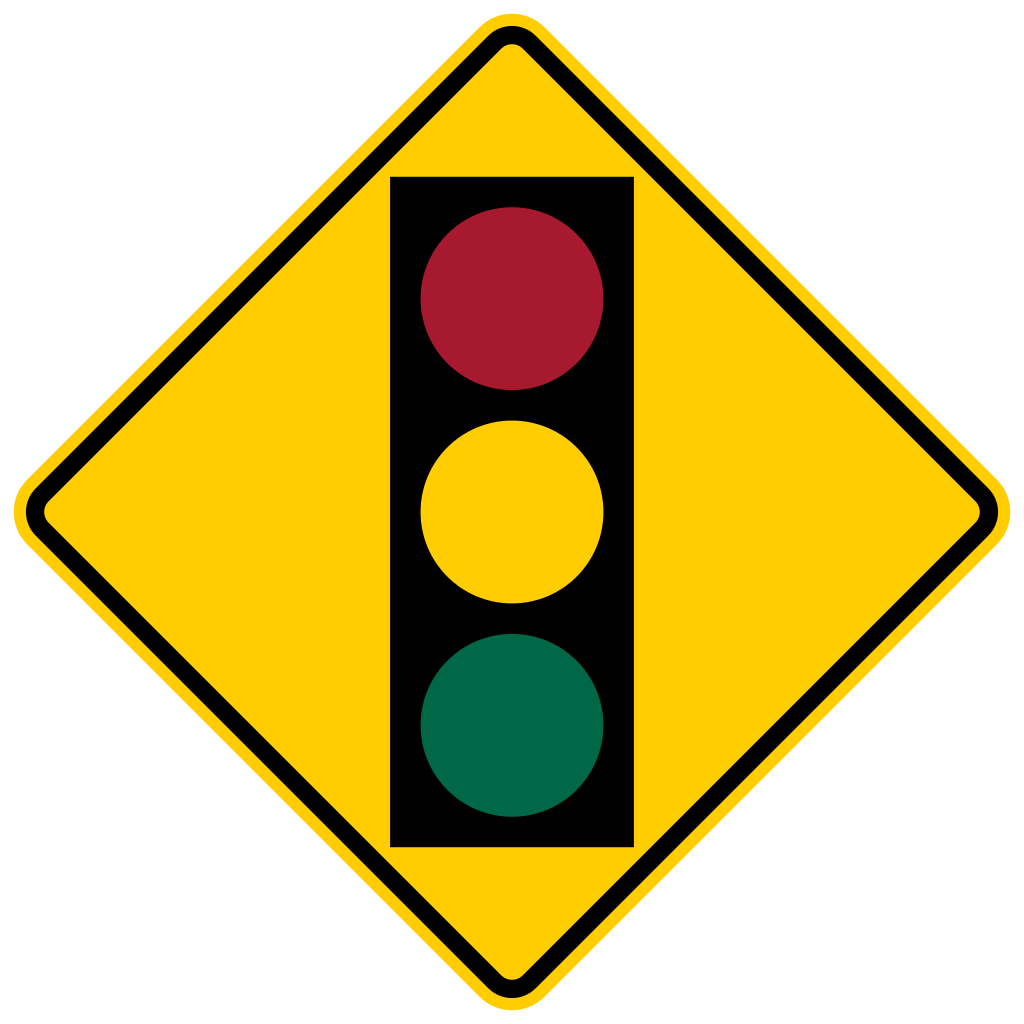 This road sign means:
A
Stop before turning right
B
4-way stop ahead
C
Lane closed for traffic
D
There is a traffic signal ahead
No explanation available.
Question 2:
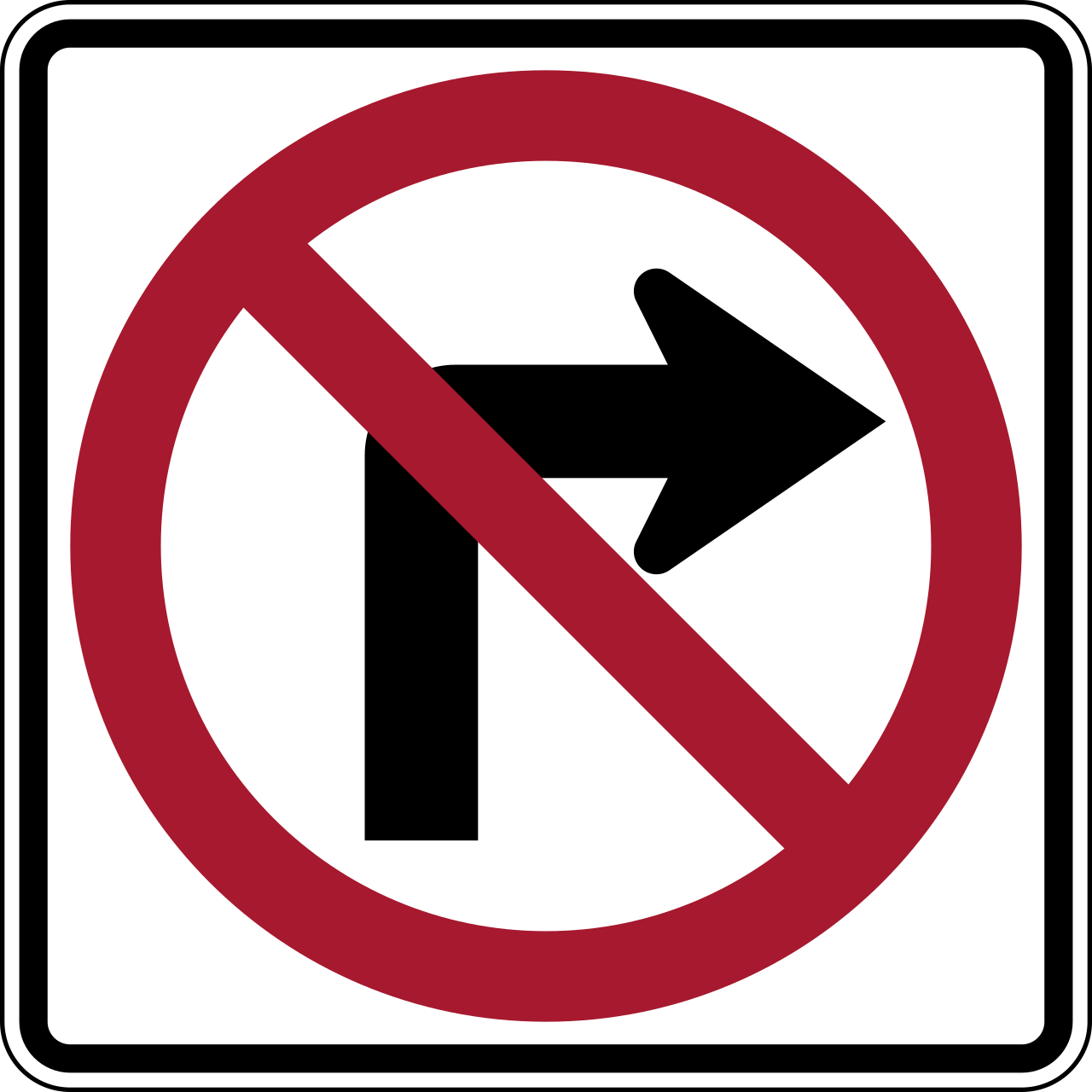 This road sign means:
A
No left turn
B
No right turn
C
No U-turns
No explanation available.
Question 3:
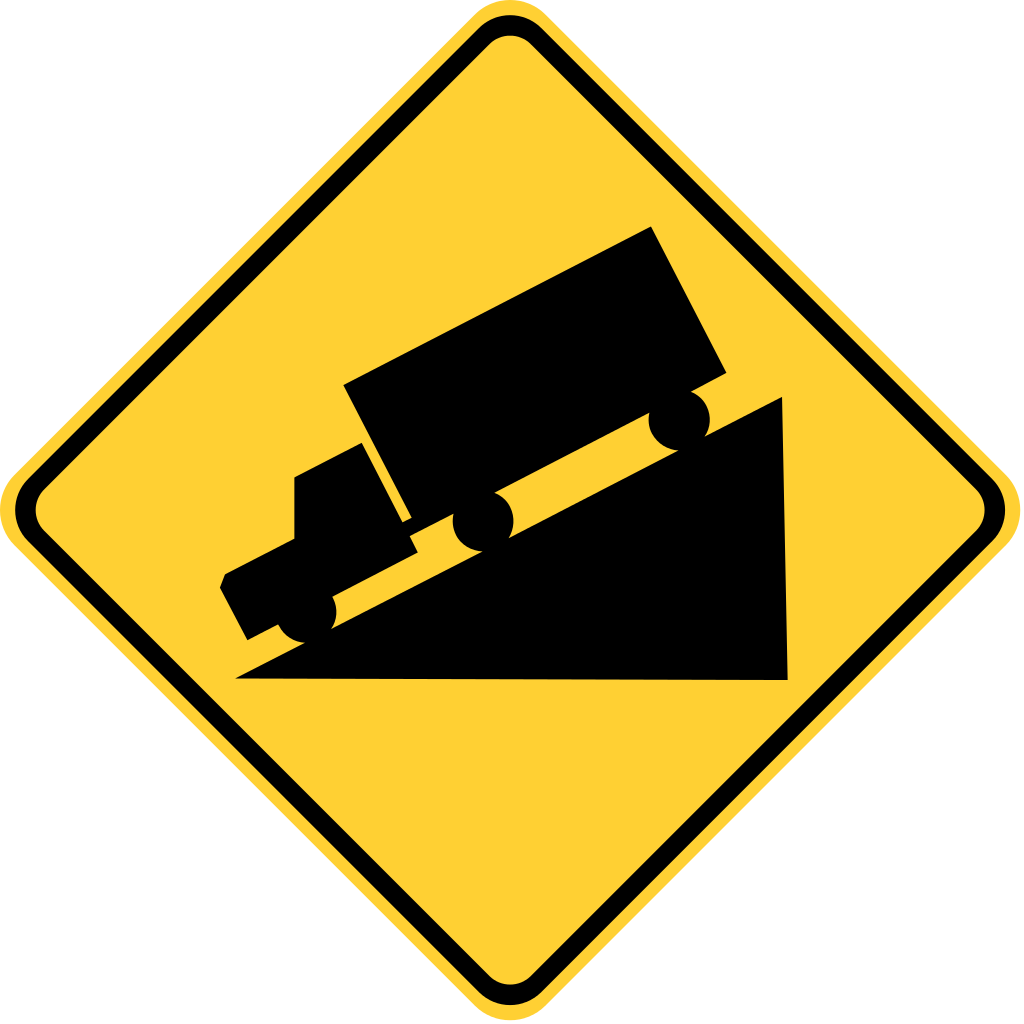 This road sign means:
A
Truck stop ahead
B
No trucks allowed
C
Hill or downgrade up ahead
No explanation available.
Question 4:
 This road sign means:
A
The left lane ends soon
B
one-way street ahead.
C
The right lane ends soon
D
Highway entrance ramp ahead
No explanation available.
Question 5:
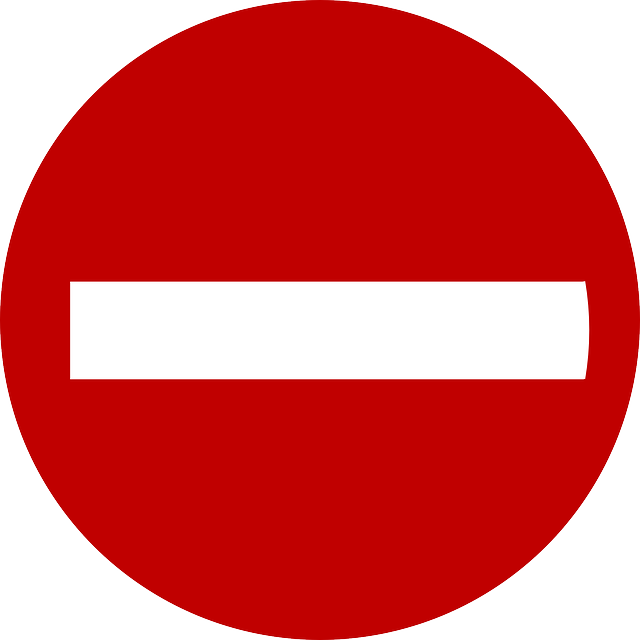 This road sign means:
A
No left turn
B
Lane ends
C
Do not enter
No explanation available.
Question 6:
 A 4-way stop sign means:
A
The first vehicle to reach the intersection should move forward first.
B
Traffic from all four directions must stop.
C
There are four stop signs at the intersection.
D
All of the above.
No explanation available.
Question 7:
 This sign warns drivers of:
A
a reduction of lanes.
B
a dip in the road. Drivers should be ready to stop if the dip is filled with water.
C
a bridge ahead, wide enough to accommodate two lanes of traffic, but with very little clearance.
No explanation available.
Question 8:
This sign means:
A
divided highway ahead.
B
narrow bridge ahead.
C
road construction.
D
lane ends, merge left.
No explanation available.
Question 9:
 When they see this sign, drivers:
A
should be prepared to make sharp turns at a high speed.
B
need to be prepared to turn right and then left quickly.
C
should not speed up or brake quickly.
No explanation available.
Question 10:
This road sign means:
A
Winding road
B
Side road ahead
C
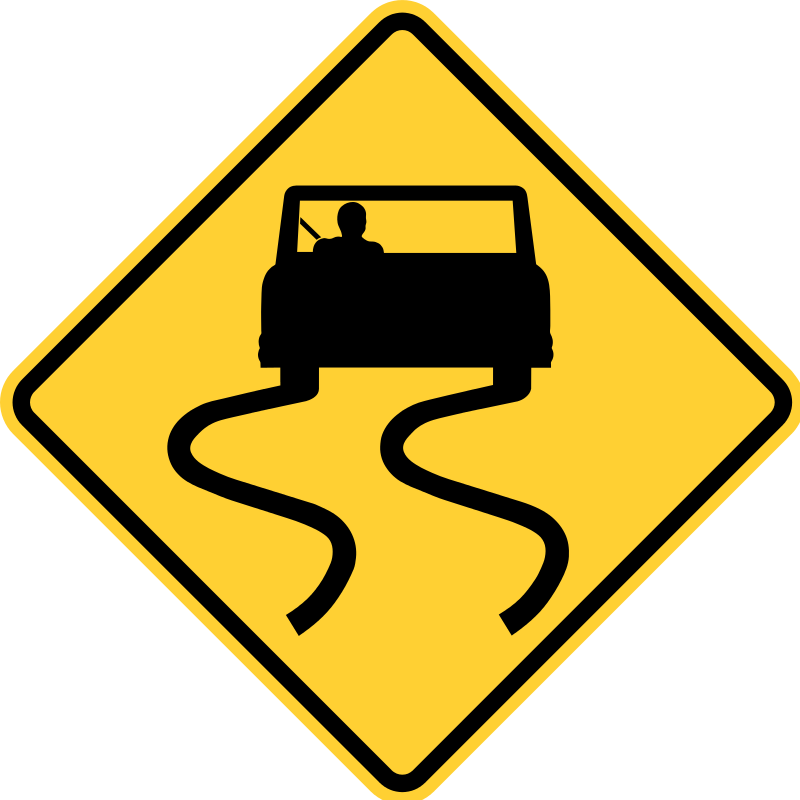
Slippery when wet
No explanation available.
Question 11:
This road sign means:
A
Traffic increases ahead
B
Steep grade ahead
C
Winding road ahead
D
Slippery road ahead
No explanation available.
Question 12:
This sign warns that:
A
traffic must merge left.
B
the bridge ahead is wide enough for only one vehicle at a time.
C
traffic must merge right.
No explanation available.
Question 13:
The minimum drinking age in this State is ____ years.
A
20
B
21
C
9
D
18
No explanation available.
Question 14:
Directions given by traffic officers ___________ signs, signals or pavement markings.
A
take precedence over
B
are less important than
C
must obey
No explanation available.
Question 15:
In case of skidding, drivers should NOT:
A
take their foot off the gas pedal.
B
pump the brakes gently if they are about to hit something.
C
tap the gas pedal with their foot.
No explanation available.
Question 16:
When getting ready to change lanes, you should:
A
check your rearview mirror.
B
quickly turn your head to check for other vehicles.
C
check your side view mirror.
D
All of the above.
No explanation available.
Question 17:
Your red traffic signal changes to green while a pedestrian is crossing in your traffic lane. The right of way should be given:
A
by the pedestrian, but only when vehicles are turning left.
B
by the pedestrian.
C
to the pedestrian.
No explanation available.
Question 18:
Which of the following must you obey over the others?
A
Red light
B
Stop sign
C
Police officer
No explanation available.
Question 19:
A vehicle is stopped at a crosswalk to permit a pedestrian to cross the roadway. The driver of the vehicle approaching from the rear should:
A
sound the horn.
B
overtake and pass the stopped vehicle.
C
not overtake and pass the stopped vehicle.
No explanation available.
Question 20:
Air bags are meant to _________ seat belts.
A
work with
B
fix
C
replace
No explanation available.
Question 21:
When driving at night with no other vehicles ahead, a driver should use:
A
high beam lights.
B
low-beam lights.
C
parking lights.
No explanation available.
Question 22:
Drivers should be aware that a motorcyclist may:
A
decrease speed and rise off the seat when approaching a railroad crossing.
B
quickly change speed or lane position.
C
All of the above.
No explanation available.
Question 23:
The following symptoms are associated with drowsy driving:
A
You continue to yawn.
B
You don’t remember driving the last few miles.
C
All of the above.
No explanation available.
Question 24:
A flashing red light means:
A
The same as a STOP sign.
B
The light will soon change to steady red.
C
Drive with caution.
No explanation available.
Question 25:
A yellow arrow means:
A
Do not go in the direction of the arrow.
B
If you intend to turn in the direction of the arrow, be prepared to stop.
C
The same as a steady yellow light.
No explanation available.
Question 26:
You should never depend on your mirrors when you prepare to change lanes. Why?
A
Mirrors leave “blind spots” behind both sides of vehicles.
B
Mirrors need to be adjusted.
C
Mirrors are useless.
No explanation available.
Question 27:
Aggressive driving includes:
A
quick lane changes without a signal.
B
chasing or challenging other drivers.
C
All of the above.
No explanation available.
Question 28:
On what three conditions does your blood alcohol content (BAC) depend?
A
Your weight. How much alcohol you drink. How much time passes between drinks.
B
Your weight. The type of beverage you drink. How fit you are.
C
Your height. How much alcohol you drink. The type of beverage you drink.
No explanation available.
Question 29:
If your brakes are wet, you can dry them by:
A
riding the pedal lightly.
B
pull over to the right and wait until it stops raining.
C
having them checked by a mechanic.
No explanation available.
Question 30:
When driving on slippery roads, drivers should:
A
increase their following distance.
B
avoid crossing bridges or intersections.
C
brake harder than usual.
D
change lanes quickly.
No explanation available.
Question 31:
On average, how long does it take your body to remove the alcohol contained in 5 ounces of wine?
A
one hour.
B
30 minutes.
C
3 hours.
No explanation available.
Question 32:
What is a likely effect when you take another drug while you drink alcohol?
A
The effects of the alcohol and the drug are enhanced.
B
There are no effects, unless the drug is prescription only.
C
If the drug is over-the-counter, there are no effects.
No explanation available.
Question 33:
At a stop sign there is no stop line or crosswalk. You must stop:
A
before you enter the intersection.
B
at the next crosswalk.
C
after you enter the intersection, if you have a clear view of traffic on the intersecting roadway.
No explanation available.
Question 34:
If another car is in danger of hitting you, you should:
A
flash your brake lights.
B
sound your horn.
C
use your emergency lights.
D
flash your headlights.
No explanation available.
Question 35:
The traffic light is green and you want to drive straight through an intersection. If a car is already in the intersection and is making a turn, you must:
A
enter the intersection and then stop.
B
drive through the intersection. You have the right-of-way.
C
let that car complete its turn before you enter the intersection.
No explanation available.
Question 36:
In heavy rain, tires can begin to ride on the water that is on top of the road pavement. This is called:
A
rideplaning.
B
hydroplaning.
C
pavement-planing.
D
waterplaning.
No explanation available.
Question 37:
One broken line indicates:
A
You can pass other vehicles and change lanes, if it is safe.
B
You can not pass other vehicles or go across the line.
C
You can change lanes, but only when traffic conditions or obstructions in the road make it necessary.
No explanation available.