DriveQuiz drivequiz.com

MT DMV PERMİT PRACTİCE TEST 3

Montana
Duration: 30 min
|
Questions: 33
Student Name:
Date:
Correct:      Incorrect:      Score:      
1.
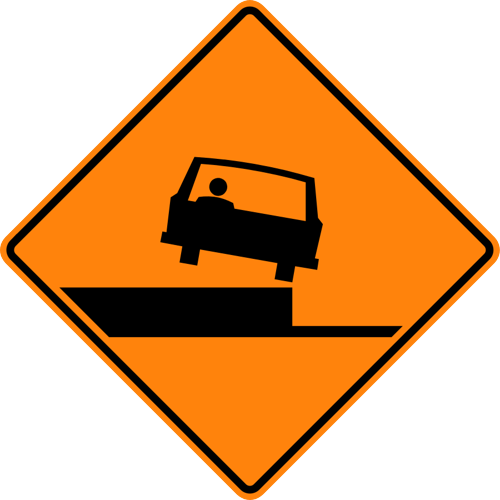
The unpaved shoulder of the road is significantly lower than the paved travel lane. Maintain a firm grip on the steering wheel if tires drift off.
This road sign means:
A) Low shoulder
B) Stop ahead
C) Tow away zone
D) Buggy warning
2.
What is the meaning of orange traffic signs?
A) Yield.
B) Warning of school, pedestrian, and bicycling activity.
C) Construction and maintenance warning.
3.
Which of the following may result in an arrest for driving under the influence of intoxicants (DUII)?
A) A controlled substance, such as prescription medicines or illegal drugs.
B) An inhalant, such as glue or paint.
C) Alcohol
D) All of the above.
4.
Braking distance is affected by:
A) the condition of your brakes and tires.
B) pavement conditions.
C) the speed your vehicle is traveling.
D) All of the above.
5.
Prohibits drivers from making a 180-degree turn to travel in the opposite direction at this intersection or stretch of road.
This road sign means:
A) No left turn
B) No U-turn
C) Detour ahead
6.
Two solid yellow lines on the pavement mean:
A) passing is not allowed.
B) passing is allowed during daylight only.
C) passing is allowed for both drivers.
D) passing is allowed if you are at the top of a hill.
7.
When you are driving, turning your head and looking before changing lanes is:
A) a good driving habit.
B) unnecessary, you should use your rearview mirror instead.
C) a bad driving habit.
D) prohibited.
8.
Indicates a series of three or more consecutive sharp turns or curves ahead. Reduce speed and maintain lane control.
This sign warns drivers that:
A) they must turn either to the right or left.
B) there is a double curve ahead.
C) there is a winding road ahead.
9.
All approaching traffic must stop completely. The first vehicle to reach the intersection and stop has right-of-way; if two vehicles arrive simultaneously, the vehicle on the right goes first.
A 4-way stop sign means:
A) The first vehicle to reach the intersection should move forward first.
B) Traffic from all four directions must stop.
C) There are four stop signs at the intersection.
D) All of the above.
10.
At intersections marked with stop lines, drivers must:
A) come to a complete stop.
B) slow down and enter the intersection.
C) signal other vehicles to stop.
11.
A few drinks after work before driving home:
A) should be avoided because they impair your judgement.
B) should be avoided unless you really need them.
C) are acceptable as far as they are part of your daily routine.
D) have no effect on your driving ability.
12.
Two motorcyclists are allowed to:
A) ride side-by-side in a single lane.
B) share the lane with another vehicle.
C) race on empty roads.
13.
Slow down and give right-of-way to all oncoming vehicles, cyclists, and pedestrians. Stop completely if necessary before entering the intersection or merging.
This road sign means:
A) You must come to a complete stop
B) Do not enter
C) Slow down, stop if necessary and yield the right-of-way
D) Merging traffic
14.
When passing other vehicles, drivers should:
A) make sure the passing lane is clear of traffic, and check behind and to the left to make sure another vehicle is not attempting to pass.
B) pass the vehicle as slowly as possible.
C) apply the brake and slow down.
D) All of the above.
15.
When changing lanes on an interstate, drivers should:
A) use cruise control to increase traction whenever possible.
B) signal and check mirrors and blind spots.
C) change lanes often.
D) stop in the breakdown lane if they are tired.
16.
Drivers must yield the right-of-way to pedestrians when:
A) pedestrians are crossing the road in marked crosswalks.
B) All of the above.
C) the driver is turning a corner and pedestrians are crossing with the light.
17.
Right turns are strictly prohibited at this intersection under all circumstances.
This road sign means:
A) No left turn
B) No right turn
C) No U-turns
18.
A sharp curve is ahead with a recommended safe speed plate. Slow down before entering the curve to prevent vehicle rollover.
This road sign means:
A) Merge, then slow down to the safe speed indicated
B) The road ahead curves right; slow down to indicated speed
C) Winding road ahead; slow down to the indicated speed
D) Divided highway begins. Slow down to the safe speed indicated
19.
__________________ give you right-of-way to make a left turn.
A) A green arrow pointing left
B) A flashing red light
C) A flashing yellow light
D) A solid green light
20.
When you see an emergency vehicle with flashing lights, you must:
A) stop exactly where you are.
B) pull to the curb and stop.
C) speed up and take the nearest exit.
D) slow down and keep moving in your lane.
21.
When you drive near parks and playgrounds, you should expect children:
A) not to cross unless they are with an adult.
B) to know when it is safe to cross.
C) to stop at the curb before crossing the street.
D) to suddenly run into the street.
22.
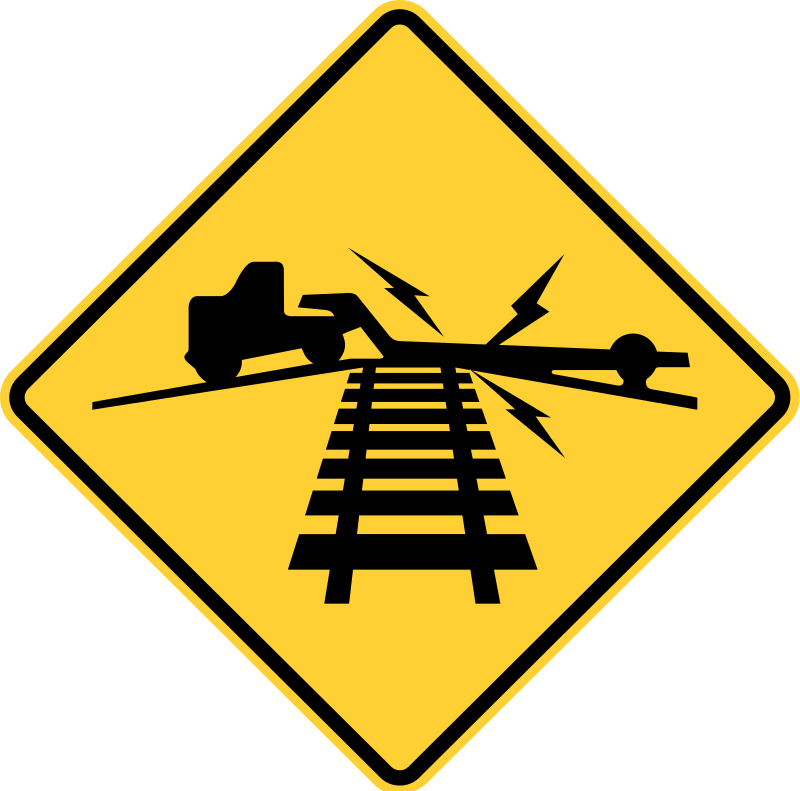
Warns of a high-centered or steep railroad hump crossing where long-wheelbase or low-slung vehicles may become stuck on the tracks.
This road sign means:
A) Winding road ahead
B) Pedestrian crossing
C) Low ground railroad crossing
D) No-passing zone
23.
Warning signs are normally:
A) blue.
B) yellow.
C) red.
D) green.
24.
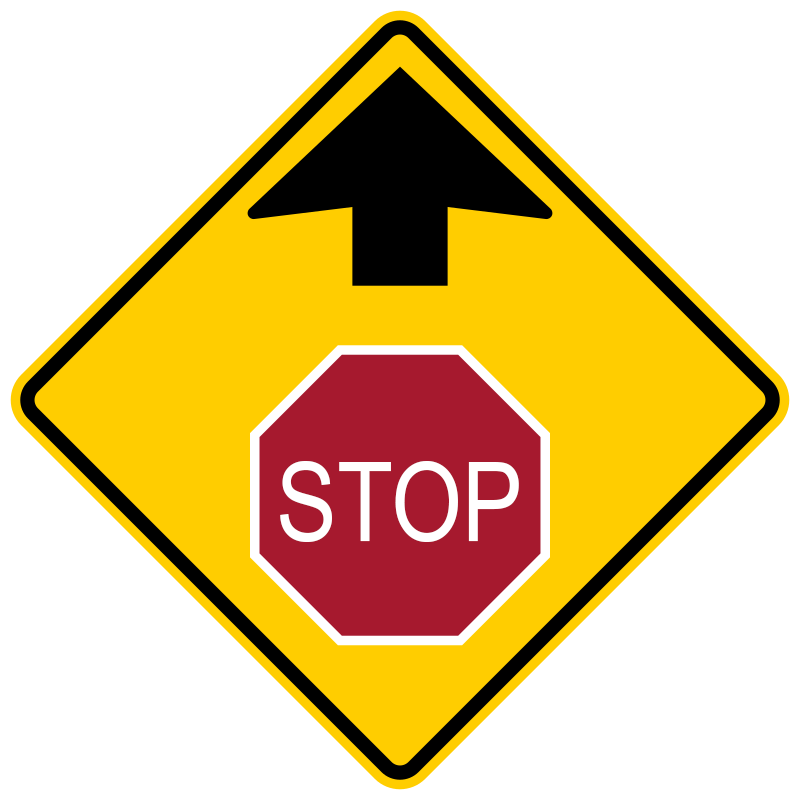
Warns of an upcoming STOP sign that may not be immediately visible. Begin slowing down to prepare for a complete stop.
This road sign means:
A) Railroad Warning
B) Stop Sign Ahead
C) Lane ends
D) Stop if necessary
25.
If your car breaks down on the highway, you should:
A) use your four-way flashers to warn other drivers.
B) sound your horn to warn passing vehicles.
C) flash your headlights at oncoming traffic.
D) stop in the right lane.
26.
If you drive much slower than the posted speed limit you:
A) are a defensive driver.
B) might cause a crash.
C) always have the right of way.
D) are driving safely and can avoid tailgaters.
27.
Yellow diamond warning that pedestrians may be crossing ahead. Exercise caution and yield.
This road sign means:
A) Pedestrian crossing
B) School zone
C) School crossing
28.
Reflective orange triangle displayed on vehicles traveling at 25 MPH or slower (such as farm tractors or construction machinery). Approach with caution and pass safely.
The sign in the picture:
A) is a Construction and Maintenance Traffic Control sign.
B) is found at most intersections and indicates that drivers must yield to other vehicles.
C) is displayed on the rear of slow moving vehicles.
29.
An aggressive driver:
A) competes with other traffic.
B) weaves in and out of traffic.
C) shows little or no respect for traffic laws.
D) All of the above.
30.
What is the first thing to do when you make a three-point turn?
A) Signal with your left turn signal, then check carefully for traffic coming toward you.
B) Signal with your right turn signal, then pull over to the right and stop.
C) Turn left, go across the road so you come to a stop while you face the edge of the road.
31.
Slow down and give right-of-way to all oncoming vehicles, cyclists, and pedestrians. Stop completely if necessary before entering the intersection or merging.
This road sign means:
A) Slow down and be prepared to stop if necessary
B) You must come to a complete stop
C) You may proceed at regular speed through the intersection
D) Wrong Way
32.
When are you allowed to drink alcoholic beverages in a vehicle on a public highway?
A) As long as you don’t drive.
B) Only if you ride in the back seat.
C) Only if you ride in the back of a pick-up truck.
D) Never.
33.
To avoid crashes with vehicles in your blind spots, you should:
A) sound your horn right before turning or changing lanes.
B) adjust your rear-view mirrors every few minutes.
C) quickly turn your head to see if your blind spot is clear, before changing lanes.
D) None of the above.
ANSWER KEY Check answers after completing the test.
1 A
2 C
3 D
4 D
5 B
6 A
7 A
8 C
9 D
10 A
11 A
12 A
13 C
14 A
15 B
16 B
17 B
18 B
19 A
20 B
21 D
22 C
23 B
24 B
25 A
26 B
27 A
28 C
29 D
30 B
31 A
32 D
33 C