Question 1:
Warning signs normally are:
A
rectangles.
B
triangles.
C
diamond-shaped.
The correct driving rule is: diamond-shaped. Following standard DMV road rules and practicing defensive driving ensures safety for all road users.
Question 2:
When changing lanes, you should:
A
check your mirrors, signal and change lanes.
B
signal, change lanes and check your mirrors.
C
signal, check your mirrors and blind spot in the direction you plan to move, then change lanes.
D
signal and change lanes.
The correct driving rule is: signal, check your mirrors and blind spot in the direction you plan to move, then change lanes. Following standard DMV road rules and practicing defensive driving ensures safety for all road users.
Question 3:
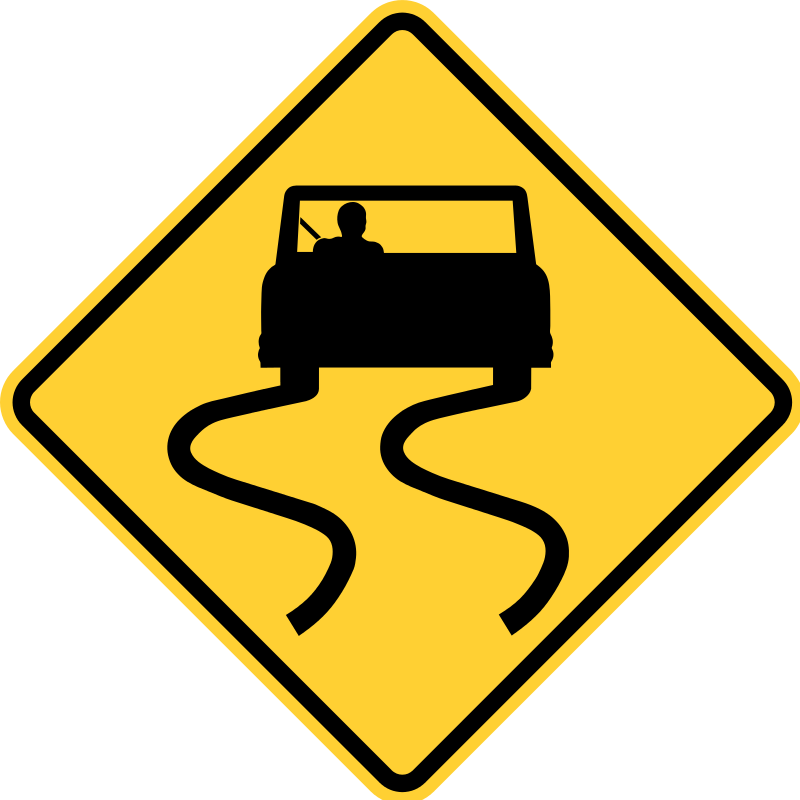 This sign indicates:
A
Warning: drunk drivers.
B
Winding road. Drive with caution.
C
The road may be slippery when wet. Drive slowly.
This traffic sign indicates: The road may be slippery when wet. Drive slowly. Observing and obeying all roadway signs ensures safe traffic flow and legal driving.
Question 4:
When you leave your vehicle unattended, you must:
A
lock the ignition and remove the ignition key.
B
set the parking brake.
C
turn off the engine.
D
All of the above.
All of the listed points are essential driving requirements: lock the ignition and remove the ignition key; set the parking brake; turn off the engine. Practicing each ensures compliance with DMV safety laws.
Question 5:
When children are close, what should you do before you back out of a driveway?
A
Rely on your mirrors.
B
Get out of the car and check behind the car.
C
Look through your back window for children.
The correct driving rule is: Get out of the car and check behind the car. Following standard DMV road rules and practicing defensive driving ensures safety for all road users.
Question 6:
If you missed your exit on a freeway, you should:
A
use the right turn signal, check your mirrors and move to the right.
B
None of the above.
C
go to the next exit and come back to the exit you missed.
D
make a quick U-turn from your lane of travel.
Defensive driving guidelines state that: go to the next exit and come back to the exit you missed. Anticipating road hazards and communicating maneuvers keeps traffic predictable and safe.
Question 7:
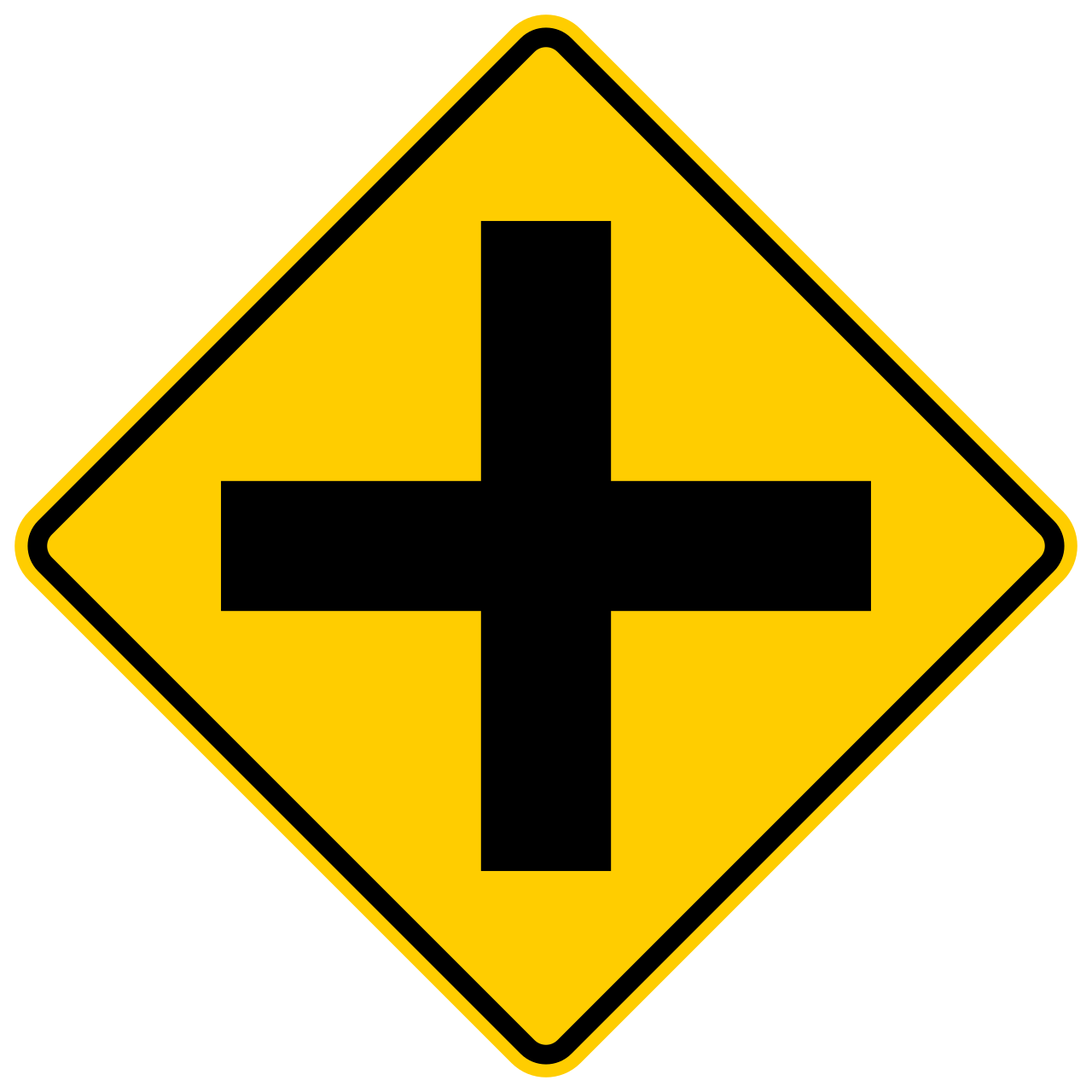 This road sign means:
A
You must turn right
B
Railroad crossing
C
Crossroad ahead
D
4-way stop
This traffic sign indicates: Crossroad ahead. Observing and obeying all roadway signs ensures safe traffic flow and legal driving.
Question 8:
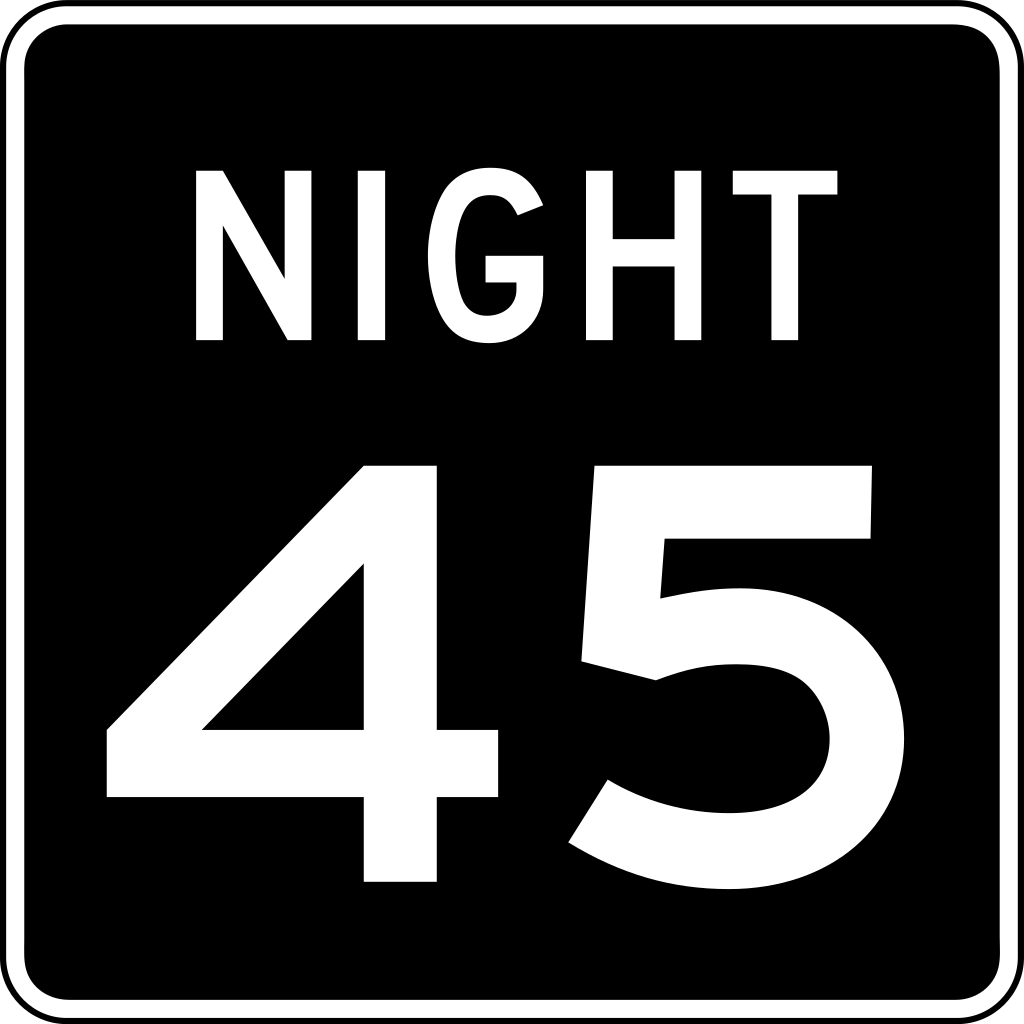 This sign means:
A
Take route 45 if you are driving at night.
B
The night-time speed limit is 45 MPH.
C
The minimum speed limit is 45 MPH.
This traffic sign indicates: The night-time speed limit is 45 MPH. Observing and obeying all roadway signs ensures safe traffic flow and legal driving.
Question 9:
If the entrance lane is too short to allow acceleration to highway speed, you should:
A
go to the next entrance ramp.
B
stop and wait for a large gap in traffic, then enter the highway and accelerate quickly.
C
merge into highway traffic as soon as possible.
For safe speed and stopping control: stop and wait for a large gap in traffic, then enter the highway and accelerate quickly. Adjusting speed to match visibility and road traction prevents loss of steering grip.
Question 10:
What do warning signs mean?
A
Danger ahead.
B
Drivers are approaching a location where there is a special rule.
C
All of the above.
All of the listed points are essential driving requirements: Danger ahead; Drivers are approaching a location where there is a special rule. Practicing each ensures compliance with DMV safety laws.
Question 11:
 This road sign means:
A
Divided highway ahead
B
Two-way traffic ahead
C
Four-lane traffic ahead
This traffic sign indicates: Two-way traffic ahead. Observing and obeying all roadway signs ensures safe traffic flow and legal driving.
Question 12:
To avoid having to make an emergency stop while driving in traffic, drivers should:
A
drive in the right lane only.
B
look ahead and maintain a safe following distance.
C
sound their horn to warn other drivers.
D
drive slower than the flow of traffic.
The correct driving rule is: look ahead and maintain a safe following distance. Following standard DMV road rules and practicing defensive driving ensures safety for all road users.
Question 13:
Passing is prohibited:
A
when a school bus is stopped to load or unload children on a public road.
B
at intersections.
C
whenever a solid line marks the left side of your lane.
D
All of the above.
Defensive driving best practices include: when a school bus is stopped to load or unload children on a public road; at intersections; whenever a solid line marks the left side of your lane. Staying alert and maintaining spacing prevents unexpected hazards.
Question 14:
When you see an emergency vehicle with flashing lights, you must:
A
pull over to the side of the road and stop.
B
increase your speed to provide a clear path for the emergency vehicle.
C
slow down until it passes you.
D
drive with your flashers on.
When sharing the road with other vehicles: pull over to the side of the road and stop. Giving large vehicles and vulnerable users adequate clearance prevents dangerous accidents.
Question 15:
While driving, it is important to slow down:
A
when the road is wet.
B
on narrow roads.
C
at intersections.
D
All of the above.
All of the listed points are essential driving requirements: when the road is wet; on narrow roads; at intersections. Practicing each ensures compliance with DMV safety laws.
Question 16:
You are driving in the left lane and want to change to the right lane. Before changing lanes, you should check your mirrors, signal and:
A
look over your left shoulder.
B
look over both shoulders for vehicles in front of you.
C
accelerate slightly before looking around your vehicle.
D
look over your right shoulder.
State laws require signaling your intention: look over your right shoulder. Signal at least 100 feet before making a turn or changing lanes.
Question 17:
You should increase your following distance when:
A
exiting a freeway.
B
following a motorcycle.
C
driving behind a large vehicle that blocks your vision.
D
All of the above.
Defensive driving best practices include: exiting a freeway; following a motorcycle; driving behind a large vehicle that blocks your vision. Staying alert and maintaining spacing prevents unexpected hazards.
Question 18:
Diamond-shaped signs:
A
are used to warn of hazards on roadways.
B
indicate no pass zones.
C
typically provide guidance to drivers.
The correct driving rule is: are used to warn of hazards on roadways. Following standard DMV road rules and practicing defensive driving ensures safety for all road users.
Question 19:
 This road sign means:
A
Curves ahead
B
Divided highway ahead
C
Divided highway ends
This traffic sign indicates: Divided highway ends. Observing and obeying all roadway signs ensures safe traffic flow and legal driving.
Question 20:
Blind spots around a large vehicle are _________________ than the blind spots around a car.
A
larger and deeper
B
less dangerous
C
narrower and shorter
The correct driving rule is: larger and deeper. Following standard DMV road rules and practicing defensive driving ensures safety for all road users.
Question 21:
One broken line indicates:
A
You can pass other vehicles and change lanes, if it is safe.
B
You can not pass other vehicles or go across the line.
C
You can change lanes, but only when traffic conditions or obstructions in the road make it necessary.
The correct driving rule is: you can pass other vehicles and change lanes, if it is safe. Following standard DMV road rules and practicing defensive driving ensures safety for all road users.
Question 22:
When an approaching driver at night blinds you by failing to dim their high beams, you should look:
A
straight down the middle of the road.
B
towards the left side of the road.
C
None of the other answers is correct.
D
towards the right side of the road.
The correct driving rule is: towards the right side of the road. Following standard DMV road rules and practicing defensive driving ensures safety for all road users.
Question 23:
 This sign means:
A
Hairpin corner ahead.
B
Warning: U-turn ahead.
C
Sharp right turn ahead.
This traffic sign indicates: Hairpin corner ahead. Observing and obeying all roadway signs ensures safe traffic flow and legal driving.
Question 24:
When drivers see the ‘Wrong Way’ sign:
A
they are going the wrong way on an expressway exit ramp.
B
they must drive past this sign and reach the next intersection.
C
they must not leave the pavement except in an emergency.
The correct driving rule is: they are going the wrong way on an expressway exit ramp. Following standard DMV road rules and practicing defensive driving ensures safety for all road users.
Question 25:
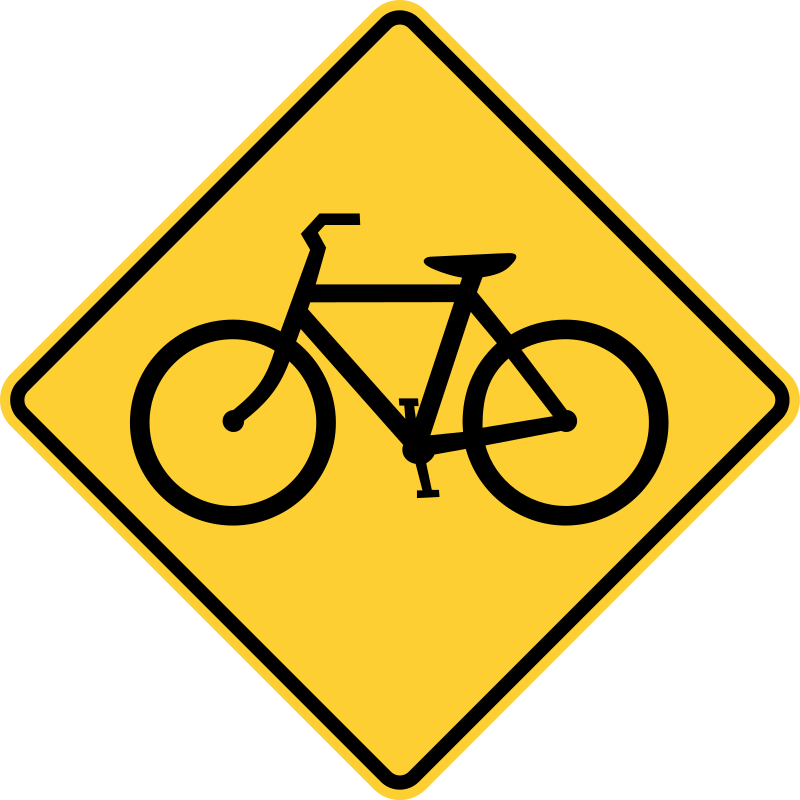 This road sign means:
A
Yield right-of-way to bicycles
B
Bicycles cross or ride beside traffic
C
Yield to motorcyles, but not to bicycles
D
Bicycles have the same rights as other vehicles
This traffic sign indicates: Bicycles cross or ride beside traffic. Observing and obeying all roadway signs ensures safe traffic flow and legal driving.
Question 26:
When you approach a railroad crossing, but you do not see a train. You must stop:
A
if a stop sign is posted.
B
if the crossing lights are flashing.
C
if a crossing gate is lowered.
D
All of the above.
All of the listed points are essential driving requirements: if a stop sign is posted; if the crossing lights are flashing; if a crossing gate is lowered. Practicing each ensures compliance with DMV safety laws.
Question 27:
Because many crashes happen when a vehicle is turning left, drivers should:
A
slow down gradually while checking the rear view mirror.
B
move into the left lane of a multilane road.
C
yield to oncoming vehicles, bicyclists and pedestrians.
D
All of the above.
All of the listed points are essential driving requirements: slow down gradually while checking the rear view mirror; move into the left lane of a multilane road; yield to oncoming vehicles, bicyclists and pedestrians. Practicing each ensures compliance with DMV safety laws.
Question 28:
Distracted driving:
A
causes the driver to react more slowly to hazards.
B
is only dangerous for inexperienced drivers.
C
usually causes the driver to drive slower.
D
is never dangerous.
The correct driving rule is: causes the driver to react more slowly to hazards. Following standard DMV road rules and practicing defensive driving ensures safety for all road users.
Question 29:
You may pass another vehicle:
A
when there is a solid yellow line on your side.
B
on a curve or a hill.
C
on the shoulder of the highway.
D
None of the above.
None of the provided options represent the legal or safe driving procedure. Always consult official DMV handbook guidelines for this scenario.
Question 30:
Road signs that point out scenic areas and parks are:
A
brown and white.
B
black and orange.
C
green and white.
The correct driving rule is: brown and white. Following standard DMV road rules and practicing defensive driving ensures safety for all road users.
Question 31:
You may park or stop along the shoulder of the freeway:
A
if you need to check your smartphone for directions.
B
only if you have an emergency.
C
if no part of your vehicle is on the road.
D
as long as you turn on your emergency flashers.
Under standard parking and curb regulations: only if you have an emergency. Following parking distance clearances keeps roadways unobstructed and emergency lanes accessible.
Question 32:
 This sign is used to warn drivers about:
A
road construction.
B
changes in traffic lanes.
C
curves ahead.
D
drowsy driving.
This traffic sign indicates: curves ahead. Observing and obeying all roadway signs ensures safe traffic flow and legal driving.
Question 33:
Road rage and aggressive driving may be caused by:
A
unsafe lane changes.
B
tailgating.
C
speeding.
D
All of the above.
All of the listed points are essential driving requirements: unsafe lane changes; tailgating; speeding. Practicing each ensures compliance with DMV safety laws.