Keeping a space cushion between you and the other vehicles around you is important because it:
A)gives you time to react to situations.
B)prevents distractions from other vehicles.
C)keeps other drivers alert.
D)keeps traffic flowing at a safe pace.
2.
An octagonal sign means that drivers must:
A)respect the posted speed limit.
B)come to a complete stop at the marked stop line.
C)be aware possible hazards ahead.
3.
Vehicle stopping distance never depends on:
A)the condition of your vehicle's brakes.
B)your own reaction time.
C)the time of day.
D)the condition and type of vehicle tires.
4.
When parking on a public road, drivers should:
A)move as far away from traffic as possible.
B)always park on the left side of the roadway.
C)All of the above.
5.
Highway markings:
A)provide information for drivers.
B)only apply to motorcycles.
C)are only found in school zones.
D)are usually red and blue in color.
6.
This road sign means:
A)School zone ahead
B)Pedestrians must not cross here
C)Pedestrian crossing ahead
7.
What should you do when another car is trying to pass you?
A)yield the right-of-way to the other driver.
B)speed up.
C)After checking for oncoming traffic, adjust your speed to allow safe passing.
D)pull off the road to allow safe passing.
8.
This road sign means:
A)Watch for bicycles
B)Bicycle parking ahead
C)Bicycles are not allowed in this area
9.
When driving in heavy rain, drivers should use:
A)parking lights.
B)low beam headlights.
C)high beam headlights.
10.
If the traffic lights are out of service when you approach an intersection, you:
A)must continue according to the rules of right-of-way.
B)must slow down and yield to oncoming traffic and pedestrians.
C)must come to a stop as you would for a stop sign.
D)must proceed with caution.
11.
__________ are blue with white letters and symbols.
A)Warning signs
B)Service signs
C)Destination signs (guide signs)
12.
A yellow arrow means:
A)Do not go in the direction of the arrow.
B)If you intend to turn in the direction of the arrow, be prepared to stop.
C)The same as a steady yellow light.
13.
This road sign means:
A)Railroad Crossing
B)One Way
C)Limited parking
14.
This is:
A)a side road sign.
B)a merging traffic sign.
C)a right curve sign.
15.
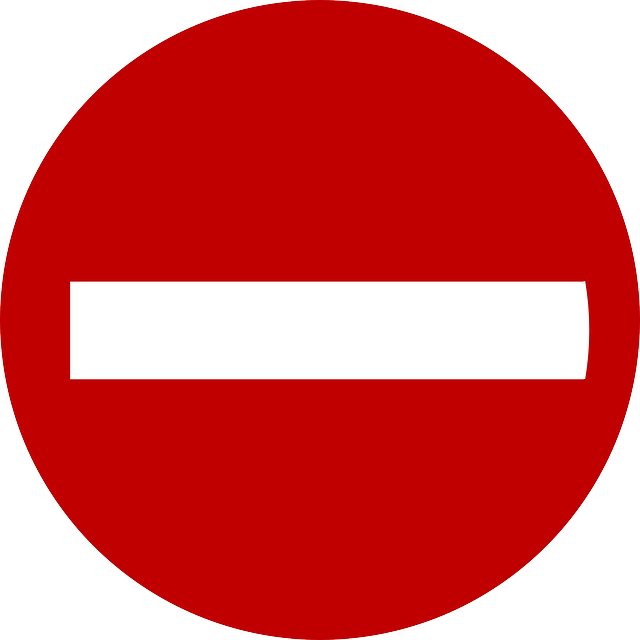
This sign indicates:
A)that you must not drive past this sign.
B)that you must yield the right-of-way.
C)the entrance to a construction site.
D)the entrance to a dead-end street.
16.
This sign warns drivers that:
A)the highway ahead is divided into two one-way roadways. Drivers should keep to the right.
B)there is a winding road ahead.
C)there is a double curve ahead.
17.
When driving in fog:
A)turn on your hazard lights.
B)do not drive over 10 MPH.
C)turn on your low beams.
D)drive the speed limit.
18.
Large trucks:
A)have large blind spots.
B)can stop quicker than passenger vehicles.
C)do not need more room to maneuver.
D)All of the above.
19.
What does it mean If an oncoming driver flashes headlights at you during a period of low visibility?
A)Your headlights are too bright. You should turn them off.
B)Your vehicle was difficult to see. You should turn on your headlights.
C)Your headlights are too bright. You should use parking lights instead.
20.
At intersections where two or more drivers stop at STOP signs at the same time and they are at right angles:
A)the driver on the left must yield to the driver on the right.
B)the driver who is late for work has the right-of-way.
C)the driver on the right must yield to the driver on the left.
21.
__________ limit(s) your concentration, perception, judgment, and memory.
A)Even the smallest amount of alcohol
B)Only a blood alcohol level greater than .05
C)Alcohol does not
D)Only a blood alcohol level greater than the legal limit
22.
If your wheels drop off the pavement onto the shoulder of the road, you should:
A)maintain your current speed and turn onto the pavement.
B)slow down and carefully turn back onto the pavement.
C)stop your car on the side of the road.
D)immediately come to a complete stop, then quickly turn back onto the pavement.
23.
You must pull over to the edge of the road and allow an emergency vehicle to pass:
A)only if the emergency vehicle is following you.
B)regardless of your direction.
C)only if the emergency vehicle is approaching.
D)None of the above.
24.
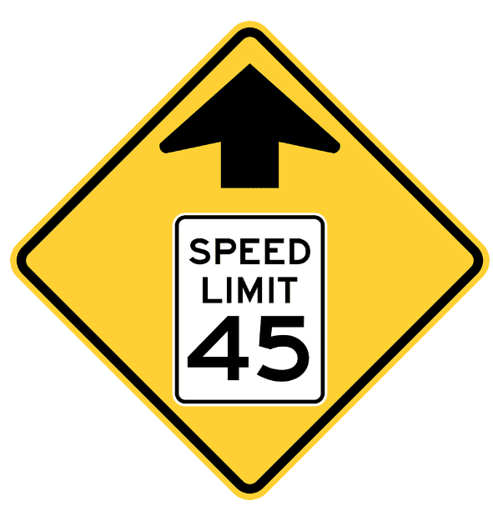
This warning sign:
A)provides advance notice to upcoming speed limit change.
B)shows the current speed limit that all vehicles traveling in the direction of the arrow must not exceed.
C)indicates the suggested highest safe speed.
25.
Regulation signs normally are:
A)white triangles.
B)green rectangles.
C)white rectangles.
26.
The traffic light is green and you want to drive straight through an intersection. If a car is already in the intersection and is making a turn, you must:
A)enter the intersection and then stop.
B)drive through the intersection. You have the right-of-way.
C)let that car complete its turn before you enter the intersection.
27.
When you pass another vehicle, before you return to the right lane, you must:
A)look at your interior rear-view mirror.
B)signal.
C)All of the above.
28.
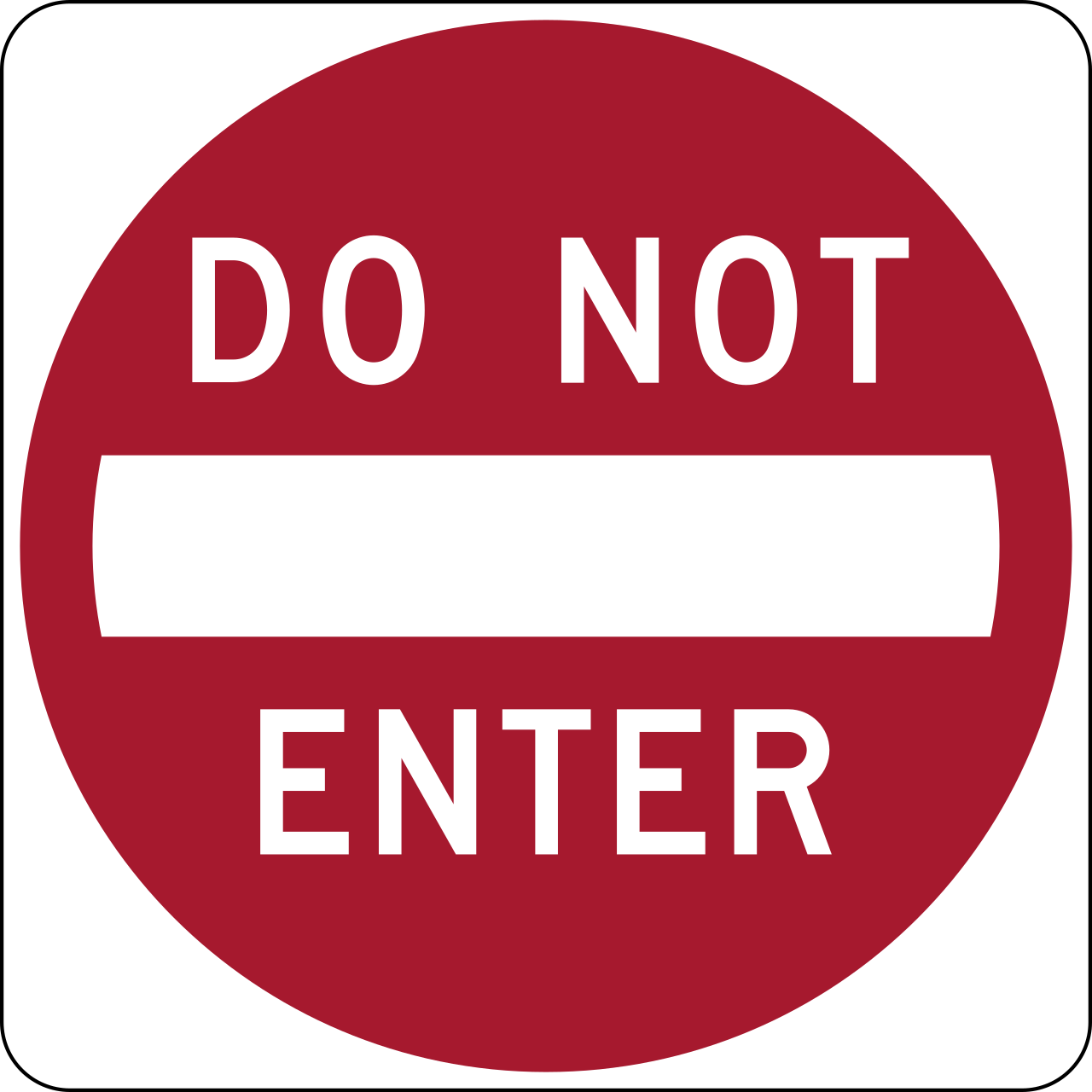
This road sign means:
A)No left turn
B)Lane ends
C)Do not enter
29.
Alcohol causes:
A)poor judgment.
B)loss of concentration.
C)reduced perception.
D)All of the above.
30.
You are entering a roadway from a private road, and you need to turn left. You have to yield to:
A)vehicles from the right.
B)vehicles from the left.
C)vehicles from both directions.
31.
What is the meaning of blue traffic signs?
A)A blue background indicates a regulatory sign.
B)They give directional information.
C)Blue indicates road user services.
32.
This road sign means:
A)Curves ahead
B)Divided highway ahead
C)Divided highway ends
33.
Drinking alcohol while taking drugs:
A)reduces the effects of the alcohol.
B)reduces the effects of the drug or medicine.
C)has no effect, they are different substances.
D)could multiply the effects of the alcohol.
ANSWER KEYCheck answers after completing the test.