Question 1:
What should you do as you prepare to turn right at an intersection?
A
Honk your horn.
B
Yield to bicyclists coming from the opposite direction.
C
Signal your turn, check for bicyclists, and do not turn directly in front of a bicyclist.
According to standard right-of-way regulations: signal your turn, check for bicyclists, and do not turn directly in front of a bicyclist. Yielding appropriately prevents intersection collisions and maintains safe traffic flow.
Question 2:
A road is likely to be most slippery:
A
when tire marks have been left by other vehicles.
B
in cold, dry weather.
C
when icy and the temperature is near freezing.
D
in spring.
For safe speed and stopping control: when icy and the temperature is near freezing. Adjusting speed to match visibility and road traction prevents loss of steering grip.
Question 3:
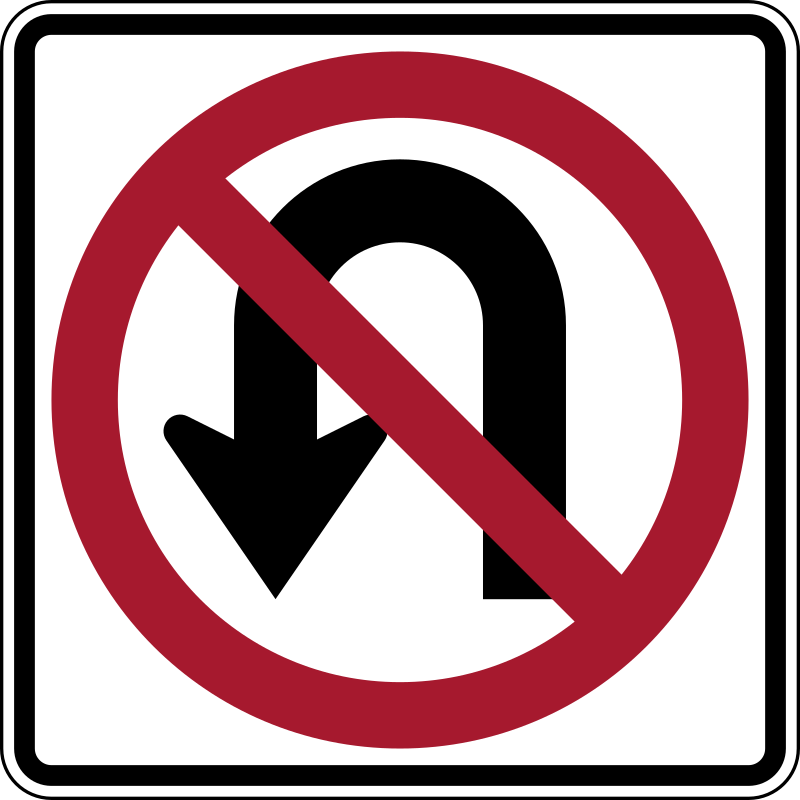 This road sign means:
A
No left turn
B
No U-turn
C
Detour ahead
This traffic sign indicates: No U-turn. Observing and obeying all roadway signs ensures safe traffic flow and legal driving.
Question 4:
If another car is in danger of hitting you, you should:
A
flash your brake lights.
B
sound your horn.
C
use your emergency lights.
D
flash your headlights.
The correct driving rule is: sound your horn. Following standard DMV road rules and practicing defensive driving ensures safety for all road users.
Question 5:
The amount of space you need to cross traffic depends on the:
A
road and weather conditions and oncoming traffic.
B
number of cars behind you.
C
presence of a yield sign.
D
number of cars in front of you.
The correct driving rule is: road and weather conditions and oncoming traffic. Following standard DMV road rules and practicing defensive driving ensures safety for all road users.
Question 6:
If you drink alcohol socially, what helps insure safe driving?
A
Stop drinking one hour before driving.
B
Drink coffee before driving.
C
Take a cold shower before driving.
D
Ride home with a friend who has not been drinking.
Under state DUI and traffic safety laws: Ride home with a friend who has not been drinking. Alcohol degrades judgment, slows reaction times, and distorts depth perception.
Question 7:
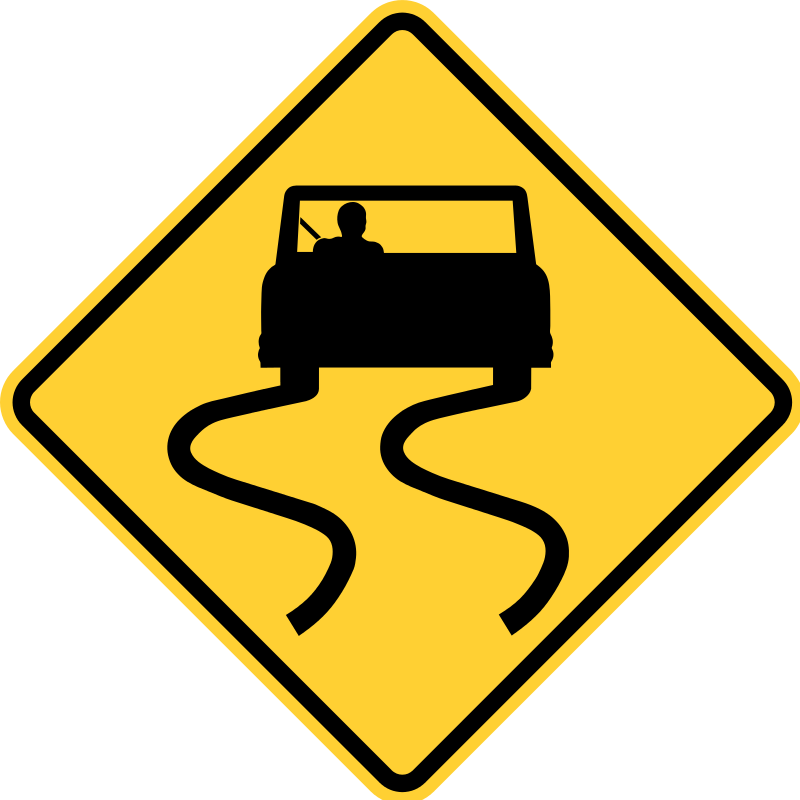 When they see this sign, drivers:
A
should be prepared to make sharp turns at a high speed.
B
need to be prepared to turn right and then left quickly.
C
should not speed up or brake quickly.
This traffic sign indicates: should not speed up or brake quickly. Observing and obeying all roadway signs ensures safe traffic flow and legal driving.
Question 8:
At a stop sign there is no stop line, you must stop:
A
before you enter the intersection.
B
before you enter the crosswalk.
C
after you enter the crosswalk.
The correct driving rule is: before you enter the crosswalk. Following standard DMV road rules and practicing defensive driving ensures safety for all road users.
Question 9:
Before backing up, you should:
A
get off the car to see if it is clear to proceed.
B
rely on your mirrors to see if it is clear to proceed.
C
turn your head and look through the rear window.
D
flash your headlights.
The correct driving rule is: turn your head and look through the rear window. Following standard DMV road rules and practicing defensive driving ensures safety for all road users.
Question 10:
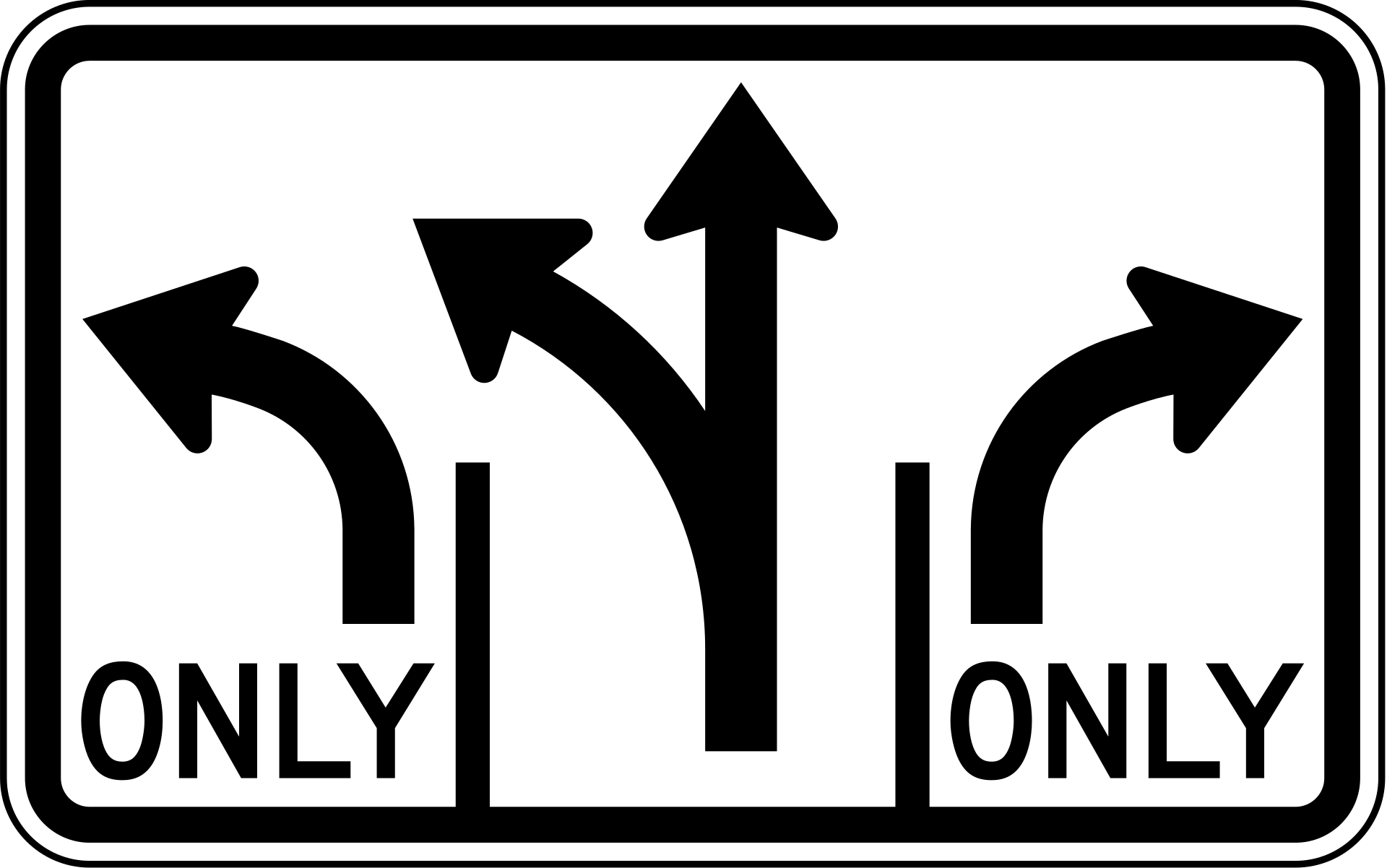 This regulatory sign tells drivers that:
A
traffic in the left lane must turn left at the intersection ahead.
B
all vehicles must turn left immediately.
C
traffic in the right lane must go straight.
This traffic sign indicates: traffic in the left lane must turn left at the intersection ahead. Observing and obeying all roadway signs ensures safe traffic flow and legal driving.
Question 11:
A good rule for passing is:
A
always remember to flash your lights and sound your horn to alert the other drivers that you are about to pass.
B
drive with the flow of traffic and pass only as needed.
C
pass on the right whenever possible.
D
try to get to the front of any line of slow moving traffic as soon as possible.
Defensive driving guidelines state that: drive with the flow of traffic and pass only as needed. Anticipating road hazards and communicating maneuvers keeps traffic predictable and safe.
Question 12:
The most common cause of traffic crashes is:
A
human error.
B
bad road conditions.
C
wet pavement.
D
bad weather.
The correct driving rule is: human error. Following standard DMV road rules and practicing defensive driving ensures safety for all road users.
Question 13:
If two vehicles arrive at a four-way stop at the same time:
A
both vehicles must stop.
B
the vehicle on the left must yield to the vehicle on the right.
C
the driver on the left must signal the driver on the right to go.
D
the vehicle on the right must yield to the vehicle on the left.
At an uncontrolled intersection or 4-way stop where vehicles arrive at the same time: the vehicle on the left must yield to the vehicle on the right. The driver on the left must always yield to the driver on the right.
Question 14:
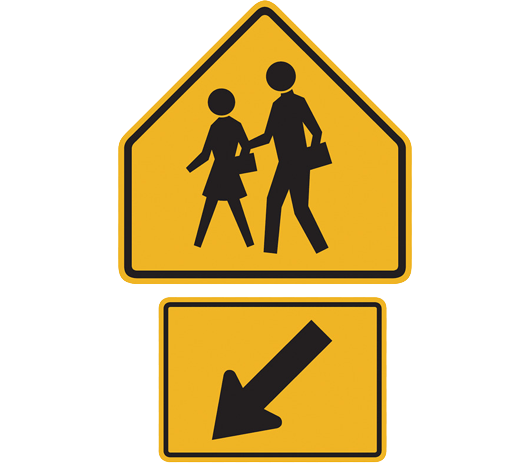 When they approach this sign, drivers must:
A
slow down and watch for children crossing the road.
B
obey signals from crossing guards.
C
stop if necessary.
D
All of the above.
This sign alerts drivers to several mandatory requirements: slow down and watch for children crossing the road, obey signals from crossing guards, stop if necessary. Obeying all posted traffic control instructions is required by law.
Question 15:
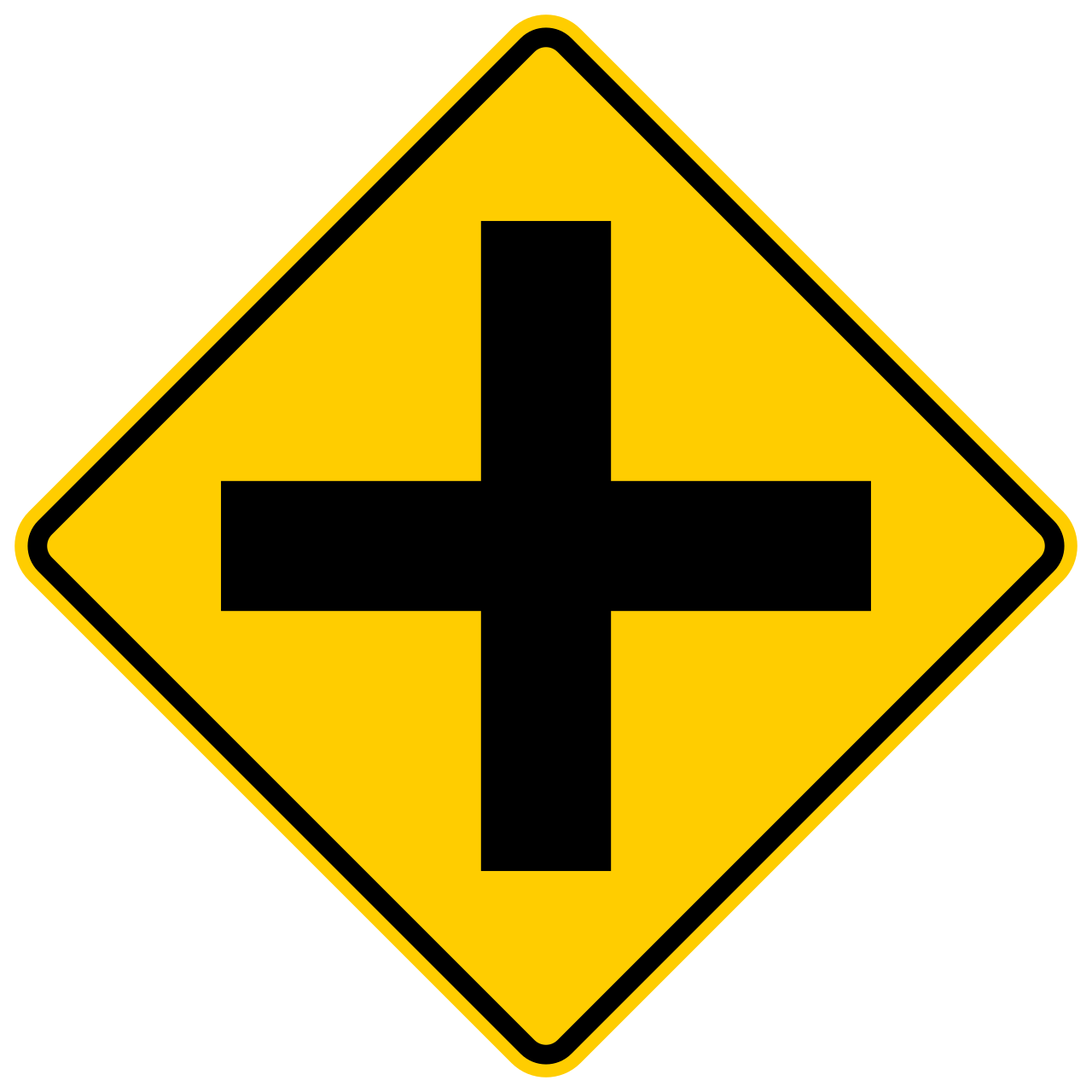 This road sign means:
A
Crossroads ahead
B
Side Road
C
Turn right or go through
D
Flagger ahead
This traffic sign indicates: Crossroads ahead. Observing and obeying all roadway signs ensures safe traffic flow and legal driving.
Question 16:
You are approaching an intersection when the signal turns yellow. You should:
A
speed up to get through the intersection before the red light comes on.
B
stop then enter the intersection when safe to do so.
C
slow down and proceed with caution through the intersection.
According to standard right-of-way regulations: stop then enter the intersection when safe to do so. Yielding appropriately prevents intersection collisions and maintains safe traffic flow.
Question 17:
A driver approaching a flashing red traffic signal must:
A
merge to the left.
B
stop before the intersection.
C
carefully drive through the intersection without stopping.
D
slow down at the traffic signal.
This traffic sign indicates: stop before the intersection. Observing and obeying all roadway signs ensures safe traffic flow and legal driving.
Question 18:
What is the meaning of red traffic signs?
A
High emphasis warning.
B
Stop, do not enter or wrong way.
C
Regulatory.
The correct driving rule is: Stop, do not enter or wrong way. Following standard DMV road rules and practicing defensive driving ensures safety for all road users.
Question 19:
A steady yellow light means:
A
Be prepared to stop for the red light.
B
Drive with caution.
C
Be prepared to go. The light will soon be green.
According to standard right-of-way regulations: Be prepared to stop for the red light. Yielding appropriately prevents intersection collisions and maintains safe traffic flow.
Question 20:
Who is most at risk?
A
Drivers who have overslept.
B
Drivers who are driving long distances without rest breaks.
C
Experienced drivers.
The correct driving rule is: drivers who are driving long distances without rest breaks. Following standard DMV road rules and practicing defensive driving ensures safety for all road users.
Question 21:
 A four-way stop sign means:
A
traffic from all four directions must stop.
B
if two vehicles reach the intersection at the same time, the driver on the left yields to the driver on the right.
C
All of the above.
This sign alerts drivers to several mandatory requirements: traffic from all four directions must stop, if two vehicles reach the intersection at the same time, the driver on the left yields to the driver on the right. Obeying all posted traffic control instructions is required by law.
Question 22:
Double solid yellow lines mean:
A
the lane to the right may pass.
B
passing is not permitted in either direction.
C
the lane to the left may pass.
D
passing is permitted in either direction.
The correct driving rule is: passing is not permitted in either direction. Following standard DMV road rules and practicing defensive driving ensures safety for all road users.
Question 23:
When you prepare to make a left turn from a one-way road into a two-way road, you must:
A
enter the two-way road to the left of its center line.
B
approach the turn in the right lane or from the right side of a single lane.
C
approach the turn in the left lane or from the left side of a single lane.
The correct driving rule is: approach the turn in the left lane or from the left side of a single lane. Following standard DMV road rules and practicing defensive driving ensures safety for all road users.
Question 24:
When driving near light rail vehicles, drivers should:
A
never drive around lowered crossing gates.
B
expect trains on any track at any time.
C
always obey signs and traffic signals.
D
All of the above.
All of the listed points are essential driving requirements: never drive around lowered crossing gates; expect trains on any track at any time; always obey signs and traffic signals. Practicing each ensures compliance with DMV safety laws.
Question 25:
When you need to change lanes, it is important to:
A
make sure the lane you are about to enter is clear.
B
signal your intentions ahead of time.
C
check your blind spots.
D
All of the above.
All of the listed points are essential driving requirements: make sure the lane you are about to enter is clear; signal your intentions ahead of time; check your blind spots. Practicing each ensures compliance with DMV safety laws.
Question 26:
Regulatory signs are:
A
Suggestions
B
Warnings
C
Law
The correct driving rule is: Law. Following standard DMV road rules and practicing defensive driving ensures safety for all road users.
Question 27:
When driving on roads that may be slippery:
A
do not make any sudden changes in direction or speed.
B
always drive at the highest speed allowed.
C
use cruise control to maintain a steady speed.
D
reduce your following distance.
For safe speed and stopping control: do not make any sudden changes in direction or speed. Adjusting speed to match visibility and road traction prevents loss of steering grip.
Question 28:
For protection, motorcyclists are required to:
A
keep their headlights and taillights on at all times.
B
signal turns, lane changes and stops.
C
wear approved helmets.
The correct driving rule is: wear approved helmets. Following standard DMV road rules and practicing defensive driving ensures safety for all road users.
Question 29:
What does a red arrow on a traffic light mean?
A
You may proceed slowly through the intersection.
B
You must stop and then proceed when the way is clear.
C
You may turn in the direction of the arrow.
D
You must stop. Do not go in the direction of the arrow until a green light or arrow light goes on.
The correct driving rule is: you must stop. Do not go in the direction of the arrow until a green light or arrow light goes on. Following standard DMV road rules and practicing defensive driving ensures safety for all road users.
Question 30:
 This sign warns drivers that:
A
there is a one lane bridge ahead.
B
the right lane ends.
C
the road ahead is narrow.
This traffic sign indicates: the right lane ends. Observing and obeying all roadway signs ensures safe traffic flow and legal driving.
Question 31:
 This road sign means:
A
Winding Road Ahead
B
No turns are allowed on this road
C
Right lane closed
D
Do Not Enter
This traffic sign indicates: Winding Road Ahead. Observing and obeying all roadway signs ensures safe traffic flow and legal driving.
Question 32:
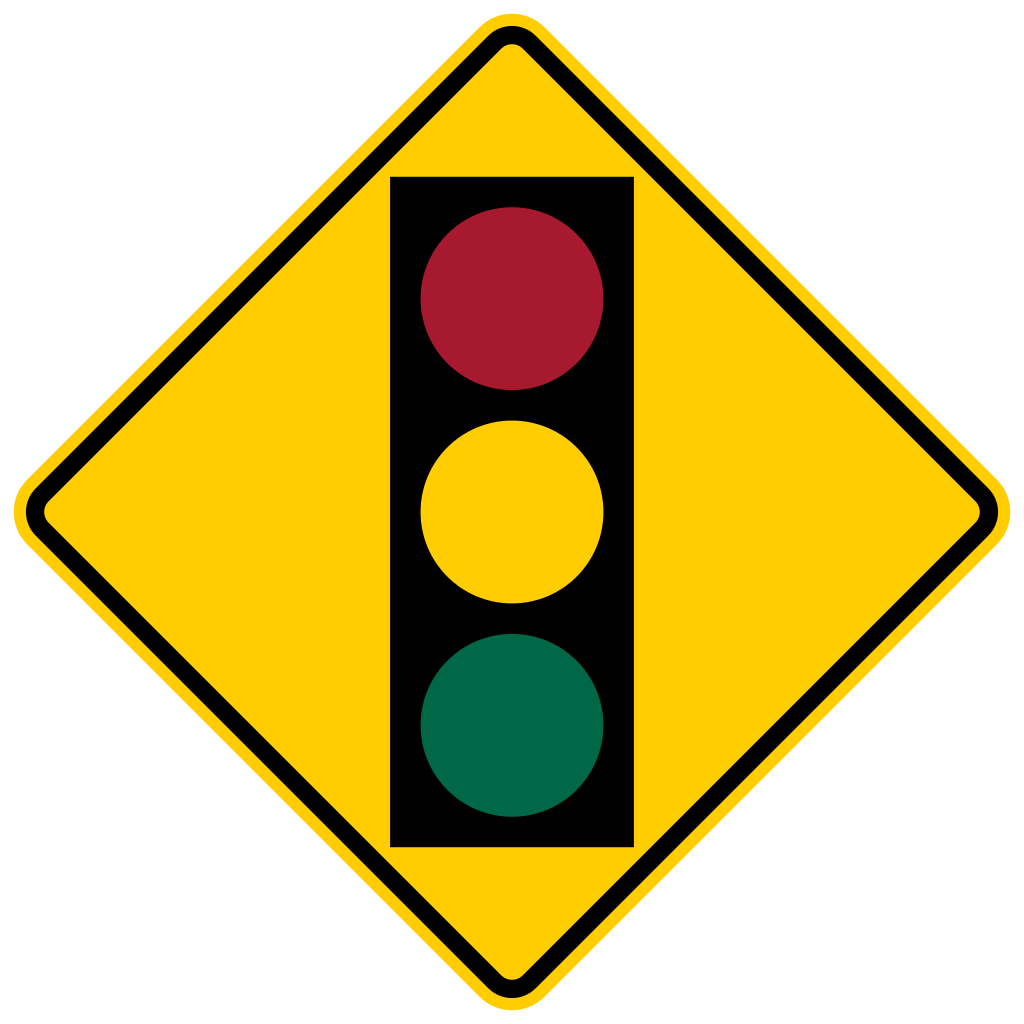 This sign means:
A
You must stop ahead
B
Railroad crossing ahead
C
No Passing Zone
D
There is a traffic signal ahead
This traffic sign indicates: There is a traffic signal ahead. Observing and obeying all roadway signs ensures safe traffic flow and legal driving.
Question 33:
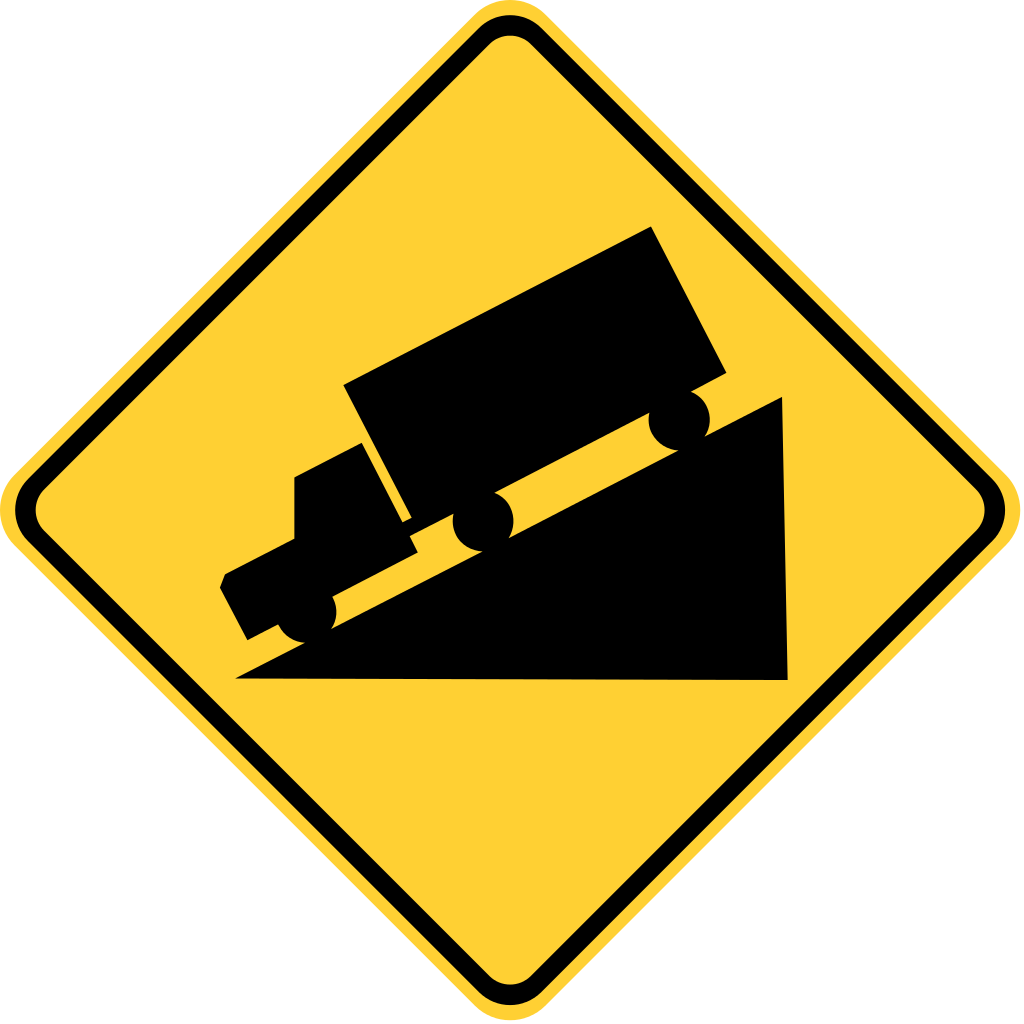 This sign warns of a ________ ahead.
A
hill
B
no passing zone
C
soft shoulder
This traffic sign indicates: hill. Observing and obeying all roadway signs ensures safe traffic flow and legal driving.