Question 1:
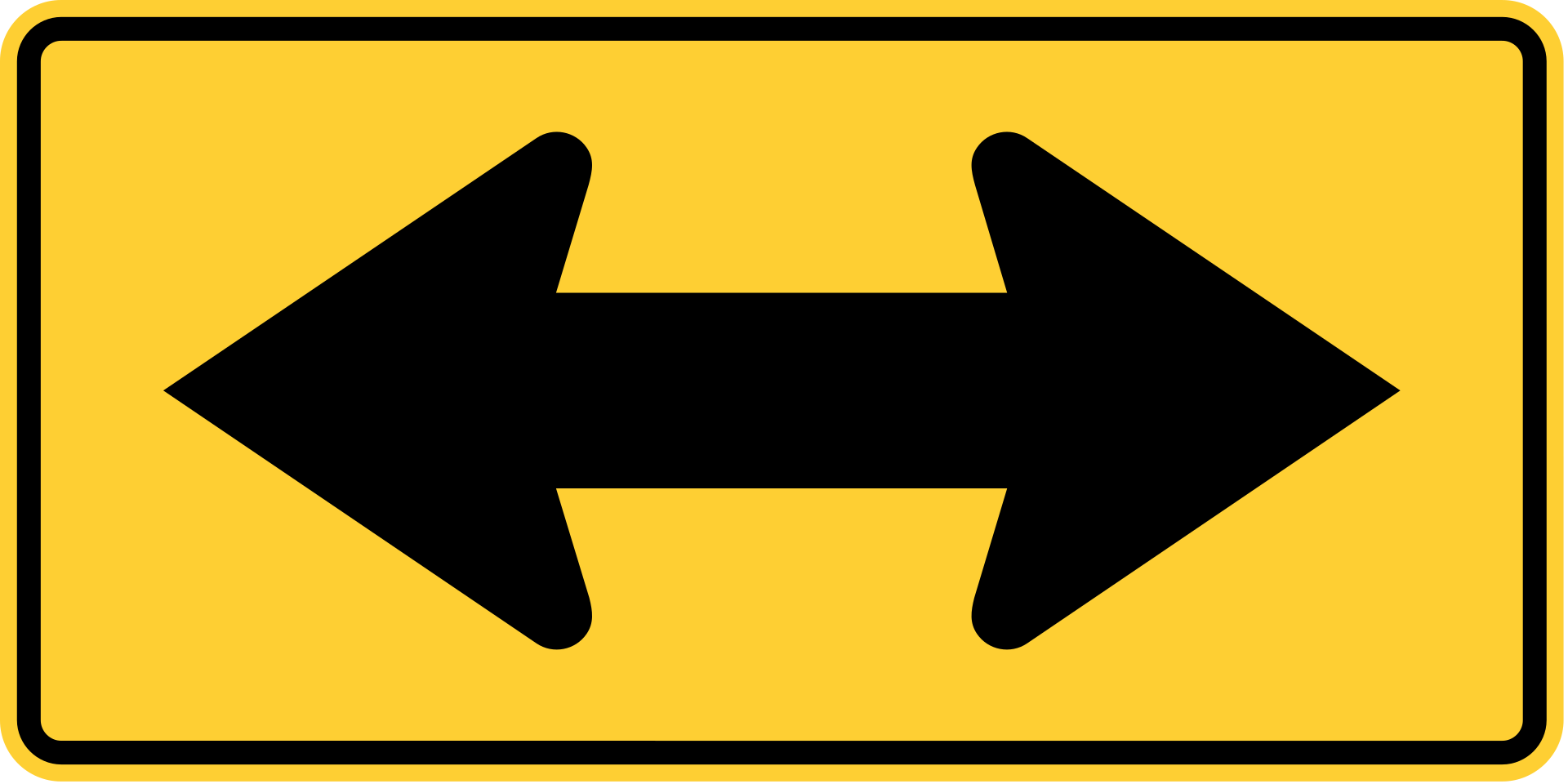 This sign tells drivers that:
A
left and right turns are not allowed.
B
a divided highway is ahead.
C
they cannot go straight ahead.
This traffic sign indicates: they cannot go straight ahead. Observing and obeying all roadway signs ensures safe traffic flow and legal driving.
Question 2:
 This sign warns drivers that:
A
they cannot go straight ahead.
B
they will soon be facing oncoming traffic.
C
a shared lane starts ahead.
This traffic sign indicates: they will soon be facing oncoming traffic. Observing and obeying all roadway signs ensures safe traffic flow and legal driving.
Question 3:
When approaching any intersection or driveway, drivers should:
A
look both ways and be ready to stop.
B
pass other vehicles and then stop.
C
drive at the fastest speed just before entering the intersection.
According to standard right-of-way regulations: look both ways and be ready to stop. Yielding appropriately prevents intersection collisions and maintains safe traffic flow.
Question 4:
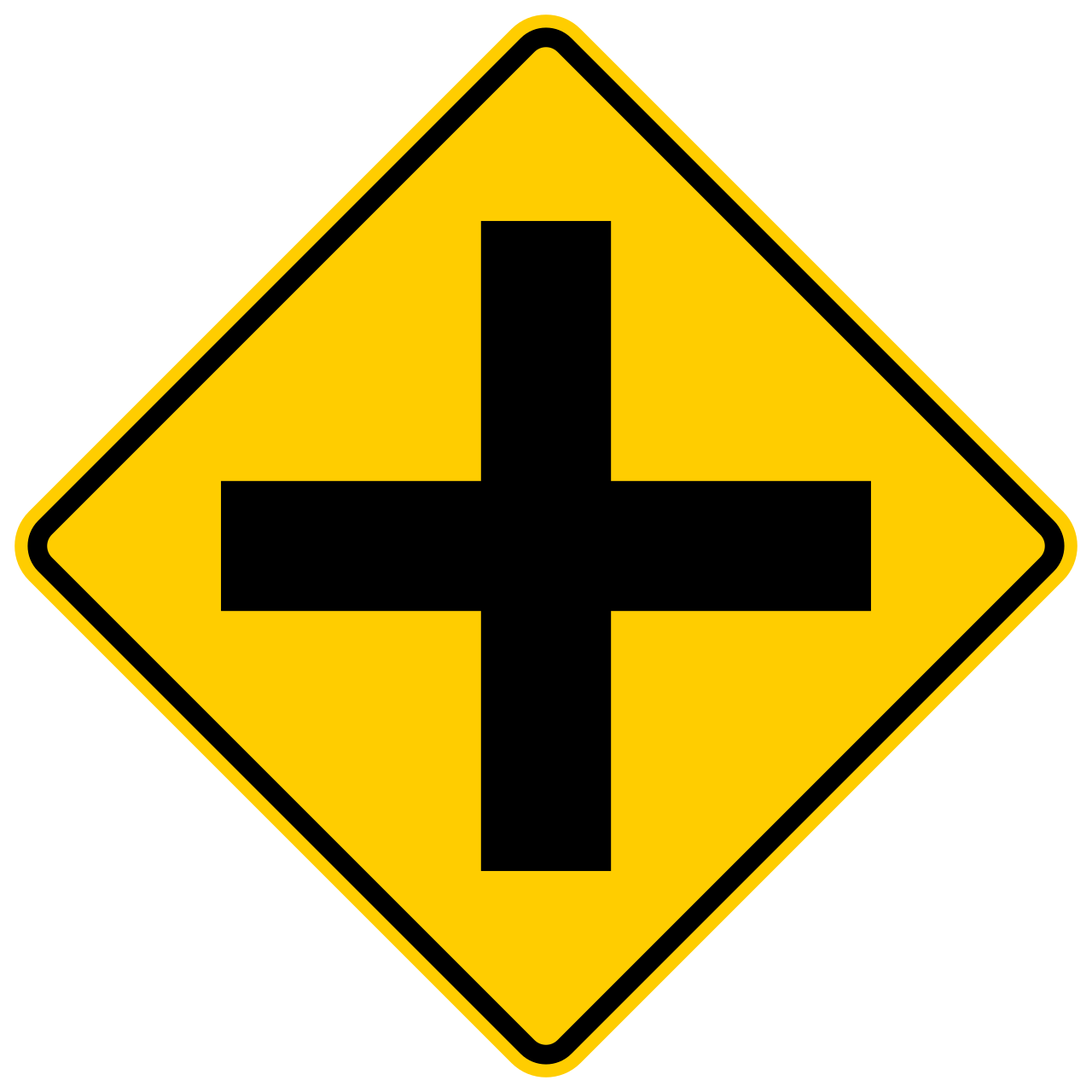 This road sign means:
A
Crossroad
B
Hospital parking ahead
C
Merge
This traffic sign indicates: Crossroad. Observing and obeying all roadway signs ensures safe traffic flow and legal driving.
Question 5:
On what three conditions does your blood alcohol content (BAC) depend?
A
Your weight. How much alcohol you drink. How much time passes between drinks.
B
Your weight. The type of beverage you drink. How fit you are.
C
Your height. How much alcohol you drink. The type of beverage you drink.
Under state DUI and traffic safety laws: Your weight. How much alcohol you drink. How much time passes between drinks. Alcohol degrades judgment, slows reaction times, and distorts depth perception.
Question 6:
What do warning signs mean?
A
Danger ahead.
B
Drivers are approaching a location where there is a special rule.
C
All of the above.
All of the listed points are essential driving requirements: Danger ahead; Drivers are approaching a location where there is a special rule. Practicing each ensures compliance with DMV safety laws.
Question 7:
What happens if two vehicles reach at the same time an intersection with four-way stop signs?
A
The driver on the right yields to the driver on the left.
B
The driver on the left yields to the driver on the right.
C
The first vehicle to reach the intersection must yield.
At an uncontrolled intersection or 4-way stop where vehicles arrive at the same time: The driver on the left yields to the driver on the right. The driver on the left must always yield to the driver on the right.
Question 8:
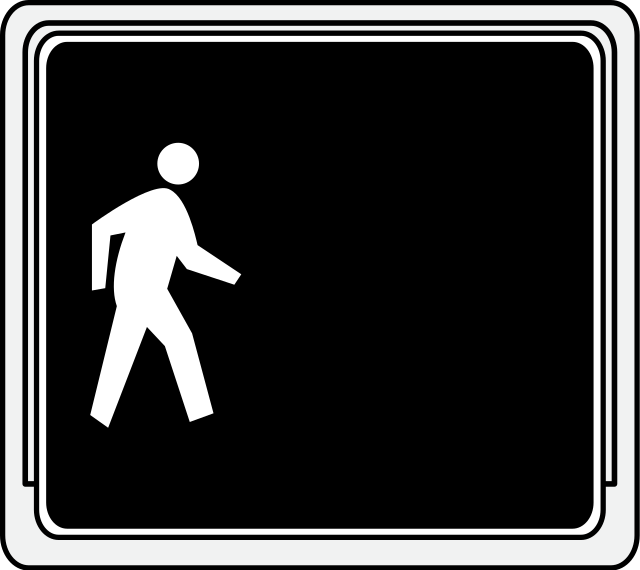 What does the pictured signal indicate?
A
A pedestrian may begin crossing the street.
B
Pedestrians may turn right.
C
A pedestrian may not not begin crossing the street.
State laws require signaling your intention: A pedestrian may begin crossing the street. Signal at least 100 feet before making a turn or changing lanes.
Question 9:
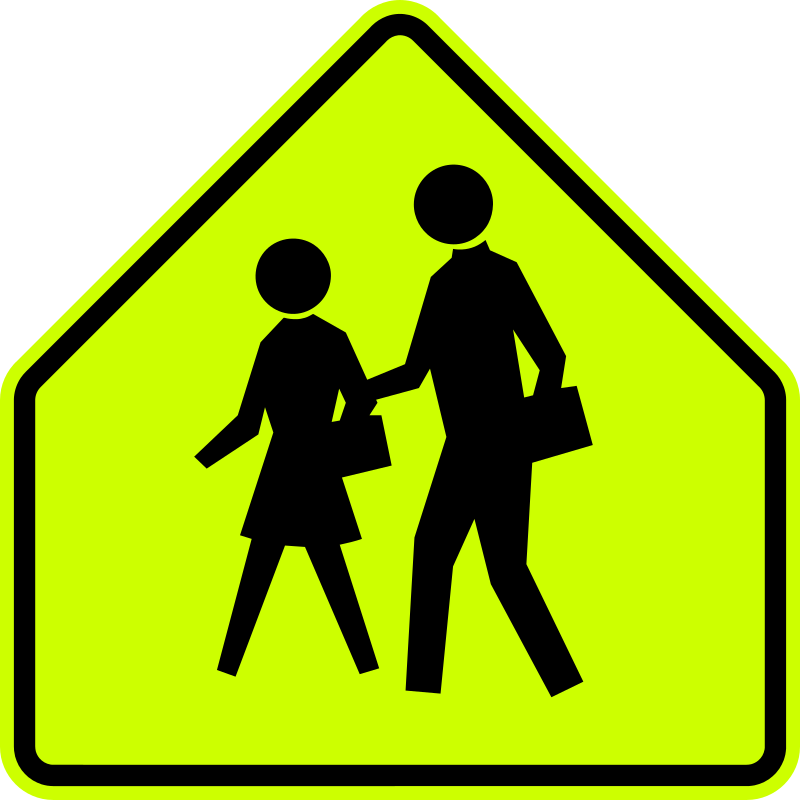 This sign means:
A
Business area nearby. Watch for business people.
B
There is a work zone ahead. Watch for workers.
C
The driver is near a school and should watch for children.
Pentagonal (5-sided) signs are exclusively reserved for school zones and school crossings: The driver is near a school and should watch for children. Drivers must reduce speed and yield right-of-way to all crossing children.
Question 10:
As your speed increases it is most important to:
A
drive with both hands on steering wheel.
B
maintain a constant speed.
C
look farther ahead.
For safe speed and stopping control: look farther ahead. Adjusting speed to match visibility and road traction prevents loss of steering grip.
Question 11:
The first thing affected after drinking alcohol is:
A
balance.
B
judgment.
C
speech.
Under state DUI and traffic safety laws: judgment. Alcohol degrades judgment, slows reaction times, and distorts depth perception.
Question 12:
What does BAC stand for?
A
Blood Alcohol Commission
B
Blood Alcohol Concentration
C
Blood Alcohol Content
Under state DUI and traffic safety laws: Blood Alcohol Concentration. Alcohol degrades judgment, slows reaction times, and distorts depth perception.
Question 13:
When passing another vehicle, you should return to your lane if:
A
you have passed the other vehicle’s front bumper.
B
you are at least 25 feet in front of the passed vehicle.
C
you can see both headlights in the rearview mirror.
Defensive driving guidelines state that: you can see both headlights in the rearview mirror. Anticipating road hazards and communicating maneuvers keeps traffic predictable and safe.
Question 14:
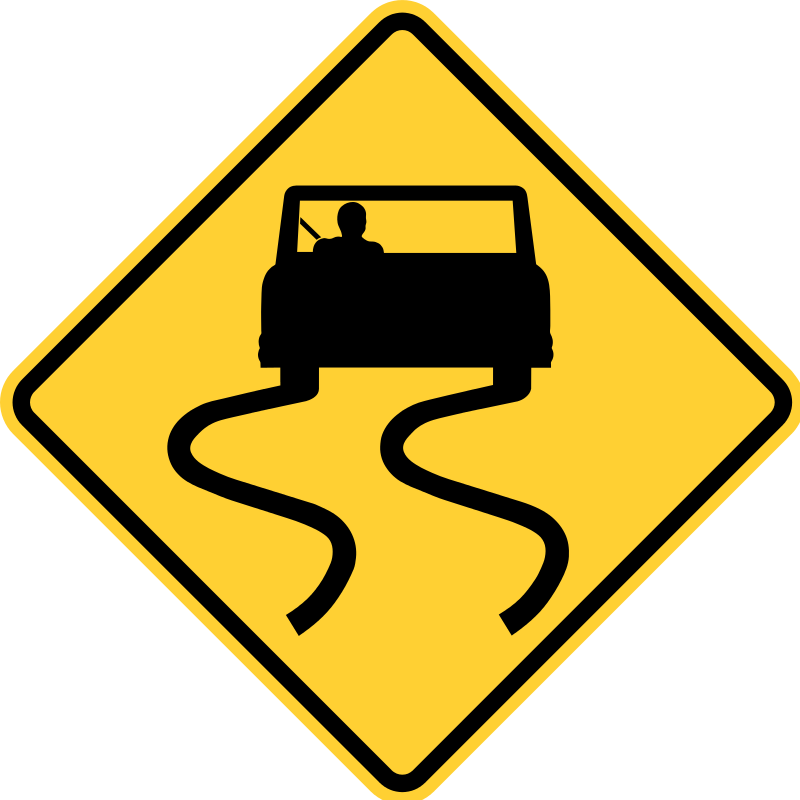 This road sign means:
A
Winding road
B
Side road ahead
C
Slippery when wet
This traffic sign indicates: Slippery when wet. Observing and obeying all roadway signs ensures safe traffic flow and legal driving.
Question 15:
If the roadway is wet, you should:
A
increase your speed.
B
reduce your speed.
C
maintain the same speed.
The correct driving rule is: reduce your speed. Following standard DMV road rules and practicing defensive driving ensures safety for all road users.
Question 16:
Unlike passenger cars, trucks have blind spots:
A
on the right.
B
directly behind them.
C
on the front.
The correct driving rule is: directly behind them. Following standard DMV road rules and practicing defensive driving ensures safety for all road users.
Question 17:
 This road sign means:
A
Merge right
B
Stop sign ahead
C
Reduction in lanes
This traffic sign indicates: Reduction in lanes. Observing and obeying all roadway signs ensures safe traffic flow and legal driving.
Question 18:
When parking downhill:
A
turn your wheels away from the side of the road.
B
turn your wheels towards the side of the road.
C
keep your wheels straight.
When parking downhill (with or without a curb): turn your wheels towards the side of the road. Turn front wheels toward the curb or road edge (right) so the vehicle rolls safely off the roadway if it slips.
Question 19:
What is the only effective method to reduce your BAC?
A
Eating before or while you drink.
B
Not drinking over a period of time.
C
Drinking coffee.
Under state DUI and traffic safety laws: Not drinking over a period of time. Alcohol degrades judgment, slows reaction times, and distorts depth perception.
Question 20:
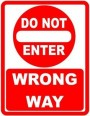 This road sign means:
A
Drivers may proceed if the way is clear
B
Drivers are about to enter a one way street the wrong way
C
U-turns are prohibited
This traffic sign indicates: drivers are about to enter a one way street the wrong way. Observing and obeying all roadway signs ensures safe traffic flow and legal driving.
Question 21:
If traffic on the other side of an intersection is backed up and you cannot get completely through, you must:
A
enter the intersection and try to avoid blocking it.
B
enter the intersection and proceed with caution.
C
wait until traffic ahead is clear.
According to standard right-of-way regulations: wait until traffic ahead is clear. Yielding appropriately prevents intersection collisions and maintains safe traffic flow.
Question 22:
 The yield sign means:
A
Go. The light will soon be red.
B
If the way is clear, you may move forward slowly without stopping.
C
Stop if you can.
A triangular Yield sign requires drivers to slow down and give right-of-way to other traffic: If the way is clear, you may move forward slowly without stopping. Proceed only when there is a safe opening.
Question 23:
A curb painted red means:
A
No parking or stopping
B
Parking is for disabled persons with a special placard or plate.
C
Reserved for passengers pick up or drop off
Under standard parking and curb regulations: No parking or stopping. Following parking distance clearances keeps roadways unobstructed and emergency lanes accessible.
Question 24:
This road sign means:
A
Right lane ends
B
Highway entrance ramp ahead
C
Left lane widens
This traffic sign indicates: Right lane ends. Observing and obeying all roadway signs ensures safe traffic flow and legal driving.
Question 25:
Which of the following is a common cause of traffic collisions?
A
Scanning the road ahead and staying focused on the driving task.
B
Driving too fast for conditions.
C
Pedestrians being key participants in the transportation system.
The correct driving rule is: Driving too fast for conditions. Following standard DMV road rules and practicing defensive driving ensures safety for all road users.
Question 26:
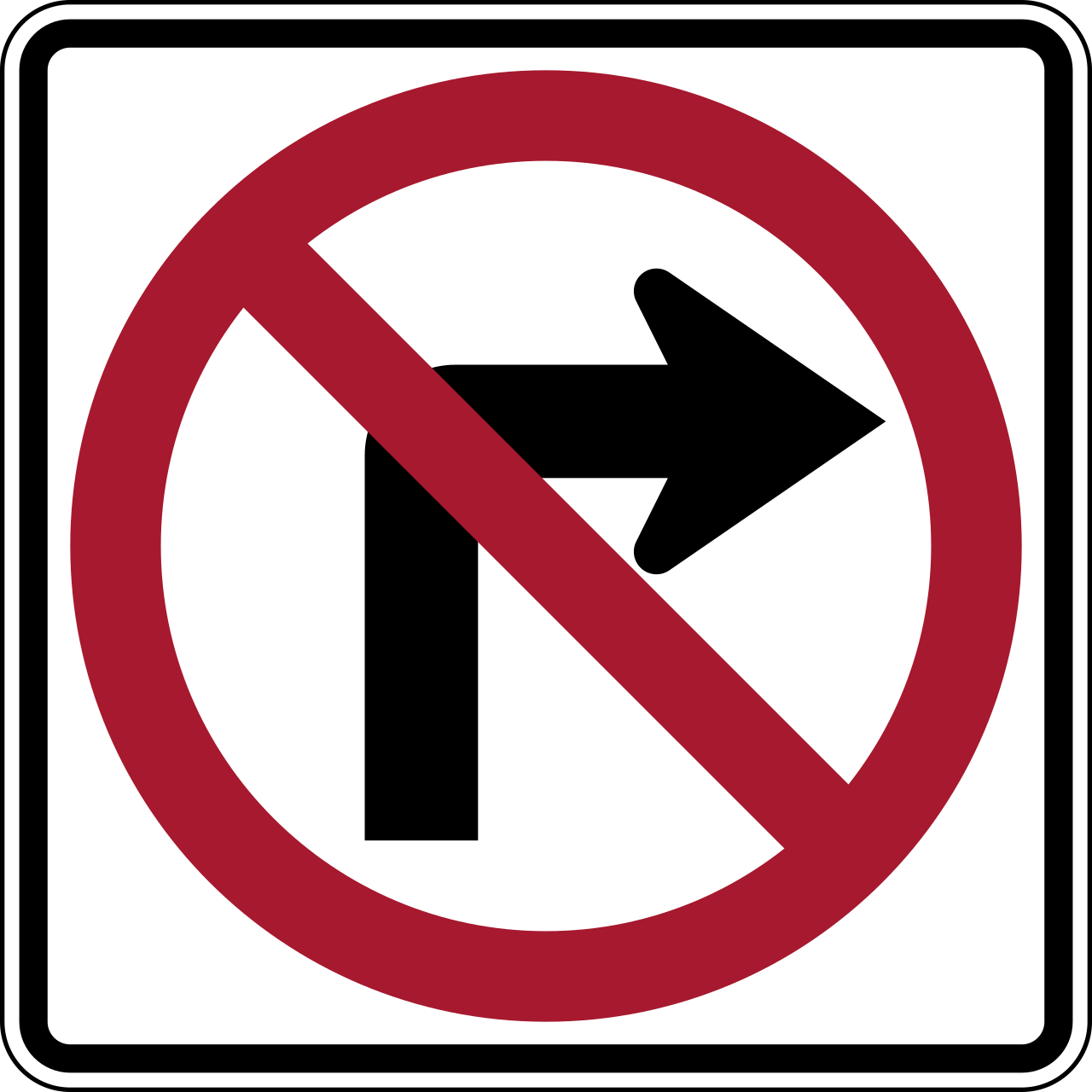 This road sign means:
A
No left turn
B
No right turn
C
No U-turns
This traffic sign indicates: No right turn. Observing and obeying all roadway signs ensures safe traffic flow and legal driving.
Question 27:
Roads are most slippery:
A
just before it rains.
B
when it stops raining.
C
when it first starts to rain.
For safe speed and stopping control: when it first starts to rain. Adjusting speed to match visibility and road traction prevents loss of steering grip.
Question 28:
When driving in work zones you should:
A
gradually come to a complete stop and wait for a flagger to guide traffic safely through the work zone.
B
tailgate the vehicle ahead.
C
carefully watch for workers and moving equipment.
The correct driving rule is: carefully watch for workers and moving equipment. Following standard DMV road rules and practicing defensive driving ensures safety for all road users.
Question 29:
What should you do if one of your tires blows out?
A
Hold the steering wheel tight and brake immediately to avoid the risk of skidding.
B
Leave the road immediately.
C
Hold the steering wheel tight and slowly take your foot off the gas pedal.
The correct driving rule is: Hold the steering wheel tight and slowly take your foot off the gas pedal. Following standard DMV road rules and practicing defensive driving ensures safety for all road users.
Question 30:
If an intersection has crosswalk lines but no STOP line, where must you stop for a red light?
A
After the crosswalk.
B
Before the stop line.
C
Before the crosswalk.
Drivers must always yield the right-of-way to pedestrians crossing at intersections and crosswalks: Before the crosswalk. Stop and allow them to clear the lane safely.