Question 1:
Aggressive driving behaviors can include:
A
excessive following distance.
B
erratic lane changes.
C
a tendency to drive slow.
The correct driving rule is: erratic lane changes. Following standard DMV road rules and practicing defensive driving ensures safety for all road users.
Question 2:
The road is the most slippery:
A
when it first starts to rain.
B
after it rains.
C
All of the above.
For safe speed and stopping control: when it first starts to rain. Adjusting speed to match visibility and road traction prevents loss of steering grip.
Question 3:
If it safe to do so, you can pass a vehicle ahead when:
A
you are on a hill or curve.
B
there is a broken line on your side of the road.
C
there is a solid line on your side of the road.
The correct driving rule is: there is a broken line on your side of the road. Following standard DMV road rules and practicing defensive driving ensures safety for all road users.
Question 4:
When passing a vehicle, it is safe to return to your lane when:
A
you look over your shoulder and see no vehicle behind you.
B
you can see both headlights of the vehicle you passed in your rearview mirror.
C
the driver you just passed signals you over.
Defensive driving guidelines state that: you can see both headlights of the vehicle you passed in your rearview mirror. Anticipating road hazards and communicating maneuvers keeps traffic predictable and safe.
Question 5:
When turning, drivers should:
A
always move to the right lane.
B
check traffic in all directions.
C
increase their speed to improve stability.
The correct driving rule is: check traffic in all directions. Following standard DMV road rules and practicing defensive driving ensures safety for all road users.
Question 6:
To drive defensively, you must:
A
anticipate errors by other drivers.
B
assume that a driver who approaches a STOP sign on a side road is actually going to stop.
C
not check behind you through your mirrors.
The correct driving rule is: anticipate errors by other drivers. Following standard DMV road rules and practicing defensive driving ensures safety for all road users.
Question 7:
If the driver of an oncoming vehicle fails to dim the lights, you should look:
A
toward the right side of the road.
B
toward the center of the roadway.
C
straight ahead.
The correct driving rule is: toward the right side of the road. Following standard DMV road rules and practicing defensive driving ensures safety for all road users.
Question 8:
Never make a U-turn from:
A
the lane you’re in.
B
the right lane.
C
the left part of the lane nearest to the centerline of the roadway.
According to standard right-of-way regulations: the right lane. Yielding appropriately prevents intersection collisions and maintains safe traffic flow.
Question 9:
Drivers should adjust their rearview and side mirrors:
A
whenever they need to use them.
B
before they get into the car.
C
before they start driving.
The correct driving rule is: before they start driving. Following standard DMV road rules and practicing defensive driving ensures safety for all road users.
Question 10:
When a school bus is picking up or dropping off children, you must:
A
slow down and pass the bus with caution.
B
stop if you are driving in the same direction.
C
stop regardless of your direction of travel.
When a school bus displays flashing red lights and extended stop sign: stop regardless of your direction of travel. Traffic in both directions must come to a full stop on undivided roads until children are clear.
Question 11:
A red traffic sign means?
A
Construction warning.
B
Railroad crossing.
C
Stop.
This traffic sign indicates: stop. Observing and obeying all roadway signs ensures safe traffic flow and legal driving.
Question 12:
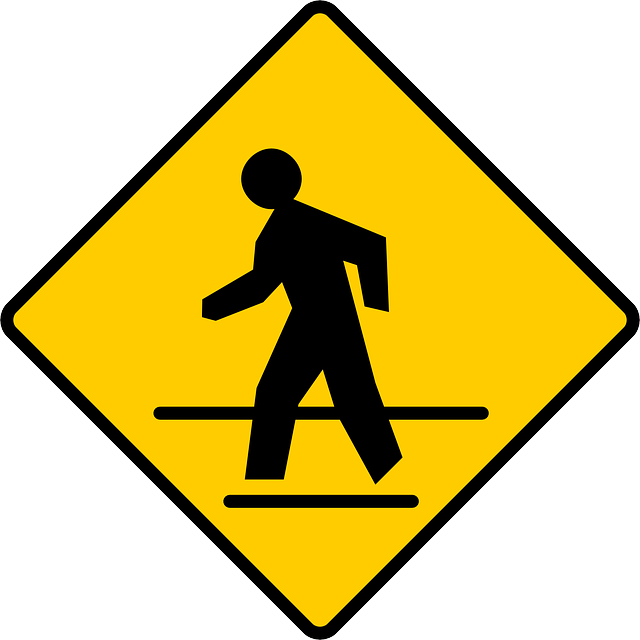 This road sign means:
A
School zone ahead
B
Pedestrians must not cross here
C
Pedestrian crossing ahead
This traffic sign indicates: Pedestrian crossing ahead. Observing and obeying all roadway signs ensures safe traffic flow and legal driving.
Question 13:
 This yellow sign means:
A
Lane ends ahead
B
Undivided highway ahead
C
Merging traffic ahead
This traffic sign indicates: Merging traffic ahead. Observing and obeying all roadway signs ensures safe traffic flow and legal driving.
Question 14:
Roads with double solid yellow lines in the center indicate that passing is:
A
not allowed in either direction.
B
allowed only in your direction of travel.
C
allowed in both directions.
Defensive driving guidelines state that: not allowed in either direction. Anticipating road hazards and communicating maneuvers keeps traffic predictable and safe.
Question 15:
Which signs have black letters on a white background?
A
Warning signs (diamond)
B
Regulatory signs (vertical rectangle)
C
Guide signs (horizontal rectangle)
The correct driving rule is: Regulatory signs (vertical rectangle). Following standard DMV road rules and practicing defensive driving ensures safety for all road users.
Question 16:
Driving under the influence of any medication which impairs your driving ability is permitted:
A
under no circumstances.
B
if it is prescribed by a physician.
C
if you dont feel drowsy.
Under state DUI and traffic safety laws: under no circumstances. Alcohol degrades judgment, slows reaction times, and distorts depth perception.
Question 17:
A solid yellow line on your side of the center line means:
A
Stop
B
Pass with caution
C
Do not pass
The correct driving rule is: Do not pass. Following standard DMV road rules and practicing defensive driving ensures safety for all road users.
Question 18:
Roads are the most slippery:
A
the first rain after a dry spell.
B
after it has been raining for an hour or more.
C
for the first 2 hours of a rain storm.
For safe speed and stopping control: the first rain after a dry spell. Adjusting speed to match visibility and road traction prevents loss of steering grip.
Question 19:
Drivers under the age of 21 are subject to a specific restriction prohibiting them from driving:
A
before consuming alcohol.
B
with alcohol in their system.
C
before midnight.
The correct driving rule is: with alcohol in their system. Following standard DMV road rules and practicing defensive driving ensures safety for all road users.
Question 20:
Most signs used in street work areas are:
A
round.
B
diamond shaped.
C
rectangle shaped.
The correct driving rule is: diamond shaped. Following standard DMV road rules and practicing defensive driving ensures safety for all road users.
Question 21:
The best way to deal with tailgaters is to:
A
let them pass if it's safe to do so.
B
flash your brake lights.
C
always keep your eyes focused ahead of your car.
The correct driving rule is: let them pass if it's safe to do so. Following standard DMV road rules and practicing defensive driving ensures safety for all road users.
Question 22:
Speed limit signs are:
A
service signs
B
regulation signs (regulatory signs)
C
warning signs
For safe speed and stopping control: regulation signs (regulatory signs). Adjusting speed to match visibility and road traction prevents loss of steering grip.
Question 23:
Drivers turning left must yield to:
A
None of the above.
B
oncoming vehicles going straight.
C
oncoming vehicles turning left.
The correct driving rule is: oncoming vehicles going straight. Following standard DMV road rules and practicing defensive driving ensures safety for all road users.
Question 24:
Two solid yellow lines between lanes of traffic means:
A
neither side can pass.
B
the lanes are designed to carry traffic in one direction at certain times and in the opposite direction at other times.
C
passing is permitted on the left.
The correct driving rule is: neither side can pass. Following standard DMV road rules and practicing defensive driving ensures safety for all road users.
Question 25:
BAC is:
A
the acronym for Beer ACcumulation.
B
the number of ounces of alcohol in your blood.
C
the percentage of alcohol in your blood.
Under state DUI and traffic safety laws: the percentage of alcohol in your blood. Alcohol degrades judgment, slows reaction times, and distorts depth perception.
Question 26:
When driving in snow, you should:
A
use your cruise control if possible.
B
slowly increase your speed for better traction.
C
make speed and directional changes more gradually.
For safe speed and stopping control: make speed and directional changes more gradually. Adjusting speed to match visibility and road traction prevents loss of steering grip.
Question 27:
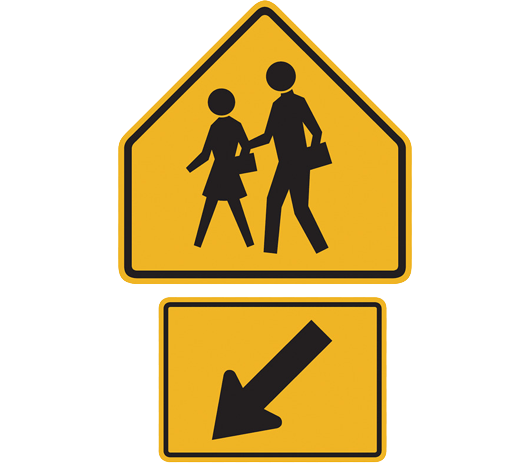 When you approach this sign, you must:
A
stop if necessary.
B
watch for workers crossing the road.
C
None of the above.
This traffic sign indicates: stop if necessary. Observing and obeying all roadway signs ensures safe traffic flow and legal driving.
Question 28:
Your BAC depends on:
A
how much alcohol you drink.
B
how much time passes between drinks.
C
All of the above.
Alcohol and impairing substances degrade all critical driving functions: how much alcohol you drink; how much time passes between drinks. Driving while impaired carries severe criminal and safety penalties.
Question 29:
 This road sign means:
A
Drive with caution and be ready to stop
B
Slow down or stop
C
You must come to a complete stop
An octagonal Stop sign requires a full and complete stop before the stop line or crosswalk: you must come to a complete stop. Proceed only after yielding to all cross traffic and pedestrians.
Question 30:
Which shape is a warning sign?
A
Diamond
B
Triangle
C
Pennant
This traffic sign indicates: Diamond. Observing and obeying all roadway signs ensures safe traffic flow and legal driving.