Question 1:
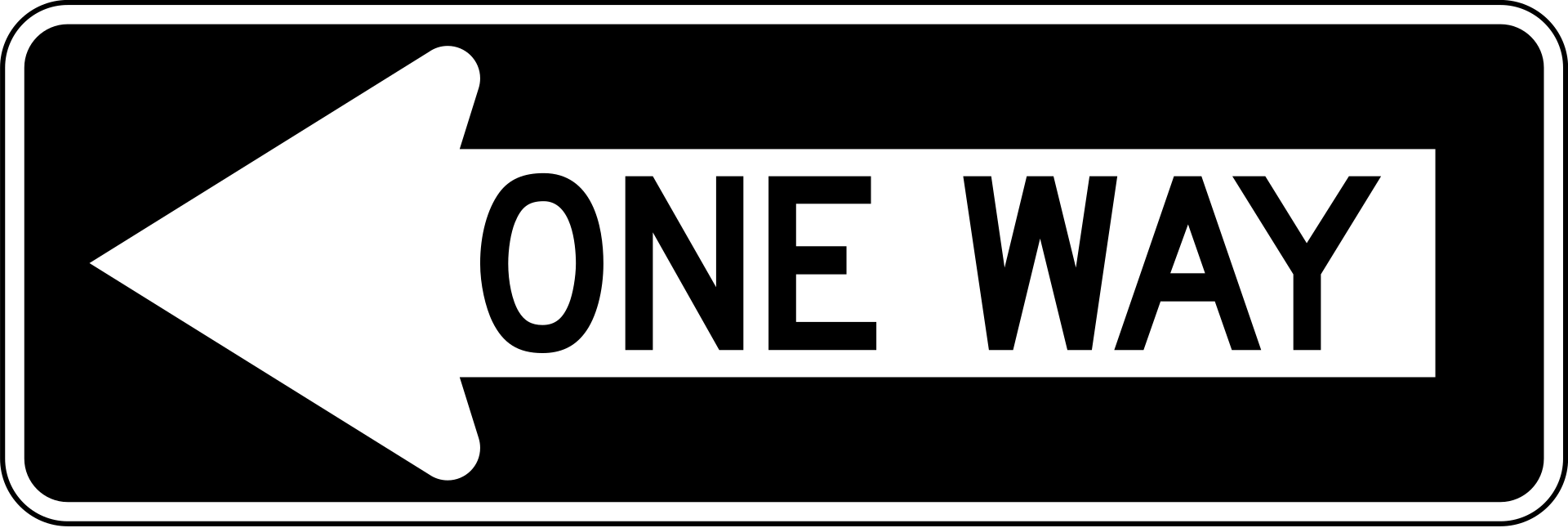 The ‘One Way’ sign means that:
A
only vehicles turning left may travel in the direction of the arrow.
B
there is only one road that turns left at the intersection.
C
drivers may travel only in the direction of the arrow.
This traffic sign indicates: drivers may travel only in the direction of the arrow. Observing and obeying all roadway signs ensures safe traffic flow and legal driving.
Question 2:
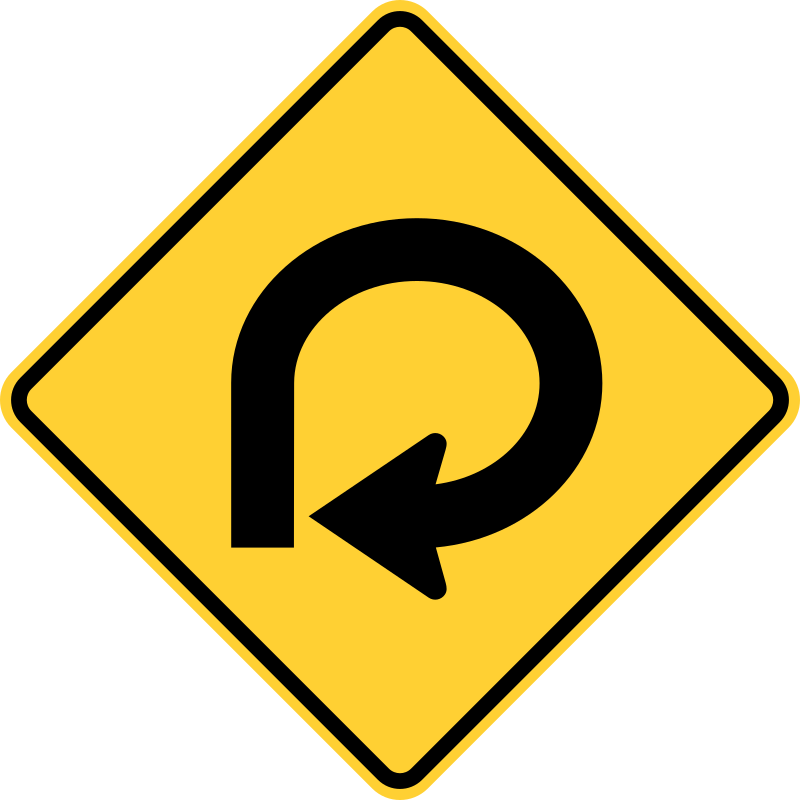 This sign means:
A
Roundabout ahead.
B
270 degree turn ahead.
C
Wrong way; Turn around immediately.
This traffic sign indicates: 270 degree turn ahead. Observing and obeying all roadway signs ensures safe traffic flow and legal driving.
Question 3:
An octagonal sign means that drivers must:
A
respect the posted speed limit.
B
come to a complete stop at the marked stop line.
C
be aware possible hazards ahead.
An octagonal Stop sign requires a full and complete stop before the stop line or crosswalk: come to a complete stop at the marked stop line. Proceed only after yielding to all cross traffic and pedestrians.
Question 4:
Front door windows on a vehicle may be tinted to no more than ____ light blockage.
A
50%
B
20%
C
65%
D
100%
The correct driving rule is: 65%. Following standard DMV road rules and practicing defensive driving ensures safety for all road users.
Question 5:
To help others know that you want to be an organ donor, you should:
A
fill out the organ donor form on the back of your license.
B
have two witnesses sign the back of your license.
C
inform the local police department of your decision.
D
All of the above.
All of the listed points are essential driving requirements: fill out the organ donor form on the back of your license; have two witnesses sign the back of your license; inform the local police department of your decision. Practicing each ensures compliance with DMV safety laws.
Question 6:
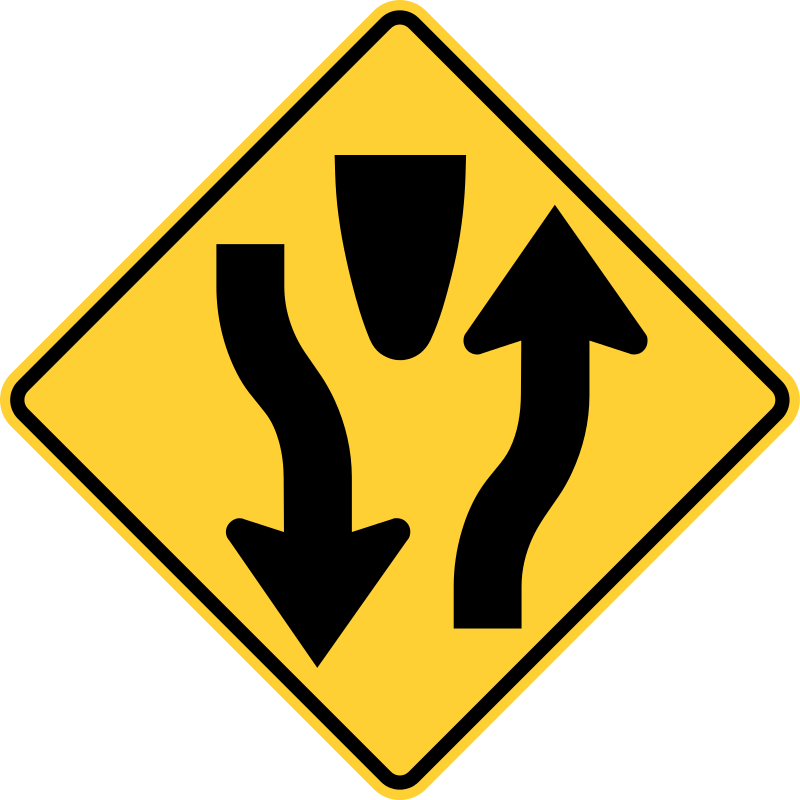 This road sign means:
A
Divided highway ahead
B
Merging traffic
C
Flagger ahead
This traffic sign indicates: Divided highway ahead. Observing and obeying all roadway signs ensures safe traffic flow and legal driving.
Question 7:
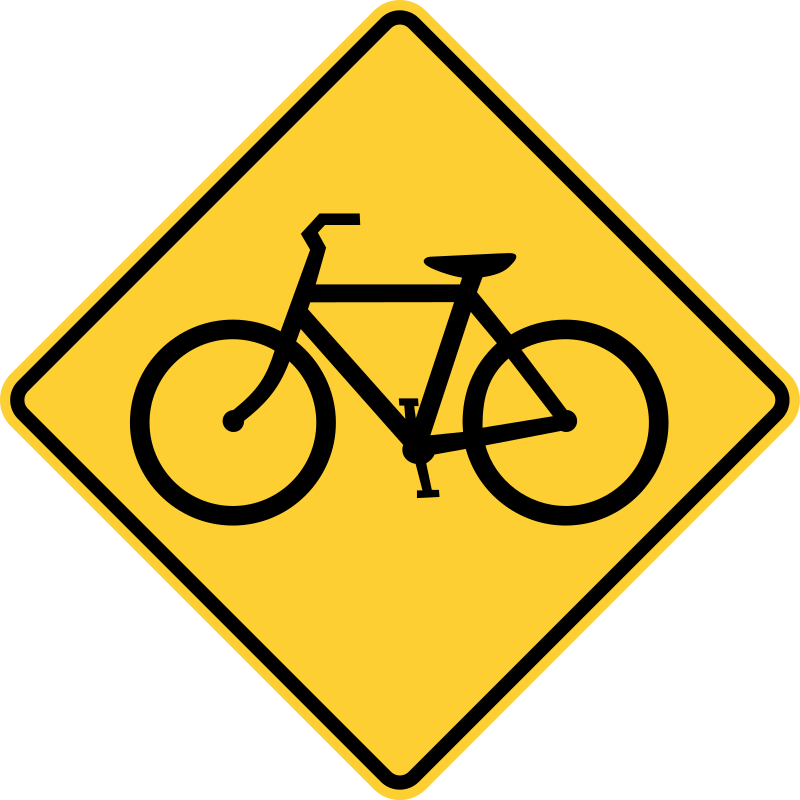 This road sign means:
A
Yield right-of-way to bicycles
B
Bicycles cross or ride beside traffic
C
Yield to motorcyles, but not to bicycles
D
Bicycles have the same rights as other vehicles
This traffic sign indicates: Bicycles cross or ride beside traffic. Observing and obeying all roadway signs ensures safe traffic flow and legal driving.
Question 8:
What is the slow moving vehicle symbol?
A
A reflective yellow diamond
B
A reflective white triangle
C
A reflective orange triangle
The correct driving rule is: A reflective orange triangle. Following standard DMV road rules and practicing defensive driving ensures safety for all road users.
Question 9:
Drivers with an intermediate license have the following driving restriction(s):
A
A driving curfew from 1 AM to 5 AM.
B
Seat belt must be worn by the driver.
C
Seat belts must be worn by all passengers.
D
All of the above.
All of the listed points are essential driving requirements: A driving curfew from 1 AM to 5 AM; Seat belt must be worn by the driver; Seat belts must be worn by all passengers. Practicing each ensures compliance with DMV safety laws.
Question 10:
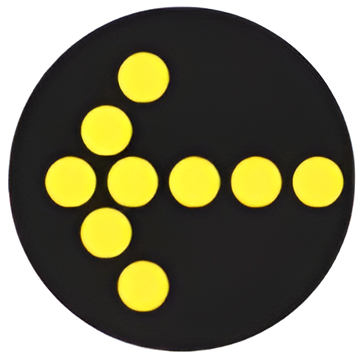 What does a flashing left yellow arrow mean?
A
Vehicles turning left must stop if they can. The light will soon be red.
B
Only right turns are allowed.
C
Left turns are allowed. Yield to oncoming traffic and pedestrians.
D
None of the above.
The correct driving rule is: Left turns are allowed. Yield to oncoming traffic and pedestrians. Following standard DMV road rules and practicing defensive driving ensures safety for all road users.
Question 11:
If a vehicle using high beams comes toward you, look towards __________ of the road.
A
either side
B
the center
C
the right side
D
the left side
The correct driving rule is: the right side. Following standard DMV road rules and practicing defensive driving ensures safety for all road users.
Question 12:
Aggressive driving includes:
A
quick lane changes without a signal.
B
chasing or challenging other drivers.
C
All of the above.
All of the listed points are essential driving requirements: quick lane changes without a signal; chasing or challenging other drivers. Practicing each ensures compliance with DMV safety laws.
Question 13:
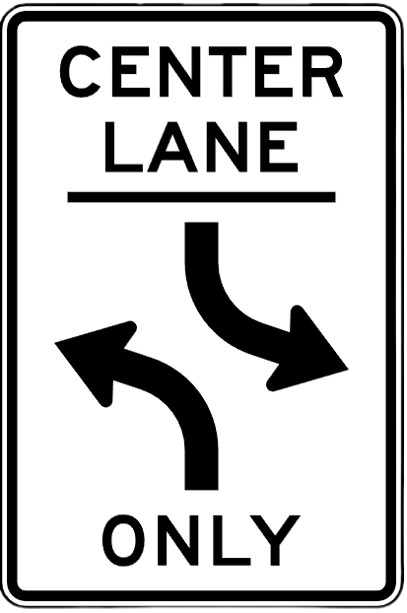 This road sign means:
A
Vehicles may only travel in the center lane.
B
The center lane is shared for left turns in both directions of travel.
C
The center lane in both directions of travel will soon turn left.
This traffic sign indicates: The center lane is shared for left turns in both directions of travel. Observing and obeying all roadway signs ensures safe traffic flow and legal driving.
Question 14:
 This road sign means:
A
Drive with caution and be ready to stop
B
Slow down or stop
C
You must come to a complete stop
An octagonal Stop sign requires a full and complete stop before the stop line or crosswalk: you must come to a complete stop. Proceed only after yielding to all cross traffic and pedestrians.
Question 15:
FACT stands for:
A
Fast Action Causes Trouble.
B
Failure to Appear in Court for Traffic violations.
C
Financial Aid Car Tools.
D
For Ambulances Called for Trauma.
The correct driving rule is: Failure to Appear in Court for Traffic violations. Following standard DMV road rules and practicing defensive driving ensures safety for all road users.
Question 16:
This road sign means:
A
Divided highway ahead - stay to the right
B
Do not enter
C
Do not pass
This traffic sign indicates: Divided highway ahead - stay to the right. Observing and obeying all roadway signs ensures safe traffic flow and legal driving.
Question 17:
Drivers can not pass a vehicle on the left if:
A
they approach the top of a hill on a two-way road and can not see over it.
B
they can not safely return to the right lane before they reach a solid yellow center line for the right lane.
C
All of the above.
All of the listed points are essential driving requirements: they approach the top of a hill on a two-way road and can not see over it; they can not safely return to the right lane before they reach a solid yellow center line for the right lane. Practicing each ensures compliance with DMV safety laws.
Question 18:
What is the only effective method to reduce your BAC?
A
Eating before or while you drink.
B
Not drinking over a period of time.
C
Drinking coffee.
Under state DUI and traffic safety laws: Not drinking over a period of time. Alcohol degrades judgment, slows reaction times, and distorts depth perception.
Question 19:
If an intersection has crosswalk lines but no STOP line, where must you stop for a red light?
A
After the crosswalk.
B
Before the stop line.
C
Before the crosswalk.
Drivers must always yield the right-of-way to pedestrians crossing at intersections and crosswalks: Before the crosswalk. Stop and allow them to clear the lane safely.
Question 20:
A thumping sound can be a warning:
A
that a tire blowout is about to occur.
B
of a steering failure.
C
of a brake failure.
The correct driving rule is: that a tire blowout is about to occur. Following standard DMV road rules and practicing defensive driving ensures safety for all road users.
Question 21:
Gauging the speed of a motorcycle may be difficult because:
A
motorcycles take up less of your field of vision.
B
motorcycles often slow down by downshifting.
C
many motorcyclists do not activate the brake light.
For safe speed and stopping control: motorcycles take up less of your field of vision. Adjusting speed to match visibility and road traction prevents loss of steering grip.
Question 22:
 This regulatory road sign indicates that:
A
Vehicles must slow down and stay in the right lane.
B
The right hand lane is reserved for buses and car-pool vehicles.
C
Slower vehicles traveling on multiple lane highways must stay in the right hand lane.
This traffic sign indicates: Slower vehicles traveling on multiple lane highways must stay in the right hand lane. Observing and obeying all roadway signs ensures safe traffic flow and legal driving.
Question 23:
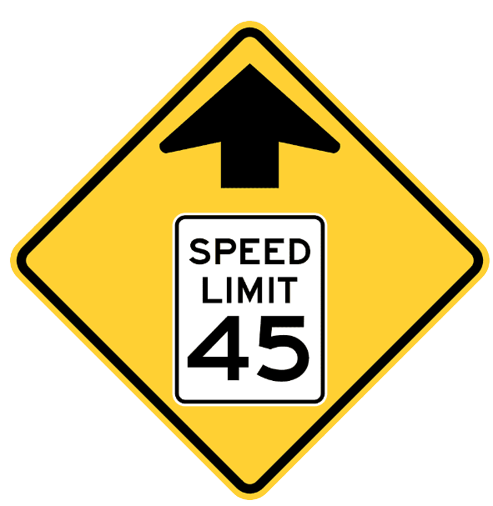 This warning sign:
A
provides advance notice to upcoming speed limit change.
B
shows the current speed limit that all vehicles traveling in the direction of the arrow must not exceed.
C
indicates the suggested highest safe speed.
This traffic sign indicates: provides advance notice to upcoming speed limit change. Observing and obeying all roadway signs ensures safe traffic flow and legal driving.
Question 24:
When driving at night with no other vehicles ahead, a driver should use:
A
high beam lights.
B
low-beam lights.
C
parking lights.
The correct driving rule is: high beam lights. Following standard DMV road rules and practicing defensive driving ensures safety for all road users.
Question 25:
If your brakes are wet, you can dry them by:
A
riding the pedal lightly.
B
pull over to the right and wait until it stops raining.
C
having them checked by a mechanic.
The correct driving rule is: riding the pedal lightly. Following standard DMV road rules and practicing defensive driving ensures safety for all road users.