Pregunta 1:
Al ingresar a una autopista desde una rampa de entrada, los conductores deben:
A
Entre lentamente para evitar otros vehículos.
B
deténgase primero y luego incorpórese gradualmente al tráfico.
C
acelerar a la velocidad del tráfico.
D
Conduzca por encima de la velocidad del tráfico para adelantarse.
Las pautas de conducción defensiva establecen que: acelere a la velocidad del tráfico. Anticipar los peligros en la carretera y comunicar las maniobras mantiene el tráfico predecible y seguro.
Pregunta 2:
Los conductores pueden cruzar líneas amarillas continuas:
A
en cualquier momento.
B
sólo para rebasar el tráfico que circula en la misma dirección.
C
al realizar giros.
D
sólo durante las horas del día.
La regla de conducción correcta es: al girar. Seguir las reglas de tránsito estándar del DMV y practicar la conducción defensiva garantiza la seguridad de todos los usuarios de la vía.
Pregunta 3:
¿Cuál es el significado de las señales de tráfico azules?
A
Un fondo azul indica una señal reglamentaria.
B
Dan información direccional.
C
El azul indica servicios para los usuarios de la vía.
La regla de conducción correcta es: El azul indica servicios a los usuarios de la vía. Seguir las reglas de tránsito estándar del DMV y practicar la conducción defensiva garantiza la seguridad de todos los usuarios de la vía.
Pregunta 4:
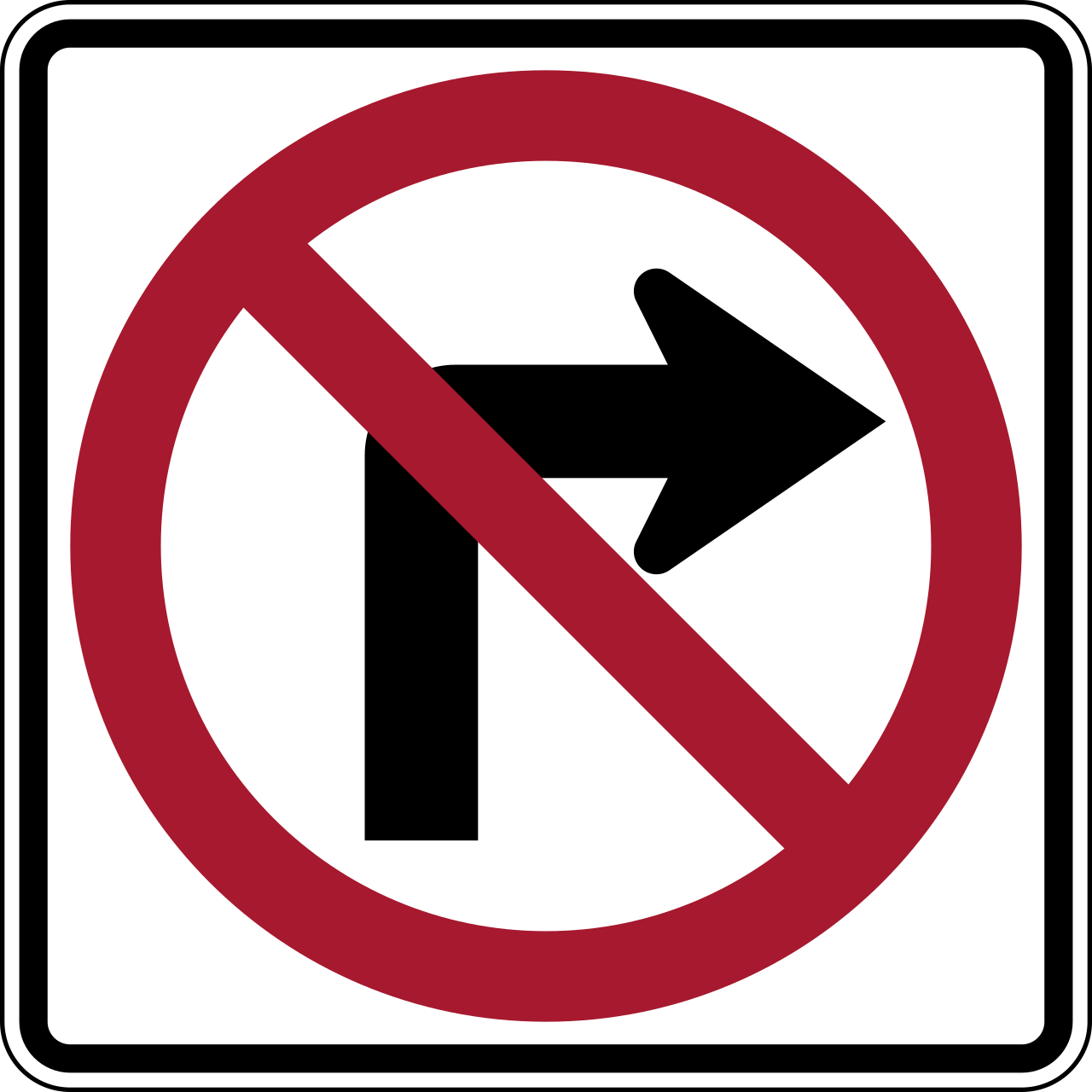 Esta señal de tráfico significa:
A
Sin giro a la izquierda
B
Sin giro a la derecha
C
Sin cambios de sentido
Esta señal de tráfico indica: No girar a la derecha. Observar y obedecer todas las señales en la carretera garantiza un flujo de tráfico seguro y una conducción legal.
Pregunta 5:
 ¿Qué indica esta señal de tráfico?
A
Servicio hospitalario
B
Zona reservada para personas con discapacidad
C
Autopista interestatal
Esta señal de tránsito indica: Servicio hospitalario. Observar y obedecer todas las señales en la carretera garantiza un flujo de tráfico seguro y una conducción legal.
Pregunta 6:
¿Cuál es el efecto probable cuando tomas otra droga mientras bebes alcohol?
A
Se potencian los efectos del alcohol y de la droga.
B
No hay efectos, a menos que el medicamento sea sólo con receta.
C
Si el medicamento es de venta libre, no hay efectos.
Según las leyes estatales de DUI y de seguridad vial: Los efectos del alcohol y las drogas aumentan. El alcohol degrada el juicio, ralentiza los tiempos de reacción y distorsiona la percepción de profundidad.
Pregunta 7:
Debe utilizar las señales de giro para indicar su intención con tiempo suficiente para permitir que otros conductores vean la señal:
A
si esta lloviendo.
B
DESPUÉS de que te mudes.
C
ANTES de mudarte.
Las leyes estatales exigen que indique su intención: ANTES de mudarse. Señale al menos 100 pies antes de girar o cambiar de carril.
Pregunta 8:
 Este signo indica:
A
Un vehículo que se mueve lentamente
B
Una zona de prohibido rebasar
C
Rendimiento
Esta señal de tráfico indica: Un vehículo que circula lentamente. Observar y obedecer todas las señales en la carretera garantiza un flujo de tráfico seguro y una conducción legal.
Pregunta 9:
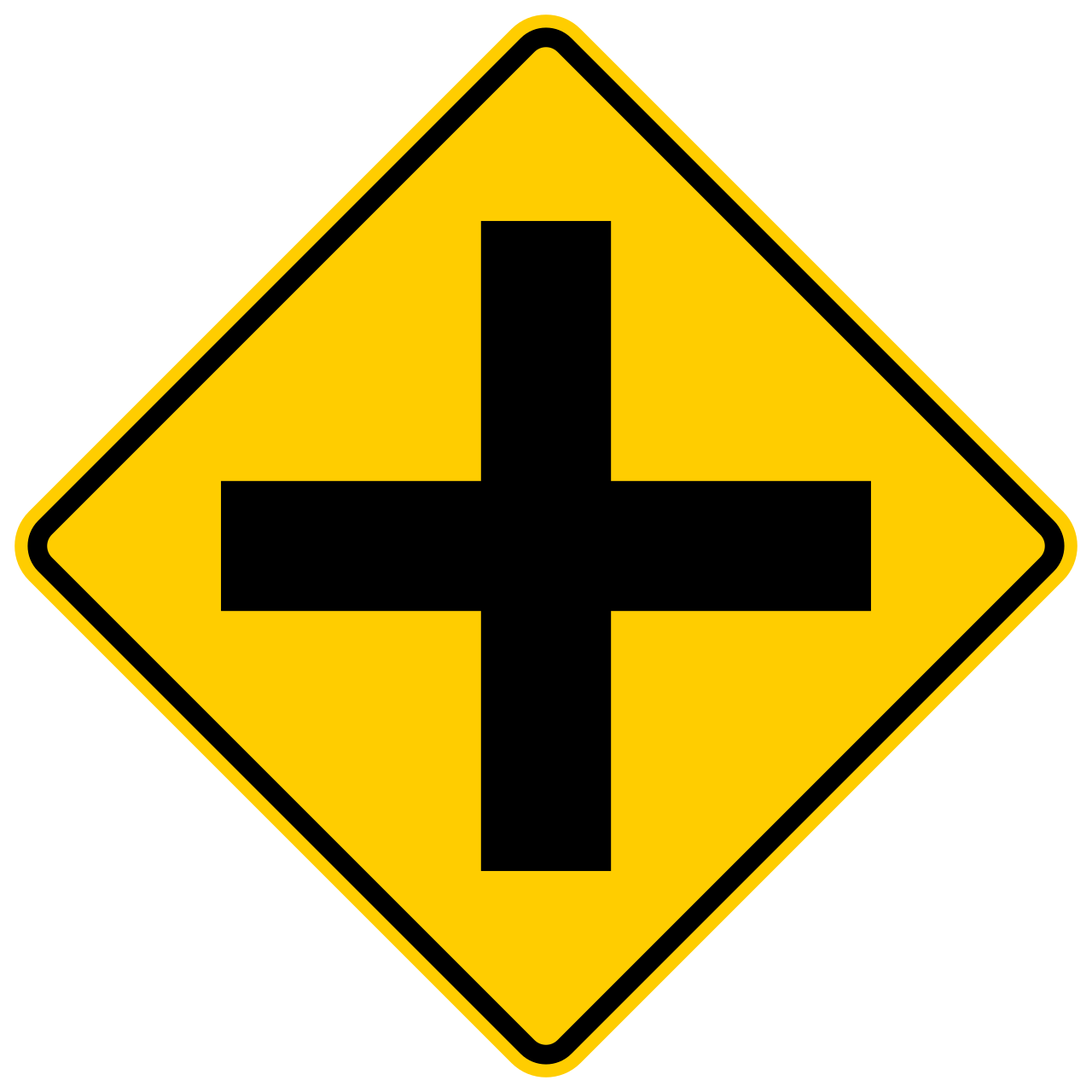 Esta señal de tráfico significa:
A
Iglesia adelante
B
Intersección más adelante
C
No entrar
D
Camino lateral
Esta señal de tráfico indica: Intersección más adelante. Observar y obedecer todas las señales en la carretera garantiza un flujo de tráfico seguro y una conducción legal.
Pregunta 10:
Llegas a una intersección no controlada al mismo tiempo que un conductor a tu derecha y ambos se preparan para seguir recto. ¿Quién tiene el derecho de paso?
A
Tú.
B
Nadie.
C
El otro conductor.
Según las normas estándar de prioridad de paso: El otro conductor. Ceder el paso adecuadamente previene colisiones en las intersecciones y mantiene un flujo de tráfico seguro.
Pregunta 11:
 ¿Qué significa una luz amarilla intermitente?
A
Lo mismo que una señal de alto.
B
Los conductores podrán avanzar con precaución.
C
Todo lo anterior.
Según las normas estándar de derecho de paso: los conductores pueden avanzar con precaución. Ceder el paso adecuadamente previene colisiones en las intersecciones y mantiene un flujo de tráfico seguro.
Pregunta 12:
Más de un vehículo se acerca a una señal de alto en cuatro direcciones. ¿Quién tiene el derecho de paso?
A
El primer conductor en llegar a la intersección y detenerse.
B
El conductor de la izquierda.
C
El último conductor en llegar a la intersección.
En una intersección no controlada o una parada de 4 vías donde los vehículos llegan al mismo tiempo: El primer conductor en llegar a la intersección y detenerse. El conductor de la izquierda siempre debe ceder el paso al conductor de la derecha.
Pregunta 13:
Si su automóvil comienza a patinar, gire el volante:
A
en la dirección que quieres ir.
B
en dirección opuesta al derrape.
C
para mantener las ruedas delanteras rectas.
D
en cualquier dirección. No importa.
La regla de conducción correcta es: en la dirección que quieras ir. Seguir las reglas de tránsito estándar del DMV y practicar la conducción defensiva garantiza la seguridad de todos los usuarios de la vía.
Pregunta 14:
Al estacionar en una vía pública, los conductores deben:
A
aléjese lo más posible del tráfico.
B
Estacione siempre en el lado izquierdo de la carretera.
C
Todo lo anterior.
Según las normas estándar de estacionamiento y aceras: aléjese lo más posible del tráfico. Respetar las distancias de estacionamiento mantiene las carreteras despejadas y los carriles de emergencia accesibles.
Pregunta 15:
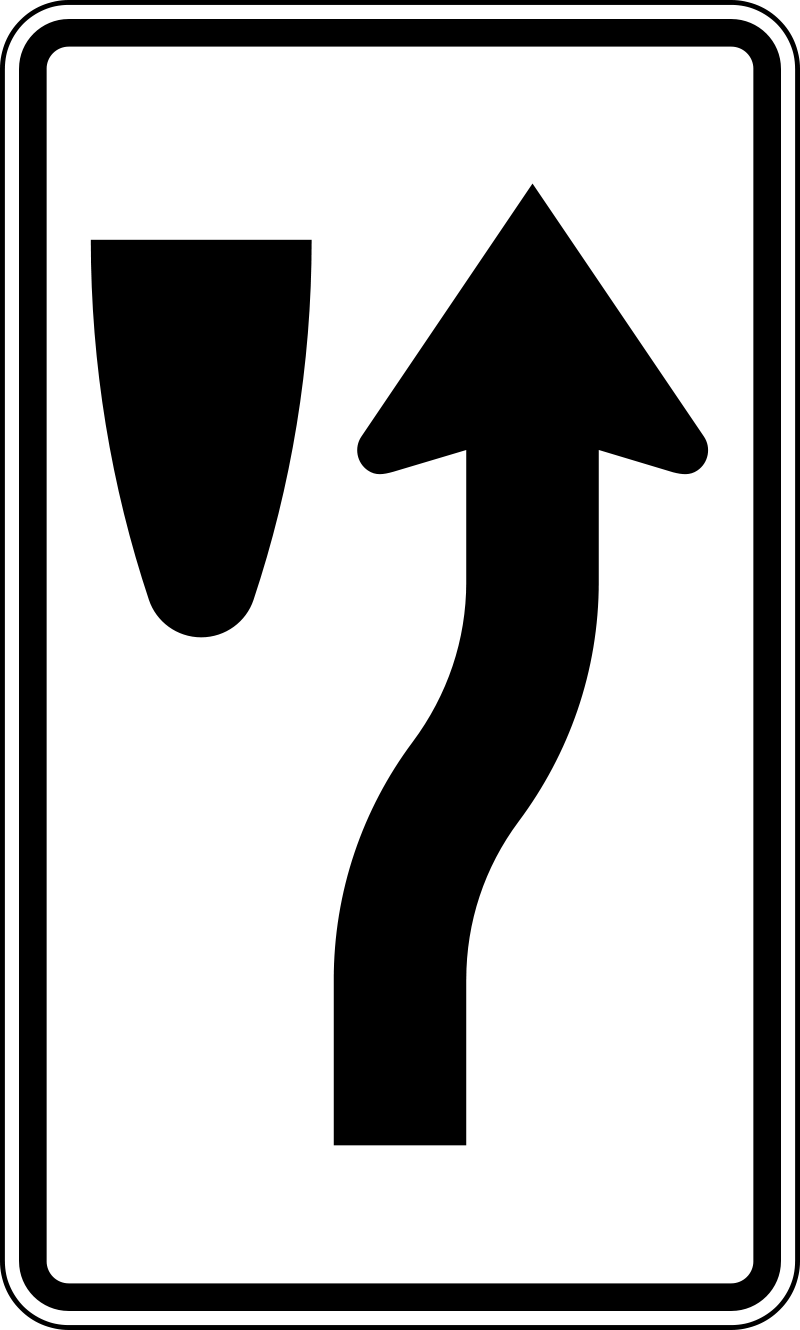 Esta señal de tráfico significa:
A
Señal de alto adelante
B
Manténgase en el lado indicado por la flecha
C
Carretera secundaria
D
Hombro bajo
Esta señal de tráfico indica: manténgase en el lado que indica la flecha. Observar y obedecer todas las señales en la carretera garantiza un flujo de tráfico seguro y una conducción legal.
Pregunta 16:
Una línea discontinua indica:
A
Puede adelantar a otros vehículos y cambiar de carril, si es seguro.
B
No se puede adelantar a otros vehículos ni cruzar la línea.
C
Puedes cambiar de carril, pero sólo cuando las condiciones del tráfico o las obstrucciones en la carretera lo hagan necesario.
La regla de conducción correcta es: puedes adelantar a otros vehículos y cambiar de carril, si es seguro. Seguir las reglas de tránsito estándar del DMV y practicar la conducción defensiva garantiza la seguridad de todos los usuarios de la vía.
Pregunta 17:
Usted ________ el tráfico que se dirige hacia usted cuando gira a la izquierda.
A
no debe ceder ante
B
debe interrumpir
C
debe ceder ante
De acuerdo con las regulaciones estándar de derecho de paso: debe ceder el paso. Ceder el paso adecuadamente previene colisiones en las intersecciones y mantiene un flujo de tráfico seguro.
Pregunta 18:
Si un oficial de tránsito le indica que pase un semáforo en rojo:
A
debes hacerlo.
B
debes esperar a que la luz roja se ponga verde.
C
No debes obedecer al oficial. Las señales y señales tienen prioridad sobre las indicaciones de los agentes de tráfico.
Según las normas estándar de derecho de paso: debes hacerlo. Ceder el paso adecuadamente previene colisiones en las intersecciones y mantiene un flujo de tráfico seguro.
Pregunta 19:
La hipnosis en la carretera es una condición de conducción que puede resultar de:
A
tránsito pesado.
B
mirando la carretera durante largos períodos de tiempo.
C
circulando por carriles HOV.
D
paradas frecuentes para descansar.
Las pautas de conducción defensiva establecen que: mirar fijamente la carretera durante largos períodos de tiempo. Anticipar los peligros en la carretera y comunicar las maniobras mantiene el tráfico predecible y seguro.
Pregunta 20:
La edad mínima para beber en este estado es de ____ años.
A
20
B
21
C
9
D
18
La regla de conducción correcta es: 21. Seguir las reglas de tránsito estándar del DMV y practicar la conducción defensiva garantiza la seguridad de todos los usuarios de la vía.
Pregunta 21:
Antes de cruzar cualquier vía de ferrocarril, debes:
A
Mire y escuche los trenes.
B
asegúrese de que haya espacio para su vehículo en el otro lado.
C
Todo lo anterior.
Todos los puntos enumerados son requisitos de conducción esenciales: mirar y escuchar los trenes; asegúrese de que haya espacio para su vehículo en el otro lado. Practicar cada uno garantiza el cumplimiento de las leyes de seguridad del DMV.
Pregunta 22:
Al adelantar a otros vehículos, los conductores deben:
A
asegúrese de que el carril para rebasar esté libre de tráfico y mire hacia atrás y hacia la izquierda para asegurarse de que no haya otro vehículo intentando rebasar.
B
rebase el vehículo lo más lentamente posible.
C
aplique el freno y reduzca la velocidad.
D
Todo lo anterior.
Las pautas de conducción defensiva establecen que: asegúrese de que el carril para rebasar esté libre de tráfico y mire hacia atrás y hacia la izquierda para asegurarse de que no haya otro vehículo intentando rebasar. Anticipar los peligros en la carretera y comunicar las maniobras mantiene el tráfico predecible y seguro.
Pregunta 23:
En una señal de alto no hay línea de alto ni paso de peatones. Debes parar:
A
antes de entrar a la intersección.
B
en el siguiente paso de peatones.
C
después de ingresar a la intersección, si tiene una vista clara del tráfico en la carretera que se cruza.
Los conductores siempre deben ceder el paso a los peatones que cruzan en las intersecciones y cruces de peatones: antes de ingresar a la intersección. Deténgase y permítales despejar el carril de manera segura.
Pregunta 24:
Los ciclistas deben:
A
circular por un carril bici, si está disponible.
B
permanezcan a la derecha cuando se preparan para girar a la izquierda.
C
permanezca cerca del borde izquierdo de la carretera.
La regla de conducción correcta es: circular por el carril bici, si está disponible. Seguir las reglas de tránsito estándar del DMV y practicar la conducción defensiva garantiza la seguridad de todos los usuarios de la vía.
Pregunta 25:
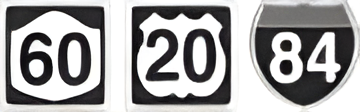 Estos son:
A
señales de ruta.
B
señales de millas a la izquierda.
C
señales de límite de velocidad.
La regla de conducción correcta es: señales de ruta. Seguir las reglas de tránsito estándar del DMV y practicar la conducción defensiva garantiza la seguridad de todos los usuarios de la vía.
Pregunta 26:
Alcohol:
A
hace que los conductores sean más propensos a correr riesgos.
B
aumenta el tiempo de reacción.
C
Todo lo anterior.
El alcohol y las sustancias perjudiciales degradan todas las funciones críticas de la conducción: hace que los conductores sean más propensos a correr riesgos; aumenta el tiempo de reacción. Conducir en estado de ebriedad conlleva graves sanciones penales y de seguridad.
Pregunta 27:
__________ limita(n) su concentración, percepción, juicio y memoria.
A
Incluso la más mínima cantidad de alcohol
B
Sólo un nivel de alcohol en sangre superior a .05
C
El alcohol no
D
Sólo un nivel de alcohol en sangre superior al límite legal
La regla de conducción correcta es: Incluso la más mínima cantidad de alcohol. Seguir las reglas de tránsito estándar del DMV y practicar la conducción defensiva garantiza la seguridad de todos los usuarios de la vía.
Pregunta 28:
Si ve una señal de "carril cerrado más adelante", debe:
A
hacer un giro en U. Estás en el lado equivocado de la carretera.
B
incorpórese al carril correcto cuando sea seguro.
C
Acelere hasta el final del carril cerrado e intente pasar al otro carril.
La regla de conducción correcta es: incorporarse al carril correcto cuando sea seguro. Seguir las reglas de tránsito estándar del DMV y practicar la conducción defensiva garantiza la seguridad de todos los usuarios de la vía.
Pregunta 29:
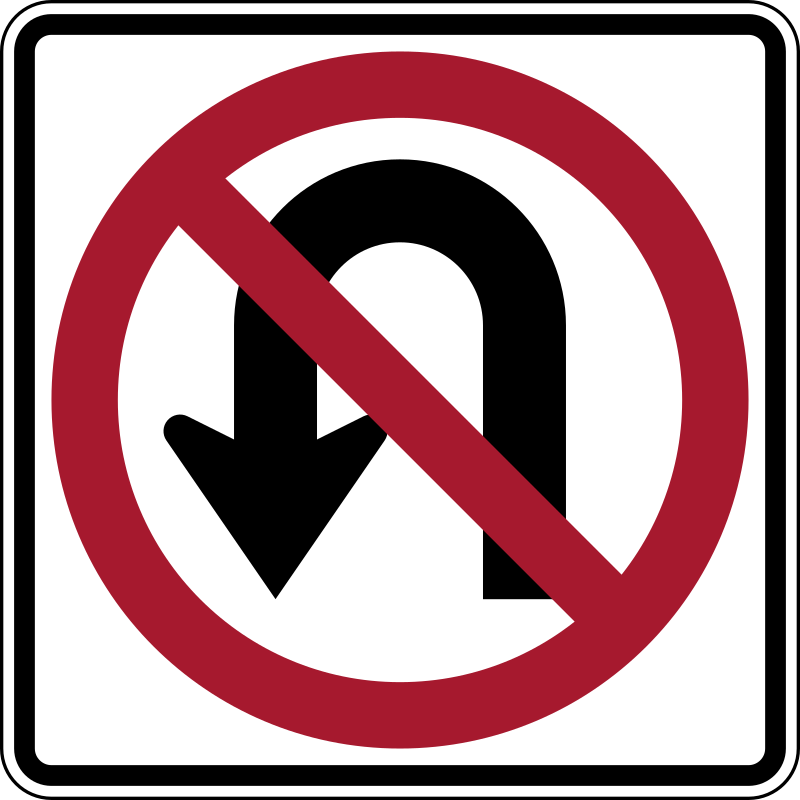 Esta señal de tráfico significa:
A
No se permiten giros a la izquierda donde se muestra este letrero.
B
Los conductores no pueden dar un giro completo para ir en la dirección opuesta.
C
Los vehículos que giran a la izquierda deben hacer un giro en U.
Esta señal de tráfico indica: los conductores no pueden dar un giro completo para ir en dirección contraria. Observar y obedecer todas las señales en la carretera garantiza un flujo de tráfico seguro y una conducción legal.
Pregunta 30:
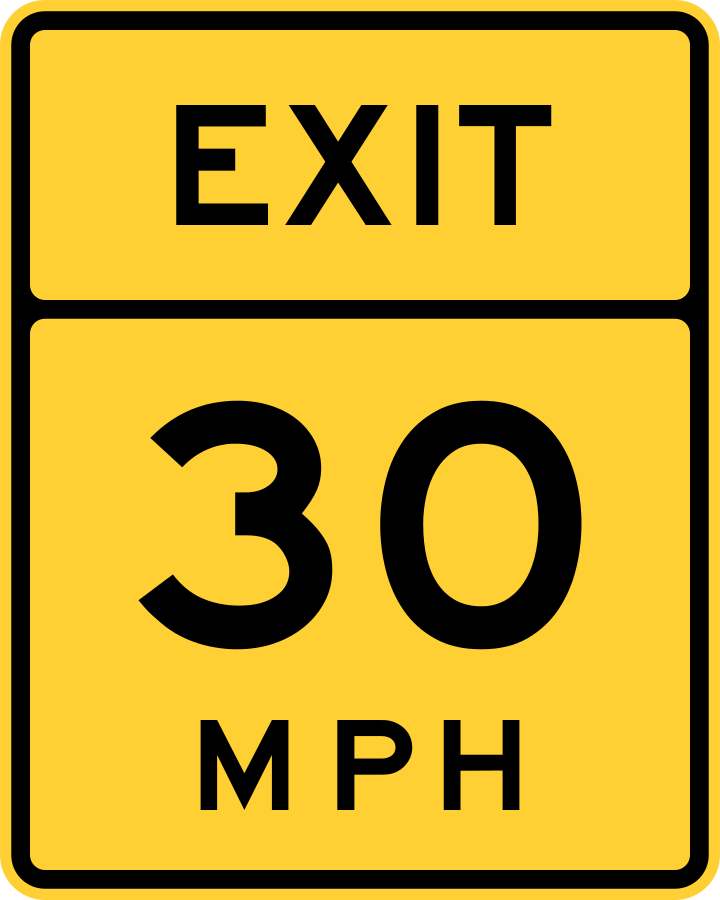 El letrero en la imagen:
A
muestra la velocidad más alta que los conductores pueden viajar en la salida de la intersección.
B
se utiliza para informar a los automovilistas sobre la velocidad de rampa adecuada en el punto de salida de la autopista.
C
Indica la velocidad mínima de rampa en el punto de salida de la autopista.
La regla de conducción correcta es: se utiliza para informar a los conductores sobre la velocidad de rampa adecuada en el punto de salida de la autopista. Seguir las reglas de tránsito estándar del DMV y practicar la conducción defensiva garantiza la seguridad de todos los usuarios de la vía.
Pregunta 31:
Si el pedal del acelerador está atascado, deberías:
A
Enganche su zapato debajo del pedal y vea si puede liberarlo. De lo contrario, cambie a neutral y use el freno para reducir la velocidad de su vehículo y salir de la carretera.
B
Quite el pie del pedal del acelerador y frene suavemente.
C
apague el encendido si su vehículo tiene dirección asistida.
La regla de conducción correcta es: engancha el zapato debajo del pedal y mira si puedes soltarlo. De lo contrario, cambie a neutral y use el freno para reducir la velocidad de su vehículo y salir de la carretera. Seguir las reglas de tránsito estándar del DMV y practicar la conducción defensiva garantiza la seguridad de todos los usuarios de la vía.
Pregunta 32:
Si los automóviles que se acercan en direcciones opuestas llegan a una intersección al mismo tiempo:
A
un automóvil que avanza en línea recta debe ceder el paso a los automóviles que giran a la izquierda.
B
un automóvil que gira a la izquierda debe ceder el paso a los automóviles que avanzan en línea recta o giran a la derecha.
C
un automóvil que gira a la derecha debe ceder el paso a los automóviles que avanzan en línea recta o giran a la izquierda.
De acuerdo con las normas estándar de derecho de paso: un automóvil que gira a la izquierda debe ceder el paso a los automóviles que avanzan en línea recta o giran a la derecha. Ceder el paso adecuadamente previene colisiones en las intersecciones y mantiene un flujo de tráfico seguro.
Pregunta 33:
Si un vehículo comienza a patinar sobre el agua, el conductor debe aplicar rápidamente los frenos.
A
Verdadero
B
Falso
La regla de conducción correcta es: Falso. Seguir las reglas de tránsito estándar del DMV y practicar la conducción defensiva garantiza la seguridad de todos los usuarios de la vía.
Pregunta 34:
Esta señal de tráfico significa:
A
No se permite girar a la derecha
B
Se permiten giros a la izquierda
C
Puede girar a la derecha después de ceder el paso al tráfico que viene en sentido contrario
Esta señal de tráfico indica: No se permite girar a la derecha. Observar y obedecer todas las señales en la carretera garantiza un flujo de tráfico seguro y una conducción legal.
Pregunta 35:
Los conductores deben detenerse:
A
cuando un oficial de tránsito les ordena detenerse.
B
donde hay una luz roja.
C
en una intersección con una señal de alto.
D
Todo lo anterior.
Todos los puntos enumerados son requisitos esenciales para la conducción: cuando un agente de tránsito les ordena detenerse; donde hay una luz roja; en una intersección con una señal de alto. Practicar cada uno garantiza el cumplimiento de las leyes de seguridad del DMV.
Pregunta 36:
¿Quién corre mayor riesgo?
A
Conductores que se han quedado dormidos.
B
Conductores que conducen largas distancias sin descansos.
C
Conductores experimentados.
La regla de conducción correcta es: conductores que conducen largas distancias sin descansos. Seguir las reglas de tránsito estándar del DMV y practicar la conducción defensiva garantiza la seguridad de todos los usuarios de la vía.
Pregunta 37:
Para conducir a la defensiva, debes:
A
Evite escanear el camino por delante.
B
mantenga una mano en el volante.
C
mantén tus ojos en movimiento.
La regla de conducción correcta es: mantener los ojos en movimiento. Seguir las reglas de tránsito estándar del DMV y practicar la conducción defensiva garantiza la seguridad de todos los usuarios de la vía.
Pregunta 38:
Cuando llueve mucho, los neumáticos pueden empezar a patinar sobre el agua que está encima del pavimento de la carretera. Esto se llama:
A
planear.
B
hidroplaneo.
C
cepillado de pavimentos.
D
hidroplaneo.
Al hidroplanear sobre el agua: hidroplaneo. Suelte suavemente el acelerador y mantenga el volante recto sin frenar bruscamente.
Pregunta 39:
 Esta señal de tráfico significa:
A
Sin estacionamiento
B
Rendimiento
C
No girar a la izquierda
D
Carretera dividida
Esta señal de tráfico indica: No estacionar. Observar y obedecer todas las señales en la carretera garantiza un flujo de tráfico seguro y una conducción legal.
Pregunta 40:
Hacer todo lo posible para evitar fallas se llama:
A
Conducción anticolisión
B
Conducción con prevención de accidentes
C
Conducción defensiva
D
Conducción ABS
La regla de conducción correcta es: Conducción defensiva. Seguir las reglas de tránsito estándar del DMV y practicar la conducción defensiva garantiza la seguridad de todos los usuarios de la vía.