Question 1:
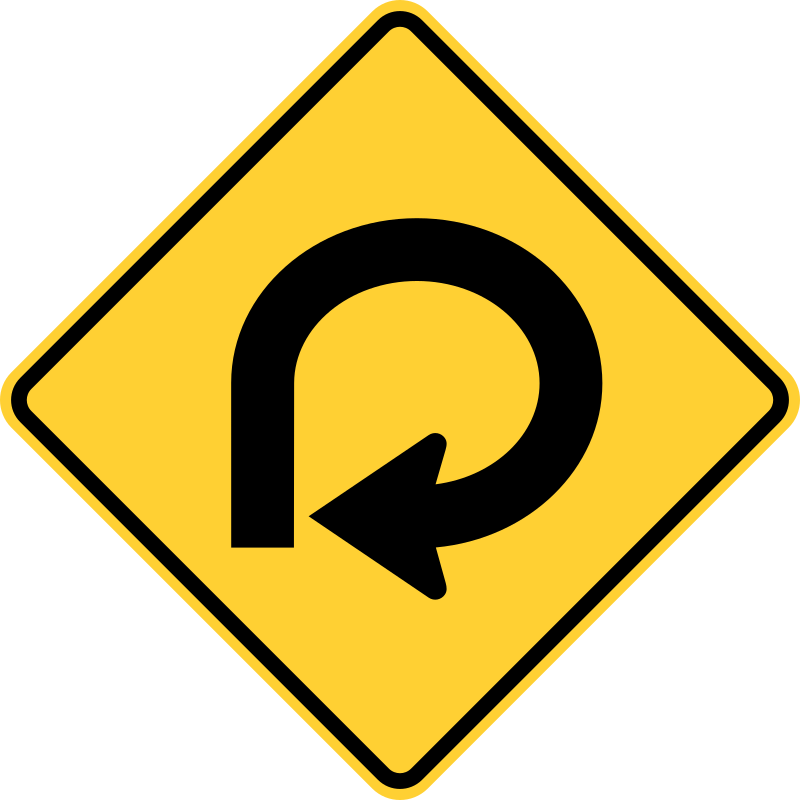 This sign means:
A
Roundabout ahead.
B
270 degree turn ahead.
C
Wrong way; Turn around immediately.
This traffic sign indicates: 270 degree turn ahead. Observing and obeying all roadway signs ensures safe traffic flow and legal driving.
Question 2:
Which of the following must you obey over the others?
A
A flashing red light.
B
A stop sign.
C
A steady red light.
D
A police officer.
The correct driving rule is: A police officer. Following standard DMV road rules and practicing defensive driving ensures safety for all road users.
Question 3:
What should you do when an aggressive driver confronts you?
A
Avoid eye contact with the aggressive driver.
B
Make eye contact.
C
Challenge the aggressive driver with increased speed.
The correct driving rule is: avoid eye contact with the aggressive driver. Following standard DMV road rules and practicing defensive driving ensures safety for all road users.
Question 4:
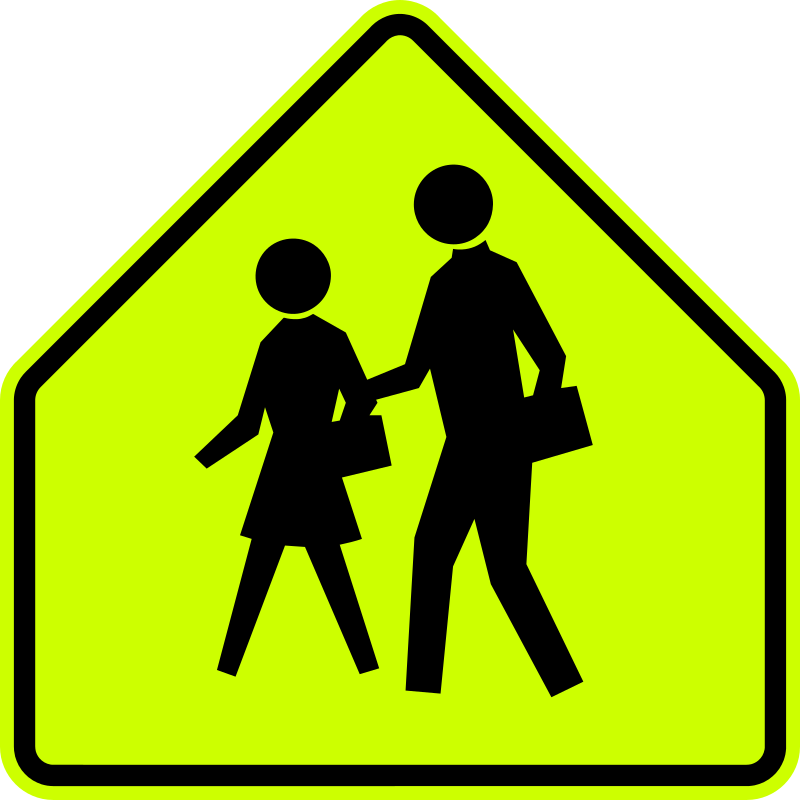 This sign means:
A
Business area nearby. Watch for business people.
B
There is a work zone ahead. Watch for workers.
C
The driver is near a school and should watch for children.
Pentagonal (5-sided) signs are exclusively reserved for school zones and school crossings: The driver is near a school and should watch for children. Drivers must reduce speed and yield right-of-way to all crossing children.
Question 5:
If your gas pedal is stuck, you should:
A
hook your shoe under the pedal and see if you can free it. If not, shift into neutral and use the brake to slow your vehicle and get off the road.
B
ease your foot off the gas pedal and brake gently.
C
turn off the ignition if your vehicle has power steering.
The correct driving rule is: hook your shoe under the pedal and see if you can free it. If not, shift into neutral and use the brake to slow your vehicle and get off the road. Following standard DMV road rules and practicing defensive driving ensures safety for all road users.
Question 6:
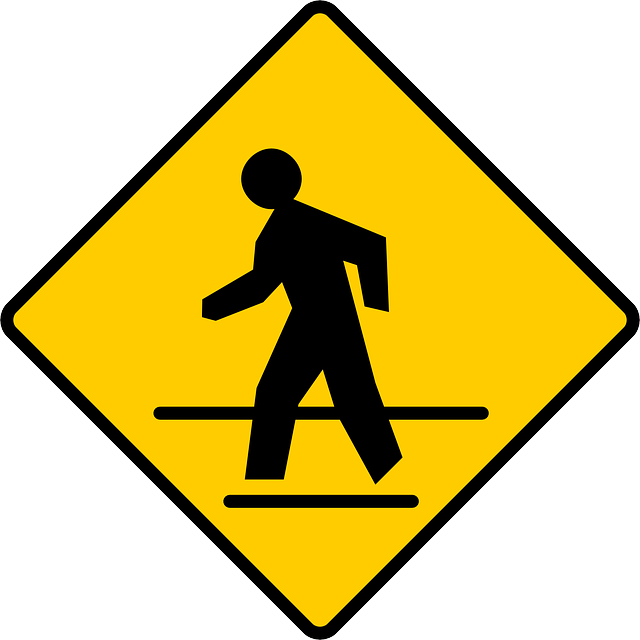 This road sign means:
A
School zone ahead
B
Pedestrians must not cross here
C
Pedestrian crossing ahead
This traffic sign indicates: Pedestrian crossing ahead. Observing and obeying all roadway signs ensures safe traffic flow and legal driving.
Question 7:
When the road is slippery, you should:
A
brake suddenly carefully.
B
pump your brakes.
C
press your brakes in slow, steady strokes.
For safe speed and stopping control: press your brakes in slow, steady strokes. Adjusting speed to match visibility and road traction prevents loss of steering grip.
Question 8:
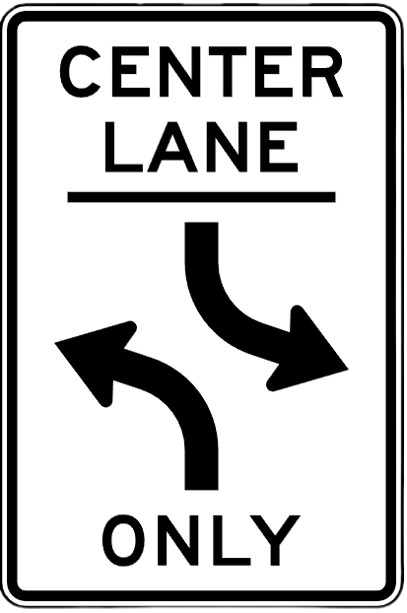 This road sign means:
A
Vehicles may only travel in the center lane.
B
The center lane is shared for left turns in both directions of travel.
C
The center lane in both directions of travel will soon turn left.
This traffic sign indicates: The center lane is shared for left turns in both directions of travel. Observing and obeying all roadway signs ensures safe traffic flow and legal driving.
Question 9:
 This road sign means:
A
Keep left
B
Divided highway begins
C
Lane ends
This traffic sign indicates: Divided highway begins. Observing and obeying all roadway signs ensures safe traffic flow and legal driving.
Question 10:
Green and white signs:
A
give information about directions and distances.
B
are mainly used at intersections and driveways.
C
warn drivers of unexpected road conditions.
The correct driving rule is: give information about directions and distances. Following standard DMV road rules and practicing defensive driving ensures safety for all road users.
Question 11:
To avoid having to make an emergency stop while driving in traffic, drivers should:
A
drive in the right lane only.
B
look ahead and maintain a safe following distance.
C
sound their horn to warn other drivers.
D
drive slower than the flow of traffic.
The correct driving rule is: look ahead and maintain a safe following distance. Following standard DMV road rules and practicing defensive driving ensures safety for all road users.
Question 12:
What happens if two vehicles reach at the same time an intersection with four-way stop signs?
A
The driver on the right yields to the driver on the left.
B
The driver on the left yields to the driver on the right.
C
The first vehicle to reach the intersection must yield.
At an uncontrolled intersection or 4-way stop where vehicles arrive at the same time: The driver on the left yields to the driver on the right. The driver on the left must always yield to the driver on the right.
Question 13:
If the entrance lane is too short to allow acceleration to highway speed, you should:
A
go to the next entrance ramp.
B
stop and wait for a large gap in traffic, then enter the highway and accelerate quickly.
C
merge into highway traffic as soon as possible.
For safe speed and stopping control: stop and wait for a large gap in traffic, then enter the highway and accelerate quickly. Adjusting speed to match visibility and road traction prevents loss of steering grip.
Question 14:
 This sign tells drivers:
A
they must wait for the traffic signal to turn green before turning right or left.
B
they may not turn right or left during the red light.
C
All of the above.
This sign alerts drivers to several mandatory requirements: they must wait for the traffic signal to turn green before turning right or left, they may not turn right or left during the red light. Obeying all posted traffic control instructions is required by law.
Question 15:
Drivers may need more space in front of their vehicle:
A
when following motorcycles.
B
when carrying a heavy load or pulling a trailer.
C
All of the above.
All of the listed points are essential driving requirements: when following motorcycles; when carrying a heavy load or pulling a trailer. Practicing each ensures compliance with DMV safety laws.
Question 16:
__________ are blue with white letters and symbols.
A
Warning signs
B
Service signs
C
Destination signs (guide signs)
The correct driving rule is: Service signs. Following standard DMV road rules and practicing defensive driving ensures safety for all road users.
Question 17:
If your front wheels start to skid, the first thing you should do is:
A
Take your foot off the gas pedal and shift to neutral.
B
Immediately turn in the direction you want to go.
C
Speed up, pump your brakes and steer in the direction the vehicle is trying to go.
The correct driving rule is: take your foot off the gas pedal and shift to neutral. Following standard DMV road rules and practicing defensive driving ensures safety for all road users.
Question 18:
When approaching a work zone with a “45 Where Workers Present” sign, drivers should:
A
drive at a safe speed for conditions (up to the posted speed limit), watch for construction workers, and slow down to 45 MPH or lower where workers are present.
B
merge to the right lane.
C
slow down immediately.
D
All of the above.
The correct driving rule is: drive at a safe speed for conditions (up to the posted speed limit), watch for construction workers, and slow down to 45 MPH or lower where workers are present. Following standard DMV road rules and practicing defensive driving ensures safety for all road users.
Question 19:
 This road sign is:
A
a speed reduction sign.
B
a warning sign.
C
a regulatory sign.
This traffic sign indicates: a regulatory sign. Observing and obeying all roadway signs ensures safe traffic flow and legal driving.
Question 20:
When the driver behind you wants to pass, you should:
A
change lanes.
B
speed up.
C
use your brake lights.
D
slow down to allow room for the other driver to complete the pass safely.
The correct driving rule is: slow down to allow room for the other driver to complete the pass safely. Following standard DMV road rules and practicing defensive driving ensures safety for all road users.
Question 21:
If you drink alcohol socially, what helps insure safe driving?
A
Stop drinking one hour before driving.
B
Drink coffee before driving.
C
Take a cold shower before driving.
D
Ride home with a friend who has not been drinking.
Under state DUI and traffic safety laws: Ride home with a friend who has not been drinking. Alcohol degrades judgment, slows reaction times, and distorts depth perception.
Question 22:
Two motorcyclists are allowed to:
A
ride side-by-side in a single lane.
B
share the lane with another vehicle.
C
race on empty roads.
The correct driving rule is: ride side-by-side in a single lane. Following standard DMV road rules and practicing defensive driving ensures safety for all road users.
Question 23:
When you make a left turn from a one-way road into a two-way road, you must:
A
enter the two-way road to the left of its center line.
B
make a U-turn into the two-way road.
C
enter the two-way road to the right of its center line.
The correct driving rule is: enter the two-way road to the right of its center line. Following standard DMV road rules and practicing defensive driving ensures safety for all road users.
Question 24:
___________ are green with white letters and symbols.
A
Warning signs
B
Destination signs (guide signs)
C
Regulation signs (regulatory signs)
The correct driving rule is: Destination signs (guide signs). Following standard DMV road rules and practicing defensive driving ensures safety for all road users.
Question 25:
 This sign warns drivers that:
A
the highway ahead is divided into two one-way roadways. Drivers should keep to the right.
B
there is a winding road ahead.
C
there is a double curve ahead.
This traffic sign indicates: there is a double curve ahead. Observing and obeying all roadway signs ensures safe traffic flow and legal driving.
Question 26:
A steady yellow light at an intersection means:
A
Proceed with caution through the intersection
B
Slow down and be prepared to stop
C
Immediately come to a complete stop
D
Yield to other vehicles
According to standard right-of-way regulations: slow down and be prepared to stop. Yielding appropriately prevents intersection collisions and maintains safe traffic flow.
Question 27:
Two drivers reach an uncontrolled intersection at the same time. Who has the right of way?
A
The driver on the left.
B
No one.
C
The driver on the right.
At an uncontrolled intersection or 4-way stop where vehicles arrive at the same time: The driver on the right. The driver on the left must always yield to the driver on the right.
Question 28:
Road signs that point out scenic areas and parks are:
A
brown and white.
B
black and orange.
C
green and white.
The correct driving rule is: brown and white. Following standard DMV road rules and practicing defensive driving ensures safety for all road users.
Question 29:
Alcohol:
A
makes you less aware of what is happening to your driving abilities.
B
makes it easier to make correct decisions.
C
improves your reaction time.
Under state DUI and traffic safety laws: makes you less aware of what is happening to your driving abilities. Alcohol degrades judgment, slows reaction times, and distorts depth perception.
Question 30:
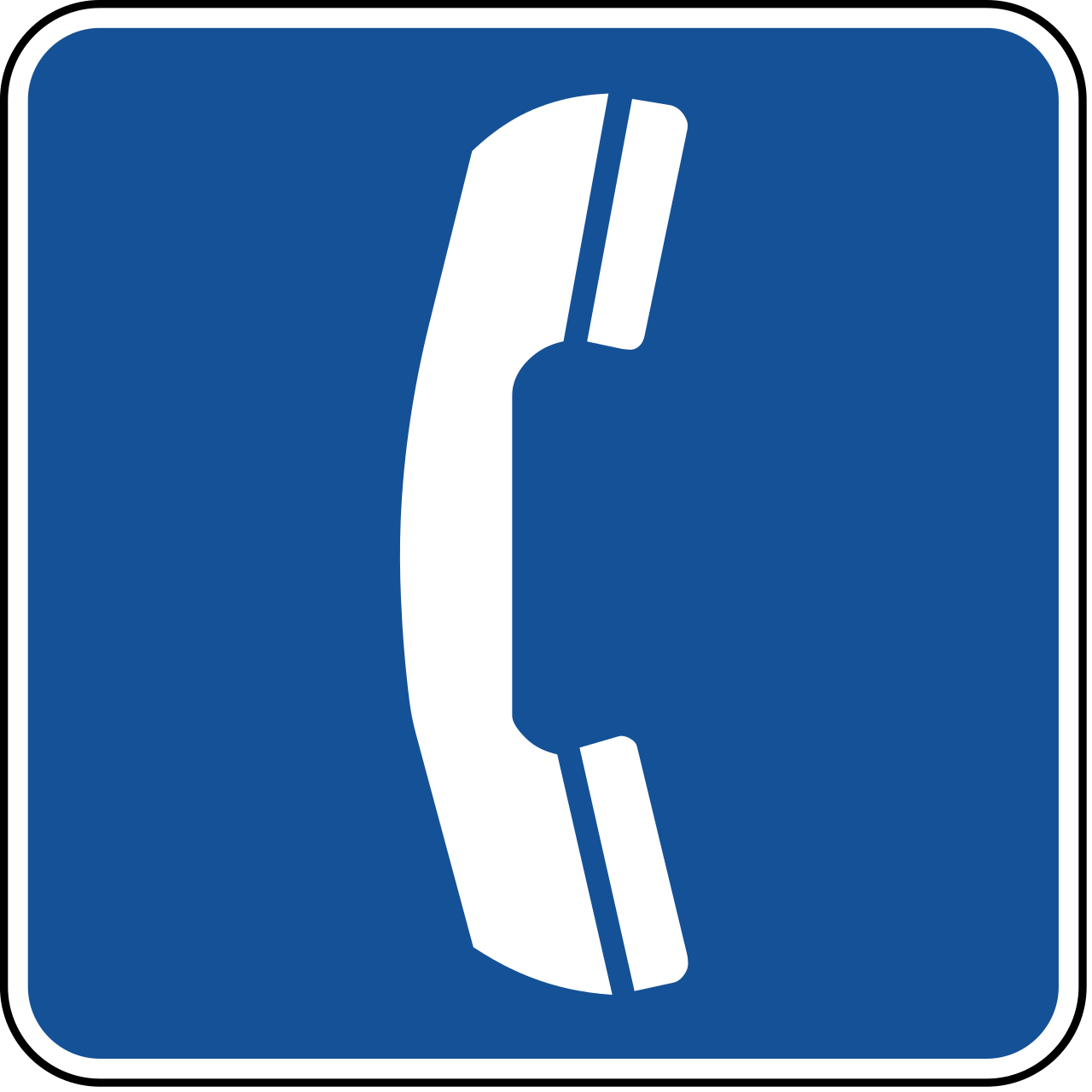 This sign indicates:
A
Phone service ahead
B
Emergency line available
C
Cell phone shop ahead
This traffic sign indicates: Phone service ahead. Observing and obeying all roadway signs ensures safe traffic flow and legal driving.
Question 31:
As you drive on the expressway, make sure:
A
you cut off vehicles behind you when you change lanes.
B
to signal all lane changes.
C
your directional signal goes off before you change lanes.
The correct driving rule is: to signal all lane changes. Following standard DMV road rules and practicing defensive driving ensures safety for all road users.
Question 32:
 This road sign means:
A
Winding Road Ahead
B
Persons with Disabilities Parking
C
Merge
This traffic sign indicates: merge. Observing and obeying all roadway signs ensures safe traffic flow and legal driving.
Question 33:
On slippery roads, drivers should:
A
slow down.
B
increase their speed to avoid hydroplaning.
C
not drive faster than 25 MPH.
D
go faster.
For safe speed and stopping control: slow down. Adjusting speed to match visibility and road traction prevents loss of steering grip.
Question 34:
When changing lanes, you should:
A
check your mirrors, signal and change lanes.
B
signal, change lanes and check your mirrors.
C
signal, check your mirrors and blind spot in the direction you plan to move, then change lanes.
D
signal and change lanes.
The correct driving rule is: signal, check your mirrors and blind spot in the direction you plan to move, then change lanes. Following standard DMV road rules and practicing defensive driving ensures safety for all road users.
Question 35:
A driver approaching a flashing red traffic signal must:
A
merge to the left.
B
stop before the intersection.
C
carefully drive through the intersection without stopping.
D
slow down at the traffic signal.
This traffic sign indicates: stop before the intersection. Observing and obeying all roadway signs ensures safe traffic flow and legal driving.
Question 36:
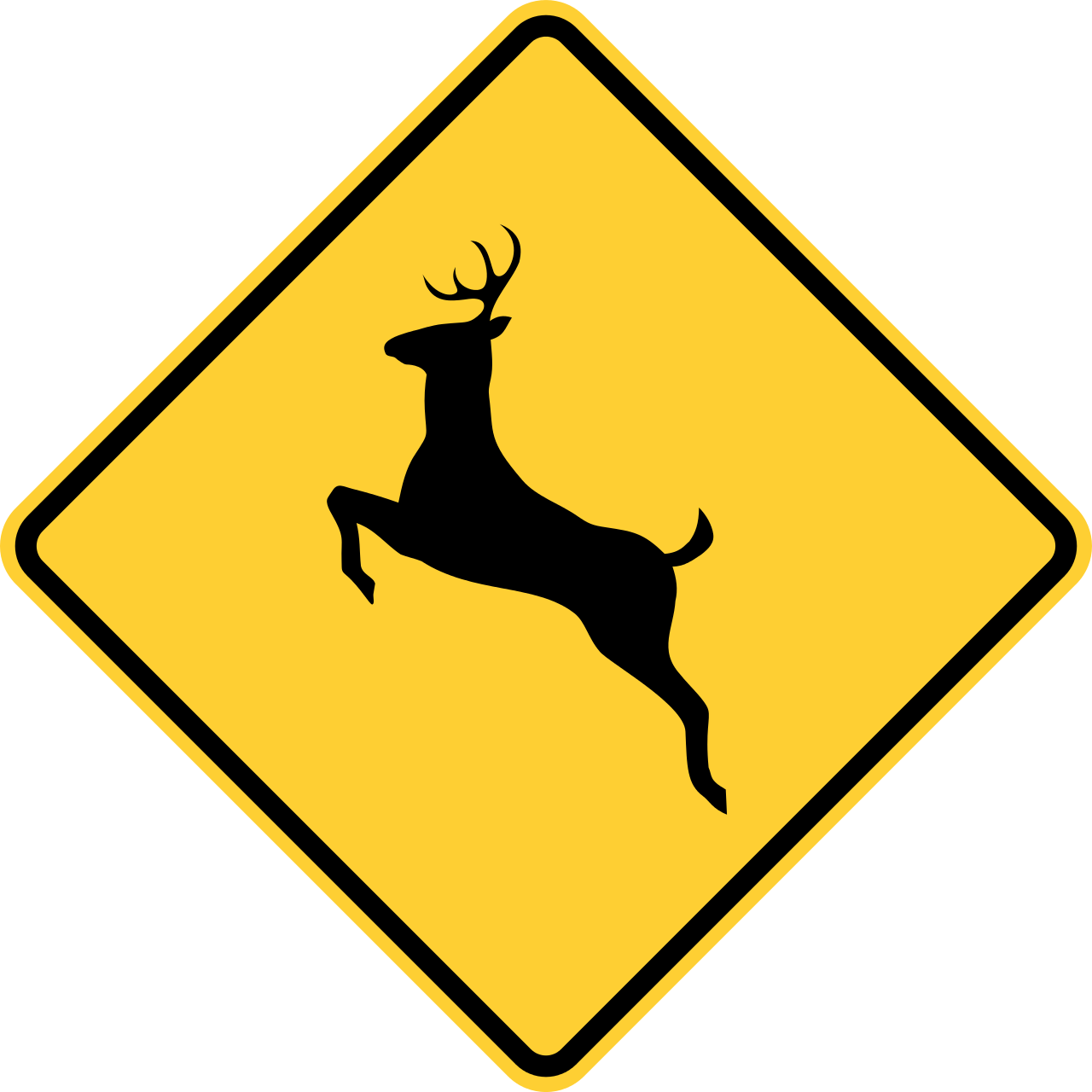 When they see this road sign, drivers should:
A
drive carefully because the animal pictured on the sign is extremely rare in the area.
B
watch for this species crossing the road.
C
park in the zoo area.
This traffic sign indicates: watch for this species crossing the road. Observing and obeying all roadway signs ensures safe traffic flow and legal driving.
Question 37:
When driving near light rail vehicles, drivers should:
A
never drive around lowered crossing gates.
B
expect trains on any track at any time.
C
always obey signs and traffic signals.
D
All of the above.
All of the listed points are essential driving requirements: never drive around lowered crossing gates; expect trains on any track at any time; always obey signs and traffic signals. Practicing each ensures compliance with DMV safety laws.
Question 38:
The following symptoms are associated with drowsy driving:
A
You continue to yawn.
B
You don’t remember driving the last few miles.
C
All of the above.
Alcohol and impairing substances degrade all critical driving functions: You continue to yawn; You don’t remember driving the last few miles. Driving while impaired carries severe criminal and safety penalties.
Question 39:
When you drive near parks and playgrounds, you should expect children:
A
not to cross unless they are with an adult.
B
to know when it is safe to cross.
C
to stop at the curb before crossing the street.
D
to suddenly run into the street.
The correct driving rule is: to suddenly run into the street. Following standard DMV road rules and practicing defensive driving ensures safety for all road users.
Question 40:
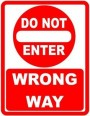 This road sign means:
A
U-turns are prohibited
B
You may proceed only if the way is clear
C
You are about to enter a one-way street the wrong way
D
Do not pass
This traffic sign indicates: you are about to enter a one-way street the wrong way. Observing and obeying all roadway signs ensures safe traffic flow and legal driving.
Question 41:
When you need to enter a freeway exit ramp:
A
don't slow down on the freeway itself. Wait until you are in the deceleration lane.
B
pass slower vehicles on the right.
C
slow down before entering the exit ramp.
D
don't slow down on the freeway itself, and maintain your speed once in the exit ramp.
Defensive driving guidelines state that: don't slow down on the freeway itself. Wait until you are in the deceleration lane. Anticipating road hazards and communicating maneuvers keeps traffic predictable and safe.
Question 42:
Warning signs normally are:
A
rectangles.
B
triangles.
C
diamond-shaped.
The correct driving rule is: diamond-shaped. Following standard DMV road rules and practicing defensive driving ensures safety for all road users.
Question 43:
What does it mean If an oncoming driver flashes headlights at you during a period of low visibility?
A
Your headlights are too bright. You should turn them off.
B
Your vehicle was difficult to see. You should turn on your headlights.
C
Your headlights are too bright. You should use parking lights instead.
The correct driving rule is: Your vehicle was difficult to see. You should turn on your headlights. Following standard DMV road rules and practicing defensive driving ensures safety for all road users.
Question 44:
Hydroplaning is a situation in which:
A
your tires throw water to the rear, causing problems for the vehicles behind.
B
the tires of the car ahead cause sheets of water to splash on your vehicle.
C
one of your tires goes flat, causing the others to skid.
D
your tires ride up on a thin surface of water, losing contact with the pavement, and resulting in sudden loss of control
The correct driving rule is: your tires ride up on a thin surface of water, losing contact with the pavement, and resulting in sudden loss of control. Following standard DMV road rules and practicing defensive driving ensures safety for all road users.
Question 45:
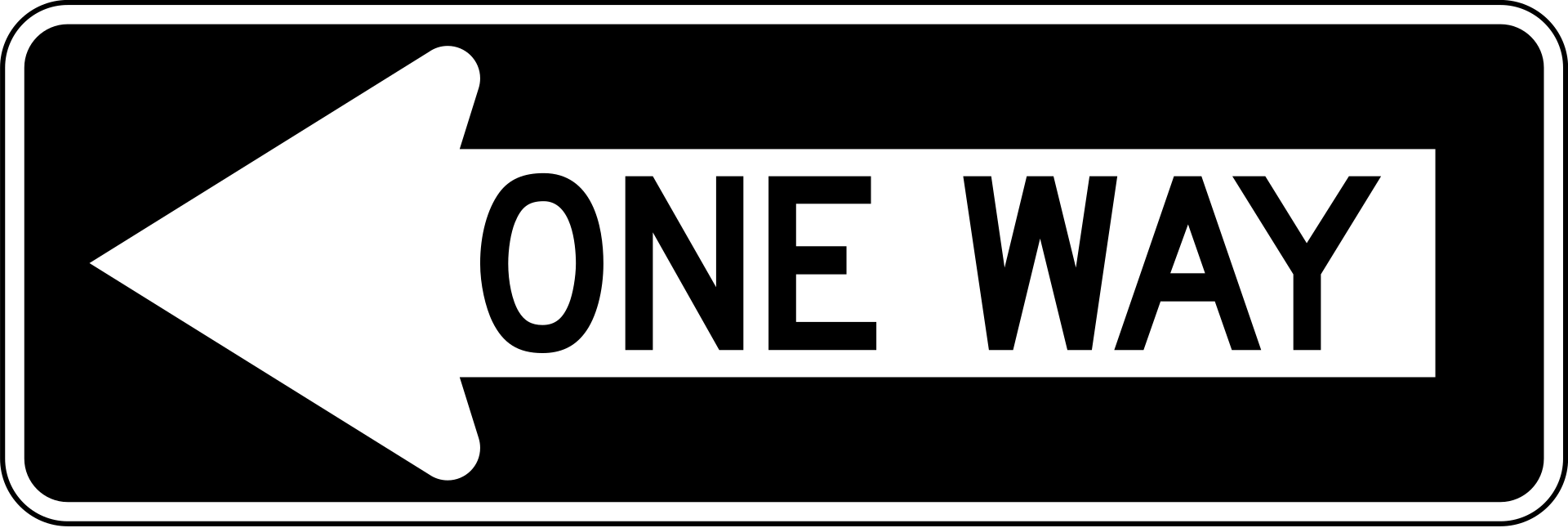 The ‘One Way’ sign means that:
A
only vehicles turning left may travel in the direction of the arrow.
B
there is only one road that turns left at the intersection.
C
drivers may travel only in the direction of the arrow.
This traffic sign indicates: drivers may travel only in the direction of the arrow. Observing and obeying all roadway signs ensures safe traffic flow and legal driving.
Question 46:
When approaching someone using a white cane, you should proceed with caution because:
A
the pedestrian might be using a guide dog.
B
the pedestrian might be blind.
C
the pedestrian is deaf.
D
the pedestrian is blind.
The correct driving rule is: the pedestrian is blind. Following standard DMV road rules and practicing defensive driving ensures safety for all road users.
Question 47:
When driving on major highways you should:
A
be ready to react to road hazards.
B
stay alert.
C
keep your eyes moving.
D
All of the above.
All of the listed points are essential driving requirements: be ready to react to road hazards; stay alert; keep your eyes moving. Practicing each ensures compliance with DMV safety laws.
Question 48:
A broken white line:
A
means passing or crossing is prohibited in that lane.
B
separates two lanes traveling in the same direction.
C
marks the right edge of the roadway.
The correct driving rule is: separates two lanes traveling in the same direction. Following standard DMV road rules and practicing defensive driving ensures safety for all road users.
Question 49:
Before turning, you should:
A
increase your speed.
B
sound your horn to alert the other drivers.
C
give the proper turn signal.
D
change lanes.
The correct driving rule is: give the proper turn signal. Following standard DMV road rules and practicing defensive driving ensures safety for all road users.
Question 50:
When you make a left turn from a two-way road into a four-lane highway, you must:
A
enter the left lane, to the right of the center line.
B
enter the right lane, to the left of the center line.
C
go straight through the intersection, and then make the turn.
Defensive driving guidelines state that: enter the left lane, to the right of the center line. Anticipating road hazards and communicating maneuvers keeps traffic predictable and safe.