Question 1:
Diamond-shaped signs:
A
are used to warn of hazards on roadways.
B
indicate no pass zones.
C
typically provide guidance to drivers.
The correct driving rule is: are used to warn of hazards on roadways. Following standard DMV road rules and practicing defensive driving ensures safety for all road users.
Question 2:
 A flashing red light:
A
is used at dangerous intersections.
B
means the same thing as a stop sign.
C
All of the above.
Safe navigation at intersections requires following all established rules: is used at dangerous intersections; means the same thing as a stop sign. Always yield right-of-way properly to prevent collisions.
Question 3:
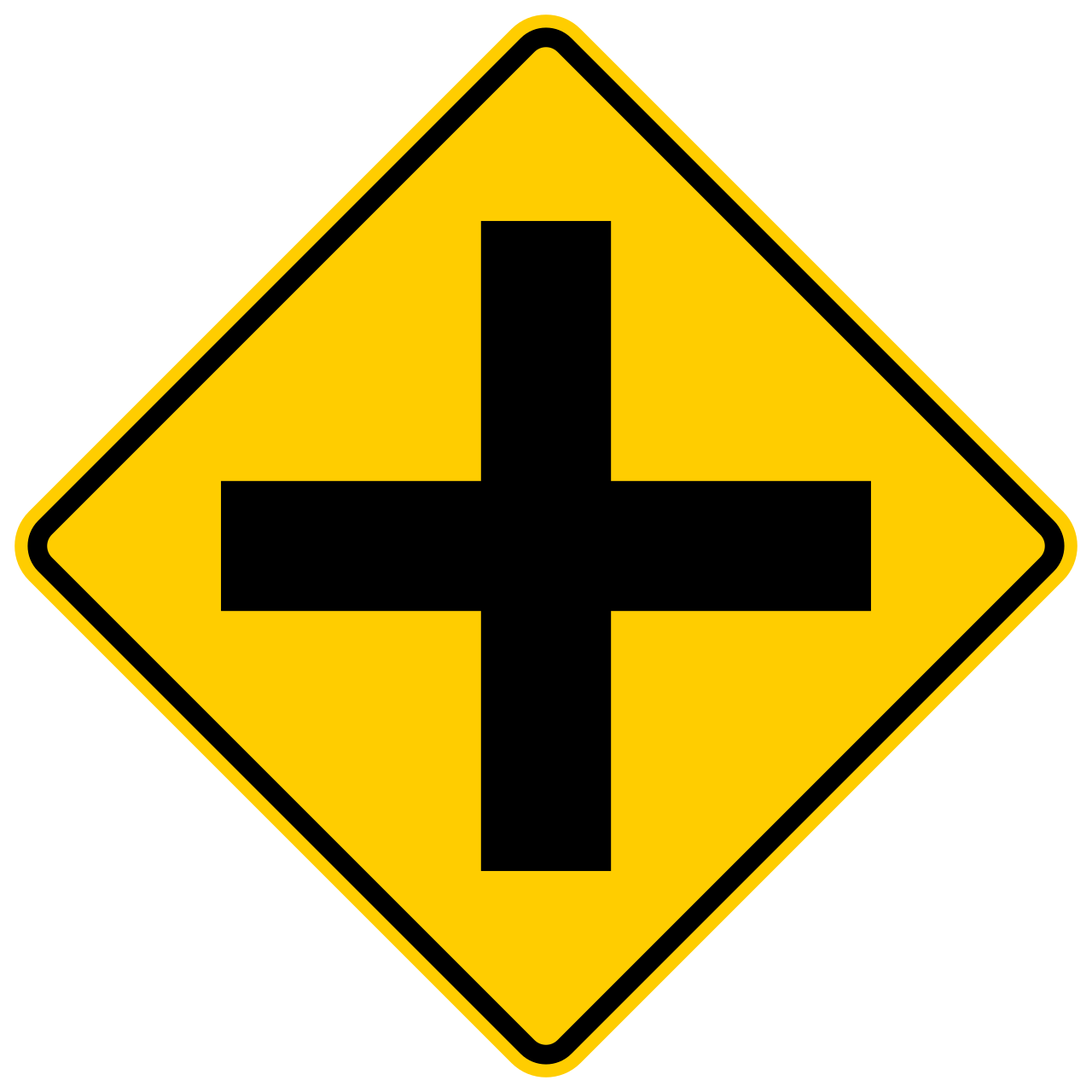 This road sign means:
A
Warning, crossroad ahead
B
All traffic must turn
C
Yield sign ahead
This traffic sign indicates: Warning, crossroad ahead. Observing and obeying all roadway signs ensures safe traffic flow and legal driving.
Question 4:
 What does this road sign indicate?
A
Hospital service
B
Area reserved for people with disabilities
C
Interstate highway
This traffic sign indicates: Hospital service. Observing and obeying all roadway signs ensures safe traffic flow and legal driving.
Question 5:
What is the first thing you should do if your wheels move off the pavement?
A
Pull the steering wheel back.
B
Pull over to the right and sound your horn to warn the other drivers.
C
Ease your foot off the gas pedal and brake gently.
The correct driving rule is: Ease your foot off the gas pedal and brake gently. Following standard DMV road rules and practicing defensive driving ensures safety for all road users.
Question 6:
A large vehicle is backing up to unload goods. You should:
A
enter one of the blind spots and wait.
B
try to pass close behind.
C
be patient and wait until the large vehicle has completed its backup maneuver.
The correct driving rule is: be patient and wait until the large vehicle has completed its backup maneuver. Following standard DMV road rules and practicing defensive driving ensures safety for all road users.
Question 7:
To maintain an adequate 'space cushion' to the front, drivers need to:
A
keep a safe distance between their car and the vehicle in front.
B
The other answers are both correct.
C
control their speed to suit the road and traffic conditions.
The correct driving rule is: The other answers are both correct. Following standard DMV road rules and practicing defensive driving ensures safety for all road users.
Question 8:
When turning left at an intersection:
A
you should never yield to oncoming traffic and pedestrians.
B
oncoming traffic and pedestrians should yield to you.
C
you should always yield to oncoming traffic and pedestrians.
According to standard right-of-way regulations: you should always yield to oncoming traffic and pedestrians. Yielding appropriately prevents intersection collisions and maintains safe traffic flow.
Question 9:
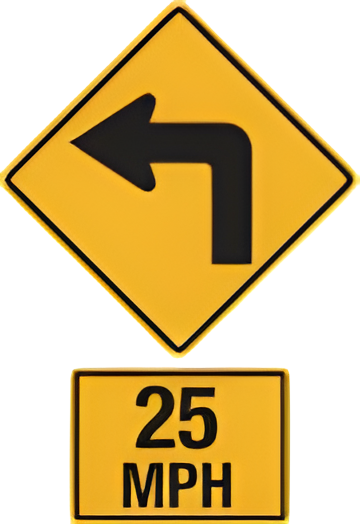 This sign indicates that:
A
the highest safe speed drivers should travel around the curve ahead is 25 MPH.
B
the safe speed around the curve ahead is at least 25 MPH.
C
drivers may not turn right if traveling at 25 MPH or less.
This traffic sign indicates: the highest safe speed drivers should travel around the curve ahead is 25 MPH. Observing and obeying all roadway signs ensures safe traffic flow and legal driving.
Question 10:
 When you see this sign you should stop and:
A
check traffic in all direction before proceeding.
B
check for vehicles in the opposite direction, then proceed.
C
yield the right-of way to all vehicles coming from the left.
This traffic sign indicates: check traffic in all direction before proceeding. Observing and obeying all roadway signs ensures safe traffic flow and legal driving.
Question 11:
_________________ your mirrors when you prepare to change lanes.
A
Never depend on
B
Never use
C
Always rely on
The correct driving rule is: Never depend on. Following standard DMV road rules and practicing defensive driving ensures safety for all road users.
Question 12:
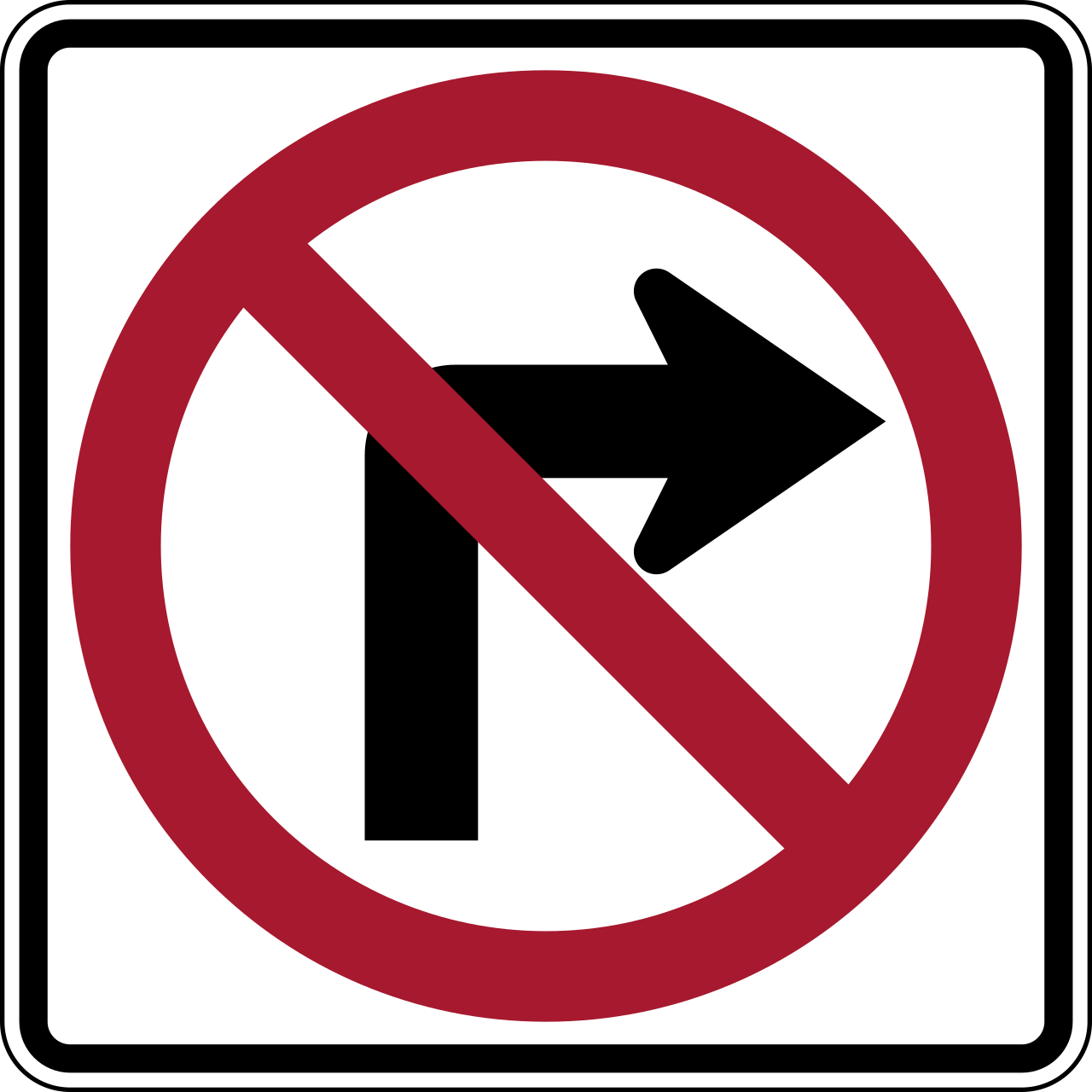 This road sign means:
A
No left turn
B
No right turn
C
No U-turns
This traffic sign indicates: No right turn. Observing and obeying all roadway signs ensures safe traffic flow and legal driving.
Question 13:
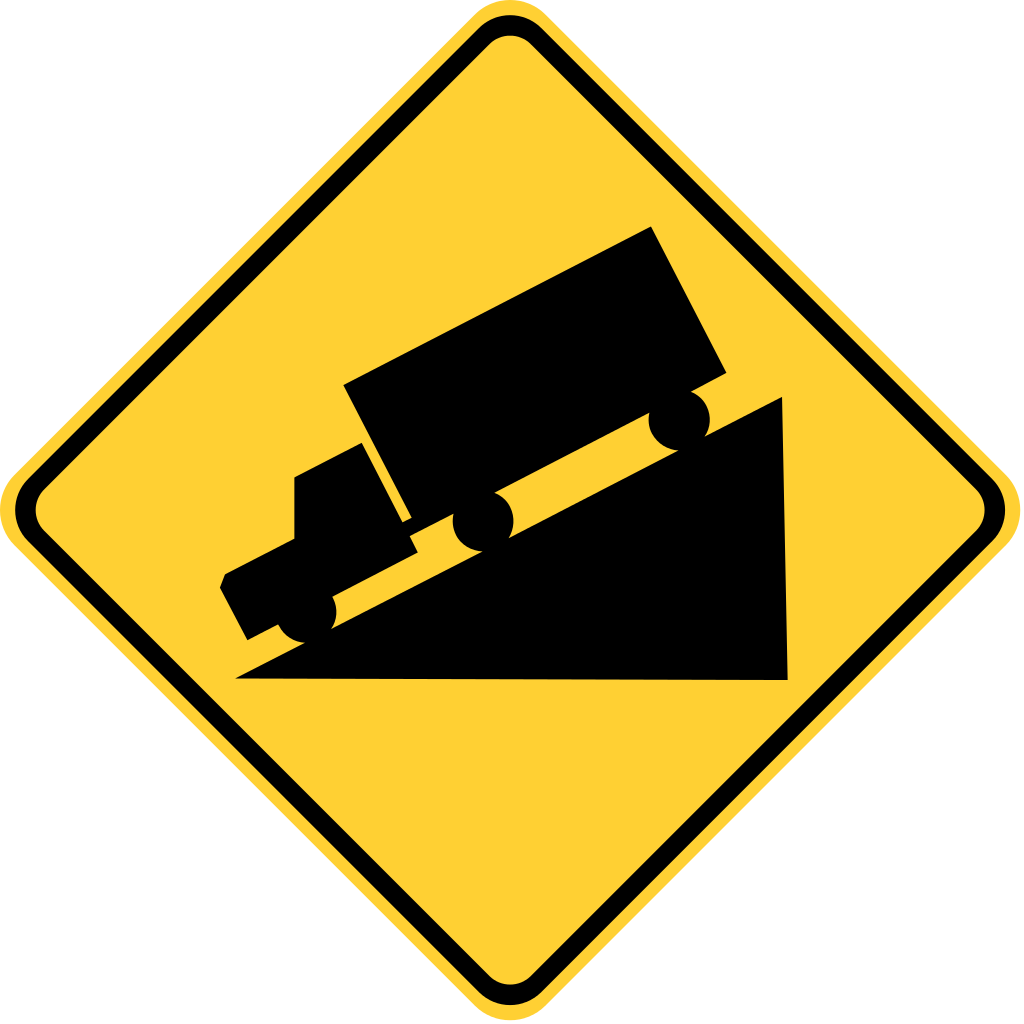 This sign warns of a ________ ahead.
A
hill
B
no passing zone
C
soft shoulder
This traffic sign indicates: hill. Observing and obeying all roadway signs ensures safe traffic flow and legal driving.
Question 14:
This road sign means:
A
Merging traffic
B
Steep grade ahead
C
Intersection ahead
This traffic sign indicates: Steep grade ahead. Observing and obeying all roadway signs ensures safe traffic flow and legal driving.
Question 15:
When driving on a roadway with a single broken white line:
A
you may cross the broken white line to change lanes.
B
you may change lanes only if you are in the right lane.
C
you may not cross the broken white line.
The correct driving rule is: you may cross the broken white line to change lanes. Following standard DMV road rules and practicing defensive driving ensures safety for all road users.
Question 16:
Drivers should:
A
know that most drivers obey the right-of-way rules.
B
always be prepared to yield the right-of-way.
C
only be aggressive when drivers do not obey the right-of-way rules.
The correct driving rule is: always be prepared to yield the right-of-way. Following standard DMV road rules and practicing defensive driving ensures safety for all road users.
Question 17:
The following symptoms are associated with drowsy driving:
A
You continue to yawn.
B
You don’t remember driving the last few miles.
C
All of the above.
Alcohol and impairing substances degrade all critical driving functions: You continue to yawn; You don’t remember driving the last few miles. Driving while impaired carries severe criminal and safety penalties.
Question 18:
Your red traffic signal changes to green while a pedestrian is crossing in your traffic lane. The right of way should be given:
A
by the pedestrian, but only when vehicles are turning left.
B
by the pedestrian.
C
to the pedestrian.
Circular signs with an 'X' and 'RR' designate a Railroad Advance Warning: to the pedestrian. Drivers must slow down, look both ways, listen for trains, and be prepared to stop.
Question 19:
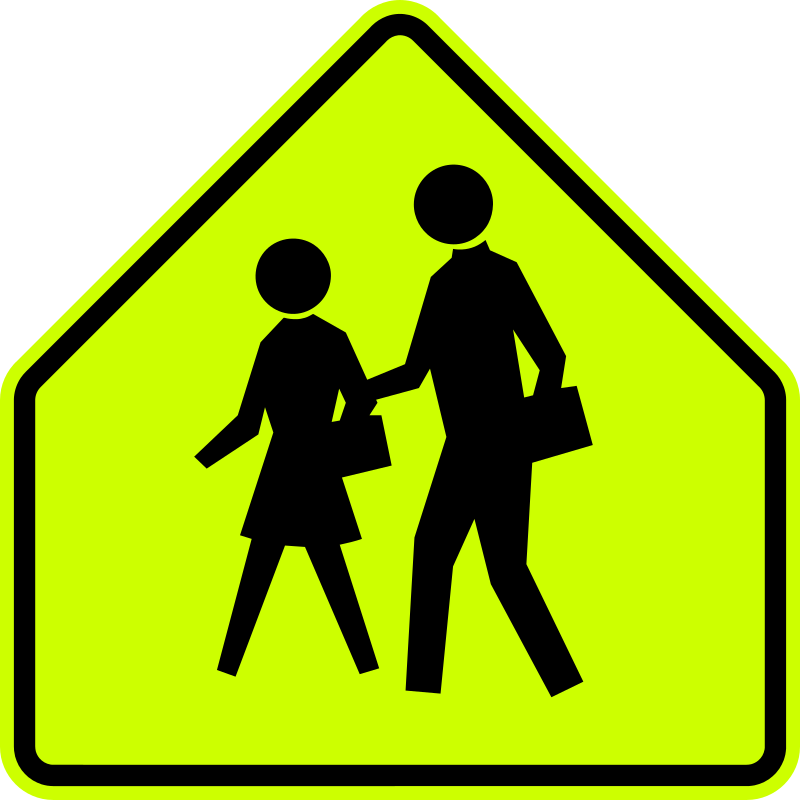 When you see this sign, you should:
A
be prepared to stop if children are in the crosswalk.
B
slow down, proceed with caution and watch for blind people.
C
always stop at the crosswalk.
This traffic sign indicates: be prepared to stop if children are in the crosswalk. Observing and obeying all roadway signs ensures safe traffic flow and legal driving.
Question 20:
 A flashing yellow light at an intersection means drivers should:
A
stop and proceed when clear.
B
slow down and proceed with caution.
C
immediately come to a complete stop.
According to standard right-of-way regulations: slow down and proceed with caution. Yielding appropriately prevents intersection collisions and maintains safe traffic flow.
Question 21:
If the vehicle is equipped with air bags, seat belts:
A
should not be worn.
B
should still be worn.
C
are optional.
The correct driving rule is: should still be worn. Following standard DMV road rules and practicing defensive driving ensures safety for all road users.
Question 22:
This sign means:
A
If you are driving at 40 MPH or less you must stay in the right-hand lane
B
Curve ahead, drive at 40 MPH ot more around the curve ahead
C
Curve ahead, the recommended speed is 40 MPH or less
This traffic sign indicates: Curve ahead, the recommended speed is 40 MPH or less. Observing and obeying all roadway signs ensures safe traffic flow and legal driving.
Question 23:
A vehicle that enters a road from a driveway:
A
has the right-of-way.
B
must yield to traffic approaching from the right, while it has the right-of-way over vehicles approaching from the left.
C
must stop and yield the right-of-way to traffic on the roadway and to pedestrians.
The correct driving rule is: must stop and yield the right-of-way to traffic on the roadway and to pedestrians. Following standard DMV road rules and practicing defensive driving ensures safety for all road users.
Question 24:
Which of the following is NOT true about ABS?
A
It improves the vehicle stability.
B
It helps increase your stopping distance.
C
It improves the steering ability.
The correct driving rule is: it helps increase your stopping distance. Following standard DMV road rules and practicing defensive driving ensures safety for all road users.
Question 25:
What do warning signs mean?
A
Danger ahead.
B
Drivers are approaching a location where there is a special rule.
C
All of the above.
All of the listed points are essential driving requirements: Danger ahead; Drivers are approaching a location where there is a special rule. Practicing each ensures compliance with DMV safety laws.