Question 1:
ABS is the acronym for:
A
Anti-Braking System
B
Average-Beam System
C
Anti-Locking Brake System
The correct driving rule is: Anti-Locking Brake System. Following standard DMV road rules and practicing defensive driving ensures safety for all road users.
Question 2:
What should drivers do when the red lights begin to flash?
A
Stop.
B
Yield.
C
Slow down.
The correct driving rule is: stop. Following standard DMV road rules and practicing defensive driving ensures safety for all road users.
Question 3:
Who has a greater risk of being involved in a traffic crash?
A
Drivers who are driving alone.
B
Young people.
C
All of the above.
All of the listed points are essential driving requirements: Drivers who are driving alone; Young people. Practicing each ensures compliance with DMV safety laws.
Question 4:
When driving in heavy traffic, you should:
A
drive with the flow of traffic.
B
maintain a constant speed.
C
drive faster than the flow of traffic.
D
drive slower than the flow of traffic.
The correct driving rule is: drive with the flow of traffic. Following standard DMV road rules and practicing defensive driving ensures safety for all road users.
Question 5:
When a stop is required at an intersection with no stop line or crosswalk:
A
Drivers should stop only at a place where the driver can see at least 100 feet on either side.
B
Drivers are required to slow down to make sure crossing traffic is clear.
C
Drivers are not required to stop.
D
Drivers should stop at the point nearest the intersecting roadway where the driver has a view of approaching traffic on the intersecting roadway before actually entering the roadway.
Drivers must always yield the right-of-way to pedestrians crossing at intersections and crosswalks: drivers should stop at the point nearest the intersecting roadway where the driver has a view of approaching traffic on the intersecting roadway before actually entering the roadway. Stop and allow them to clear the lane safely.
Question 6:
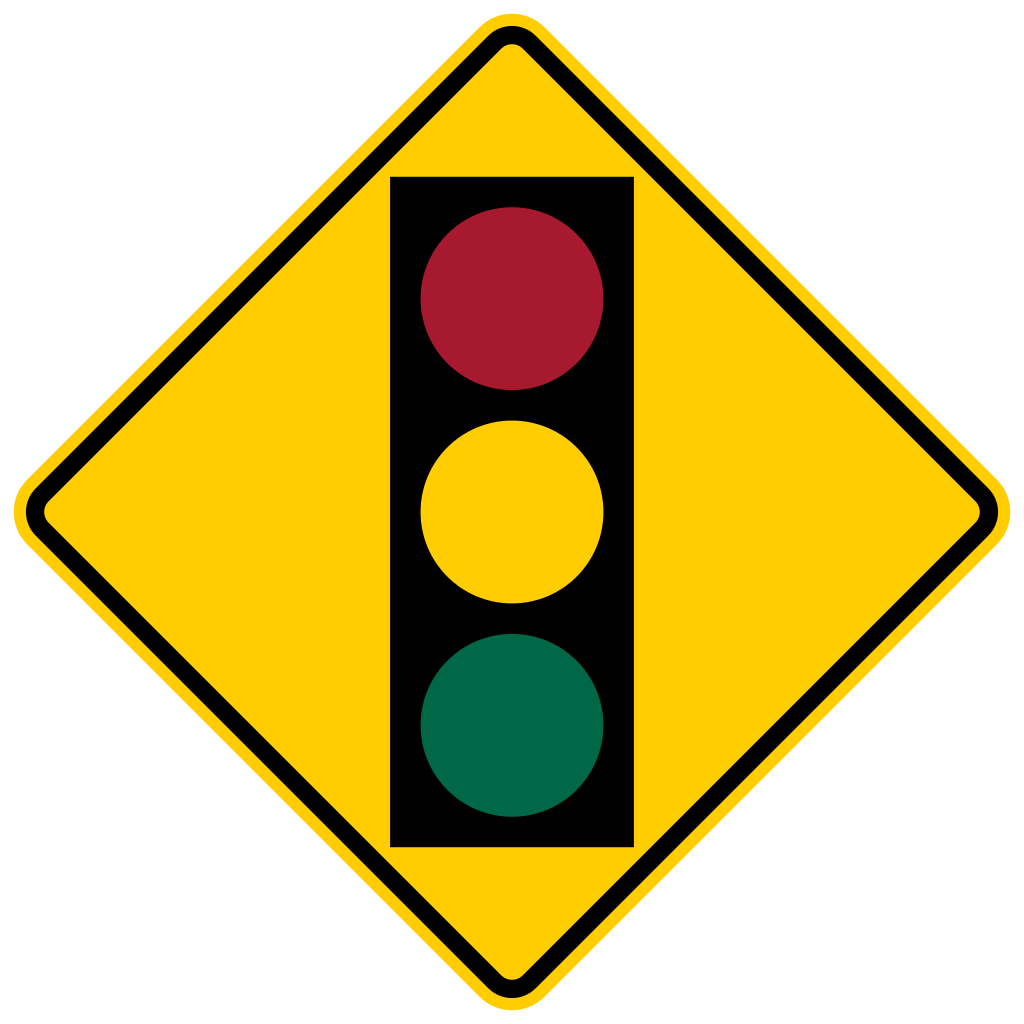 This road sign means:
A
Stop before turning right
B
4-way stop ahead
C
Lane closed for traffic
D
There is a traffic signal ahead
This traffic sign indicates: There is a traffic signal ahead. Observing and obeying all roadway signs ensures safe traffic flow and legal driving.
Question 7:
What is the only effective method to reduce your BAC?
A
Eating before or while you drink.
B
Not drinking over a period of time.
C
Drinking coffee.
Under state DUI and traffic safety laws: Not drinking over a period of time. Alcohol degrades judgment, slows reaction times, and distorts depth perception.
Question 8:
 This sign means:
A
Narrow bridge ahead. Slow down and drive with caution.
B
Do not to enter if your vehicle is taller than the height listed on the sign.
C
No passing zone ahead.
This traffic sign indicates: Do not to enter if your vehicle is taller than the height listed on the sign. Observing and obeying all roadway signs ensures safe traffic flow and legal driving.
Question 9:
When driving in bad weather, drivers should:
A
decrease the following distance.
B
increase their speed to get to their destination more quickly.
C
increase the following distance.
D
None of the above.
The correct driving rule is: increase the following distance. Following standard DMV road rules and practicing defensive driving ensures safety for all road users.
Question 10:
 This road sign means:
A
You must come to a complete stop
B
Do not enter
C
Slow down, stop if necessary and yield the right-of-way
D
Merging traffic
A triangular Yield sign requires drivers to slow down and give right-of-way to other traffic: slow down, stop if necessary and yield the right-of-way. Proceed only when there is a safe opening.
Question 11:
A vehicle that enters a road from a driveway:
A
has the right-of-way.
B
must yield to traffic approaching from the right, while it has the right-of-way over vehicles approaching from the left.
C
must stop and yield the right-of-way to traffic on the roadway and to pedestrians.
The correct driving rule is: must stop and yield the right-of-way to traffic on the roadway and to pedestrians. Following standard DMV road rules and practicing defensive driving ensures safety for all road users.
Question 12:
Which shape is a stop sign?
A
Diamond
B
Octagon
C
Upside-down triangle
The correct driving rule is: Octagon. Following standard DMV road rules and practicing defensive driving ensures safety for all road users.
Question 13:
 This road sign means:
A
Pavement ends
B
Winding road
C
Double curve ahead
This traffic sign indicates: Winding road. Observing and obeying all roadway signs ensures safe traffic flow and legal driving.
Question 14:
Unlike passenger cars, trucks have blind spots:
A
on the right.
B
directly behind them.
C
on the front.
The correct driving rule is: directly behind them. Following standard DMV road rules and practicing defensive driving ensures safety for all road users.
Question 15:
 A pedestrian in the crosswalk when the 'DON’T WALK' signal begins flashing must:
A
stop immediately.
B
go back and wait the “WALK” light
C
finish crossing the street.
Drivers must always yield the right-of-way to pedestrians crossing at intersections and crosswalks: finish crossing the street. Stop and allow them to clear the lane safely.
Question 16:
In heavy rain, tires can begin to ride on the water that is on top of the road pavement. This is called:
A
rideplaning.
B
hydroplaning.
C
pavement-planing.
D
waterplaning.
When hydroplaning on water: hydroplaning. Gently ease off the accelerator and hold the steering wheel straight without sudden braking.
Question 17:
Drinking alcohol while taking drugs can:
A
have a less pronounced effect than either taken separately.
B
have a more pronounced effect than either taken separately.
C
improves concentration.
D
improve your driving performance.
Under state DUI and traffic safety laws: have a more pronounced effect than either taken separately. Alcohol degrades judgment, slows reaction times, and distorts depth perception.
Question 18:
Your first response to reduced visibility should be:
A
to look for road edge markings to guide you.
B
to turn on your windshield wipers.
C
to reduce your speed.
D
to turn on your headlights.
The correct driving rule is: to reduce your speed. Following standard DMV road rules and practicing defensive driving ensures safety for all road users.
Question 19:
When you make a left turn from a one-way road into a two-way road, you must:
A
enter the two-way road to the left of its center line.
B
make a U-turn into the two-way road.
C
enter the two-way road to the right of its center line.
The correct driving rule is: enter the two-way road to the right of its center line. Following standard DMV road rules and practicing defensive driving ensures safety for all road users.
Question 20:
Drivers under 21 years of age are considered to be driving under the influence if their blood alcohol concentration (BAC) is:
A
.10% or higher.
B
.05% or higher.
C
.08% or higher.
D
.02% or higher.
Under state DUI and traffic safety laws: .02% or higher. Alcohol degrades judgment, slows reaction times, and distorts depth perception.
Question 21:
Road signs that point out scenic areas and parks are:
A
brown and white.
B
black and orange.
C
green and white.
The correct driving rule is: brown and white. Following standard DMV road rules and practicing defensive driving ensures safety for all road users.
Question 22:
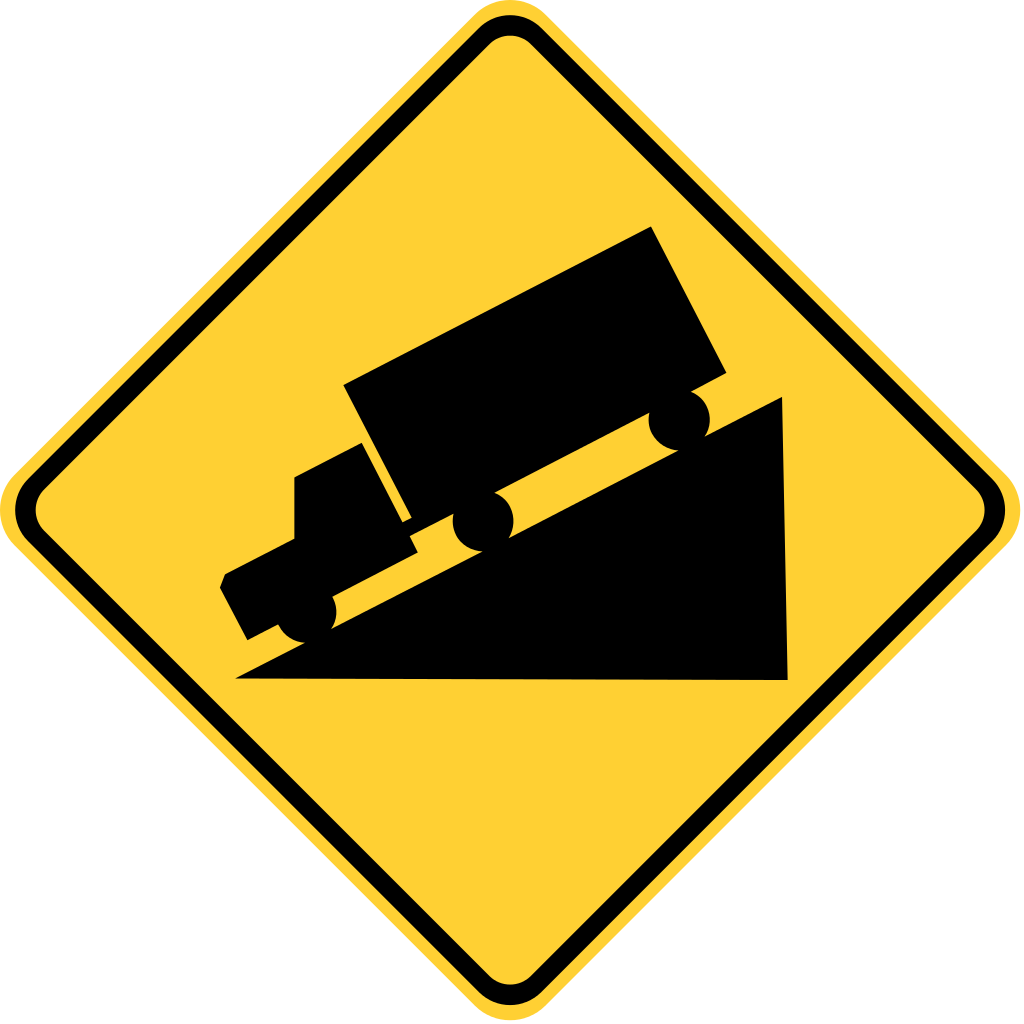 When they see this sign, drivers should:
A
be ready to brake sharply and stop.
B
be ready to shift to lower gear.
C
yield to trucks coming from the hill on the right.
This traffic sign indicates: be ready to shift to lower gear. Observing and obeying all roadway signs ensures safe traffic flow and legal driving.
Question 23:
At intersections marked with stop lines, drivers must:
A
come to a complete stop.
B
slow down and enter the intersection.
C
signal other vehicles to stop.
The correct driving rule is: come to a complete stop. Following standard DMV road rules and practicing defensive driving ensures safety for all road users.
Question 24:
 This road sign means:
A
Cars in right lane must slow down
B
Merging traffic ahead
C
Pass only in the right lane
D
No left turn
This traffic sign indicates: Merging traffic ahead. Observing and obeying all roadway signs ensures safe traffic flow and legal driving.
Question 25:
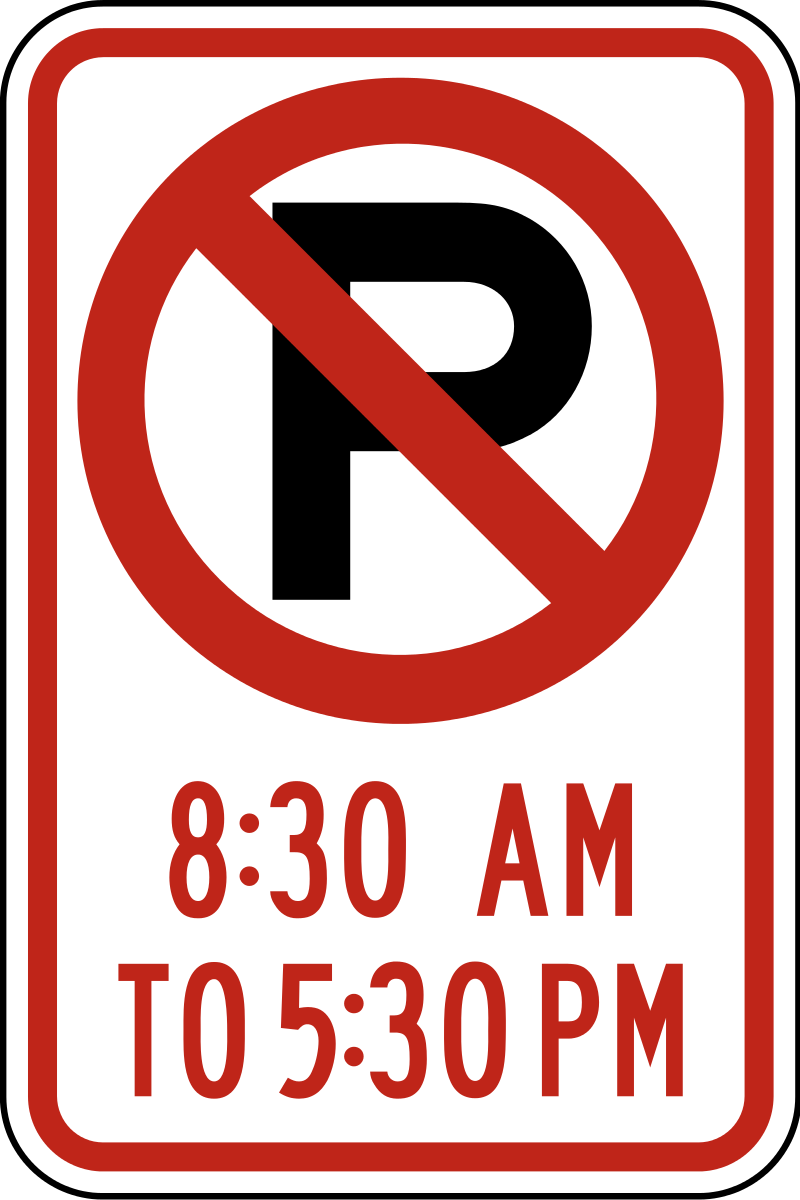 It's 10 AM. This sign tells you that:
A
you are allowed to park until 5:30 PM.
B
you must display a special permit in order to park here.
C
you are not allowed to park here.
This traffic sign indicates: you are not allowed to park here. Observing and obeying all roadway signs ensures safe traffic flow and legal driving.