Question 1:
When you make a left turn from a two-way road into a four-lane highway, you must:
A
enter the left lane, to the right of the center line.
B
enter the right lane, to the left of the center line.
C
go straight through the intersection, and then make the turn.
Defensive driving guidelines state that: enter the left lane, to the right of the center line. Anticipating road hazards and communicating maneuvers keeps traffic predictable and safe.
Question 2:
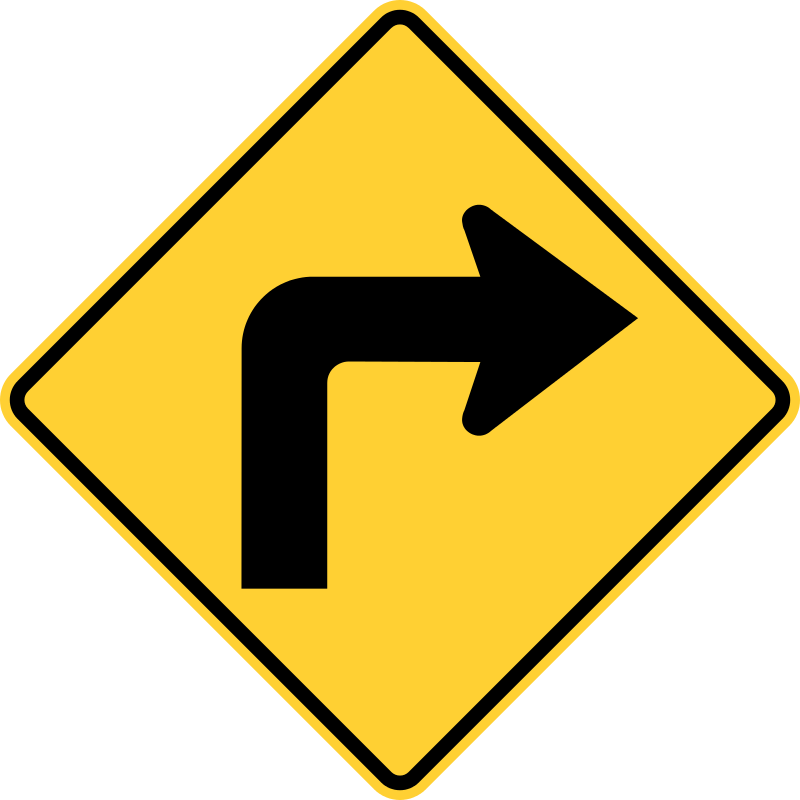 This road sign means:
A
School zone ahead
B
Side road
C
Construction zone ahead
D
Sharp turn, slow down
This traffic sign indicates: Sharp turn, slow down. Observing and obeying all roadway signs ensures safe traffic flow and legal driving.
Question 3:
Which shape is a speed limit sign?
A
Round
B
Pentagon
C
Vertical rectangle
For safe speed and stopping control: Vertical rectangle. Adjusting speed to match visibility and road traction prevents loss of steering grip.
Question 4:
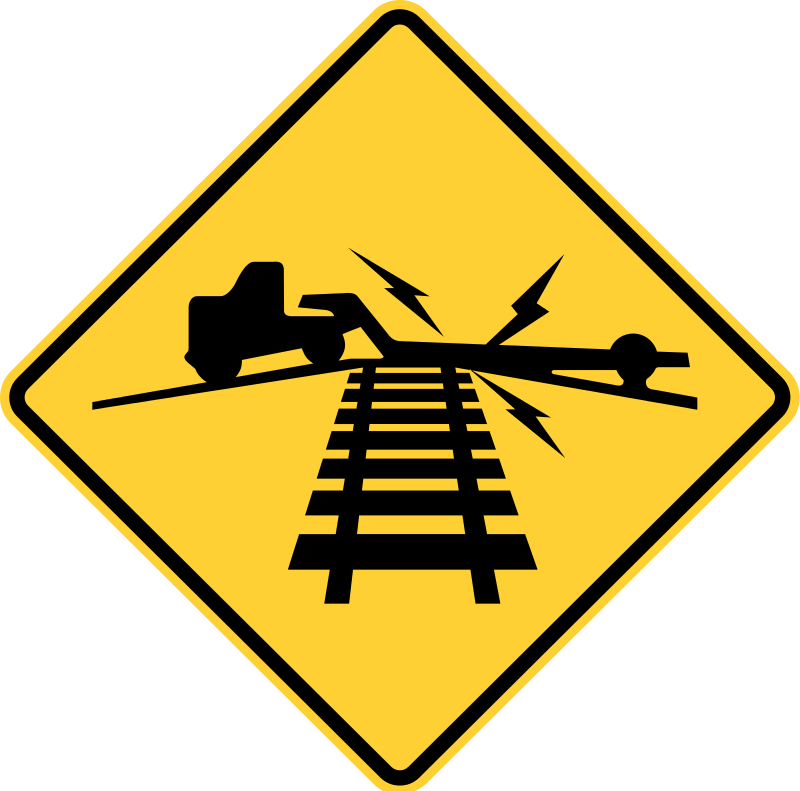 This road sign means:
A
Winding road ahead
B
Pedestrian crossing
C
Low ground railroad crossing
D
No-passing zone
Circular signs with an 'X' and 'RR' designate a Railroad Advance Warning: Low ground railroad crossing. Drivers must slow down, look both ways, listen for trains, and be prepared to stop.
Question 5:
Diamond-shaped signs:
A
are used to warn of hazards on roadways.
B
indicate no pass zones.
C
typically provide guidance to drivers.
The correct driving rule is: are used to warn of hazards on roadways. Following standard DMV road rules and practicing defensive driving ensures safety for all road users.
Question 6:
 If you are blinded by headlights on an approaching vehicle, you should:
A
avoid looking directly at the bright lights.
B
glance toward the side of the road, then look quickly ahead to determine the other vehicle’s position.
C
use the road edge as a guide until the approaching vehicle passes by.
D
All of the above.
All of the listed points are essential driving requirements: avoid looking directly at the bright lights; glance toward the side of the road, then look quickly ahead to determine the other vehicle’s position; use the road edge as a guide until the approaching vehicle passes by. Practicing each ensures compliance with DMV safety laws.
Question 7:
What should you do if a vehicle is approaching head-on in your lane?
A
Pull over to the left and use your emergency lights to stop the other driver.
B
Decrease speed, pull over to the right and sound your horn to warn the other driver.
C
Turn off the ignition if your vehicle has power steering.
The correct driving rule is: Decrease speed, pull over to the right and sound your horn to warn the other driver. Following standard DMV road rules and practicing defensive driving ensures safety for all road users.
Question 8:
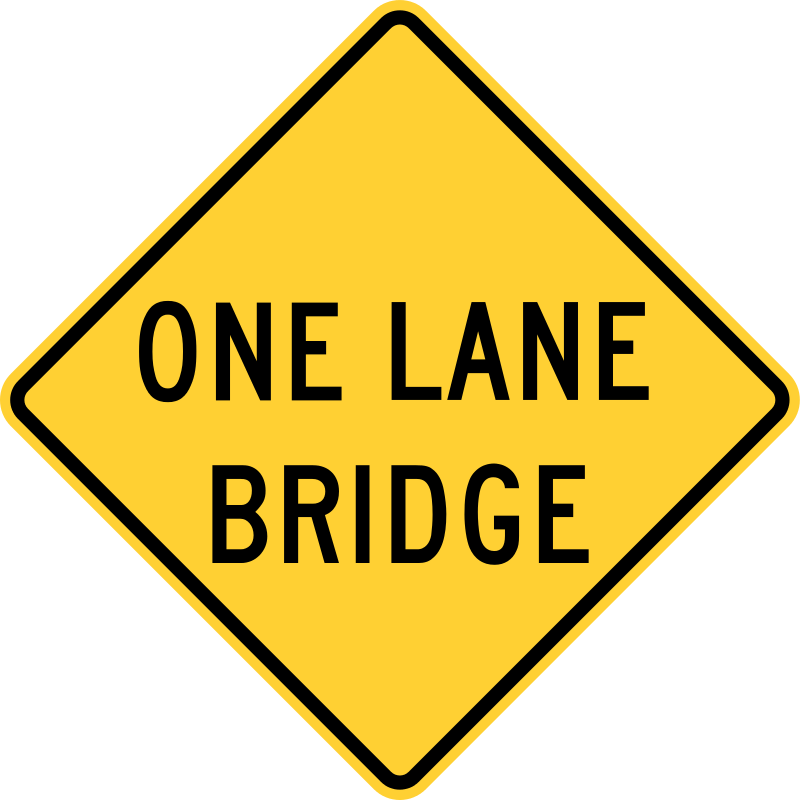
What should drivers do when they see this sign?
A
Allow others to merge smoothly.
B
Merge left.
C
Look to the left and right for other traffic.
D
Make sure the bridge is clear of oncoming traffic before they cross.
This traffic sign indicates: make sure the bridge is clear of oncoming traffic before they cross. Observing and obeying all roadway signs ensures safe traffic flow and legal driving.
Question 9:
If your car goes into water, you should:
A
wait for water to rush in and let it out in small breaths through your nose.
B
call the fire department immediately.
C
remove yourself before it starts to sink.
The correct driving rule is: remove yourself before it starts to sink. Following standard DMV road rules and practicing defensive driving ensures safety for all road users.
Question 10:
Are bicyclists required to obey traffic laws and signs?
A
No, bicyclists are considered pedestrians when it comes to the rules of the road.
B
Yes.
C
Yes, but only if they are riding in a bicycle lane.
The correct driving rule is: Yes. Following standard DMV road rules and practicing defensive driving ensures safety for all road users.
Question 11:
 This road sign means:
A
No right turn
B
Divided highway ends
C
Lane ends
D
Two way Traffic
This traffic sign indicates: Lane ends. Observing and obeying all roadway signs ensures safe traffic flow and legal driving.
Question 12:
Double solid lines on the roadway mean:
A
you cannot pass.
B
you can not go across the lines except to turn left to enter or leave the highway.
C
All of the above.
All of the listed points are essential driving requirements: you cannot pass; you can not go across the lines except to turn left to enter or leave the highway. Practicing each ensures compliance with DMV safety laws.
Question 13:
As you drive on the expressway, make sure:
A
you cut off vehicles behind you when you change lanes.
B
to signal all lane changes.
C
your directional signal goes off before you change lanes.
The correct driving rule is: to signal all lane changes. Following standard DMV road rules and practicing defensive driving ensures safety for all road users.
Question 14:
If you missed your exit on a freeway, you should:
A
use the right turn signal, check your mirrors and move to the right.
B
None of the above.
C
go to the next exit and come back to the exit you missed.
D
make a quick U-turn from your lane of travel.
Defensive driving guidelines state that: go to the next exit and come back to the exit you missed. Anticipating road hazards and communicating maneuvers keeps traffic predictable and safe.
Question 15:
Braking distance is affected by:
A
the condition of your brakes and tires.
B
pavement conditions.
C
the speed your vehicle is traveling.
D
All of the above.
Hazardous road and weather conditions require extra caution: the condition of your brakes and tires; pavement conditions; the speed your vehicle is traveling. Reducing speed and expanding following distance preserves control.
Question 16:
If the entrance lane is too short to allow acceleration to expressway speed, you should:
A
stop and wait for a large space in traffic.
B
enter the expressway and accelerate quickly.
C
reduce your speed to 15 MPH or less and blend with traffic.
For safe speed and stopping control: stop and wait for a large space in traffic. Adjusting speed to match visibility and road traction prevents loss of steering grip.
Question 17:
Your red traffic signal changes to green while a pedestrian is crossing in your traffic lane. The right of way should be given:
A
by the pedestrian, but only when vehicles are turning left.
B
by the pedestrian.
C
to the pedestrian.
Circular signs with an 'X' and 'RR' designate a Railroad Advance Warning: to the pedestrian. Drivers must slow down, look both ways, listen for trains, and be prepared to stop.
Question 18:
When you pass another vehicle, before you return to the right lane, you must:
A
look at your interior rear-view mirror.
B
signal.
C
All of the above.
All of the listed points are essential driving requirements: look at your interior rear-view mirror; signal. Practicing each ensures compliance with DMV safety laws.
Question 19:
A thumping sound can be a warning:
A
that a tire blowout is about to occur.
B
of a steering failure.
C
of a brake failure.
The correct driving rule is: that a tire blowout is about to occur. Following standard DMV road rules and practicing defensive driving ensures safety for all road users.
Question 20:
Bicyclists must:
A
ride in a bicycle lane, if available.
B
remain to the right when they prepare for a left turn.
C
remain near the left edge of the road.
The correct driving rule is: ride in a bicycle lane, if available. Following standard DMV road rules and practicing defensive driving ensures safety for all road users.
Question 21:
When you drive near parks and playgrounds, you should expect children:
A
not to cross unless they are with an adult.
B
to know when it is safe to cross.
C
to stop at the curb before crossing the street.
D
to suddenly run into the street.
The correct driving rule is: to suddenly run into the street. Following standard DMV road rules and practicing defensive driving ensures safety for all road users.
Question 22:
 This road sign means:
A
All traffic must turn right
B
Two one-way roads merge ahead
C
A side road enters ahead
D
No right turn
This traffic sign indicates: A side road enters ahead. Observing and obeying all roadway signs ensures safe traffic flow and legal driving.
Question 23:
If a driver follows you too closely, you should:
A
move to another lane if possible.
B
activate your stop lights.
C
brake suddenly.
The correct driving rule is: move to another lane if possible. Following standard DMV road rules and practicing defensive driving ensures safety for all road users.
Question 24:
 This sign means:
A
A road crosses the main highway ahead.
B
The divided highway on which drivers are traveling ends ahead.
C
Drivers are coming to a point where another traffic lane joins the one they are on.
This traffic sign indicates: drivers are coming to a point where another traffic lane joins the one they are on. Observing and obeying all roadway signs ensures safe traffic flow and legal driving.
Question 25:
 This road sign means:
A
Slow down or stop
B
Stop
C
Road narrows ahead
This traffic sign indicates: stop. Observing and obeying all roadway signs ensures safe traffic flow and legal driving.