Question 1:
What should drivers do in case of a brake failure?
A
Shift to a lower gear.
B
Tie a white cloth on the left door handle.
C
Brake lightly.
No explanation available.
Question 2:
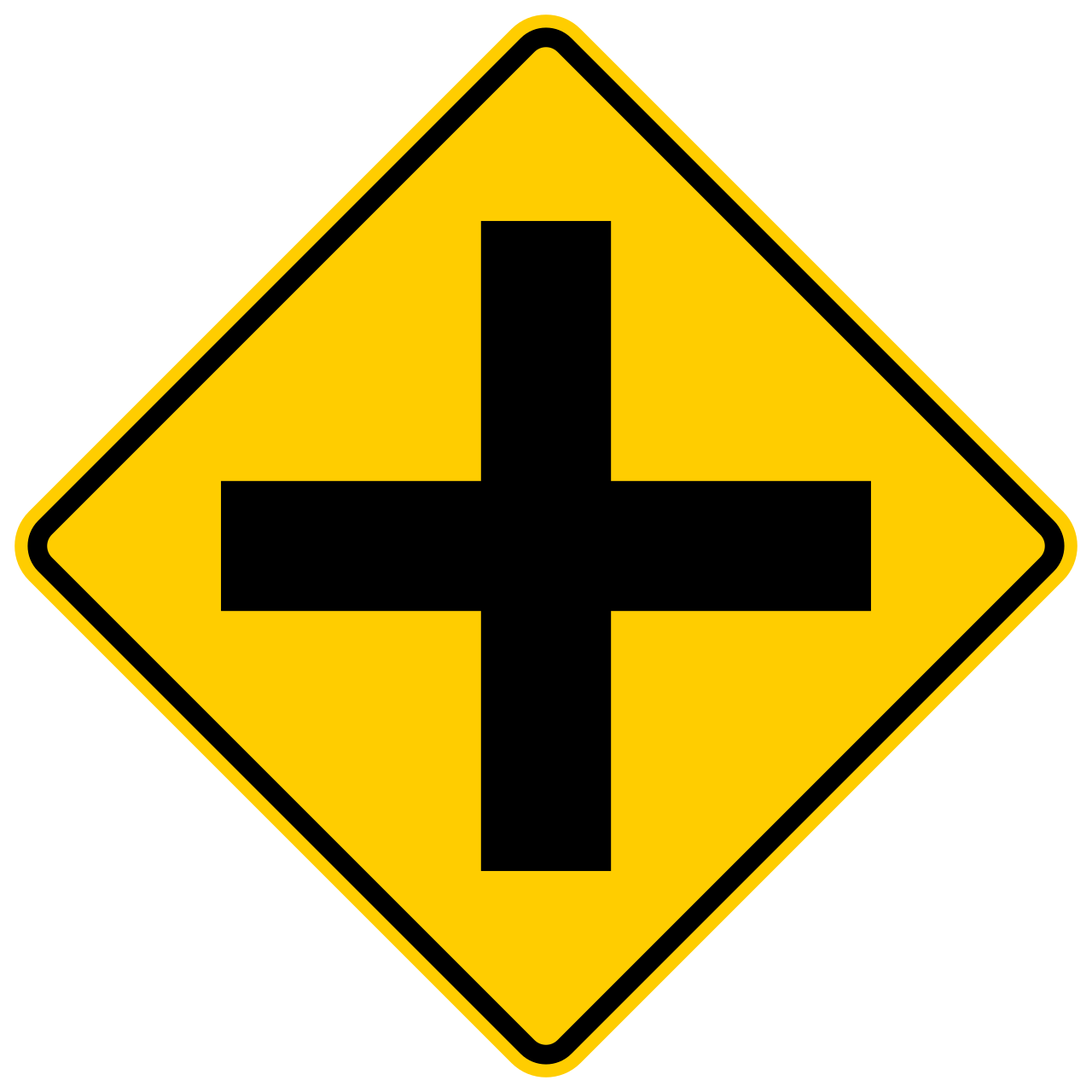 This road sign means:
A
You must turn right
B
Railroad crossing
C
Crossroad ahead
D
4-way stop
No explanation available.
Question 3:
If your gas pedal is stuck, you should:
A
hook your shoe under the pedal and see if you can free it. If not, shift into neutral and use the brake to slow your vehicle and get off the road.
B
ease your foot off the gas pedal and brake gently.
C
turn off the ignition if your vehicle has power steering.
No explanation available.
Question 4:
After parking, are you allowed to open a door on the road side of your vehicle?
A
Yes, always.
B
Yes, but only if it does not interfere with bicyclists and other traffic.
C
No, never.
No explanation available.
Question 5:
If another vehicle passes you on the left, you must:
A
increase your speed slightly and keep to the right.
B
decrease your speed, then pull over to the right and stop.
C
decrease your speed slightly and keep to the right.
No explanation available.
Question 6:
Your BAC depends on:
A
how much alcohol you drink.
B
how much time passes between drinks.
C
All of the above.
No explanation available.
Question 7:
When two cars arrive at an intersection with no signs or signals at the same time, which car has the right-of-way?
A
The car that is traveling faster.
B
The car approaching from the right.
C
The car approaching from the left.
D
The car in which the driver sounds the horn.
No explanation available.
Question 8:
___________ normally are white rectangles with black letters or symbols.
A
Warning signs
B
Destination signs (guide signs)
C
Regulation signs (regulatory signs)
No explanation available.
Question 9:
 This road sign warns drivers that:
A
left turns are not allowed at the intersection.
B
the road will make a sharp turn to the right.
C
another road enters the highway from the direction shown.
No explanation available.
Question 10:
 This road sign means:
A
Yield the right-of-way to oncoming vehicles
B
Stop if necessary
C
You must make a complete stop
D
Slow down or stop
No explanation available.
Question 11:
Aggressive driving includes:
A
quick lane changes without a signal.
B
chasing or challenging other drivers.
C
All of the above.
No explanation available.
Question 12:
Alcohol:
A
makes drivers more prone to take chances.
B
increases reaction time.
C
All of the above.
No explanation available.
Question 13:
 This sign means:
A
The road will curve to the right.
B
Left turns are not allowed at the intersection.
C
Do not turn right.
No explanation available.
Question 14:
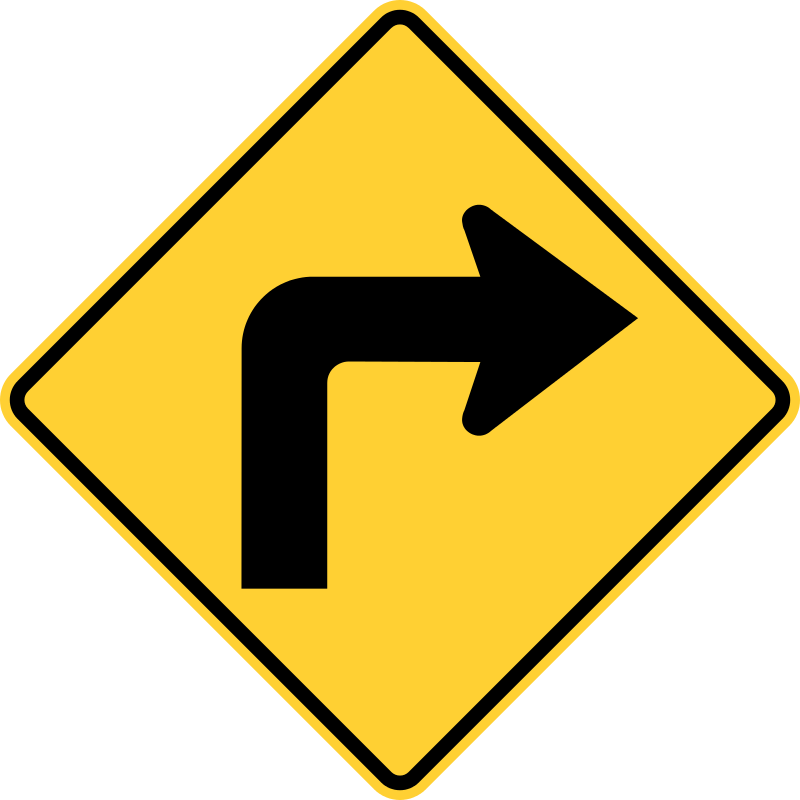 This sign warns drivers that:
A
the road will make a sharp turn to the right.
B
right turns are not allowed.
C
another road enters the highway from the direction shown.
No explanation available.
Question 15:
When you get in a car to drive, the first thing you should do is:
A
check your rear view mirror.
B
adjust the steering wheel.
C
adjust your seat belt.
D
adjust your seat.
No explanation available.
Question 16:
When you come to an intersection with a flashing red light, you must:
A
stop at the intersection, then proceed when safe and observe the right-of-way rules.
B
slow down and drive carefully through the intersection.
C
stop at the intersection and wait for a flashing green light.
D
stop only if cars are approaching the intersection.
No explanation available.
Question 17:
At a stop sign there is no stop line or crosswalk. You must stop:
A
before you enter the intersection.
B
at the next crosswalk.
C
after you enter the intersection, if you have a clear view of traffic on the intersecting roadway.
No explanation available.
Question 18:
When a traffic signal light turns green, you should:
A
back up slowly.
B
yield the right-of-way to pedestrians.
C
yield the right-of-way to larger vehicles.
D
wait 5 seconds before proceeding.
No explanation available.
Question 19:
This road sign means:
A
Crossroad
B
Hospital parking ahead
C
Merge
No explanation available.
Question 20:
What is the first thing you should do if your wheels move off the pavement?
A
Pull the steering wheel back.
B
Pull over to the right and sound your horn to warn the other drivers.
C
Ease your foot off the gas pedal and brake gently.
No explanation available.
Question 21:
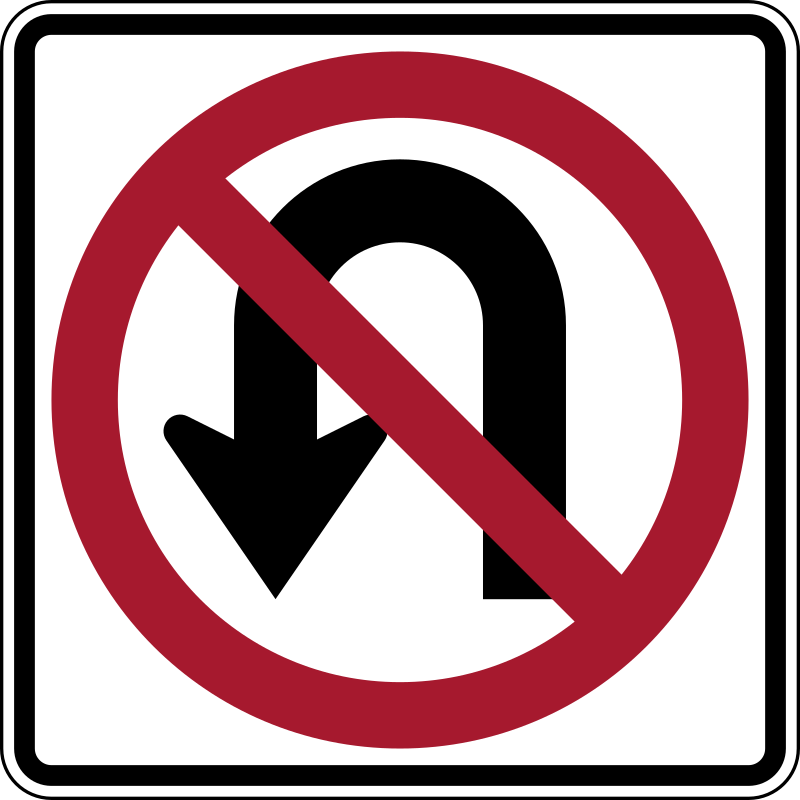 This road sign means:
A
No left turn
B
No U-turn
C
Detour ahead
No explanation available.
Question 22:
When drivers see the ‘Wrong Way’ sign:
A
they are going the wrong way on an expressway exit ramp.
B
they must drive past this sign and reach the next intersection.
C
they must not leave the pavement except in an emergency.
No explanation available.
Question 23:
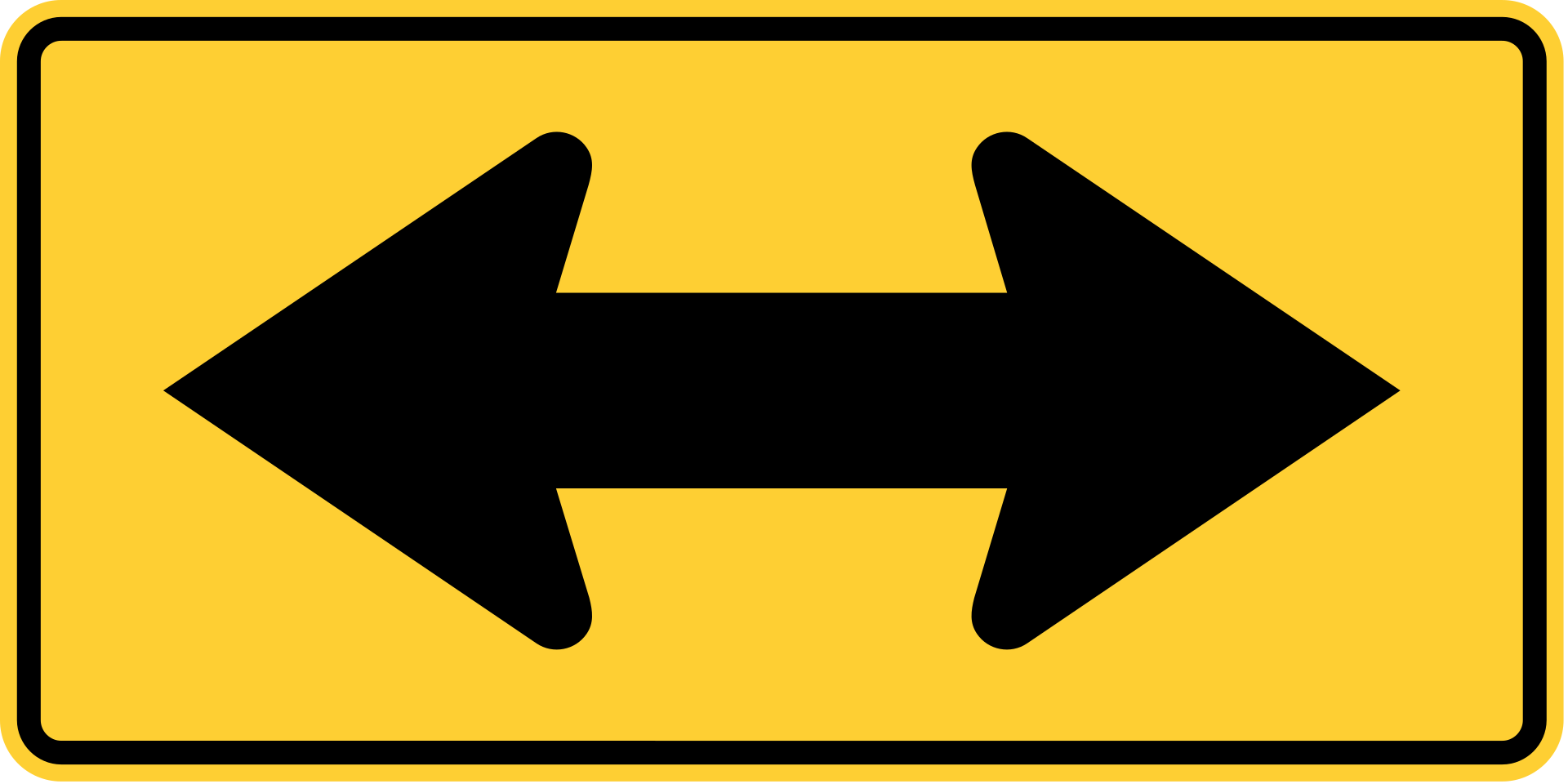 This road sign tells drivers that:
A
they must change lane immediately.
B
they must turn either to the right or left.
C
the one-way street or roadway ahead ends.
D
None of the above.
No explanation available.
Question 24:
The minimum drinking age in this State is ____ years.
A
20
B
21
C
9
D
18
No explanation available.
Question 25:
On slippery roads, drivers should:
A
slow down.
B
increase their speed to avoid hydroplaning.
C
not drive faster than 25 MPH.
D
go faster.
No explanation available.
Question 26:
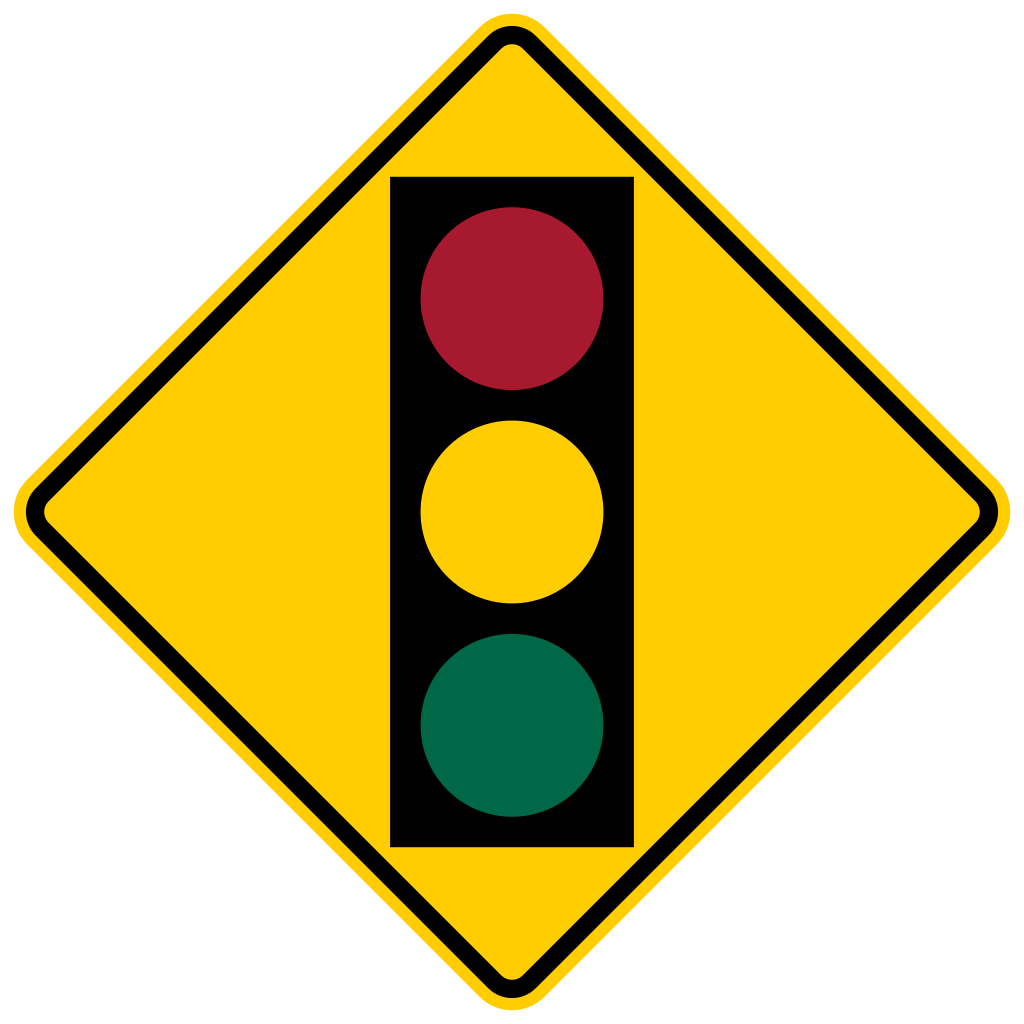 This sign means:
A
No traffic signal ahead
B
Traffic signal ahead
C
Open intersection ahead
No explanation available.
Question 27:
When they see a crossbuck sign, drivers:
A
must slow down and wait for the red lights to flash.
B
must always come to a complete stop.
C
are legally required to yield the right of way to trains.
No explanation available.
Question 28:
A driver should be extra alert for motorcyclists, bicycles and pedestrians. Why?
A
They obey specific traffic laws.
B
They always have the right-of-way.
C
They are hard to see in traffic.
D
They don’t have rearview mirrors.
No explanation available.
Question 29:
The shape of a route sign tells you:
A
the type of route you are on.
B
the speed limit on that route.
C
that the route you are on might be dangerous.
No explanation available.
Question 30:
Where there is no bicycle lane, where on the road must a bicyclist ride?
A
on the left shoulder of the road.
B
near the right curb or edge of the road.
C
near the left edge of the road.
No explanation available.
Question 31:
Drive below the posted speed limit when:
A
anything makes conditions less than perfect.
B
you are on a four lane road.
C
entering a highway where there are other cars.
D
others drive below the speed limit.
No explanation available.
Question 32:
This sign warns drivers of:
A
a side road.
B
a sharp turn.
C
a cross road.
No explanation available.
Question 33:
For protection, motorcyclists are required to:
A
keep their headlights and taillights on at all times.
B
signal turns, lane changes and stops.
C
wear approved helmets.
No explanation available.
Question 34:
An emergency vehicle that uses lights and a siren can be unpredictable. Why?
A
The driver can legally pass red lights.
B
Emergency vehicles must go faster than the posted speed limit when it is safe to do so.
C
Emergency vehicle drivers are not required to be careful.
No explanation available.
Question 35:
When you make a left turn from a one-way road into a two-way road, you must:
A
enter the two-way road to the left of its center line.
B
make a U-turn into the two-way road.
C
enter the two-way road to the right of its center line.
No explanation available.
Question 36:
What should you do in case of a steering failure?
A
Pump your gas pedal a few times to increase the pressure.
B
Don't panic. Turn on your emergency lights to let other drivers know you are having car problems. Move toward the side of the road and bring the car to a gradual stop.
C
Leave the road immediately.
No explanation available.
Question 37:
A steady yellow light at an intersection means:
A
Proceed with caution through the intersection
B
Slow down and be prepared to stop
C
Immediately come to a complete stop
D
Yield to other vehicles
No explanation available.
Question 38:
What should you do when an aggressive driver confronts you?
A
Avoid eye contact with the aggressive driver.
B
Make eye contact.
C
Challenge the aggressive driver with increased speed.
No explanation available.
Question 39:
When approaching a railroad crossing drivers should:
A
slow down.
B
be ready to stop.
C
look for a train.
D
All of the above.
No explanation available.
Question 40:
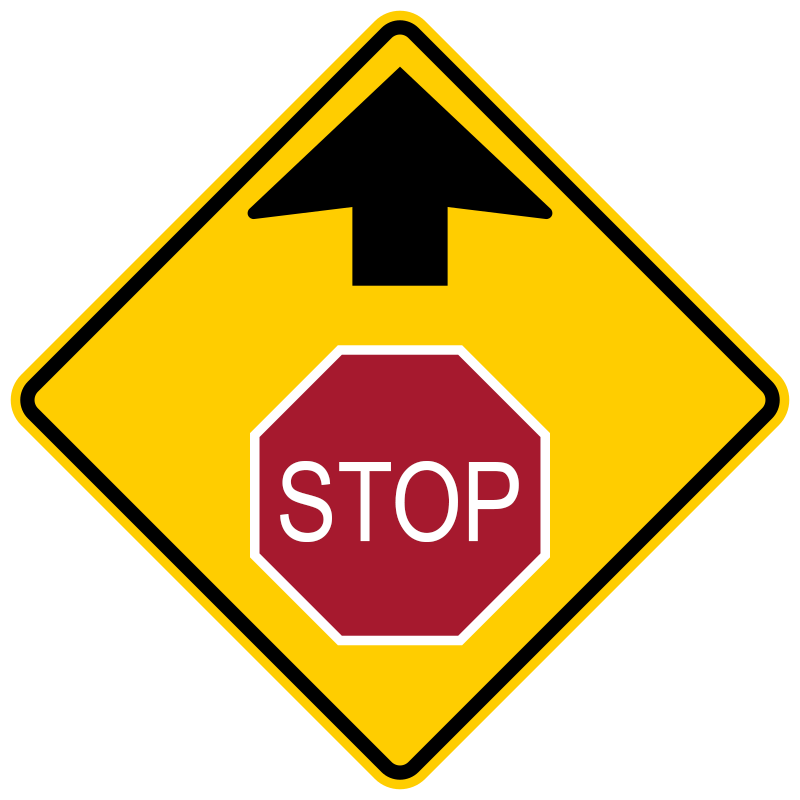 When drivers come to this sign, they must:
A
be ready to stop at the stop sign.
B
warn other drivers that a stop sign is ahead.
C
brake sharply and come to a complete stop.
No explanation available.