Question 1:
 This road sign means:
A
Merging traffic from the right
B
Sharp curves ahead
C
Intersection ahead
No explanation available.
Question 2:
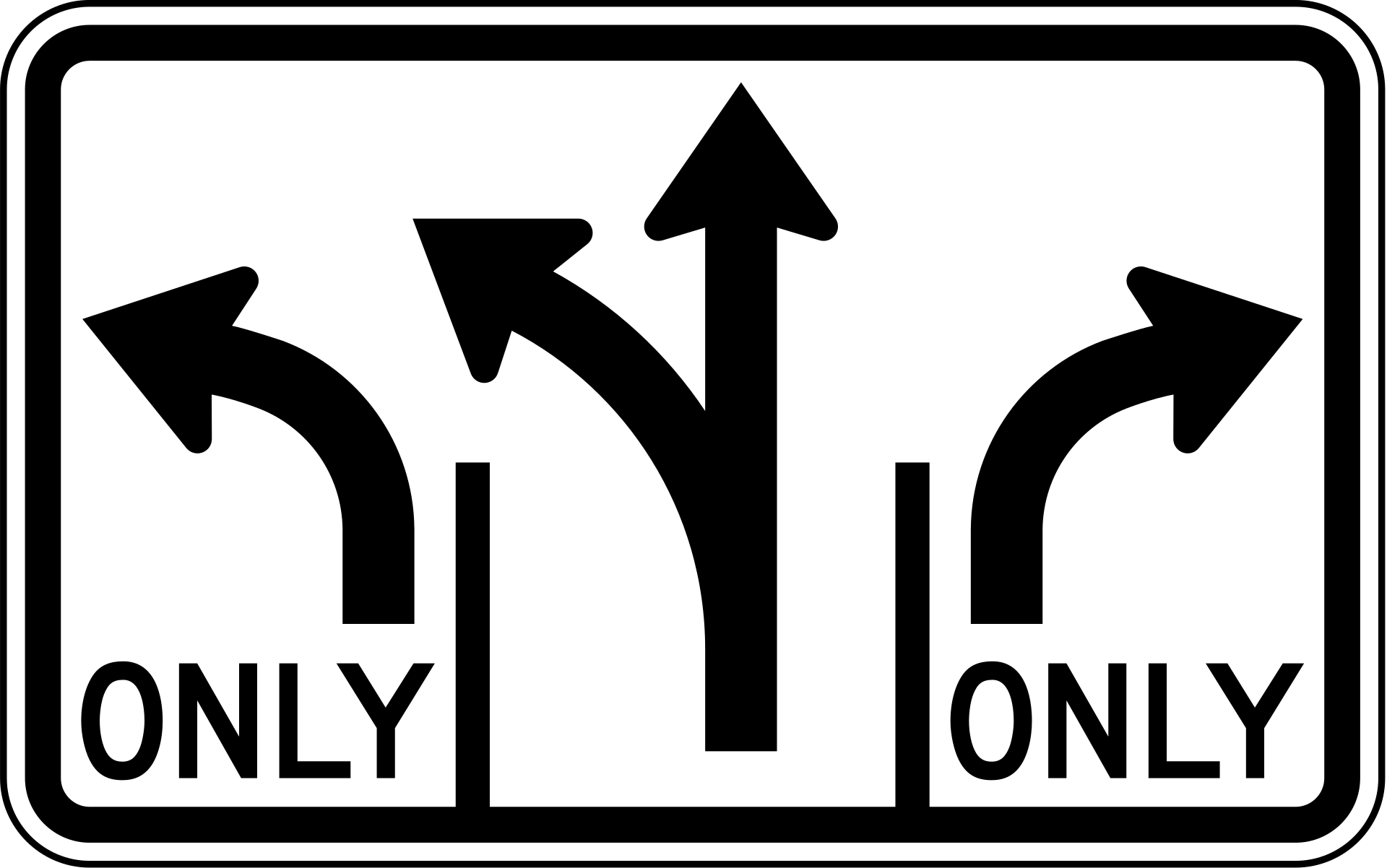 This regulatory sign tells drivers that:
A
traffic in the left lane must turn left at the intersection ahead.
B
all vehicles must turn left immediately.
C
traffic in the right lane must go straight.
No explanation available.
Question 3:
 When they see this sign, drivers should:
A
increase their speed and keep well to the right.
B
slow down and keep well to the right.
C
slow down and keep well to the left.
No explanation available.
Question 4:
When the driver behind you wants to pass, you should:
A
change lanes.
B
speed up.
C
use your brake lights.
D
slow down to allow room for the other driver to complete the pass safely.
No explanation available.
Question 5:
At night, it is hardest to see:
A
street lights.
B
pedestrians.
C
other motorists.
D
road signs.
No explanation available.
Question 6:
A flashing yellow traffic signal means:
A
Slow down and be alert at the upcoming intersection.
B
The same thing as a stop sign.
C
Stop and proceed when a green light appears.
D
No right turn.
No explanation available.
Question 7:
This road sign means:
A
Winding Road Ahead
B
Persons with Disabilities Parking
C
Merge
No explanation available.
Question 8:
A vehicle that enters a road from a driveway:
A
has the right-of-way.
B
must yield to traffic approaching from the right, while it has the right-of-way over vehicles approaching from the left.
C
must stop and yield the right-of-way to traffic on the roadway and to pedestrians.
No explanation available.
Question 9:
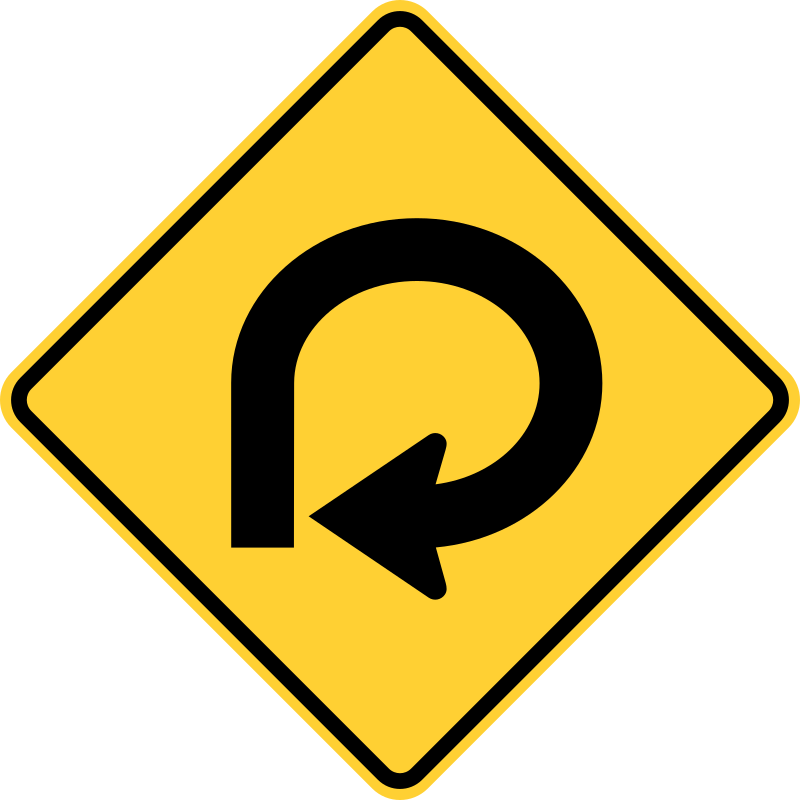 This sign means:
A
Roundabout ahead.
B
270 degree turn ahead.
C
Wrong way; Turn around immediately.
No explanation available.
Question 10:
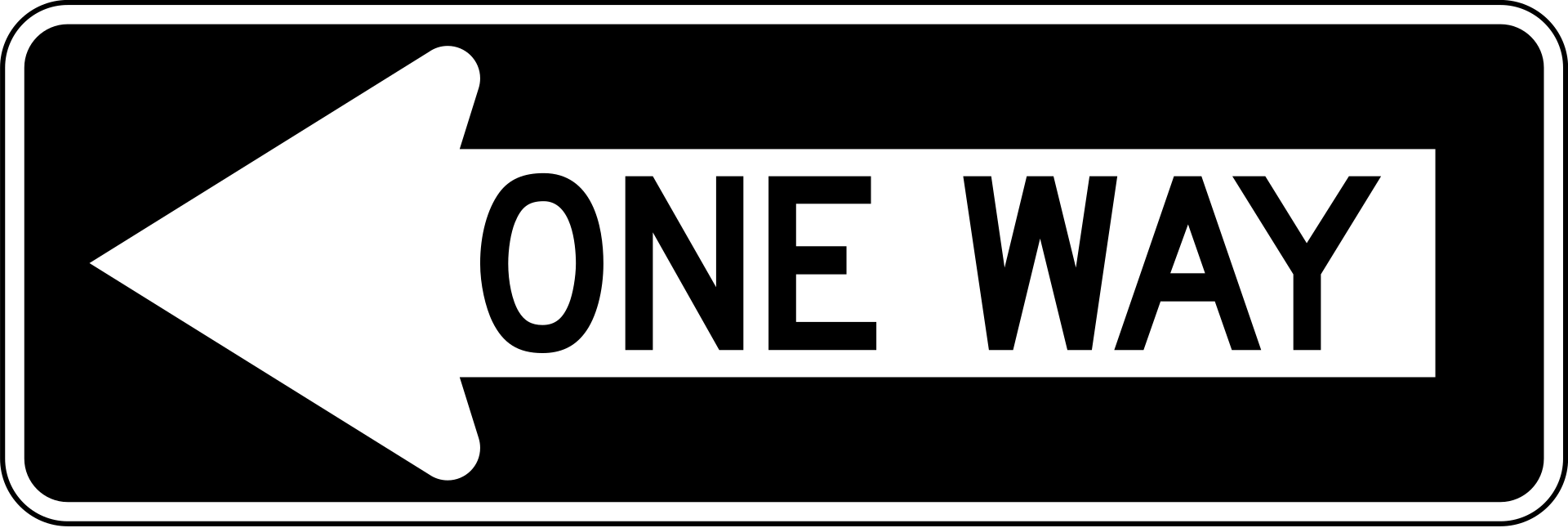 This road sign means:
A
Traffic flows only in the direction of the arrow
B
Turn right or left
C
No right turn
D
Sharp curve ahead
No explanation available.
Question 11:
Where must you position your vehicle when you prepare to make a left turn from a two-way roadway into a one-way roadway?
A
As far to the right as possible.
B
On the right curb.
C
As close as possible to the center line.
No explanation available.
Question 12:
When driving near light rail vehicles, drivers should:
A
never drive around lowered crossing gates.
B
expect trains on any track at any time.
C
always obey signs and traffic signals.
D
All of the above.
No explanation available.
Question 13:
If a traffic officer signals you to drive through a red light:
A
you must do it.
B
you must wait for the red light to turn green.
C
you must not obey the officer. Signs and signals take precedence over directions given by traffic officers.
No explanation available.
Question 14:
 This road sign means:
A
No parking
B
Yield
C
No left turn
D
Divided highway
No explanation available.
Question 15:
 This sign means drivers should:
A
not drive in this lane.
B
give the right-of-way to traffic on the road they wish to enter.
C
proceed at normal speed through the upcoming intersection.
D
come to a complete stop and check for oncoming traffic before proceeding.
No explanation available.
Question 16:
To drive defensively, you must:
A
anticipate errors by other drivers.
B
assume that a driver who approaches a STOP sign on a side road is actually going to stop.
C
not check behind you through your mirrors.
No explanation available.
Question 17:
When driving on major highways you should:
A
be ready to react to road hazards.
B
stay alert.
C
keep your eyes moving.
D
All of the above.
No explanation available.
Question 18:
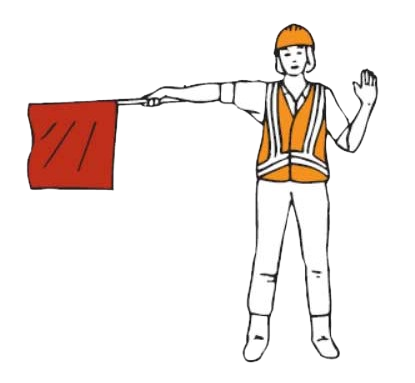 This signal means:
A
Stop
B
Move to the left
C
Slow down
D
Proceed
No explanation available.
Question 19:
BAC is expressed in:
A
percentage of alcohol to blood.
B
percentage of blood to alcohol.
C
ounces of alcohol in your blood.
No explanation available.
Question 20:
When changing lanes, you should not:
A
signal your intentions early.
B
check your side and rear view mirrors.
C
use the inside rearview mirror to check for blind spots
D
check to see if other drivers are moving into the same lane.
No explanation available.
Question 21:
 This road sign means:
A
Divided highway ahead
B
Two-way traffic ahead
C
Four-lane traffic ahead
No explanation available.
Question 22:
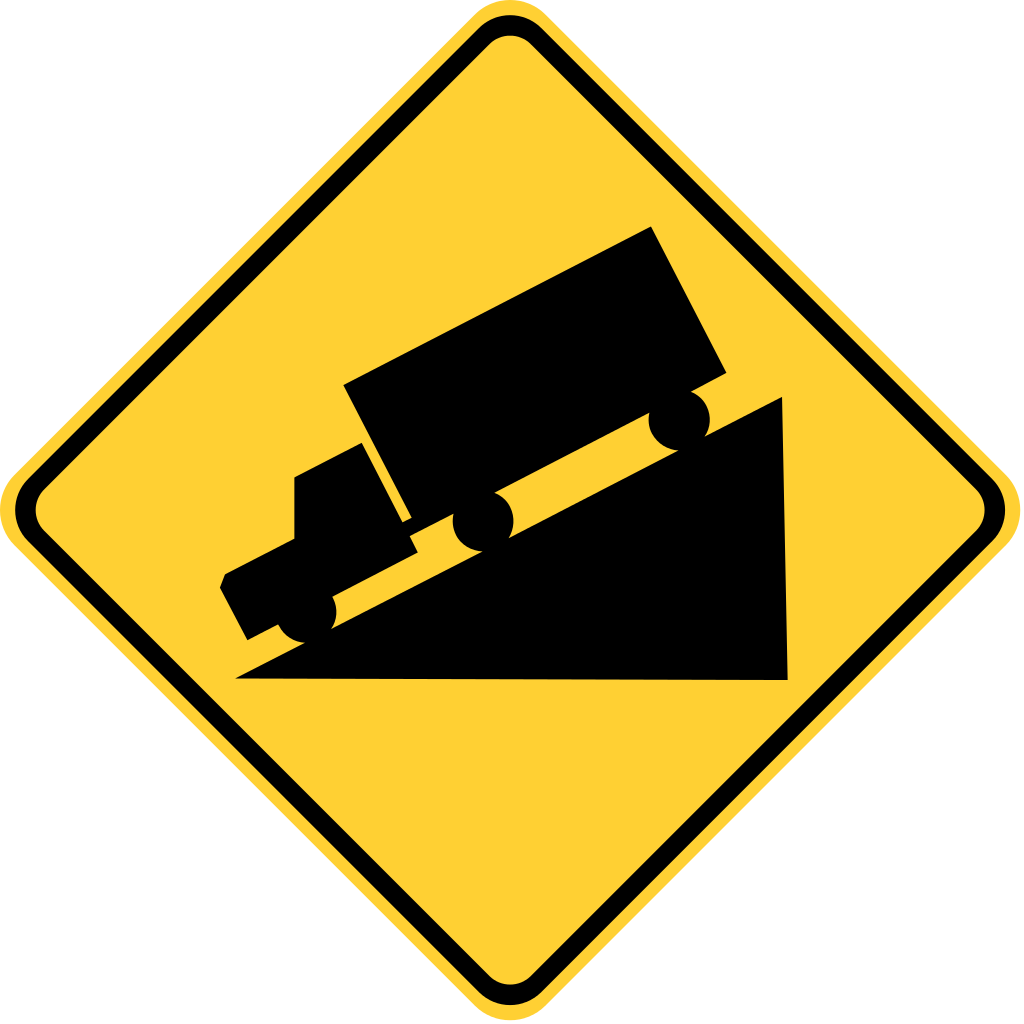 This road sign means:
A
Merging traffic
B
Steep grade ahead
C
Intersection ahead
No explanation available.
Question 23:
If your brakes are wet, you can dry them by:
A
riding the pedal lightly.
B
pull over to the right and wait until it stops raining.
C
having them checked by a mechanic.
No explanation available.
Question 24:
 This sign indicates:
A
A slow-moving vehicle
B
A no-passing zone
C
Yield
No explanation available.
Question 25:
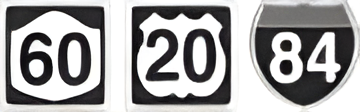 These are:
A
route signs.
B
miles-left signs.
C
speed limit signs.
No explanation available.
Question 26:
On what three conditions does your blood alcohol content (BAC) depend?
A
Your weight. How much alcohol you drink. How much time passes between drinks.
B
Your weight. The type of beverage you drink. How fit you are.
C
Your height. How much alcohol you drink. The type of beverage you drink.
No explanation available.
Question 27:
Road signs that point out scenic areas and parks are:
A
brown and white.
B
black and orange.
C
green and white.
No explanation available.
Question 28:
In the following situations, drivers should increase their following interval:
A
When following vehicles that are required to come to a stop at railroad crossings.
B
When it is hard to see ahead because of bad weather.
C
All of the above.
No explanation available.
Question 29:
What should you do if your headlights suddenly go out?
A
Brake immediately and activate your emergency lights.
B
Use your emergency lights, parking lights or directional signals.
C
Ease your foot off the gas pedal and brake gently.
No explanation available.
Question 30:
A driver cuts off another vehicle, or threatens another motorist or a pedestrian. These are examples of:
A
excessive driving
B
road rage
C
defensive driving
No explanation available.
Question 31:
This road sign means:
A
No right turn
B
No left turn
C
Narrow Bridge
D
Steep downgrade
No explanation available.
Question 32:
After you stop for a school bus, you must:
A
turn off your engine.
B
pass the bus before the red lights stop flashing.
C
None of the above.
No explanation available.
Question 33:
Blind spots around a large vehicle are _________________ than the blind spots around a car.
A
larger and deeper
B
less dangerous
C
narrower and shorter
No explanation available.
Question 34:
If you stop along the road at night:
A
turn on your emergency flashers and leave your low beams on.
B
turn off your emergency lights and leave your high beams on.
C
turn on your headlights only.
D
turn off all your lights.
No explanation available.
Question 35:
Before a school bus stops to load passengers, the driver will usually flash:
A
yellow warning lights.
B
red warning lights.
C
red lights.
No explanation available.
Question 36:
This sign warns ____________ ahead.
A
of two-way traffic
B
of a reduction of lanes
C
that a divided highway ends
No explanation available.
Question 37:
Regulation signs normally are:
A
white triangles.
B
green rectangles.
C
white rectangles.
No explanation available.
Question 38:
Drivers often fail to see a motorcycle headed toward them. Why?
A
It is difficult to judge a motorcycle's speed.
B
Motorcycles are hard to see.
C
All of the above.
No explanation available.
Question 39:
A flashing red traffic light:
A
has the same meaning as a yield sign.
B
is used to indicate a pedestrian crossing.
C
has the same meaning as a stop sign.
D
indicates that you should drive with caution.
No explanation available.
Question 40:
When driving, it is important to keep a space cushion _______ of your vehicle.
A
only on the left and right side
B
only in back
C
on all sides
D
only in front
No explanation available.