Question 1:
When a ‘Road Closed’ sign is displayed, drivers must:
A
make a U-turn.
B
look for a detour or another route.
C
come to a complete stop and wait for the lights to turn green.
The correct driving rule is: look for a detour or another route. Following standard DMV road rules and practicing defensive driving ensures safety for all road users.
Question 2:
When changing lanes, you should remember that:
A
vehicles with two outside mirrors have no blind spots.
B
You only need to turn and look over your right shoulder for lane changes to the right or left.
C
you should look over your left shoulder for a left lane change and your right shoulder for a right lane change.
The correct driving rule is: you should look over your left shoulder for a left lane change and your right shoulder for a right lane change. Following standard DMV road rules and practicing defensive driving ensures safety for all road users.
Question 3:
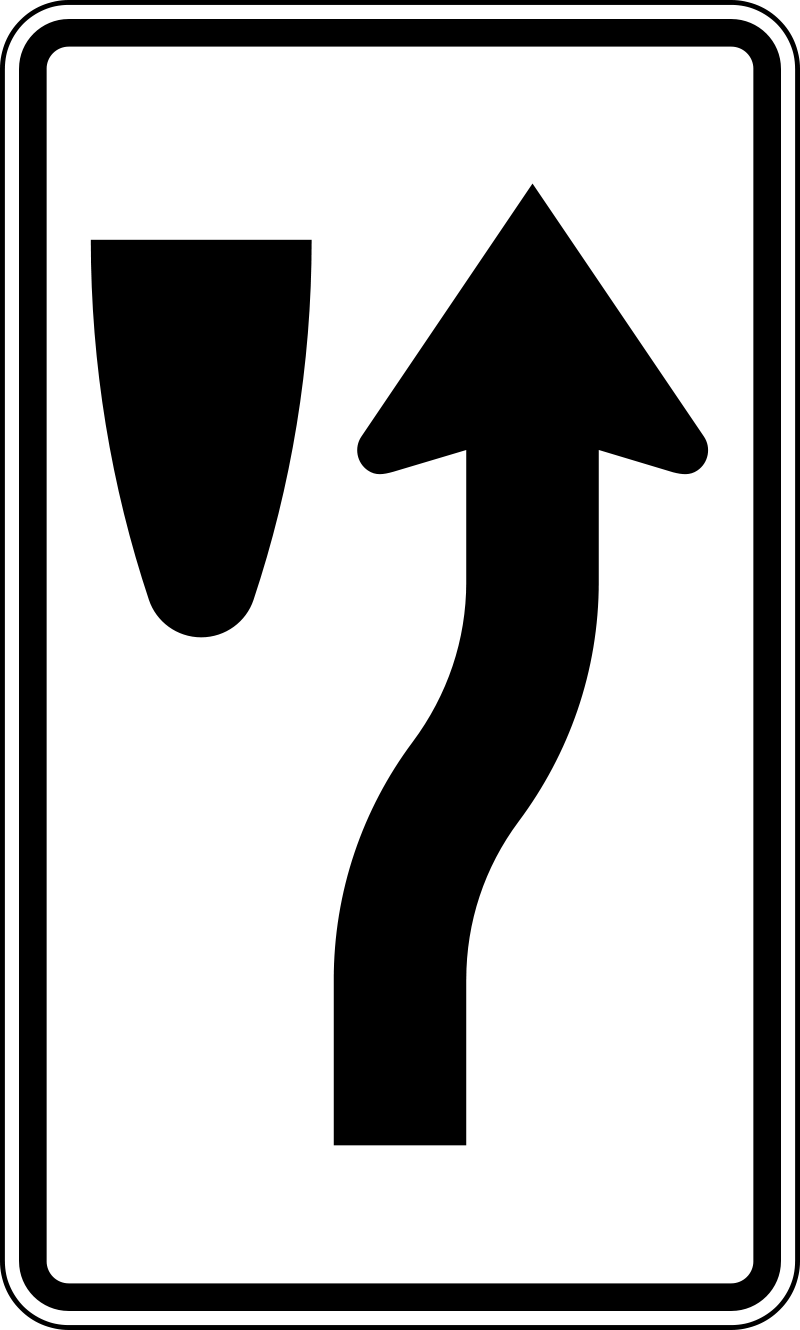 This sign tells drivers that:
A
there is a right turn ahead.
B
they must stay on the right side of the divider
C
a divided highway ends ahead.
This traffic sign indicates: they must stay on the right side of the divider. Observing and obeying all roadway signs ensures safe traffic flow and legal driving.
Question 4:
If you miss your exit on a freeway, do NOT:
A
continue on the freeway and find an alternative route.
B
turn around or back up.
C
get back on the freeway in the opposite direction and return to the exit you want.
Defensive driving guidelines state that: turn around or back up. Anticipating road hazards and communicating maneuvers keeps traffic predictable and safe.
Question 5:
If the vehicle you are driving starts to skid, you should:
A
brake lightly.
B
turn off the ignition.
C
stay off the brakes.
The correct driving rule is: stay off the brakes. Following standard DMV road rules and practicing defensive driving ensures safety for all road users.
Question 6:
The following symptoms are associated with drowsy driving:
A
You continue to yawn.
B
You don’t remember driving the last few miles.
C
All of the above.
Alcohol and impairing substances degrade all critical driving functions: You continue to yawn; You don’t remember driving the last few miles. Driving while impaired carries severe criminal and safety penalties.
Question 7:
Before you change lanes, you should:
A
look for other traffic by turning your head and looking behind you for oncoming traffic.
B
check your left mirror.
C
keep other vehicles out of your blind spots.
The correct driving rule is: look for other traffic by turning your head and looking behind you for oncoming traffic. Following standard DMV road rules and practicing defensive driving ensures safety for all road users.
Question 8:
What is the purpose of minimum speed limits?
A
To keep a smooth traffic flow.
B
To halt the traffic flow.
C
To allow emergency vehicles with red flashing lights to safely pass other vehicles.
For safe speed and stopping control: To keep a smooth traffic flow. Adjusting speed to match visibility and road traction prevents loss of steering grip.
Question 9:
An edge line that angles toward the center of the road indicates that:
A
the road is narrower ahead.
B
there’s a narrow bridge ahead.
C
you must turn right.
The correct driving rule is: the road is narrower ahead. Following standard DMV road rules and practicing defensive driving ensures safety for all road users.
Question 10:
When an aggressive driver confronts you, you should:
A
Try to move away safely.
B
Remain calm and relaxed.
C
All of the above.
All of the listed points are essential driving requirements: Try to move away safely; Remain calm and relaxed. Practicing each ensures compliance with DMV safety laws.
Question 11:
__________ are blue with white letters and symbols.
A
Warning signs
B
Service signs
C
Destination signs (guide signs)
The correct driving rule is: Service signs. Following standard DMV road rules and practicing defensive driving ensures safety for all road users.
Question 12:
A vehicle is stopped at a crosswalk to permit a pedestrian to cross the roadway. The driver of the vehicle approaching from the rear should:
A
sound the horn.
B
overtake and pass the stopped vehicle.
C
not overtake and pass the stopped vehicle.
Drivers must always yield the right-of-way to pedestrians crossing at intersections and crosswalks: not overtake and pass the stopped vehicle. Stop and allow them to clear the lane safely.
Question 13:
When driving in rainy weather, you should:
A
steer and brake smoothly.
B
drive in low gear.
C
steer off the road.
The correct driving rule is: steer and brake smoothly. Following standard DMV road rules and practicing defensive driving ensures safety for all road users.
Question 14:
Which of the following is NOT true about ABS?
A
It improves the vehicle stability.
B
It helps increase your stopping distance.
C
It improves the steering ability.
The correct driving rule is: it helps increase your stopping distance. Following standard DMV road rules and practicing defensive driving ensures safety for all road users.
Question 15:
Alcohol:
A
makes you less aware of what is happening to your driving abilities.
B
makes it easier to make correct decisions.
C
improves your reaction time.
Under state DUI and traffic safety laws: makes you less aware of what is happening to your driving abilities. Alcohol degrades judgment, slows reaction times, and distorts depth perception.
Question 16:
Air bags are meant to _________ seat belts.
A
work with
B
fix
C
replace
The correct driving rule is: work with. Following standard DMV road rules and practicing defensive driving ensures safety for all road users.
Question 17:
Which shape is a warning sign?
A
Diamond
B
Triangle
C
Pennant
This traffic sign indicates: Diamond. Observing and obeying all roadway signs ensures safe traffic flow and legal driving.
Question 18:
A red traffic sign means?
A
Do not enter.
B
Stop.
C
All of the above.
This sign alerts drivers to several mandatory requirements: Do not enter, Stop. Obeying all posted traffic control instructions is required by law.
Question 19:
Which statement about driving and drugs is true?
A
Only illegals drugs can impair your driving.
B
Prescription drugs are safe to use if they don't make you feel drowsy.
C
Even over the counter drugs can impair your driving.
Under state DUI and traffic safety laws: Even over the counter drugs can impair your driving. Alcohol degrades judgment, slows reaction times, and distorts depth perception.
Question 20:
Road signs that direct drivers to services are:
A
brown and white.
B
blue and white.
C
green and white.
The correct driving rule is: blue and white. Following standard DMV road rules and practicing defensive driving ensures safety for all road users.
Question 21:
If you continually pass the other vehicles on a road with one lane in each direction, you will:
A
help prevent the chances of a crash occurring due to traffic congestion.
B
get to your destination much faster.
C
increase your chances of being involved in an accident.
The correct driving rule is: increase your chances of being involved in an accident. Following standard DMV road rules and practicing defensive driving ensures safety for all road users.
Question 22:
___________ normally are white rectangles with black letters or symbols.
A
Warning signs
B
Destination signs (guide signs)
C
Regulation signs (regulatory signs)
The correct driving rule is: Regulation signs (regulatory signs). Following standard DMV road rules and practicing defensive driving ensures safety for all road users.
Question 23:
When following a motorcycle, drivers must remember that motorcycles can ____________ than other vehicles.
A
accelerate much faster
B
stop much more quickly
C
stop much more slowly
Motorcycles can stop rapidly and are easily hidden in vehicle blind spots: stop much more quickly. Always allow an increased following distance of at least 3 to 4 seconds.
Question 24:
Which statement about drinking alcohol and driving is true?
A
Alcohol affects judgement and coordination, which are needed to drive safely.
B
After drinking, a cold shower will sober you up.
C
If you are under the legal BAC limit, your driving is not affected.
Under state DUI and traffic safety laws: Alcohol affects judgement and coordination, which are needed to drive safely. Alcohol degrades judgment, slows reaction times, and distorts depth perception.
Question 25:
What should you do if your brakes fail?
A
Hook your shoe under the pedal and see if you can free it.
B
Turn on your cruise control.
C
Try pumping the brake pedal to increase pressure.
The correct driving rule is: Try pumping the brake pedal to increase pressure. Following standard DMV road rules and practicing defensive driving ensures safety for all road users.
Question 26:
 This sign means:
A
You may make a U-turn.
B
Hairpin corner ahead.
C
You must make a U-turn.
This traffic sign indicates: you must make a U-turn. Observing and obeying all roadway signs ensures safe traffic flow and legal driving.
Question 27:
When a school bus is picking up or dropping off children, you must:
A
slow down and pass the bus with caution.
B
stop if you are driving in the same direction.
C
stop regardless of your direction of travel.
When a school bus displays flashing red lights and extended stop sign: stop regardless of your direction of travel. Traffic in both directions must come to a full stop on undivided roads until children are clear.
Question 28:
A defensive driver:
A
never drives below the speed limit.
B
knows when it is safe to pass other vehicles.
C
considers what other drivers might do and is always prepared to act.
The correct driving rule is: considers what other drivers might do and is always prepared to act. Following standard DMV road rules and practicing defensive driving ensures safety for all road users.
Question 29:
Pentagonal signs are used to indicate:
A
possible hazards on roadways.
B
no passing zones.
C
school crossings.
The correct driving rule is: school crossings. Following standard DMV road rules and practicing defensive driving ensures safety for all road users.
Question 30:
Stopping distances:
A
are not affected by vehicle speed.
B
decrease as vehicle speed increases.
C
increase as vehicle speed increases.
The correct driving rule is: increase as vehicle speed increases. Following standard DMV road rules and practicing defensive driving ensures safety for all road users.
Question 31:
Left turns on a red light are allowed:
A
from a one-way street into a one-way street.
B
Never.
C
at intersections, after stopping, if the way is clear.
When turning left across traffic lanes: from a one-way street into a one-way street. You must yield to all oncoming vehicles and crossing pedestrians before completing the turn.
Question 32:
If you see orange construction signs and cones on a freeway, you must:
A
be prepared for workers and equipment ahead.
B
make a U-turn because the lane ends ahead.
C
maintain your current speed while changing lanes.
Defensive driving guidelines state that: be prepared for workers and equipment ahead. Anticipating road hazards and communicating maneuvers keeps traffic predictable and safe.
Question 33:
When in a vehicle, wear a seat belt:
A
at all times.
B
on long trips.
C
on high-speed highways.
The correct driving rule is: at all times. Following standard DMV road rules and practicing defensive driving ensures safety for all road users.
Question 34:
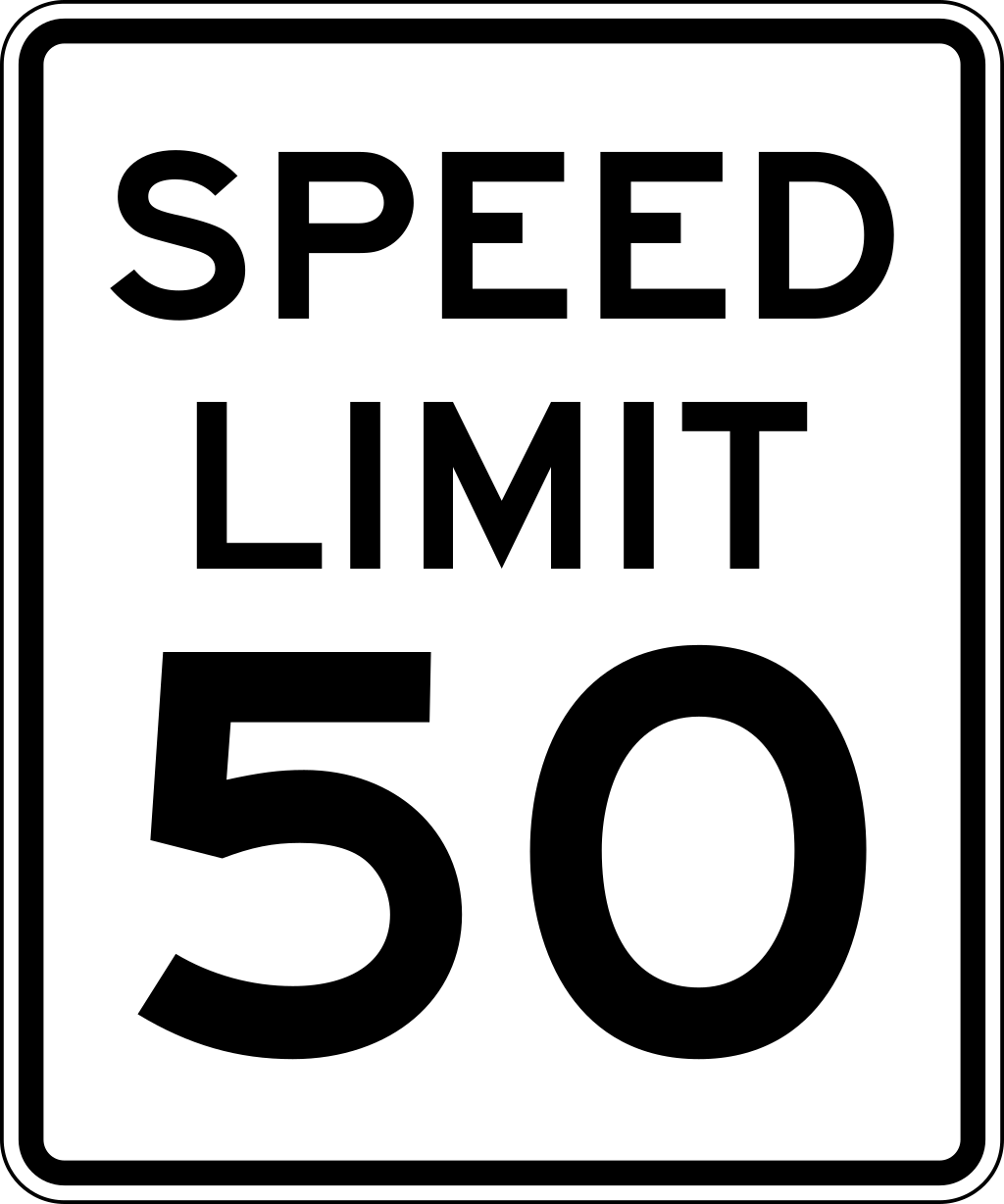 This sign indicates the _______________ vehicles can safely travel in this area.
A
suggested speed
B
maximum speed
C
minimum speed
This traffic sign indicates: maximum speed. Observing and obeying all roadway signs ensures safe traffic flow and legal driving.
Question 35:
To drive defensively, you must:
A
anticipate errors by other drivers.
B
assume that a driver who approaches a STOP sign on a side road is actually going to stop.
C
not check behind you through your mirrors.
The correct driving rule is: anticipate errors by other drivers. Following standard DMV road rules and practicing defensive driving ensures safety for all road users.
Question 36:
 This road sign means:
A
Pavement ends
B
Winding road
C
Double curve ahead
This traffic sign indicates: Winding road. Observing and obeying all roadway signs ensures safe traffic flow and legal driving.
Question 37:
 This is:
A
a side road sign.
B
a merging traffic sign.
C
a right curve sign.
The correct driving rule is: a side road sign. Following standard DMV road rules and practicing defensive driving ensures safety for all road users.
Question 38:
What happens if two vehicles reach at the same time an intersection with four-way stop signs?
A
The driver on the right yields to the driver on the left.
B
The driver on the left yields to the driver on the right.
C
The first vehicle to reach the intersection must yield.
At an uncontrolled intersection or 4-way stop where vehicles arrive at the same time: The driver on the left yields to the driver on the right. The driver on the left must always yield to the driver on the right.
Question 39:
Your driving ability can be affected by:
A
just one drink.
B
three drinks or more.
C
at least two drinks.
The correct driving rule is: just one drink. Following standard DMV road rules and practicing defensive driving ensures safety for all road users.
Question 40:
 This sign means:
A
U-turns are not allowed.
B
Parking is not allowed.
C
No parking on pavement.
This traffic sign indicates: Parking is not allowed. Observing and obeying all roadway signs ensures safe traffic flow and legal driving.