Question 1:
Before crossing any railroad tracks, you must:
A
look and listen for trains.
B
make sure there is room for your vehicle on the other side.
C
All of the above.
All of the listed points are essential driving requirements: look and listen for trains; make sure there is room for your vehicle on the other side. Practicing each ensures compliance with DMV safety laws.
Question 2:
A red arrow on a traffic light means:
A
You may not turn in the direction of the arrow until a green light or arrow light goes on.
B
You may turn in in the direction of the arrow after coming to a complete stop.
C
You must stop and then proceed when the way is clear.
The correct driving rule is: you may not turn in the direction of the arrow until a green light or arrow light goes on. Following standard DMV road rules and practicing defensive driving ensures safety for all road users.
Question 3:
BAC is:
A
the acronym for Beer ACcumulation.
B
the number of ounces of alcohol in your blood.
C
the percentage of alcohol in your blood.
Under state DUI and traffic safety laws: the percentage of alcohol in your blood. Alcohol degrades judgment, slows reaction times, and distorts depth perception.
Question 4:
A crosswalk is:
A
a special type of 4-way intersection.
B
an area designated for blind persons.
C
the area where pedestrians may cross the road.
Drivers must always yield the right-of-way to pedestrians crossing at intersections and crosswalks: the area where pedestrians may cross the road. Stop and allow them to clear the lane safely.
Question 5:
When you pass another vehicle, before you return to the right lane, you must:
A
look at your interior rear-view mirror.
B
signal.
C
All of the above.
All of the listed points are essential driving requirements: look at your interior rear-view mirror; signal. Practicing each ensures compliance with DMV safety laws.
Question 6:
What is the main reason night driving is more difficult than daytime driving?
A
The use of headlight is required by law.
B
Reduced visibility.
C
Driving within the range.
The correct driving rule is: Reduced visibility. Following standard DMV road rules and practicing defensive driving ensures safety for all road users.
Question 7:
Any use of a cell phone while operating a motor vehicle is considered a distraction because:
A
it occupies the driver's mind, hands and eyes.
B
it draws the attention of other drivers.
C
it causes the driver to be concerned about the latest news.
The correct driving rule is: it occupies the driver's mind, hands and eyes. Following standard DMV road rules and practicing defensive driving ensures safety for all road users.
Question 8:
Before entering a curve, you should:
A
pump your brakes several times.
B
activate your turn signal.
C
reduce your speed.
The correct driving rule is: reduce your speed. Following standard DMV road rules and practicing defensive driving ensures safety for all road users.
Question 9:
Night driving can be more difficult because:
A
vehicle speed and distance are harder to judge.
B
there are more cars on the roads at night.
C
the speed limit is increased at night.
The correct driving rule is: vehicle speed and distance are harder to judge. Following standard DMV road rules and practicing defensive driving ensures safety for all road users.
Question 10:
 A pedestrian in the crosswalk when the 'DON’T WALK' signal begins flashing must:
A
stop immediately.
B
go back and wait the “WALK” light
C
finish crossing the street.
Drivers must always yield the right-of-way to pedestrians crossing at intersections and crosswalks: finish crossing the street. Stop and allow them to clear the lane safely.
Question 11:
On slippery roads, drivers should:
A
leave more space in front of their vehicle.
B
increase their speed to avoid hydroplaning.
C
come to a complete stop.
For safe speed and stopping control: leave more space in front of their vehicle. Adjusting speed to match visibility and road traction prevents loss of steering grip.
Question 12:
Aggressive driving includes:
A
quick lane changes without a signal.
B
chasing or challenging other drivers.
C
All of the above.
All of the listed points are essential driving requirements: quick lane changes without a signal; chasing or challenging other drivers. Practicing each ensures compliance with DMV safety laws.
Question 13:
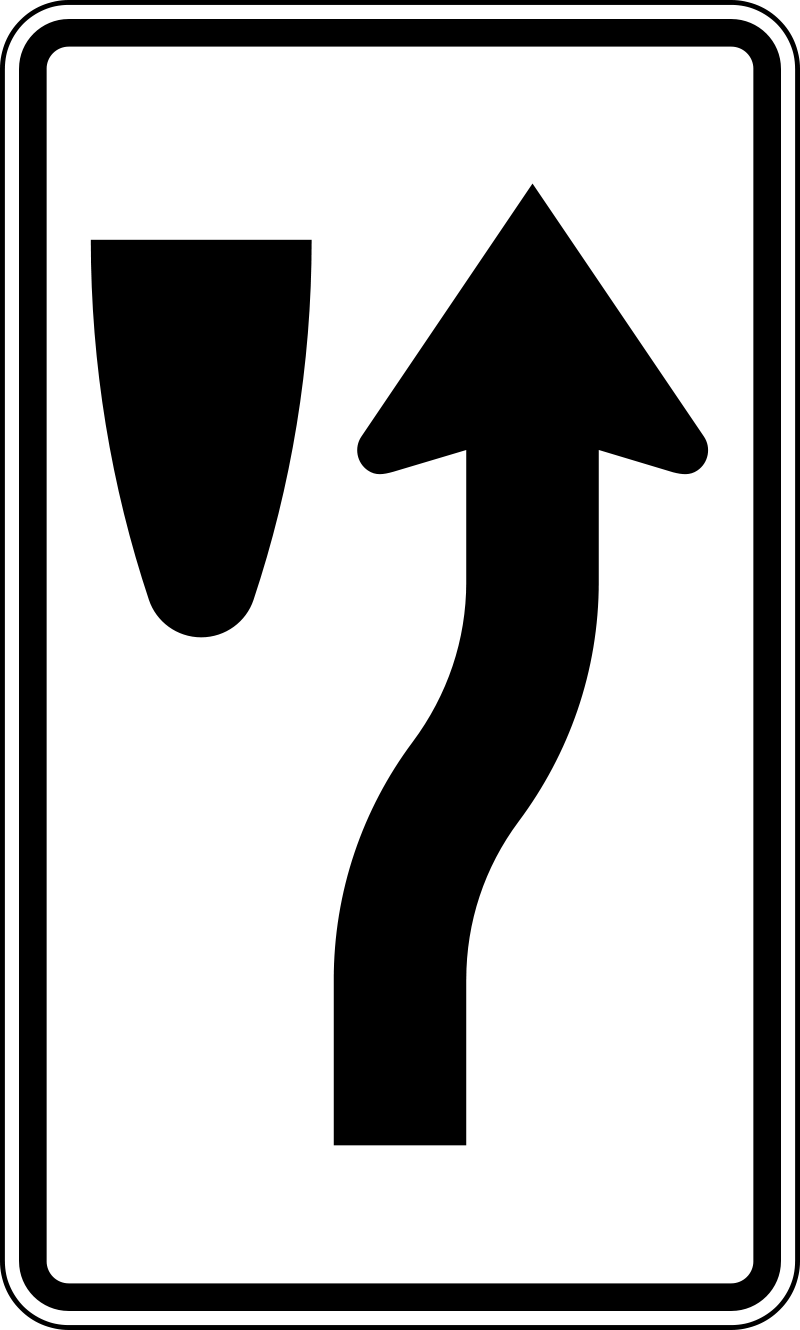 This sign tells drivers that:
A
there is a right turn ahead.
B
they must stay on the right side of the divider
C
a divided highway ends ahead.
This traffic sign indicates: they must stay on the right side of the divider. Observing and obeying all roadway signs ensures safe traffic flow and legal driving.
Question 14:
If two vehicles reach the intersection at the same time:
A
The vehicle on the left yields to the vehicle on the right.
B
The vehicle on the right yields to the vehicle on the left.
C
The first vehicle to reach the intersection has the right-of-way.
D
None of the vehicles have the right of way.
According to standard right-of-way regulations: The vehicle on the left yields to the vehicle on the right. Yielding appropriately prevents intersection collisions and maintains safe traffic flow.
Question 15:
Just like alcohol and other drugs, drowsiness can:
A
help you to be a better driver.
B
make you feel better.
C
impair your judgment.
Under state DUI and traffic safety laws: impair your judgment. Alcohol degrades judgment, slows reaction times, and distorts depth perception.
Question 16:
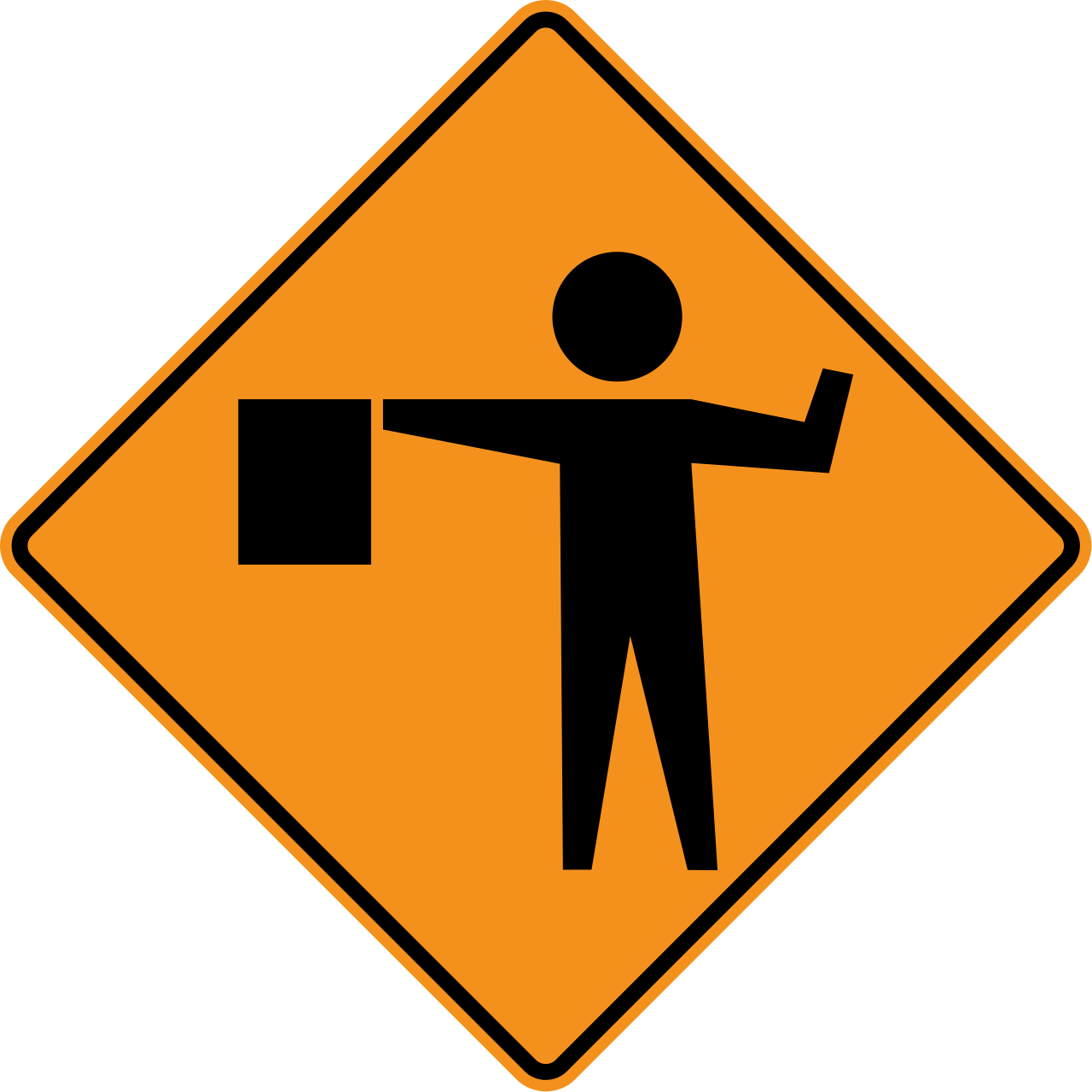 This road sign means:
A
Right lane closed
B
Do not block intersection
C
Flagger ahead
This traffic sign indicates: Flagger ahead. Observing and obeying all roadway signs ensures safe traffic flow and legal driving.
Question 17:
__________ are blue with white letters and symbols.
A
Warning signs
B
Service signs
C
Destination signs (guide signs)
The correct driving rule is: Service signs. Following standard DMV road rules and practicing defensive driving ensures safety for all road users.
Question 18:
At a stop sign there is no stop line, you must stop:
A
before you enter the intersection.
B
before you enter the crosswalk.
C
after you enter the crosswalk.
The correct driving rule is: before you enter the crosswalk. Following standard DMV road rules and practicing defensive driving ensures safety for all road users.
Question 19:
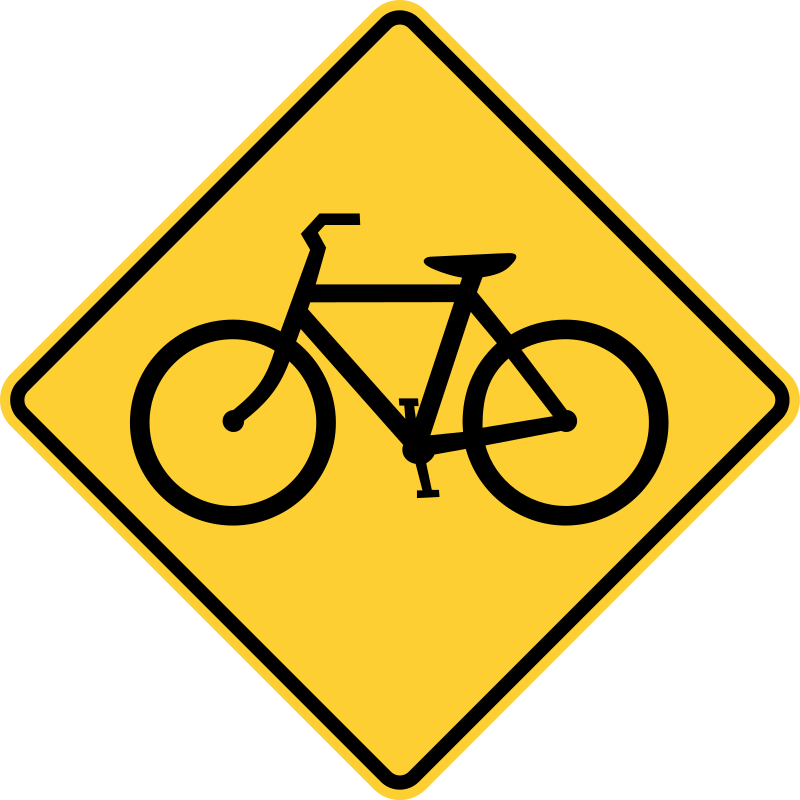 This sign means:
A
Bicycles should yield to vehicles ahead.
B
Warning: a bikeway crosses the roadway ahead.
C
The lane ahead is reserved for bicycles.
This traffic sign indicates: Warning: a bikeway crosses the roadway ahead. Observing and obeying all roadway signs ensures safe traffic flow and legal driving.
Question 20:
Unlike passenger cars, trucks have blind spots:
A
on the right.
B
directly behind them.
C
on the front.
The correct driving rule is: directly behind them. Following standard DMV road rules and practicing defensive driving ensures safety for all road users.
Question 21:
If the entrance lane is too short to allow acceleration to highway speed, you should:
A
go to the next entrance ramp.
B
stop and wait for a large gap in traffic, then enter the highway and accelerate quickly.
C
merge into highway traffic as soon as possible.
For safe speed and stopping control: stop and wait for a large gap in traffic, then enter the highway and accelerate quickly. Adjusting speed to match visibility and road traction prevents loss of steering grip.
Question 22:
In rainy weather, drivers should be most careful when turning or stopping:
A
when it's been raining all day.
B
after it has been raining for at least two hours.
C
during the first half hour of rain.
The correct driving rule is: during the first half hour of rain. Following standard DMV road rules and practicing defensive driving ensures safety for all road users.
Question 23:
At a 4-way stop:
A
the driver to the right has the right-of-way.
B
the driver reaching the intersection first has the right-of-way.
C
the driver to the left has the right-of-way.
At an uncontrolled intersection or 4-way stop where vehicles arrive at the same time: the driver reaching the intersection first has the right-of-way. The driver on the left must always yield to the driver on the right.
Question 24:
What do flashing red lights on a school bus indicate?
A
The bus is stopped to load or discharge passengers.
B
Traffic that approaches from either direction may proceed.
C
The bus is about to stop.
When a school bus displays flashing red lights and extended stop sign: The bus is stopped to load or discharge passengers. Traffic in both directions must come to a full stop on undivided roads until children are clear.
Question 25:
If a driver follows you too closely, you should:
A
move to another lane if possible.
B
activate your stop lights.
C
brake suddenly.
The correct driving rule is: move to another lane if possible. Following standard DMV road rules and practicing defensive driving ensures safety for all road users.