DriveQuiz drivequiz.com

KS DMV PERMİT PRACTİCE TEST 4

Kansas
Duration: 23 min
|
Questions: 25
Student Name:
Date:
Correct:      Incorrect:      Score:      
1.
Slow down and give right-of-way to all oncoming vehicles, cyclists, and pedestrians. Stop completely if necessary before entering the intersection or merging.
This is the shape and color of a ________ sign.
A) yield
B) stop
C) do not enter
2.
A signalized intersection is ahead. Prepare to stop if the light turns yellow or red.
This road sign means:
A) Traffic signal ahead
B) Stop
C) Yield the right-of-way
3.
The roadway ahead is narrowing or a lane is ending. Merge smoothly into the continuing lane.
This sign warns that:
A) traffic must merge left.
B) the bridge ahead is wide enough for only one vehicle at a time.
C) traffic must merge right.
4.
What is the most important rule to remember in any emergency?
A) Do not panic.
B) Run away.
C) Call the police.
5.
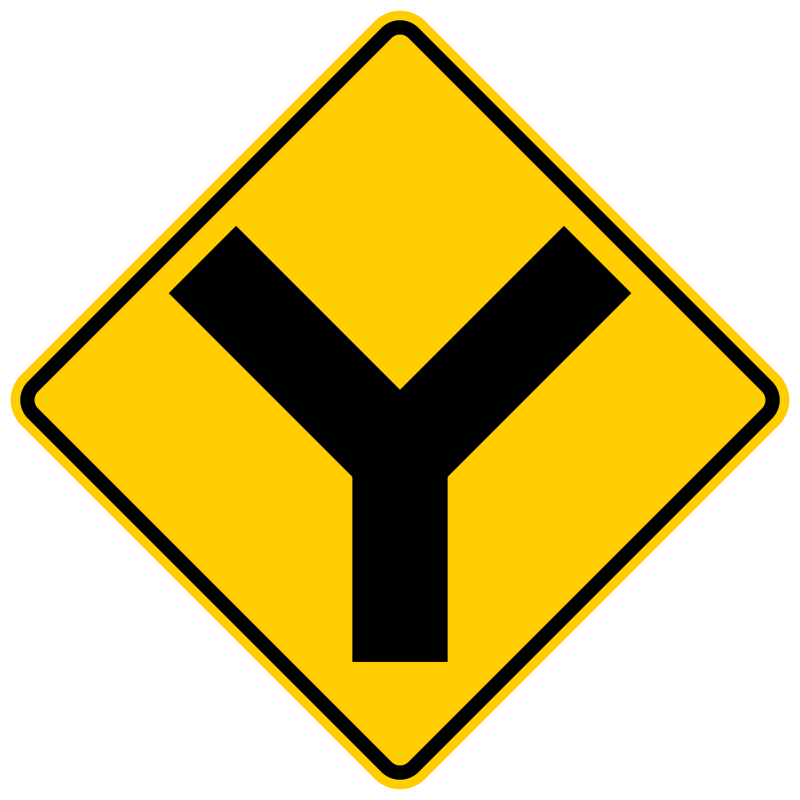
The road splits into a Y configuration ahead. Bear left or right depending on your destination and yield where marked.
This road sign means:
A) A road joins from the left
B) You must bear either right or left
C) A 3-way intersection is ahead
6.
A signalized intersection is ahead. Prepare to stop if the light turns yellow or red.
This sign means:
A) No traffic signal ahead
B) Traffic signal ahead
C) Open intersection ahead
7.
If your brakes are wet, you can dry them by:
A) riding the pedal lightly.
B) pull over to the right and wait until it stops raining.
C) having them checked by a mechanic.
8.
Most signs used in street work areas are:
A) round.
B) diamond shaped.
C) rectangle shaped.
9.
As you enter a roundabout you should slow down and:
A) yield to pedestrians and bicyclist crossing before entering the roundabout.
B) yield to any vehicle coming from your left in the roundabout.
C) All of the above.
10.
The road ahead is divided by a median strip or physical barrier into two separate one-way roadways. Keep to the right of the divider.
This road sign means:
A) Keep left
B) Divided highway begins
C) Lane ends
11.
Yellow diamond warning that pedestrians may be crossing ahead. Exercise caution and yield.
This road sign means:
A) School zone ahead
B) Pedestrians must not cross here
C) Pedestrian crossing ahead
12.
The only effective way to reduce your blood alcohol content (BAC) is:
A) drinking coffee.
B) fresh air.
C) not to drink over a period of time.
13.
Right turns are strictly prohibited at this intersection under all circumstances.
This road sign means:
A) No left turn
B) No right turn
C) No U-turns
14.
Which statement about blind spots is true?
A) Before changing lanes, you should check mirrors and look over your shoulder toward the rear.
B) Large trucks have smaller blind spots than most passenger vehicles.
C) If traffic conditions permit you should cruise in blind spot of the vehicle ahead.
15.
Another road crosses the highway ahead. Look left and right for crossing or entering vehicles.
This road sign means:
A) Warning, crossroad ahead
B) All traffic must turn
C) Yield sign ahead
16.
Warns of two consecutive curves in opposite directions (e.g., curves right then left). Slow down to maintain control.
This road sign means the road you're driving on:
A) turns sharply to the left and then right
B) turns to the right and then the left
C) turns only to the left
17.
When the traffic light is green, but traffic is blocking the intersection, drivers should:
A) enter the intersection and wait for traffic to clear.
B) not enter the intersection until they can get completely across.
C) honk their horn to establish their right-of-way.
18.
When dust is blowing across the roadway making it difficult to see other vehicles, you should drive slower and turn on your:
A) headlights.
B) parking lights.
C) emergency flashers.
19.
To drive defensively, you must:
A) avoid scanning the road ahead.
B) keep one hand on the steering wheel.
C) keep your eyes moving.
20.
Which of the following is a common cause of traffic collisions?
A) Scanning the road ahead and staying focused on the driving task.
B) Driving too fast for conditions.
C) Pedestrians being key participants in the transportation system.
21.
When a hazard is seen ahead, reaction distance:
A) is the sum of perception distance and braking distance.
B) equals total stopping distance minus perception distance.
C) is how far a vehicle will continue to travel, in ideal conditions, before the driver hits the brakes.
22.
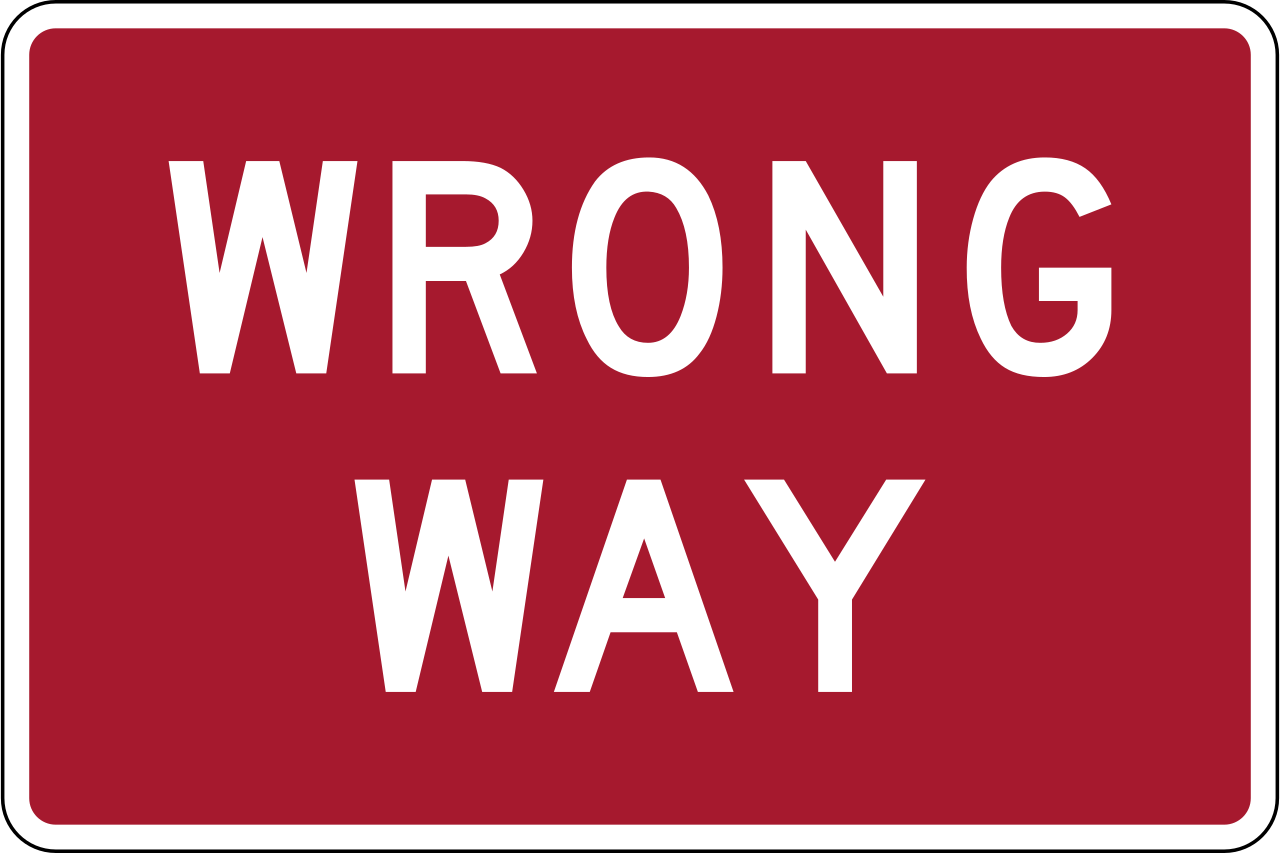
You are driving against the legal flow of traffic on a one-way street or freeway ramp. Immediately pull over, stop safely, and turn around when clear.
When drivers see this road sign:
A) they must come to a complete stop and call the police.
B) they must not drive past this sign.
C) they must turn around immediately.
23.
Are drivers allowed to exceed the speed limit to pass other vehicles?
A) Yes, but only by 10 MPH or less.
B) No.
C) Yes, but only if they drive with caution.
24.
When a pedestrian carrying a white cane is at the corner ready to cross the street in front of you, before making your right turn, you should:
A) use your horn to help the pedestrian cross the street.
B) turn off the ignition until the person crosses the street.
C) yield the right-of-way and wait until the pedestrian crosses the street.
25.
You ________ traffic headed toward you when you turn left.
A) must not yield to
B) must interrupt
C) must yield to
ANSWER KEY Check answers after completing the test.
1 A
2 A
3 A
4 A
5 B
6 B
7 A
8 B
9 C
10 B
11 C
12 C
13 B
14 A
15 A
16 B
17 B
18 A
19 C
20 B
21 C
22 C
23 B
24 C
25 C