Question 1:
 This sign means:
A
divided highway ahead.
B
narrow bridge ahead.
C
road construction.
D
lane ends, merge left.
This traffic sign indicates: lane ends, merge left. Observing and obeying all roadway signs ensures safe traffic flow and legal driving.
Question 2:
 This sign warns drivers of:
A
low clearance.
B
a narrow bridge ahead.
C
a low place in the road.
This traffic sign indicates: a narrow bridge ahead. Observing and obeying all roadway signs ensures safe traffic flow and legal driving.
Question 3:
 This sign warns ____________ ahead.
A
of two-way traffic
B
of a reduction of lanes
C
that a divided highway ends
This traffic sign indicates: of two-way traffic. Observing and obeying all roadway signs ensures safe traffic flow and legal driving.
Question 4:
If you see orange construction signs and cones on a freeway, you must:
A
be prepared for workers and equipment ahead.
B
make a U-turn because the lane ends ahead.
C
maintain your current speed while changing lanes.
Defensive driving guidelines state that: be prepared for workers and equipment ahead. Anticipating road hazards and communicating maneuvers keeps traffic predictable and safe.
Question 5:
When following motorcycles, drivers should:
A
reduce the minimum following distance.
B
try to pass them as they have different braking capabilities than other motor vehicles.
C
keep more space in front of their vehicle.
The correct driving rule is: keep more space in front of their vehicle. Following standard DMV road rules and practicing defensive driving ensures safety for all road users.
Question 6:
The following symptoms are associated with drowsy driving:
A
You continue to yawn.
B
You don’t remember driving the last few miles.
C
All of the above.
Alcohol and impairing substances degrade all critical driving functions: You continue to yawn; You don’t remember driving the last few miles. Driving while impaired carries severe criminal and safety penalties.
Question 7:
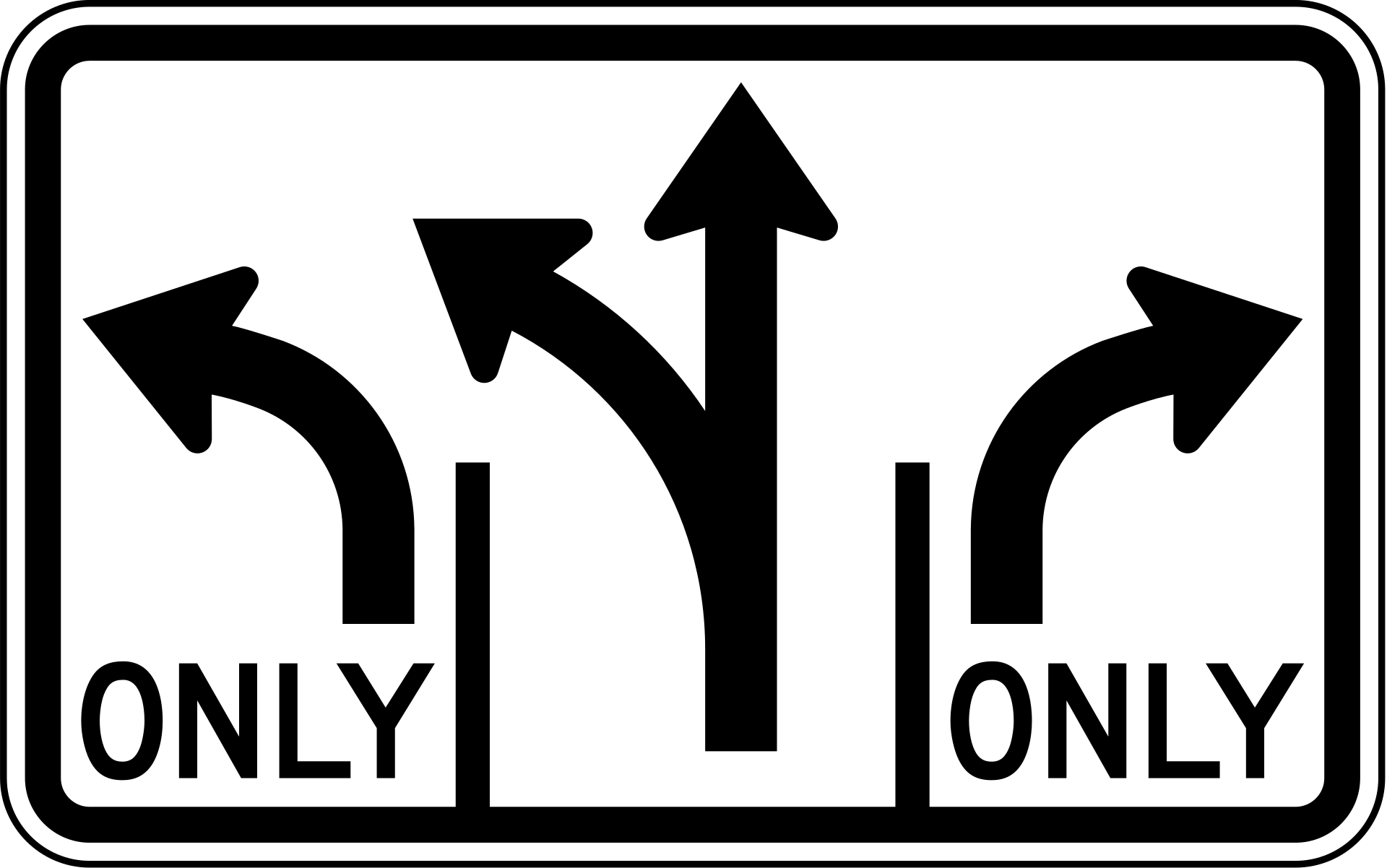 This regulatory sign tells drivers that:
A
traffic in the left lane must turn left at the intersection ahead.
B
all vehicles must turn left immediately.
C
traffic in the right lane must go straight.
This traffic sign indicates: traffic in the left lane must turn left at the intersection ahead. Observing and obeying all roadway signs ensures safe traffic flow and legal driving.
Question 8:
A large vehicle is backing up to unload goods. You should:
A
enter one of the blind spots and wait.
B
try to pass close behind.
C
be patient and wait until the large vehicle has completed its backup maneuver.
The correct driving rule is: be patient and wait until the large vehicle has completed its backup maneuver. Following standard DMV road rules and practicing defensive driving ensures safety for all road users.
Question 9:
Driving at night is more dangerous because:
A
the road is more slippery.
B
your reaction time is slower.
C
you cannot see as far ahead at night.
The correct driving rule is: you cannot see as far ahead at night. Following standard DMV road rules and practicing defensive driving ensures safety for all road users.
Question 10:
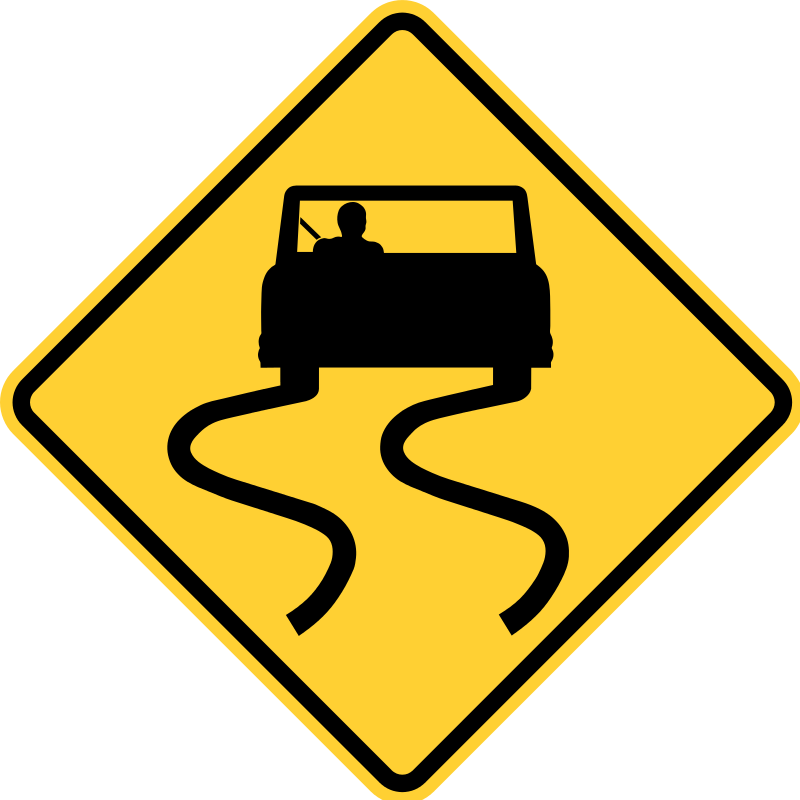 This road sign means:
A
Winding road
B
Side road ahead
C
Slippery when wet
This traffic sign indicates: Slippery when wet. Observing and obeying all roadway signs ensures safe traffic flow and legal driving.
Question 11:
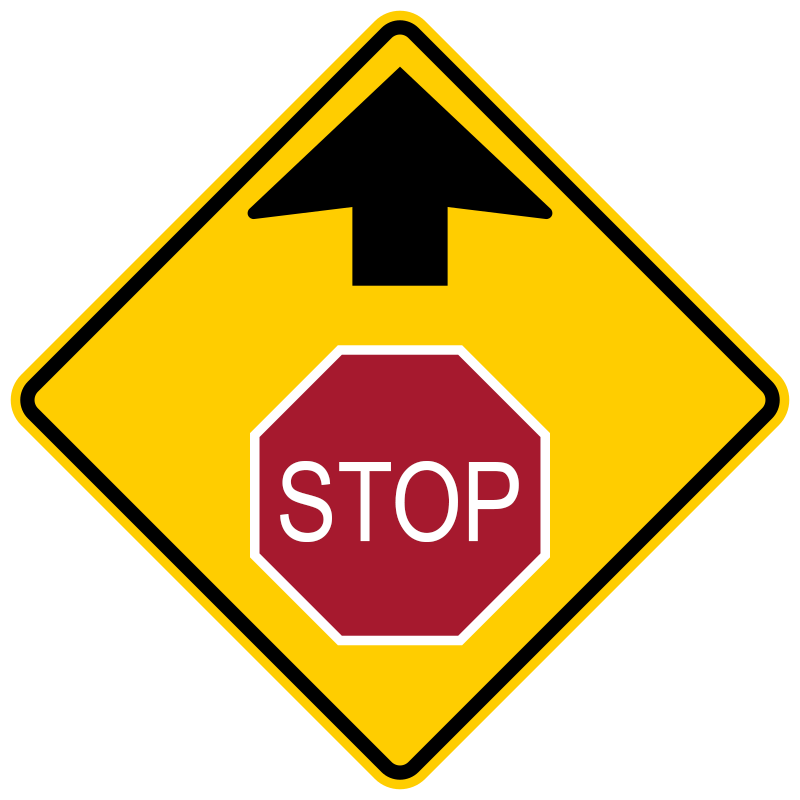 When drivers come to this sign, they must:
A
be ready to stop at the stop sign.
B
warn other drivers that a stop sign is ahead.
C
brake sharply and come to a complete stop.
This traffic sign indicates: be ready to stop at the stop sign. Observing and obeying all roadway signs ensures safe traffic flow and legal driving.
Question 12:
You are driving in the far right lane of a four lane freeway and notice broken white lines on the left side of your lane. You are driving:
A
on the entrance ramp.
B
in a special lane for slow moving vehicles.
C
in an exit lane.
Defensive driving guidelines state that: in an exit lane. Anticipating road hazards and communicating maneuvers keeps traffic predictable and safe.
Question 13:
If you approach a flashing red traffic light, you should treat the intersection the same as:
A
a yield sign.
B
a stop sign.
C
a warning sign.
When an emergency vehicle approaches with flashing lights or sirens, you must safely pull over to the right curb and stop completely until it passes.
Question 14:
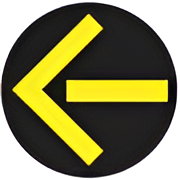 What does a yellow arrow signal mean?
A
The same as the yellow light, but applies only to movement in the direction of the arrow.
B
The same as a green light.
C
Vehicles moving in all directions must stop if they can. The light will soon be red.
State laws require signaling your intention: The same as the yellow light, but applies only to movement in the direction of the arrow. Signal at least 100 feet before making a turn or changing lanes.
Question 15:
Pentagonal signs are used to indicate:
A
possible hazards on roadways.
B
no passing zones.
C
school crossings.
The correct driving rule is: school crossings. Following standard DMV road rules and practicing defensive driving ensures safety for all road users.
Question 16:
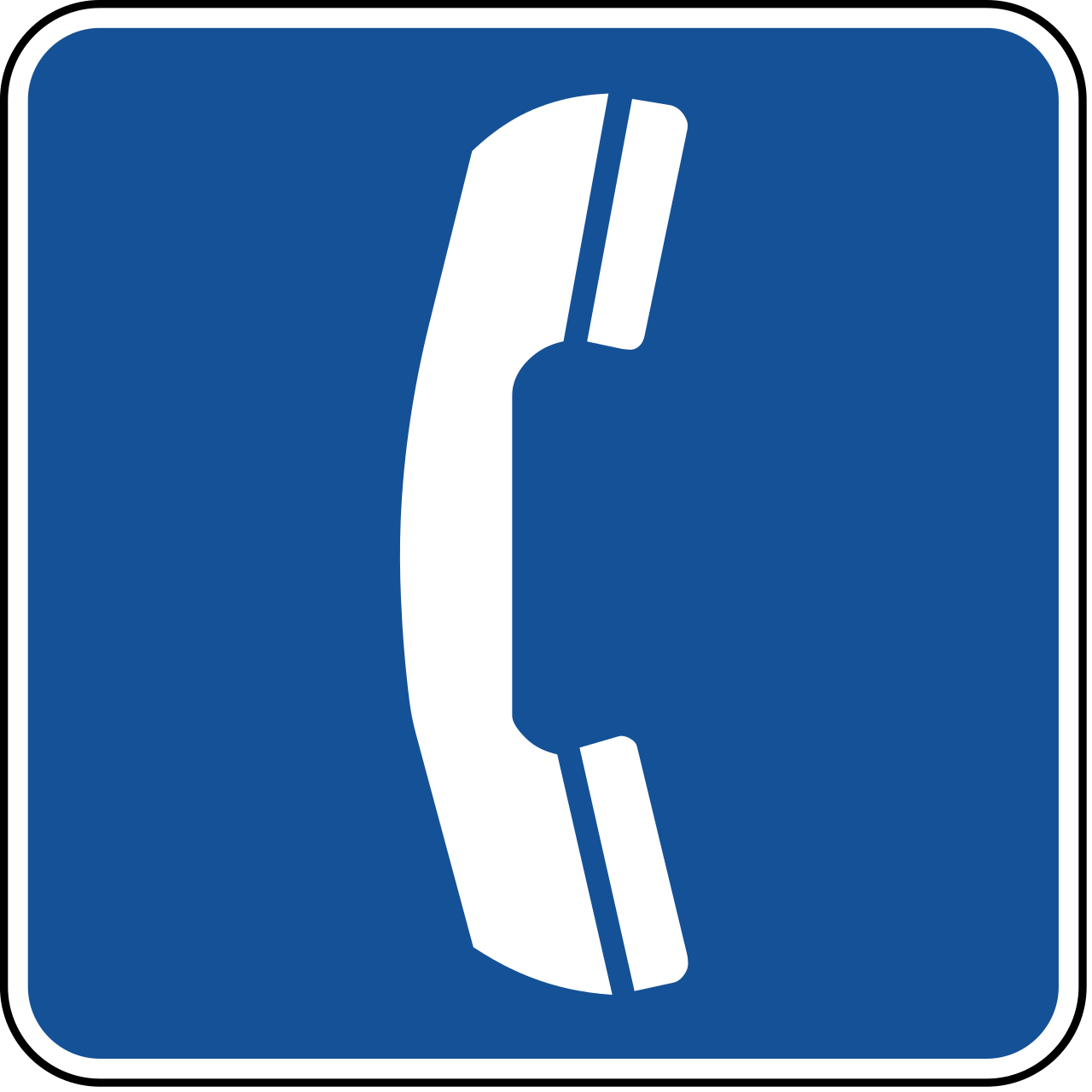 This sign indicates:
A
Phone service ahead
B
Emergency line available
C
Cell phone shop ahead
This traffic sign indicates: Phone service ahead. Observing and obeying all roadway signs ensures safe traffic flow and legal driving.
Question 17:
When preparing to drive, you should:
A
adjust your seat and mirrors.
B
shift the transmission to neutral.
C
pump the brakes.
The correct driving rule is: adjust your seat and mirrors. Following standard DMV road rules and practicing defensive driving ensures safety for all road users.
Question 18:
What is the slow moving vehicle symbol?
A
A reflective yellow diamond
B
A reflective white triangle
C
A reflective orange triangle
The correct driving rule is: A reflective orange triangle. Following standard DMV road rules and practicing defensive driving ensures safety for all road users.
Question 19:
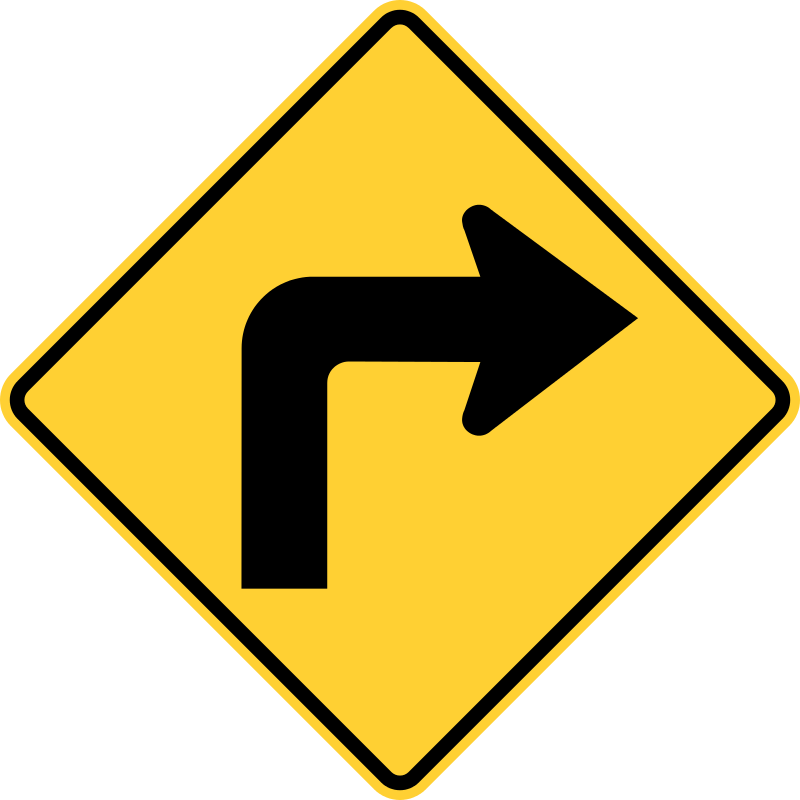 This sign warns drivers that:
A
the road will make a sharp turn to the right.
B
right turns are not allowed.
C
another road enters the highway from the direction shown.
This traffic sign indicates: the road will make a sharp turn to the right. Observing and obeying all roadway signs ensures safe traffic flow and legal driving.
Question 20:
Large trucks:
A
have high-tech air brakes which allow them to stop quickly.
B
take longer to stop than passenger vehicles.
C
are more maneuverable than passenger vehicles.
The correct driving rule is: take longer to stop than passenger vehicles. Following standard DMV road rules and practicing defensive driving ensures safety for all road users.
Question 21:
When you make a left turn from a two-way road into a four-lane highway, you must:
A
enter the left lane, to the right of the center line.
B
enter the right lane, to the left of the center line.
C
go straight through the intersection, and then make the turn.
Defensive driving guidelines state that: enter the left lane, to the right of the center line. Anticipating road hazards and communicating maneuvers keeps traffic predictable and safe.
Question 22:
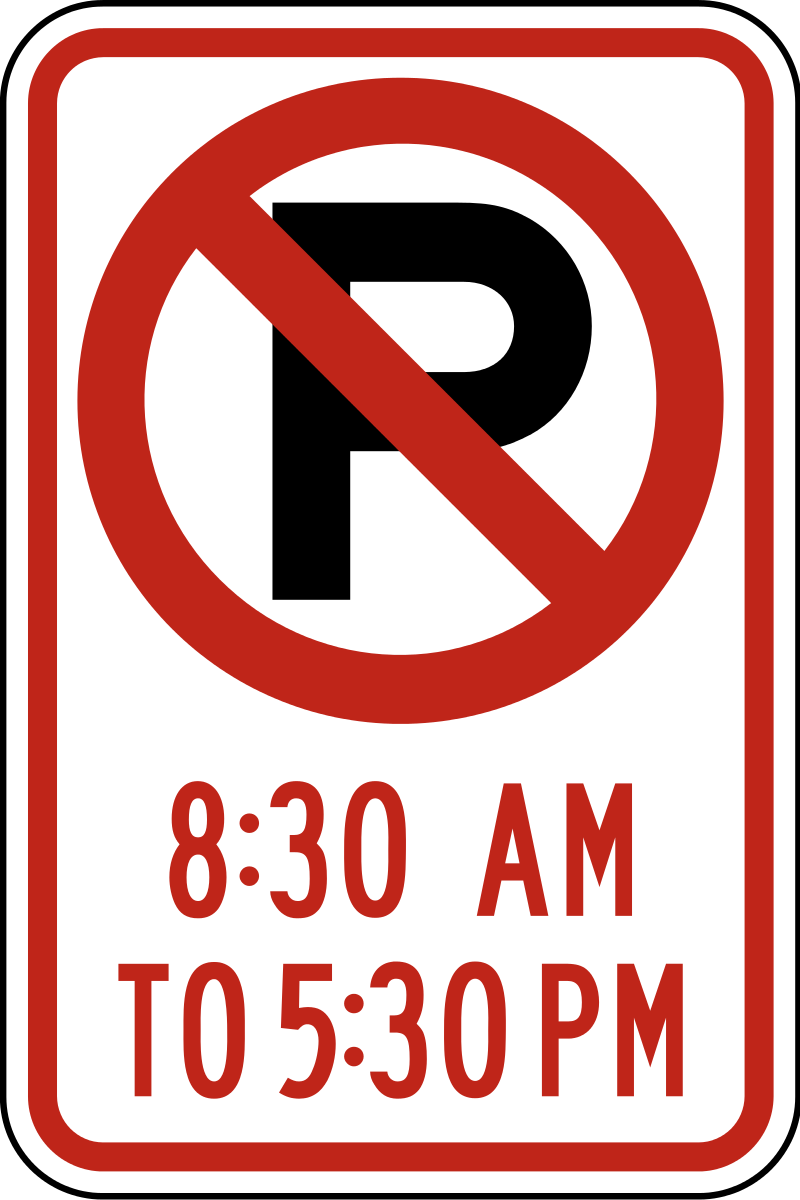 It's 10 AM. This sign tells you that:
A
you are allowed to park until 5:30 PM.
B
you must display a special permit in order to park here.
C
you are not allowed to park here.
This traffic sign indicates: you are not allowed to park here. Observing and obeying all roadway signs ensures safe traffic flow and legal driving.
Question 23:
 This sign indicates:
A
A slow-moving vehicle
B
A no-passing zone
C
Yield
This traffic sign indicates: A slow-moving vehicle. Observing and obeying all roadway signs ensures safe traffic flow and legal driving.
Question 24:
To avoid traction loss from hydroplaning, drivers should:
A
keep a constant speed.
B
apply the brakes as soon as the car starts to skid.
C
slow down.
The correct driving rule is: slow down. Following standard DMV road rules and practicing defensive driving ensures safety for all road users.
Question 25:
 This road sign means:
A
There is a series of sharp turns up ahead on the road
B
Sharp right turn ahead.
C
A road joins from the right
This traffic sign indicates: There is a series of sharp turns up ahead on the road. Observing and obeying all roadway signs ensures safe traffic flow and legal driving.