Question 1:
Does a vehicle prepared to enter a traffic circle or rotary have right-of-way over vehicles in the circle?
A
Yes, but only if they are entering the rotary from the right lane.
B
No. Vehicles already in the circle have the right-of-way.
C
Only if the light is green.
D
Yes.
Vehicles entering a roundabout must yield right-of-way to circulating traffic already inside: No. Vehicles already in the circle have the right-of-way. Wait for a safe gap before entering.
Question 2:
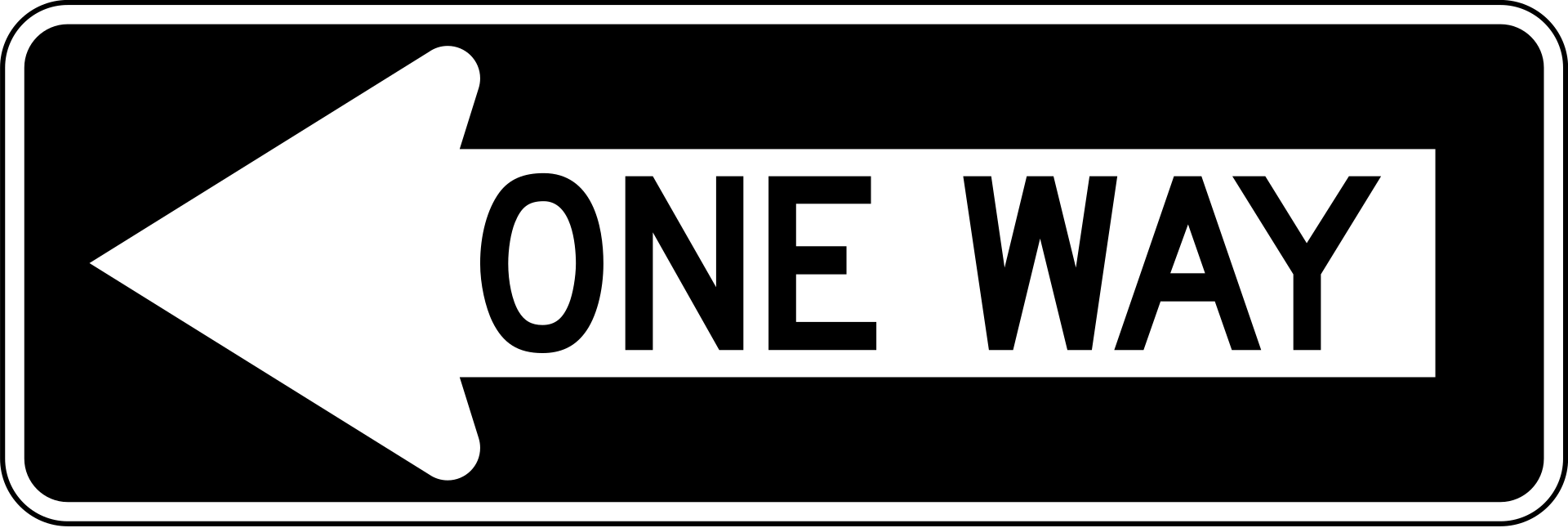 The ‘One Way’ sign means that:
A
only vehicles turning left may travel in the direction of the arrow.
B
there is only one road that turns left at the intersection.
C
drivers may travel only in the direction of the arrow.
This traffic sign indicates: drivers may travel only in the direction of the arrow. Observing and obeying all roadway signs ensures safe traffic flow and legal driving.
Question 3:
You can reduce the chance of a collision with a large vehicle if you:
A
delay near it.
B
cut abruptly in front of it.
C
pay close attention to the turn signals.
The correct driving rule is: pay close attention to the turn signals. Following standard DMV road rules and practicing defensive driving ensures safety for all road users.
Question 4:
Blind spots are:
A
Areas to the side or rear of a vehicle that are easy to spot.
B
areas of the road that cannot be seen even when looking into mirrors.
C
traffic control devices.
The correct driving rule is: areas of the road that cannot be seen even when looking into mirrors. Following standard DMV road rules and practicing defensive driving ensures safety for all road users.
Question 5:
 This sign tells drivers:
A
they must wait for the traffic signal to turn green before turning right or left.
B
they may not turn right or left during the red light.
C
All of the above.
This sign alerts drivers to several mandatory requirements: they must wait for the traffic signal to turn green before turning right or left, they may not turn right or left during the red light. Obeying all posted traffic control instructions is required by law.
Question 6:
A vehicle is stopped on the right shoulder of the road ahead with its hazard lights on. You should:
A
slow down and pass very carefully.
B
increase your speed and change lanes to the left.
C
drive onto the right shoulder to see what has happened.
The correct driving rule is: slow down and pass very carefully. Following standard DMV road rules and practicing defensive driving ensures safety for all road users.
Question 7:
You are driving and you are feeling drowsy. You should:
A
avoid drinking coffee.
B
turn on the radio to keep you awake.
C
find a safe place to stop for a break.
Under state DUI and traffic safety laws: find a safe place to stop for a break. Alcohol degrades judgment, slows reaction times, and distorts depth perception.
Question 8:
When approaching any intersection or driveway, drivers should:
A
look both ways and be ready to stop.
B
pass other vehicles and then stop.
C
drive at the fastest speed just before entering the intersection.
According to standard right-of-way regulations: look both ways and be ready to stop. Yielding appropriately prevents intersection collisions and maintains safe traffic flow.
Question 9:
To see vehicles in your blind spots, you must look:
A
in your outside rearview mirror.
B
over your shoulders.
C
in your side mirrors.
The correct driving rule is: over your shoulders. Following standard DMV road rules and practicing defensive driving ensures safety for all road users.
Question 10:
___________ are green with white letters and symbols.
A
Warning signs
B
Destination signs (guide signs)
C
Regulation signs (regulatory signs)
The correct driving rule is: Destination signs (guide signs). Following standard DMV road rules and practicing defensive driving ensures safety for all road users.
Question 11:
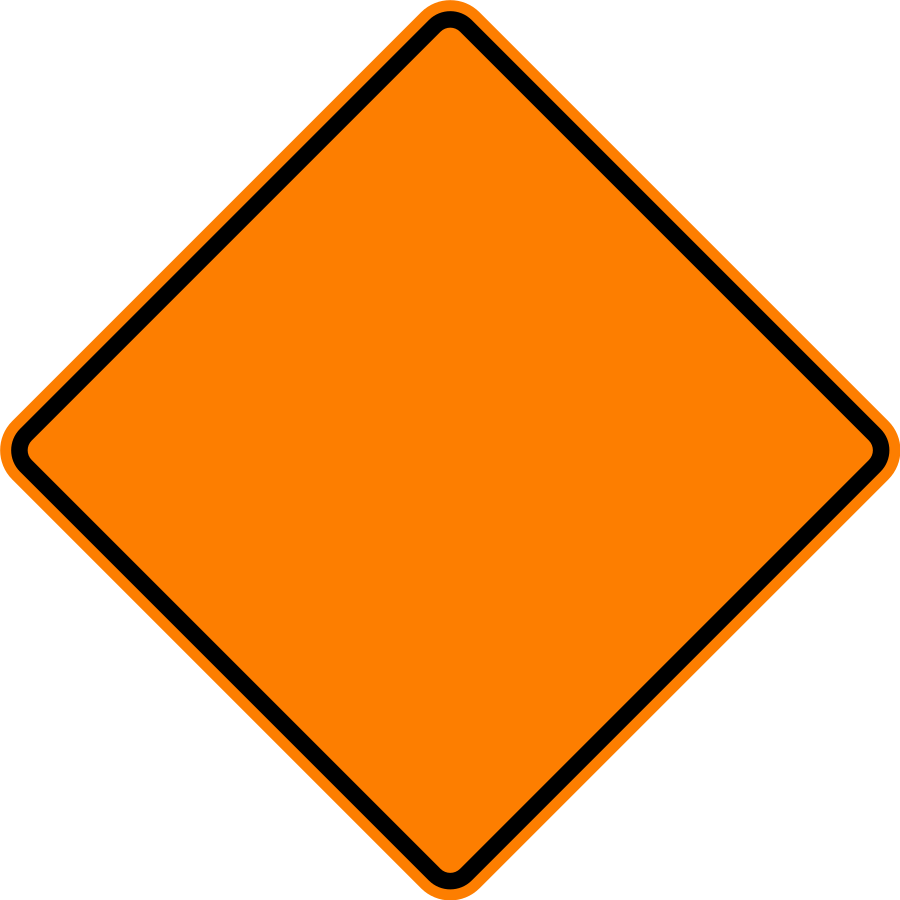 Signs with orange backgrounds mean:
A
railroad crossing.
B
side road ahead.
C
road construction site.
The correct driving rule is: road construction site. Following standard DMV road rules and practicing defensive driving ensures safety for all road users.
Question 12:
 This sign warns drivers that:
A
they must turn either to the right or left.
B
there is a double curve ahead.
C
there is a winding road ahead.
This traffic sign indicates: there is a winding road ahead. Observing and obeying all roadway signs ensures safe traffic flow and legal driving.
Question 13:
 What does this road sign indicate?
A
Hospital service
B
Area reserved for people with disabilities
C
Interstate highway
This traffic sign indicates: Hospital service. Observing and obeying all roadway signs ensures safe traffic flow and legal driving.
Question 14:
You should use turn signals to indicate your intention with sufficient time to allow other drivers to see the signal:
A
if it’s raining.
B
AFTER you move.
C
BEFORE you move.
State laws require signaling your intention: BEFORE you move. Signal at least 100 feet before making a turn or changing lanes.
Question 15:
When driving at night with no other vehicles ahead, a driver should use:
A
high beam lights.
B
low-beam lights.
C
parking lights.
The correct driving rule is: high beam lights. Following standard DMV road rules and practicing defensive driving ensures safety for all road users.
Question 16:
A person walking with a white cane or guide dog is likely to be:
A
a deaf person.
B
a traffic enforcement officer.
C
a blind person.
The correct driving rule is: a blind person. Following standard DMV road rules and practicing defensive driving ensures safety for all road users.
Question 17:
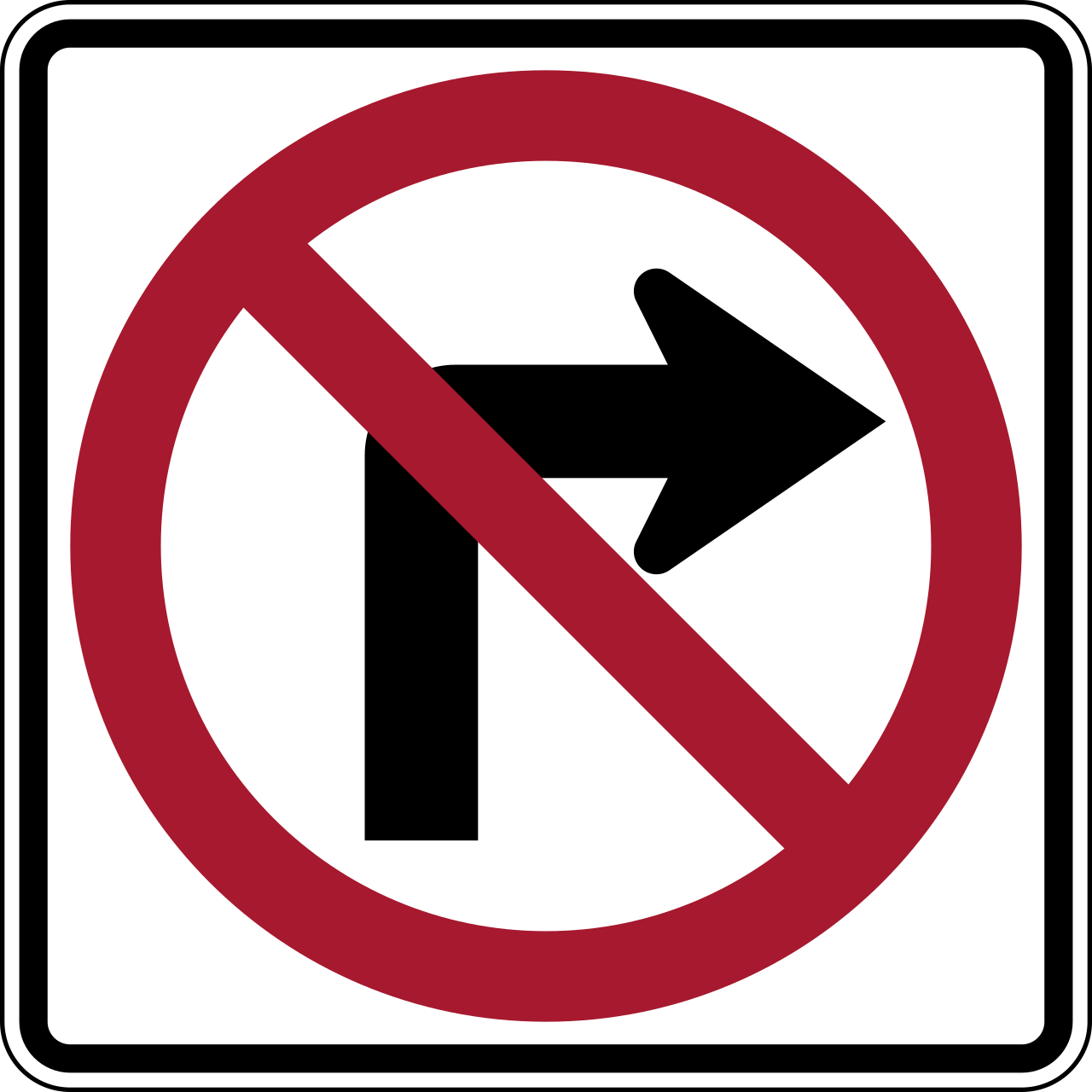 This road sign means:
A
No left turn
B
No right turn
C
No U-turns
This traffic sign indicates: No right turn. Observing and obeying all roadway signs ensures safe traffic flow and legal driving.
Question 18:
When following a motorcycle, drivers must remember that motorcycles can ____________ than other vehicles.
A
accelerate much faster
B
stop much more quickly
C
stop much more slowly
Motorcycles can stop rapidly and are easily hidden in vehicle blind spots: stop much more quickly. Always allow an increased following distance of at least 3 to 4 seconds.
Question 19:
 This road sign means:
A
Drive with caution and be ready to stop
B
Slow down or stop
C
You must come to a complete stop
An octagonal Stop sign requires a full and complete stop before the stop line or crosswalk: you must come to a complete stop. Proceed only after yielding to all cross traffic and pedestrians.
Question 20:
__________________ is a safe driving technique.
A
Using your high beam lights in the fog
B
Starring at the road ahead of your vehicle
C
Checking your rearview mirrors frequently
The correct driving rule is: Checking your rearview mirrors frequently. Following standard DMV road rules and practicing defensive driving ensures safety for all road users.
Question 21:
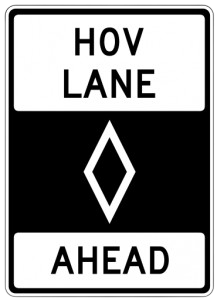 This road sign indicates that:
A
a lane is reserved for certain purposes or certain vehicles.
B
buses and car pools may not travel in the restricted lane.
C
vehicles cannot go straight ahead. Cars must turn either to the right or left.
This traffic sign indicates: a lane is reserved for certain purposes or certain vehicles. Observing and obeying all roadway signs ensures safe traffic flow and legal driving.
Question 22:
As the percentage of alcohol in your blood (BAC) increases, you become:
A
more reactive.
B
more intoxicated.
C
more sober.
Under state DUI and traffic safety laws: more intoxicated. Alcohol degrades judgment, slows reaction times, and distorts depth perception.
Question 23:
A vehicle that enters a road from a driveway:
A
has the right-of-way.
B
must yield to traffic approaching from the right, while it has the right-of-way over vehicles approaching from the left.
C
must stop and yield the right-of-way to traffic on the roadway and to pedestrians.
The correct driving rule is: must stop and yield the right-of-way to traffic on the roadway and to pedestrians. Following standard DMV road rules and practicing defensive driving ensures safety for all road users.
Question 24:
If an approaching driver does not dim the headlights, you should:
A
move your eyes to the left to help avoid the glare of approaching high beams.
B
move your eyes to the right and avoid looking directly at the bright lights.
C
flash your headlights to low beam for a second, then return to high beam.
The correct driving rule is: move your eyes to the right and avoid looking directly at the bright lights. Following standard DMV road rules and practicing defensive driving ensures safety for all road users.
Question 25:
If your vehicle is equipped with ABS and you need to stop quickly, you should:
A
press on the brake pedal as hard as you can and keep pressing on it.
B
press hard on the brakes, then let up on the brake pedal.
C
gently apply the brakes and hold the steering wheel firmly.
The correct driving rule is: press on the brake pedal as hard as you can and keep pressing on it. Following standard DMV road rules and practicing defensive driving ensures safety for all road users.