Question 1:
When moving across a railroad track, it is safe to stop on the track for a short period of time.
A
True
B
False
The correct driving rule is: False. Following standard DMV road rules and practicing defensive driving ensures safety for all road users.
Question 2:
____ or later models must have two sets of safety belts in the front seat.
A
1975
B
1965
C
1968
The correct driving rule is: 1965. Following standard DMV road rules and practicing defensive driving ensures safety for all road users.
Question 3:
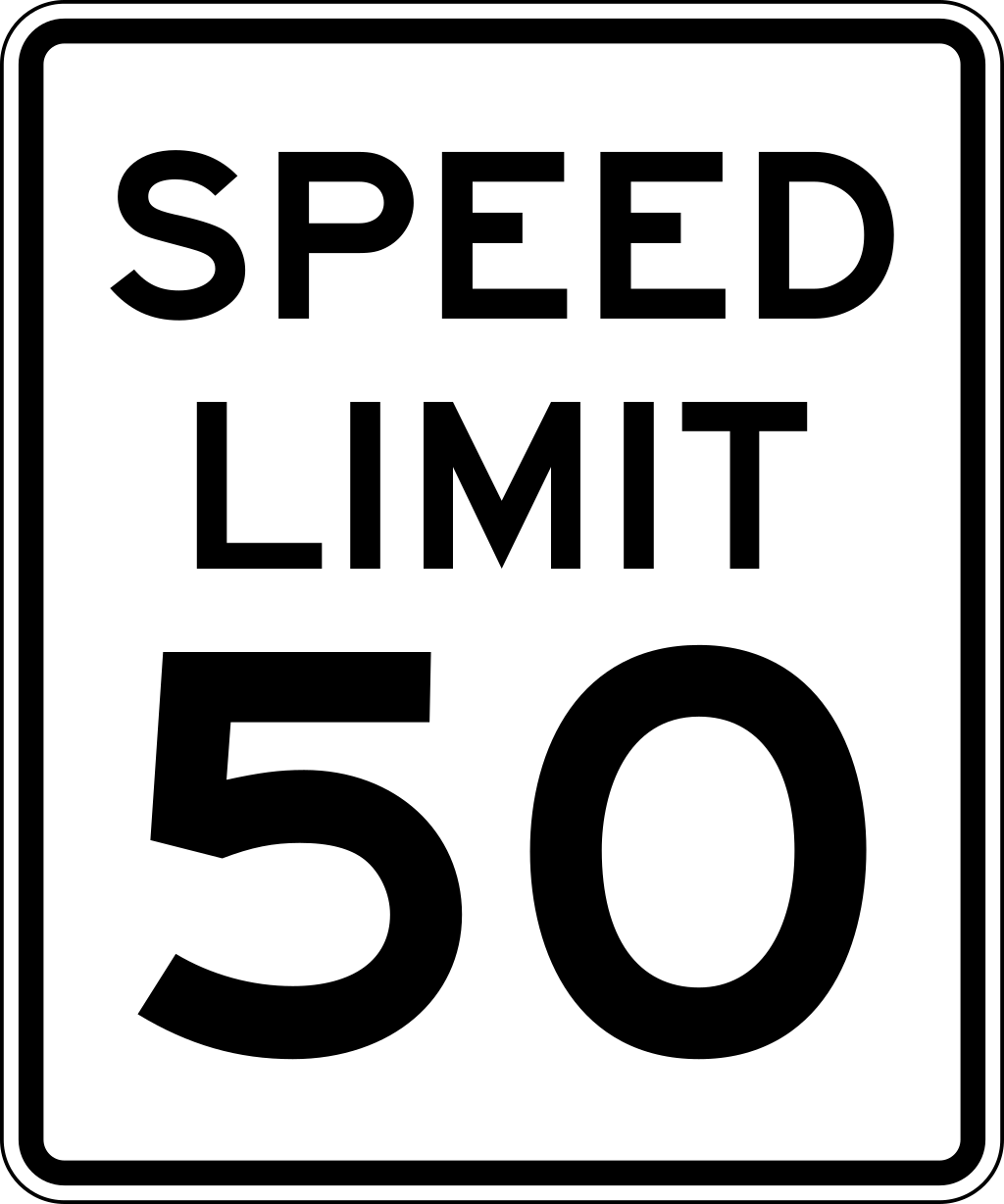 This road sign means:
A
You must travel at the speed indicated
B
The maximum speed limit under ideal conditions
C
None of the above
This traffic sign indicates: The maximum speed limit under ideal conditions. Observing and obeying all roadway signs ensures safe traffic flow and legal driving.
Question 4:
When you make a left turn from a one-way road into a one-way road, if the road you enter has two lanes, you:
A
must turn into its right lane.
B
can not turn left.
C
must turn into its left lane.
The correct driving rule is: must turn into its left lane. Following standard DMV road rules and practicing defensive driving ensures safety for all road users.
Question 5:
Most rear-end collisions are caused by vehicle operators following another vehicle more closely than is reasonable and prudent.
A
True
B
False
The correct driving rule is: True. Following standard DMV road rules and practicing defensive driving ensures safety for all road users.
Question 6:
What should drivers do when the red lights begin to flash?
A
Stop.
B
Yield.
C
Slow down.
The correct driving rule is: stop. Following standard DMV road rules and practicing defensive driving ensures safety for all road users.
Question 7:
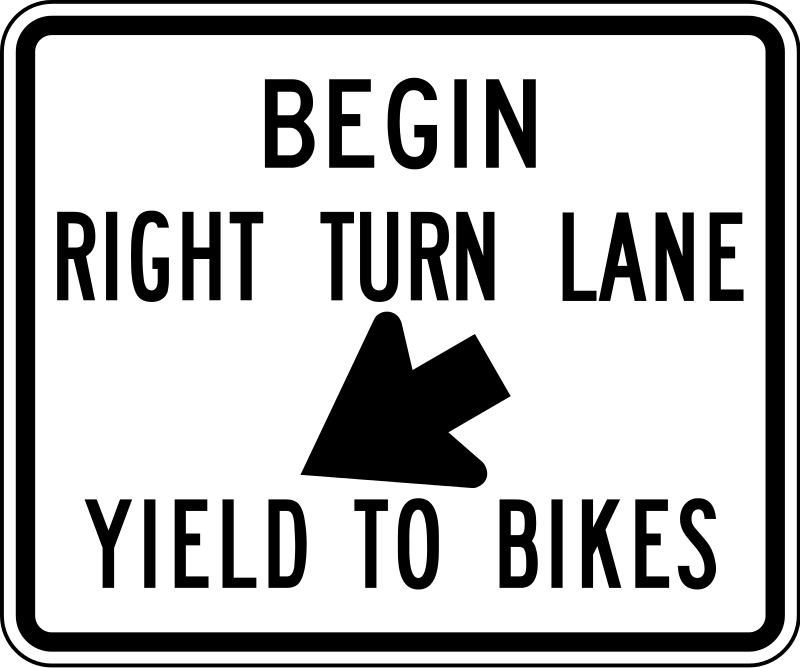 What does this road sign indicate?
A
Drivers have the right of way over bikes turning left.
B
Vehicles turning left must yield to bikes entering a right turn lane.
C
Motor vehicles entering an exclusive right-turn lane must weave across bicycle traffic in bicycle lanes.
This traffic sign indicates: Motor vehicles entering an exclusive right-turn lane must weave across bicycle traffic in bicycle lanes. Observing and obeying all roadway signs ensures safe traffic flow and legal driving.
Question 8:
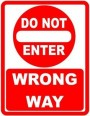 This road sign means:
A
Drivers may proceed if the way is clear
B
Drivers are about to enter a one way street the wrong way
C
U-turns are prohibited
This traffic sign indicates: drivers are about to enter a one way street the wrong way. Observing and obeying all roadway signs ensures safe traffic flow and legal driving.
Question 9:
A large truck turning right onto a street with two lanes in each direction:
A
must stay in the right lane at all times.
B
may have to use part of the left lane to complete the turn.
C
may complete the turn in either the left or right lane.
When sharing the road with other vehicles: may have to use part of the left lane to complete the turn. Giving large vehicles and vulnerable users adequate clearance prevents dangerous accidents.
Question 10:
Illinois law prohibits the use of cell phones while driving, with the exception of using hands-free or bluetooth technology.
A
False
B
True
The correct driving rule is: True. Following standard DMV road rules and practicing defensive driving ensures safety for all road users.
Question 11:
You should never depend on your mirrors when you prepare to change lanes. Why?
A
Mirrors leave “blind spots” behind both sides of vehicles.
B
Mirrors need to be adjusted.
C
Mirrors are useless.
The correct driving rule is: Mirrors leave “blind spots” behind both sides of vehicles. Following standard DMV road rules and practicing defensive driving ensures safety for all road users.
Question 12:
Green signs tell you about services along the roadway.
A
False
B
True
The correct driving rule is: False. Following standard DMV road rules and practicing defensive driving ensures safety for all road users.
Question 13:
When approaching any intersection or driveway, drivers should:
A
look both ways and be ready to stop.
B
pass other vehicles and then stop.
C
drive at the fastest speed just before entering the intersection.
According to standard right-of-way regulations: look both ways and be ready to stop. Yielding appropriately prevents intersection collisions and maintains safe traffic flow.
Question 14:
 This road sign means:
A
Do not pass trucks
B
Truck must back up
C
Steep downgrade ahead
This traffic sign indicates: Steep downgrade ahead. Observing and obeying all roadway signs ensures safe traffic flow and legal driving.
Question 15:
When following motorcycles, drivers should:
A
reduce the minimum following distance.
B
try to pass them as they have different braking capabilities than other motor vehicles.
C
keep more space in front of their vehicle.
The correct driving rule is: keep more space in front of their vehicle. Following standard DMV road rules and practicing defensive driving ensures safety for all road users.
Question 16:
It is illegal for anyone to drink alcoholic beverages in a vehicle.
A
True
B
False
The correct driving rule is: True. Following standard DMV road rules and practicing defensive driving ensures safety for all road users.
Question 17:
If your wheels drift off the pavement onto the shoulder, you should:
A
grip the wheel firmly, ease your foot off the gas pedal and brake gently.
B
jerk your wheel to correct your steering.
C
slow down immediately, pull over to the right and sound your horn.
The correct driving rule is: grip the wheel firmly, ease your foot off the gas pedal and brake gently. Following standard DMV road rules and practicing defensive driving ensures safety for all road users.
Question 18:
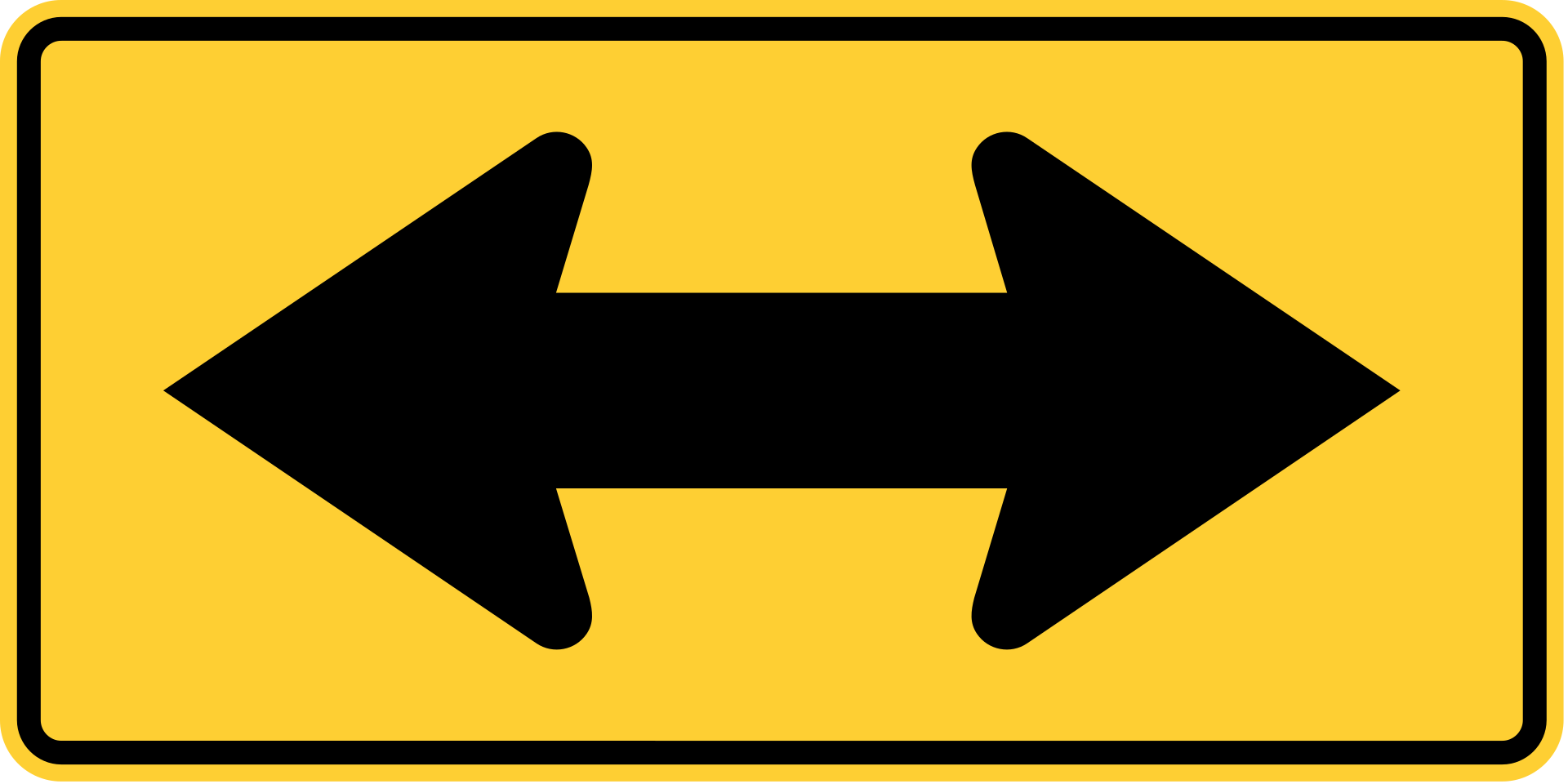 This road sign tells drivers that:
A
they must change lane immediately.
B
they must turn either to the right or left.
C
the one-way street or roadway ahead ends.
D
None of the above.
This traffic sign indicates: they must turn either to the right or left. Observing and obeying all roadway signs ensures safe traffic flow and legal driving.
Question 19:
If another vehicle passes you on the left, you must:
A
increase your speed slightly and keep to the right.
B
decrease your speed, then pull over to the right and stop.
C
decrease your speed slightly and keep to the right.
The correct driving rule is: decrease your speed slightly and keep to the right. Following standard DMV road rules and practicing defensive driving ensures safety for all road users.
Question 20:
Illinois law states that drivers may not:
A
back up on other roadways unless it is done safely.
B
wear a hearing aid while driving.
C
drive on controlled access roadways.
The correct driving rule is: back up on other roadways unless it is done safely. Following standard DMV road rules and practicing defensive driving ensures safety for all road users.
Question 21:
What is a likely effect when you take another drug while you drink alcohol?
A
The effects of the alcohol and the drug are enhanced.
B
There are no effects, unless the drug is prescription only.
C
If the drug is over-the-counter, there are no effects.
Under state DUI and traffic safety laws: The effects of the alcohol and the drug are enhanced. Alcohol degrades judgment, slows reaction times, and distorts depth perception.
Question 22:
This sign indicates the _______________ vehicles can safely travel in this area.
A
suggested speed
B
maximum speed
C
minimum speed
This traffic sign indicates: maximum speed. Observing and obeying all roadway signs ensures safe traffic flow and legal driving.
Question 23:
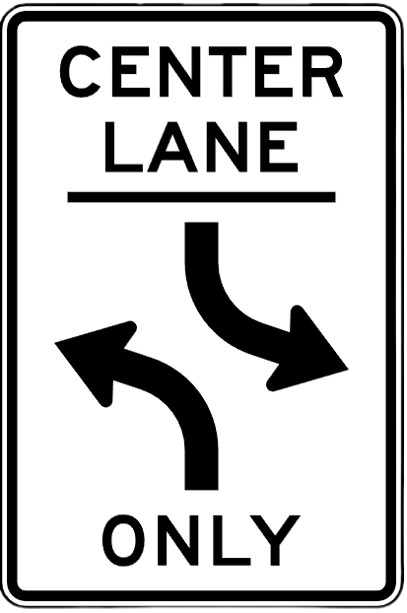 This sign means:
A
The center lane is shared for left turns.
B
Left turns in both directions of travel are not permitted.
C
Vehicles may only turn left.
This traffic sign indicates: The center lane is shared for left turns. Observing and obeying all roadway signs ensures safe traffic flow and legal driving.
Question 24:
What should you do in case of a steering failure?
A
Pump your gas pedal a few times to increase the pressure.
B
Don't panic. Turn on your emergency lights to let other drivers know you are having car problems. Move toward the side of the road and bring the car to a gradual stop.
C
Leave the road immediately.
The correct driving rule is: Don't panic. Turn on your emergency lights to let other drivers know you are having car problems. Move toward the side of the road and bring the car to a gradual stop. Following standard DMV road rules and practicing defensive driving ensures safety for all road users.
Question 25:
What should a driver do when approaching a traffic control signal that is not in operation?
A
Drive quickly through the intersection to get out of the way of other vehicles.
B
Come to a full stop and yield the right-of-way before entering the intersection.
C
If the intersection is clear, the driver does not need to stop.
State laws require signaling your intention: come to a full stop and yield the right-of-way before entering the intersection. Signal at least 100 feet before making a turn or changing lanes.
Question 26:
Drivers should be aware that a motorcyclist may:
A
decrease speed and rise off the seat when approaching a railroad crossing.
B
quickly change speed or lane position.
C
All of the above.
All of the listed points are essential driving requirements: decrease speed and rise off the seat when approaching a railroad crossing; quickly change speed or lane position. Practicing each ensures compliance with DMV safety laws.
Question 27:
This road sign means:
A
Extra lane to the left
B
Two way left turn
C
Lane shifting
This traffic sign indicates: Two way left turn. Observing and obeying all roadway signs ensures safe traffic flow and legal driving.
Question 28:
Headlights must be turned on from sunset to sunrise.
A
False
B
True
The correct driving rule is: True. Following standard DMV road rules and practicing defensive driving ensures safety for all road users.
Question 29:
After being pulled over by law enforcement, a driver should immediately exit the vehicle and quickly approach the officer’s squad car.
A
True
B
False
Defensive driving guidelines state that: False. Anticipating road hazards and communicating maneuvers keeps traffic predictable and safe.
Question 30:
You reach an intersection that is not controlled at the same time as a driver on your right, and both of you prepare to go straight. Who has the right-of-way?
A
You.
B
No one.
C
The other driver.
According to standard right-of-way regulations: The other driver. Yielding appropriately prevents intersection collisions and maintains safe traffic flow.
Question 31:
 This sign indicates that the road ahead:
A
turns sharply right, then left.
B
is a divided highway.
C
curves right, then left.
D
curves right.
This traffic sign indicates: curves right, then left. Observing and obeying all roadway signs ensures safe traffic flow and legal driving.
Question 32:
 This sign means:
A
Narrow bridge ahead. Slow down and drive with caution.
B
Do not to enter if your vehicle is taller than the height listed on the sign.
C
No passing zone ahead.
This traffic sign indicates: Do not to enter if your vehicle is taller than the height listed on the sign. Observing and obeying all roadway signs ensures safe traffic flow and legal driving.
Question 33:
Who is responsible for ensuring that all passengers obey the safety belt law?
A
The passengers.
B
Law enforcement officers.
C
The driver.
The correct driving rule is: The driver. Following standard DMV road rules and practicing defensive driving ensures safety for all road users.
Question 34:
Road signs that direct drivers to services are:
A
brown and white.
B
blue and white.
C
green and white.
The correct driving rule is: blue and white. Following standard DMV road rules and practicing defensive driving ensures safety for all road users.
Question 35:
What is the meaning of blue traffic signs?
A
A blue background indicates a regulatory sign.
B
They give directional information.
C
Blue indicates road user services.
The correct driving rule is: Blue indicates road user services. Following standard DMV road rules and practicing defensive driving ensures safety for all road users.