Question 1:
Night driving is difficult because:
A
roadway signs are more difficult to see at night.
B
streetlights may cause a lot of glare
C
All of the above.
All of the listed points are essential driving requirements: roadway signs are more difficult to see at night; streetlights may cause a lot of glare. Practicing each ensures compliance with DMV safety laws.
Question 2:
Trucks and buses may need more space to make a right-hand turn.
A
False
B
True
The correct driving rule is: True. Following standard DMV road rules and practicing defensive driving ensures safety for all road users.
Question 3:
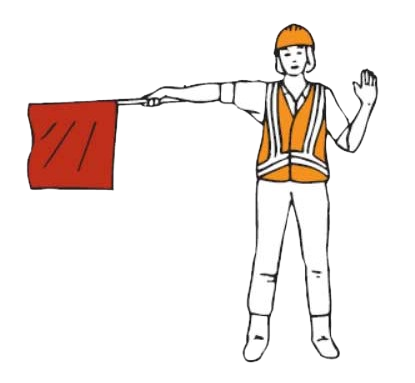 This signal means:
A
Stop
B
Move to the left
C
Slow down
D
Proceed
State laws require signaling your intention: stop. Signal at least 100 feet before making a turn or changing lanes.
Question 4:
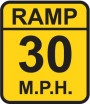 Posted at freeway exit ramps, this sign shows:
A
the minimum safe speed a vehicle can be driven on the ramp.
B
the maximum safe speed a vehicle can be driven on the ramp.
C
the suggested speed a vehicle can be driven on the ramp.
This traffic sign indicates: the maximum safe speed a vehicle can be driven on the ramp. Observing and obeying all roadway signs ensures safe traffic flow and legal driving.
Question 5:
Drivers can not pass a vehicle on the left if:
A
they approach the top of a hill on a two-way road and can not see over it.
B
they can not safely return to the right lane before they reach a solid yellow center line for the right lane.
C
All of the above.
All of the listed points are essential driving requirements: they approach the top of a hill on a two-way road and can not see over it; they can not safely return to the right lane before they reach a solid yellow center line for the right lane. Practicing each ensures compliance with DMV safety laws.
Question 6:
 This sign means:
A
divided highway ahead.
B
narrow bridge ahead.
C
road construction.
D
lane ends, merge left.
This traffic sign indicates: lane ends, merge left. Observing and obeying all roadway signs ensures safe traffic flow and legal driving.
Question 7:
 This sign means:
A
Reversible lane ahead.
B
The divided highway ends ahead.
C
Drivers are coming to a point where another traffic lane joins the one they are on.
This traffic sign indicates: The divided highway ends ahead. Observing and obeying all roadway signs ensures safe traffic flow and legal driving.
Question 8:
While inside the roundabout, you should:
A
remain in your lane until you are ready to exit.
B
change lanes before you check for vehicles behind you.
C
use your left turn signal if you are in position to exit now.
Vehicles entering a roundabout must yield right-of-way to circulating traffic already inside: remain in your lane until you are ready to exit. Wait for a safe gap before entering.
Question 9:
If you are involved in a crash that causes damage to an unattended vehicle, you must:
A
Notify police and complete all required crash reports.
B
Stop your vehicle in an area away from traffic, and leave your name, address, phone number and license plate number on the vehicle, if you cannot find the owner.
C
All the above.
The correct driving rule is: All the above. Following standard DMV road rules and practicing defensive driving ensures safety for all road users.
Question 10:
An edge line that angles toward the center of the road indicates that:
A
the road is narrower ahead.
B
there’s a narrow bridge ahead.
C
you must turn right.
The correct driving rule is: the road is narrower ahead. Following standard DMV road rules and practicing defensive driving ensures safety for all road users.
Question 11:
When a vehicle is approaching head-on in your lane, you should:
A
sound your horn and use your emergency flashers.
B
ease your foot off the gas pedal and brake gently.
C
slow down immediately. Pull over to the right and sound your horn.
The correct driving rule is: slow down immediately. Pull over to the right and sound your horn. Following standard DMV road rules and practicing defensive driving ensures safety for all road users.
Question 12:
When parking on a public road, drivers should:
A
move as far away from traffic as possible.
B
always park on the left side of the roadway.
C
All of the above.
Under standard parking and curb regulations: move as far away from traffic as possible. Following parking distance clearances keeps roadways unobstructed and emergency lanes accessible.
Question 13:
Within how many feet is a driver required to dim the headlights before meeting another vehicle?
A
400
B
500
C
250
The correct driving rule is: 500. Following standard DMV road rules and practicing defensive driving ensures safety for all road users.
Question 14:
Which shape is a yield sign?
A
Vertical rectangle
B
Upside-down triangle
C
Diamond
The correct driving rule is: Upside-down triangle. Following standard DMV road rules and practicing defensive driving ensures safety for all road users.
Question 15:
 This traffic sign warns you about:
A
merging traffic.
B
a hill or a downgrade up ahead on the road.
C
an intersection ahead.
D
a winding road.
This traffic sign indicates: a hill or a downgrade up ahead on the road. Observing and obeying all roadway signs ensures safe traffic flow and legal driving.
Question 16:
Motorcycles react differently to weather, traffic, and road conditions than cars. Why?
A
Wet roads impair a motorcyclist’s ability to brake.
B
Potholes may require motorcyclists to change positions within their lane.
C
All of the above.
All of the listed points are essential driving requirements: Wet roads impair a motorcyclist’s ability to brake; Potholes may require motorcyclists to change positions within their lane. Practicing each ensures compliance with DMV safety laws.
Question 17:
Bright lights must be dimmed _____ feet before passing a vehicle.
A
100
B
500
C
300
Defensive driving guidelines state that: 300. Anticipating road hazards and communicating maneuvers keeps traffic predictable and safe.
Question 18:
A yellow arrow means:
A
Do not go in the direction of the arrow.
B
If you intend to turn in the direction of the arrow, be prepared to stop.
C
The same as a steady yellow light.
The correct driving rule is: If you intend to turn in the direction of the arrow, be prepared to stop. Following standard DMV road rules and practicing defensive driving ensures safety for all road users.
Question 19:
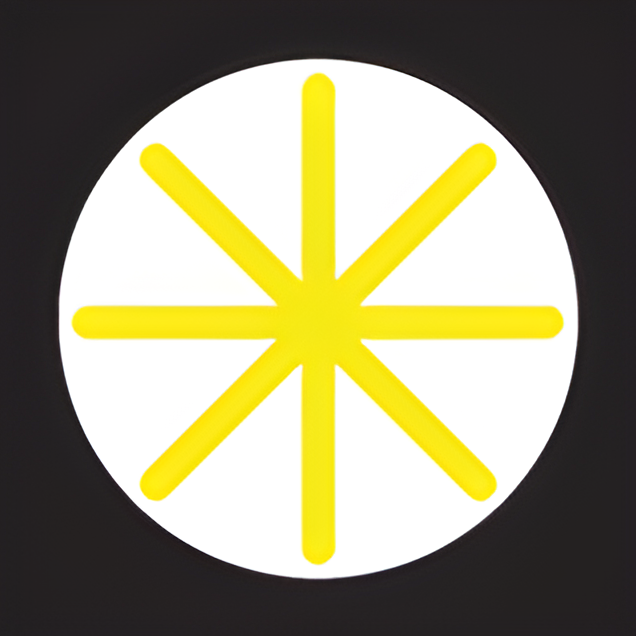 What does a flashing yellow light mean?
A
The same thing as a stop sign.
B
Drivers may move forward with caution.
C
All of the above.
According to standard right-of-way regulations: drivers may move forward with caution. Yielding appropriately prevents intersection collisions and maintains safe traffic flow.
Question 20:
 This road sign means:
A
School zone ahead
B
Keep right
C
Two-way Traffic
This traffic sign indicates: Two-way Traffic. Observing and obeying all roadway signs ensures safe traffic flow and legal driving.
Question 21:
Arrows on the roadway:
A
show which lanes you must use.
B
indicate reserved lanes.
C
indicate HOV lanes.
The correct driving rule is: show which lanes you must use. Following standard DMV road rules and practicing defensive driving ensures safety for all road users.
Question 22:
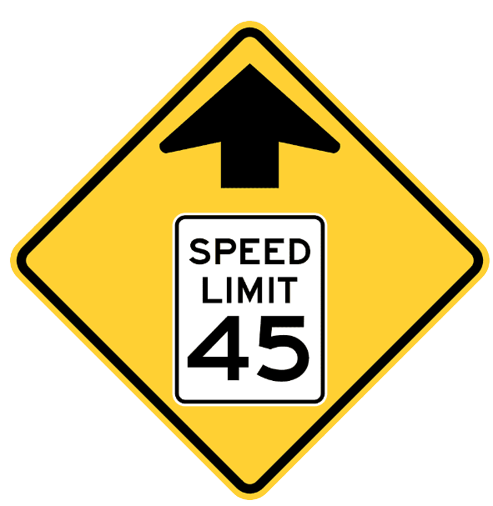 This warning sign:
A
provides advance notice to upcoming speed limit change.
B
shows the current speed limit that all vehicles traveling in the direction of the arrow must not exceed.
C
indicates the suggested highest safe speed.
This traffic sign indicates: provides advance notice to upcoming speed limit change. Observing and obeying all roadway signs ensures safe traffic flow and legal driving.
Question 23:
Blue is used for:
A
Guide signs.
B
Regulatory signs.
C
Warning signs.
The correct driving rule is: Guide signs. Following standard DMV road rules and practicing defensive driving ensures safety for all road users.
Question 24:
 This sign indicates:
A
Warning: drunk drivers.
B
Winding road. Drive with caution.
C
The road may be slippery when wet. Drive slowly.
This traffic sign indicates: The road may be slippery when wet. Drive slowly. Observing and obeying all roadway signs ensures safe traffic flow and legal driving.
Question 25:
 This road sign means:
A
No left turn
B
No right turn
C
No U-turns
This traffic sign indicates: No right turn. Observing and obeying all roadway signs ensures safe traffic flow and legal driving.
Question 26:
You must come to a full stop at a yield sign:
A
Always.
B
Never.
C
If traffic conditions require it.
The correct driving rule is: If traffic conditions require it. Following standard DMV road rules and practicing defensive driving ensures safety for all road users.
Question 27:
What do warning signs mean?
A
Danger ahead.
B
Drivers are approaching a location where there is a special rule.
C
All of the above.
All of the listed points are essential driving requirements: Danger ahead; Drivers are approaching a location where there is a special rule. Practicing each ensures compliance with DMV safety laws.
Question 28:
Which shape is a warning sign?
A
Diamond
B
Triangle
C
Pennant
This traffic sign indicates: Diamond. Observing and obeying all roadway signs ensures safe traffic flow and legal driving.
Question 29:
Slower traffic must drive in:
A
the center lane.
B
the right lane.
C
the left lane.
The correct driving rule is: the right lane. Following standard DMV road rules and practicing defensive driving ensures safety for all road users.
Question 30:
A flashing red light means:
A
The same as a STOP sign.
B
The light will soon change to steady red.
C
Drive with caution.
When an emergency vehicle approaches with flashing lights or sirens, you must safely pull over to the right curb and stop completely until it passes.
Question 31:
After parking, are you allowed to open a door on the road side of your vehicle?
A
Yes, always.
B
Yes, but only if it does not interfere with bicyclists and other traffic.
C
No, never.
Under standard parking and curb regulations: Yes, but only if it does not interfere with bicyclists and other traffic. Following parking distance clearances keeps roadways unobstructed and emergency lanes accessible.
Question 32:
When more than one driver reaches a four-way stop intersection, the last driver to stop should be the first to go.
A
True
B
False
At an uncontrolled intersection or 4-way stop where vehicles arrive at the same time: False. The driver on the left must always yield to the driver on the right.
Question 33:
What is the purpose of minimum speed limits?
A
To keep a smooth traffic flow.
B
To halt the traffic flow.
C
To allow emergency vehicles with red flashing lights to safely pass other vehicles.
For safe speed and stopping control: To keep a smooth traffic flow. Adjusting speed to match visibility and road traction prevents loss of steering grip.
Question 34:
Drivers in Illinois may not wear a headset while driving.
A
False
B
True
The correct driving rule is: True. Following standard DMV road rules and practicing defensive driving ensures safety for all road users.
Question 35:
 This sign means:
A
The road will curve to the right.
B
Left turns are not allowed at the intersection.
C
Do not turn right.
This traffic sign indicates: The road will curve to the right. Observing and obeying all roadway signs ensures safe traffic flow and legal driving.