Question 1:
 This sign warns drivers that:
A
they must turn either to the right or left.
B
there is a double curve ahead.
C
there is a winding road ahead.
This traffic sign indicates: there is a winding road ahead. Observing and obeying all roadway signs ensures safe traffic flow and legal driving.
Question 2:
A second DUI conviction within 20 years results in a minimum:
A
five-year revocation.
B
two-year suspension.
C
two-year revocation.
Under state DUI and traffic safety laws: five-year revocation. Alcohol degrades judgment, slows reaction times, and distorts depth perception.
Question 3:
Which of the following must you obey over the others?
A
Red light
B
Stop sign
C
Police officer
The correct driving rule is: Police officer. Following standard DMV road rules and practicing defensive driving ensures safety for all road users.
Question 4:
Are drivers allowed to exceed the speed limit to pass other vehicles?
A
Yes, but only by 10 MPH or less.
B
No.
C
Yes, but only if they drive with caution.
For safe speed and stopping control: No. Adjusting speed to match visibility and road traction prevents loss of steering grip.
Question 5:
 This road sign means:
A
Lane shifting
B
Merging traffic
C
Do not block intersection
This traffic sign indicates: Merging traffic. Observing and obeying all roadway signs ensures safe traffic flow and legal driving.
Question 6:
 The sign in the picture:
A
is a Construction and Maintenance Traffic Control sign.
B
is found at most intersections and indicates that drivers must yield to other vehicles.
C
is displayed on the rear of slow moving vehicles.
The correct driving rule is: is displayed on the rear of slow moving vehicles. Following standard DMV road rules and practicing defensive driving ensures safety for all road users.
Question 7:
Hitchhiking is:
A
permitted.
B
always illegal.
C
illegal on highways.
The correct driving rule is: always illegal. Following standard DMV road rules and practicing defensive driving ensures safety for all road users.
Question 8:
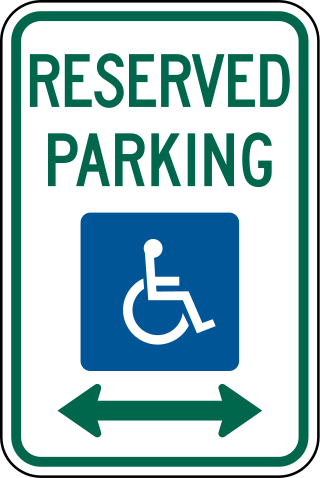 This road sign means:
A
No parking
B
No Passing Zone
C
This parking is reserved for persons with disabilities.
This traffic sign indicates: This parking is reserved for persons with disabilities. Observing and obeying all roadway signs ensures safe traffic flow and legal driving.
Question 9:
You should use turn signals to indicate your intention with sufficient time to allow other drivers to see the signal:
A
if it’s raining.
B
AFTER you move.
C
BEFORE you move.
State laws require signaling your intention: BEFORE you move. Signal at least 100 feet before making a turn or changing lanes.
Question 10:
A vehicle that enters a road from a driveway:
A
has the right-of-way.
B
must yield to traffic approaching from the right, while it has the right-of-way over vehicles approaching from the left.
C
must stop and yield the right-of-way to traffic on the roadway and to pedestrians.
The correct driving rule is: must stop and yield the right-of-way to traffic on the roadway and to pedestrians. Following standard DMV road rules and practicing defensive driving ensures safety for all road users.
Question 11:
Unless otherwise posted, the speed limit on highways with four lanes is:
A
70 MPH.
B
65 MPH.
C
55 MPH.
For safe speed and stopping control: 65 MPH. Adjusting speed to match visibility and road traction prevents loss of steering grip.
Question 12:
Warning signs normally are:
A
rectangles.
B
triangles.
C
diamond-shaped.
The correct driving rule is: diamond-shaped. Following standard DMV road rules and practicing defensive driving ensures safety for all road users.
Question 13:
Diamond-shaped signs:
A
are used to warn of hazards on roadways.
B
indicate no pass zones.
C
typically provide guidance to drivers.
The correct driving rule is: are used to warn of hazards on roadways. Following standard DMV road rules and practicing defensive driving ensures safety for all road users.
Question 14:
A yellow sign with a black “X” and the letters “RR” means:
A
crossroad ahead.
B
a highway-railway crossing is ahead.
C
this lane signal is going to change to red.
The correct driving rule is: a highway-railway crossing is ahead. Following standard DMV road rules and practicing defensive driving ensures safety for all road users.
Question 15:
You may pass on the right when you have enough room on a two-lane roadway, and when the vehicle you are passing is making a left turn.
A
False
B
True
Defensive driving guidelines state that: True. Anticipating road hazards and communicating maneuvers keeps traffic predictable and safe.
Question 16:
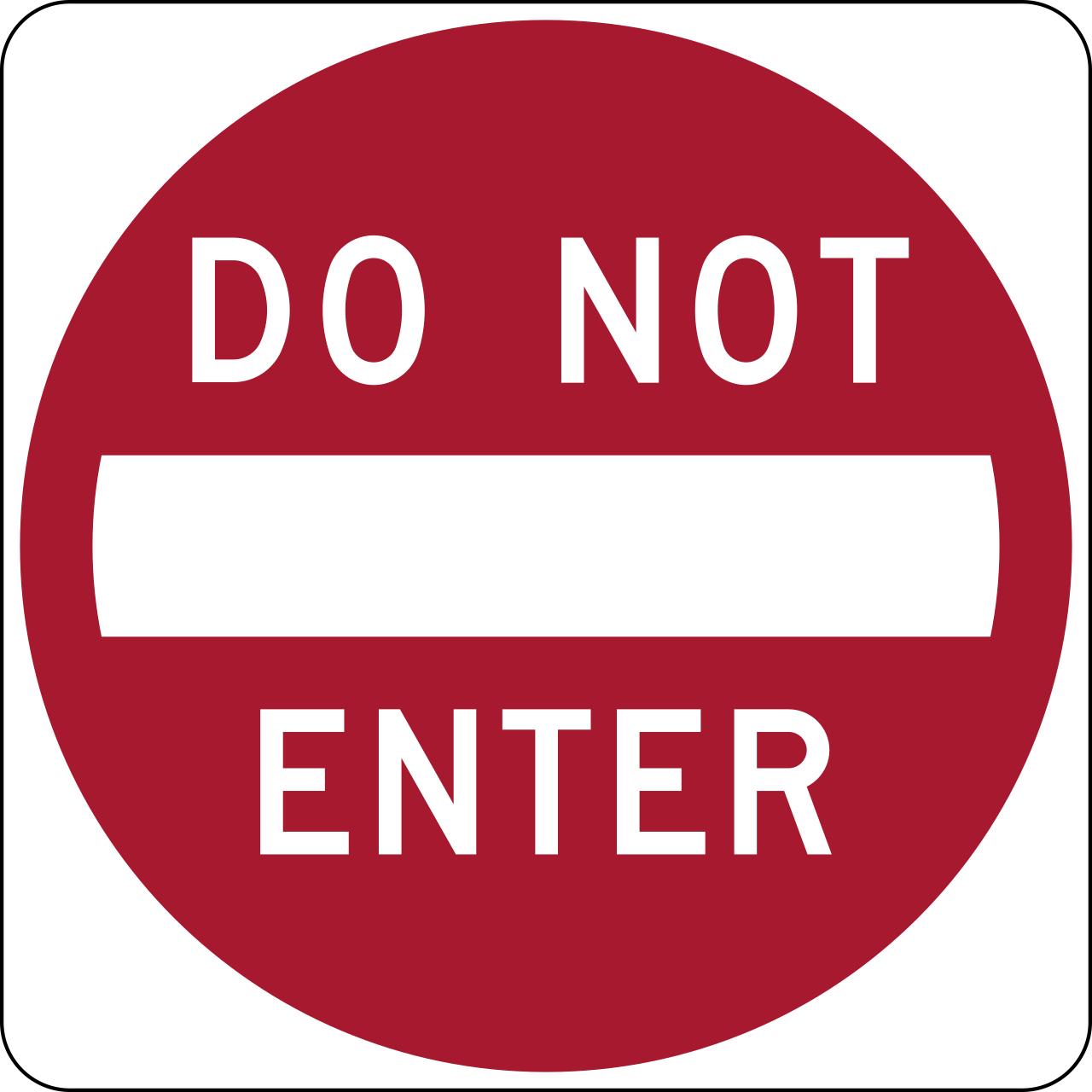 This sign indicates:
A
that you must not drive past this sign.
B
that you must yield the right-of-way.
C
the entrance to a construction site.
D
the entrance to a dead-end street.
This traffic sign indicates: that you must not drive past this sign. Observing and obeying all roadway signs ensures safe traffic flow and legal driving.
Question 17:
 A flashing red light:
A
is used at dangerous intersections.
B
means the same thing as a stop sign.
C
All of the above.
Safe navigation at intersections requires following all established rules: is used at dangerous intersections; means the same thing as a stop sign. Always yield right-of-way properly to prevent collisions.
Question 18:
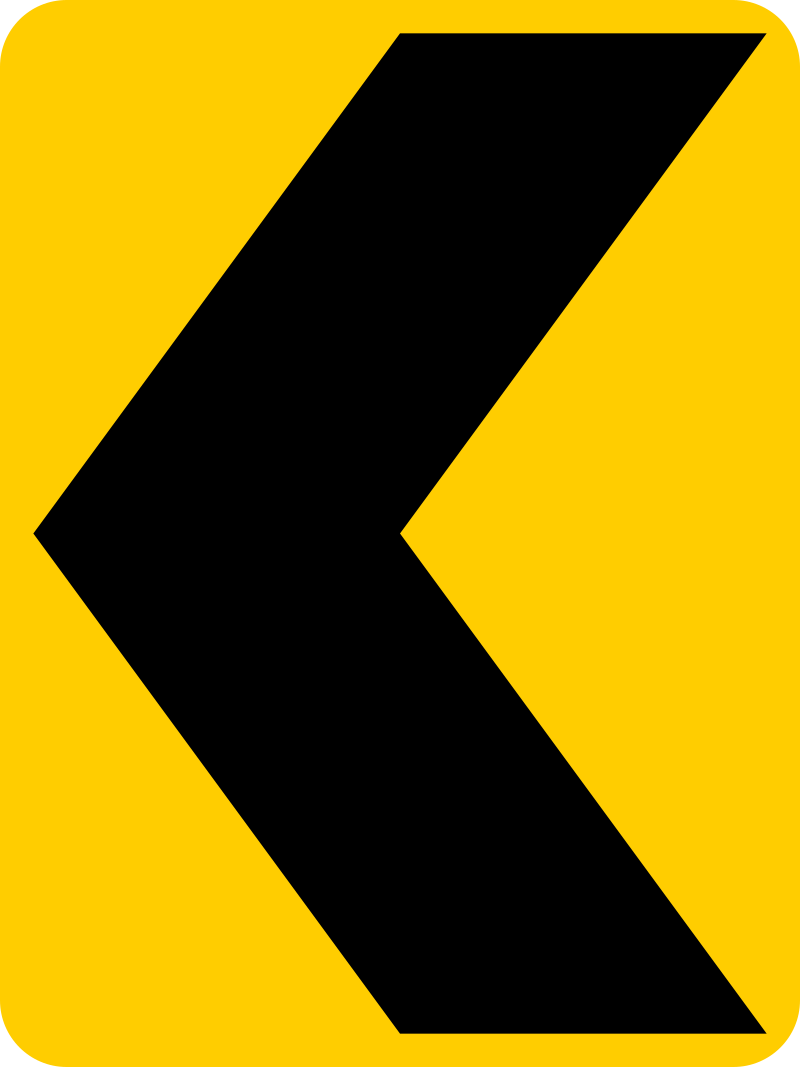 This sign warns you of:
A
narrowing of the road.
B
a change in direction.
C
All of the above.
This sign alerts drivers to several mandatory requirements: narrowing of the road, a change in direction. Obeying all posted traffic control instructions is required by law.
Question 19:
When children are close, what should you do before you back out of a driveway?
A
Rely on your mirrors.
B
Get out of the car and check behind the car.
C
Look through your back window for children.
The correct driving rule is: Get out of the car and check behind the car. Following standard DMV road rules and practicing defensive driving ensures safety for all road users.
Question 20:
If a traffic officer signals you to drive through a red light:
A
you must do it.
B
you must wait for the red light to turn green.
C
you must not obey the officer. Signs and signals take precedence over directions given by traffic officers.
According to standard right-of-way regulations: you must do it. Yielding appropriately prevents intersection collisions and maintains safe traffic flow.
Question 21:
A flashing yellow light means:
A
The light will soon change from green to red.
B
Drive with caution.
C
Yield the right-of-way to other traffic at the intersection.
According to standard right-of-way regulations: drive with caution. Yielding appropriately prevents intersection collisions and maintains safe traffic flow.
Question 22:
A driver must yield the right of way even after the light turns green when there are vehicles in the intersection.
A
True
B
False
According to standard right-of-way regulations: True. Yielding appropriately prevents intersection collisions and maintains safe traffic flow.
Question 23:
 This regulatory road sign indicates that:
A
Vehicles must slow down and stay in the right lane.
B
The right hand lane is reserved for buses and car-pool vehicles.
C
Slower vehicles traveling on multiple lane highways must stay in the right hand lane.
This traffic sign indicates: Slower vehicles traveling on multiple lane highways must stay in the right hand lane. Observing and obeying all roadway signs ensures safe traffic flow and legal driving.
Question 24:
Two motorcyclists are allowed to:
A
ride side-by-side in a single lane.
B
share the lane with another vehicle.
C
race on empty roads.
The correct driving rule is: ride side-by-side in a single lane. Following standard DMV road rules and practicing defensive driving ensures safety for all road users.
Question 25:
Drivers whose licenses have been revoked as a result of DUI must meet several requirements, including undergoing an evaluation for alcohol and drug problems and paying a reinstatement fee, to regain their licenses.
A
True
B
False
Under state DUI and traffic safety laws: True. Alcohol degrades judgment, slows reaction times, and distorts depth perception.
Question 26:
The traffic light is green and you want to drive straight through an intersection. If a car is already in the intersection and is making a turn, you must:
A
enter the intersection and then stop.
B
drive through the intersection. You have the right-of-way.
C
let that car complete its turn before you enter the intersection.
According to standard right-of-way regulations: let that car complete its turn before you enter the intersection. Yielding appropriately prevents intersection collisions and maintains safe traffic flow.
Question 27:
__________ are blue with white letters and symbols.
A
Warning signs
B
Service signs
C
Destination signs (guide signs)
The correct driving rule is: Service signs. Following standard DMV road rules and practicing defensive driving ensures safety for all road users.
Question 28:
If an intersection has crosswalk lines but no STOP line, where must you stop for a red light?
A
After the crosswalk.
B
Before the stop line.
C
Before the crosswalk.
Drivers must always yield the right-of-way to pedestrians crossing at intersections and crosswalks: Before the crosswalk. Stop and allow them to clear the lane safely.
Question 29:
A broken white line:
A
means passing or crossing is prohibited in that lane.
B
separates two lanes traveling in the same direction.
C
marks the right edge of the roadway.
The correct driving rule is: separates two lanes traveling in the same direction. Following standard DMV road rules and practicing defensive driving ensures safety for all road users.
Question 30:
Blood alcohol content (BAC) depends on each of the following except:
A
How fit you are.
B
Your body weight.
C
How much you drink.
Under state DUI and traffic safety laws: How fit you are. Alcohol degrades judgment, slows reaction times, and distorts depth perception.
Question 31:
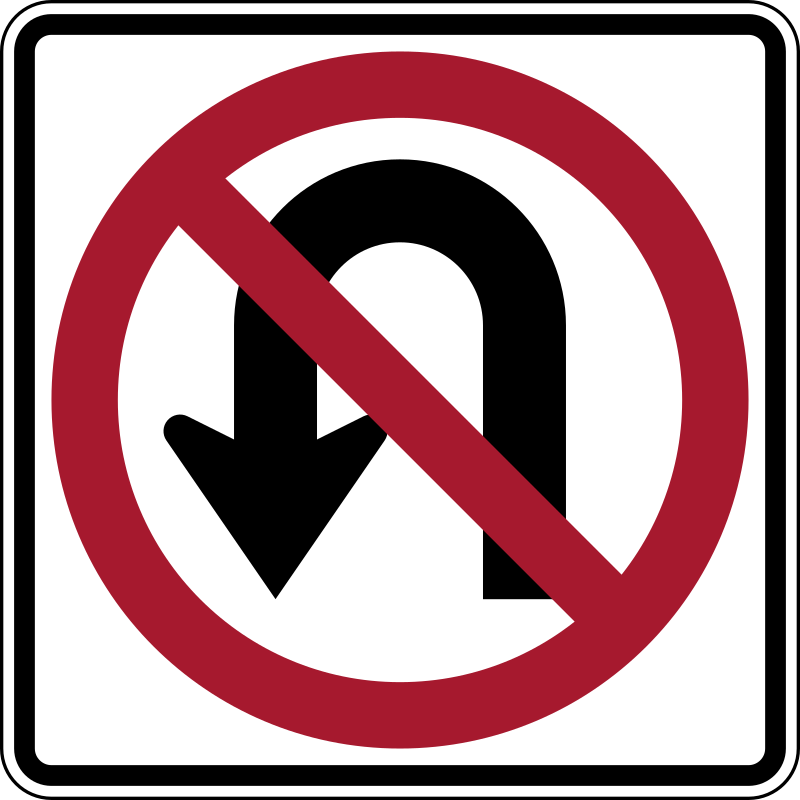 This road sign means:
A
No left turn
B
No U-turn
C
Detour ahead
This traffic sign indicates: No U-turn. Observing and obeying all roadway signs ensures safe traffic flow and legal driving.
Question 32:
Yellow traffic signs:
A
guide drivers.
B
when combined with an octagonal shape, tell drivers they must come to a complete stop at the marked stop line.
C
warn drivers.
The correct driving rule is: warn drivers. Following standard DMV road rules and practicing defensive driving ensures safety for all road users.
Question 33:
In Illinois, the use of handheld cellphones while driving is:
A
prohibited.
B
allowed for drivers ages 21 and older.
C
allowed for drivers ages 19 or older.
The correct driving rule is: prohibited. Following standard DMV road rules and practicing defensive driving ensures safety for all road users.
Question 34:
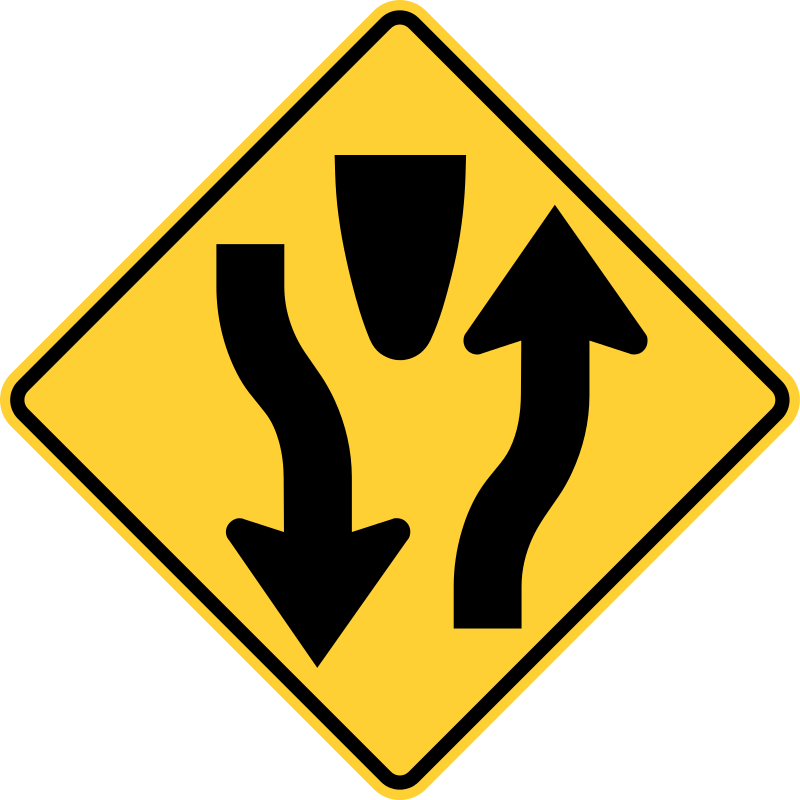 This road sign means:
A
Divided highway ahead
B
Merging traffic
C
Flagger ahead
This traffic sign indicates: Divided highway ahead. Observing and obeying all roadway signs ensures safe traffic flow and legal driving.
Question 35:
A driver may proceed immediately when waiting at an intersection and the traffic signal light turns green.
A
True
B
False
This traffic sign indicates: False. Observing and obeying all roadway signs ensures safe traffic flow and legal driving.