Question 1:
When passing another vehicle, a driver should wait until the entire car the driver just passed is visible in the rearview mirror before turning back into the right hand lane.
A
False
B
True
Defensive driving guidelines state that: True. Anticipating road hazards and communicating maneuvers keeps traffic predictable and safe.
Question 2:
Stop, Do Not Enter and Wrong Way signs are:
A
orange
B
red
C
black and white
The correct driving rule is: black and white. Following standard DMV road rules and practicing defensive driving ensures safety for all road users.
Question 3:
A red traffic sign means?
A
Do not enter.
B
Stop.
C
All of the above.
This sign alerts drivers to several mandatory requirements: Do not enter, Stop. Obeying all posted traffic control instructions is required by law.
Question 4:
 This road sign means:
A
A road joins from the right
B
All traffic must go straight ahead
C
All traffic must turn right
This traffic sign indicates: A road joins from the right. Observing and obeying all roadway signs ensures safe traffic flow and legal driving.
Question 5:
Regardless of fault, a crash report must be filed by the driver of a vehicle if the crash involves bodily injury.
A
True
B
False
The correct driving rule is: True. Following standard DMV road rules and practicing defensive driving ensures safety for all road users.
Question 6:
You can pass on the right:
A
when a vehicle ahead makes a right turn.
B
when a vehicle ahead makes a left turn.
C
when a vehicle that is approaching from the opposite direction is prepared to turn left.
The correct driving rule is: when a vehicle ahead makes a left turn. Following standard DMV road rules and practicing defensive driving ensures safety for all road users.
Question 7:
When you make a left turn from a two-way road into a four-lane highway, you must:
A
enter the left lane, to the right of the center line.
B
enter the right lane, to the left of the center line.
C
go straight through the intersection, and then make the turn.
Defensive driving guidelines state that: enter the left lane, to the right of the center line. Anticipating road hazards and communicating maneuvers keeps traffic predictable and safe.
Question 8:
 When they see a yellow X signal, drivers should:
A
come to a complete stop at the marked stop line.
B
turn off the ignition.
C
prepare to leave the lane safely.
State laws require signaling your intention: prepare to leave the lane safely. Signal at least 100 feet before making a turn or changing lanes.
Question 9:
Who must wear safety belts in Illinois?
A
All drivers and front seat passengers ages 8 and older.
B
All drivers and passengers (front and back seat) ages 8 and older.
C
All drivers and front seat passengers.
The correct driving rule is: All drivers and passengers (front and back seat) ages 8 and older. Following standard DMV road rules and practicing defensive driving ensures safety for all road users.
Question 10:
Bright lights must be dimmed _____ feet before meeting an oncoming vehicle.
A
500
B
200
C
300
The correct driving rule is: 500. Following standard DMV road rules and practicing defensive driving ensures safety for all road users.
Question 11:
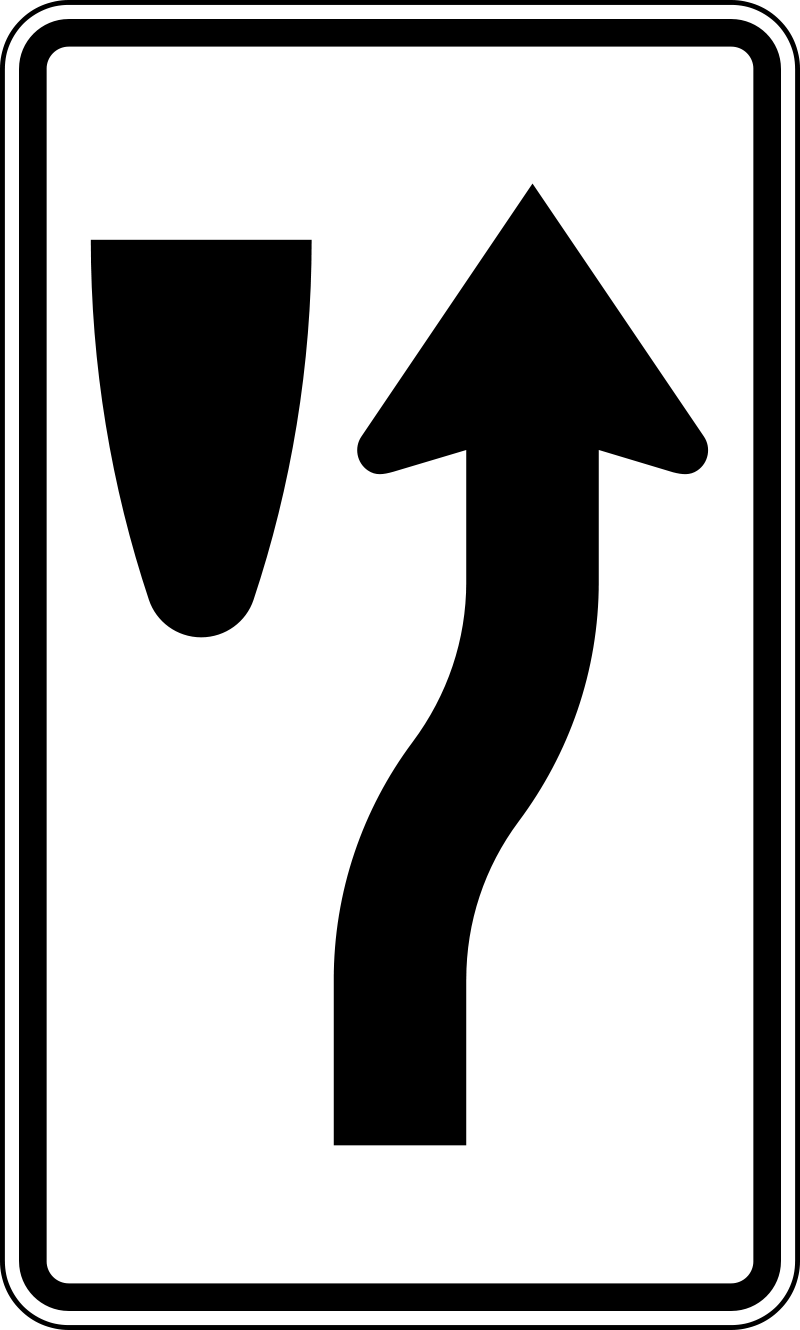 This road sign means:
A
Keep to the right
B
One-way traffic ahead
C
Lane ends ahead
This traffic sign indicates: keep to the right. Observing and obeying all roadway signs ensures safe traffic flow and legal driving.
Question 12:
_________________ your mirrors when you prepare to change lanes.
A
Never depend on
B
Never use
C
Always rely on
The correct driving rule is: Never depend on. Following standard DMV road rules and practicing defensive driving ensures safety for all road users.
Question 13:
 This road sign means:
A
Lane shifting
B
Traffic is entering from another road, drive with caution
C
Stop for other traffic
D
Yield right-of-way
This traffic sign indicates: traffic is entering from another road, drive with caution. Observing and obeying all roadway signs ensures safe traffic flow and legal driving.
Question 14:
Drivers who are under age 21, stopped and found to have any trace of alcohol in their system while driving will have their driving privileges suspended for:
A
three months.
B
six weeks.
C
three years.
Under state DUI and traffic safety laws: three months. Alcohol degrades judgment, slows reaction times, and distorts depth perception.
Question 15:
If you are blinded by headlights on an approaching vehicle, you should:
A
avoid looking directly at the bright lights.
B
glance toward the side of the road, then look quickly ahead to determine the other vehicle’s position.
C
All of the above.
All of the listed points are essential driving requirements: avoid looking directly at the bright lights; glance toward the side of the road, then look quickly ahead to determine the other vehicle’s position. Practicing each ensures compliance with DMV safety laws.
Question 16:
What should you do if you see smoke come from under the hood?
A
Call the fire department and then pull off the road and park your vehicle.
B
Pull off the road and park your vehicle. Turn off the ignition, get away from the car and call the fire department.
C
Try to fight the fire yourself.
The correct driving rule is: pull off the road and park your vehicle. Turn off the ignition, get away from the car and call the fire department. Following standard DMV road rules and practicing defensive driving ensures safety for all road users.
Question 17:
If a driver is arrested for driving with a BAC of ____ percent or more, his/her driving privileges will be suspended for six months.
A
0.005
B
0.08
C
0.8
In nearly all US states, drivers age 21 and older are legally intoxicated with a Blood Alcohol Concentration (BAC) of 0.08% or higher.
Question 18:
When parking on streets with two-way traffic, park so the right-hand wheels are parallel to and within ______ of the curb.
A
2 inches
B
12 inches
C
20 inches
Under standard parking and curb regulations: 12 inches. Following parking distance clearances keeps roadways unobstructed and emergency lanes accessible.
Question 19:
Blind spots around a large vehicle are _________________ than the blind spots around a car.
A
larger and deeper
B
less dangerous
C
narrower and shorter
The correct driving rule is: larger and deeper. Following standard DMV road rules and practicing defensive driving ensures safety for all road users.
Question 20:
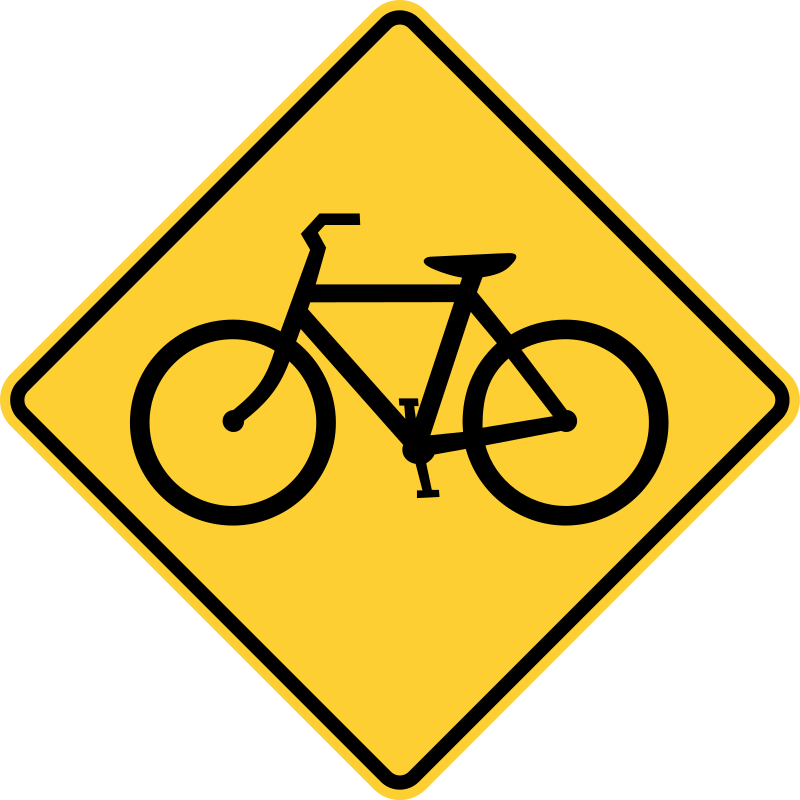 This road sign means:
A
Yield right-of-way to bicycles
B
Bicycles cross or ride beside traffic
C
Yield to motorcyles, but not to bicycles
D
Bicycles have the same rights as other vehicles
This traffic sign indicates: Bicycles cross or ride beside traffic. Observing and obeying all roadway signs ensures safe traffic flow and legal driving.
Question 21:
 When you see this sign you:
A
should stop and wait for a flagger before crossing the railroad tracks.
B
should always stop at the upcoming railroad crossing.
C
are approaching a railroad crossing; be prepared to stop.
Circular signs with an 'X' and 'RR' designate a Railroad Advance Warning: are approaching a railroad crossing; be prepared to stop. Drivers must slow down, look both ways, listen for trains, and be prepared to stop.
Question 22:
You are driving on an interstate highway, and a car is attempting to merge into your lane. You should:
A
slow down and yield the right-of-way to the other car.
B
reduce your speed quickly so the other vehicle can merge.
C
safely make room for the merging vehicle, if possible.
Defensive driving guidelines state that: safely make room for the merging vehicle, if possible. Anticipating road hazards and communicating maneuvers keeps traffic predictable and safe.
Question 23:
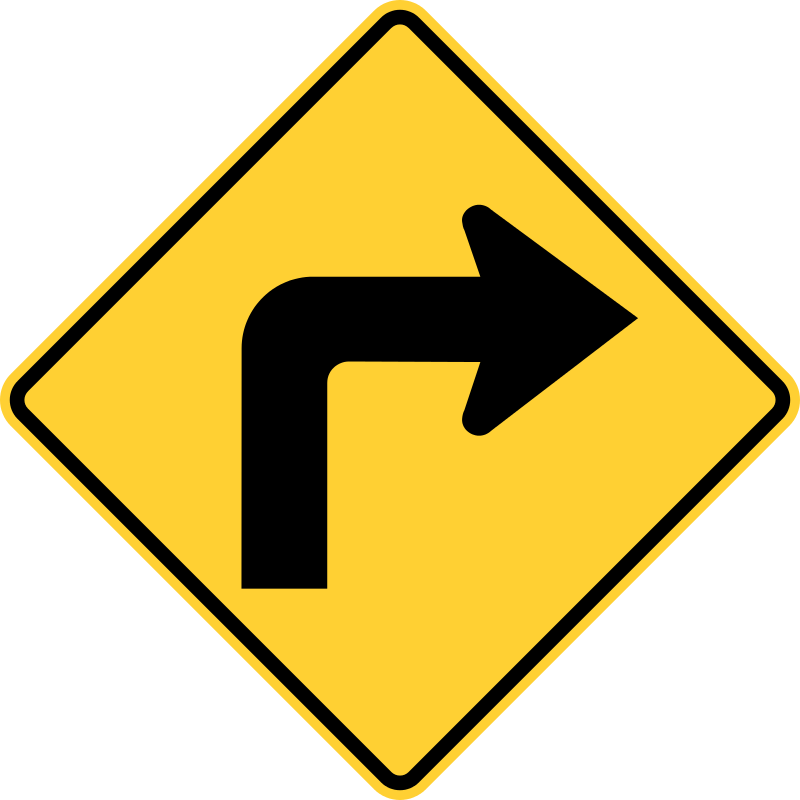 This sign warns drivers that:
A
the road will make a sharp turn to the right.
B
right turns are not allowed.
C
another road enters the highway from the direction shown.
This traffic sign indicates: the road will make a sharp turn to the right. Observing and obeying all roadway signs ensures safe traffic flow and legal driving.
Question 24:
Speed limit signs are:
A
service signs
B
regulation signs (regulatory signs)
C
warning signs
For safe speed and stopping control: regulation signs (regulatory signs). Adjusting speed to match visibility and road traction prevents loss of steering grip.
Question 25:
A diamond-shaped sign is a:
A
school zone sign.
B
warning sign.
C
regulatory sign.
The correct driving rule is: warning sign. Following standard DMV road rules and practicing defensive driving ensures safety for all road users.
Question 26:
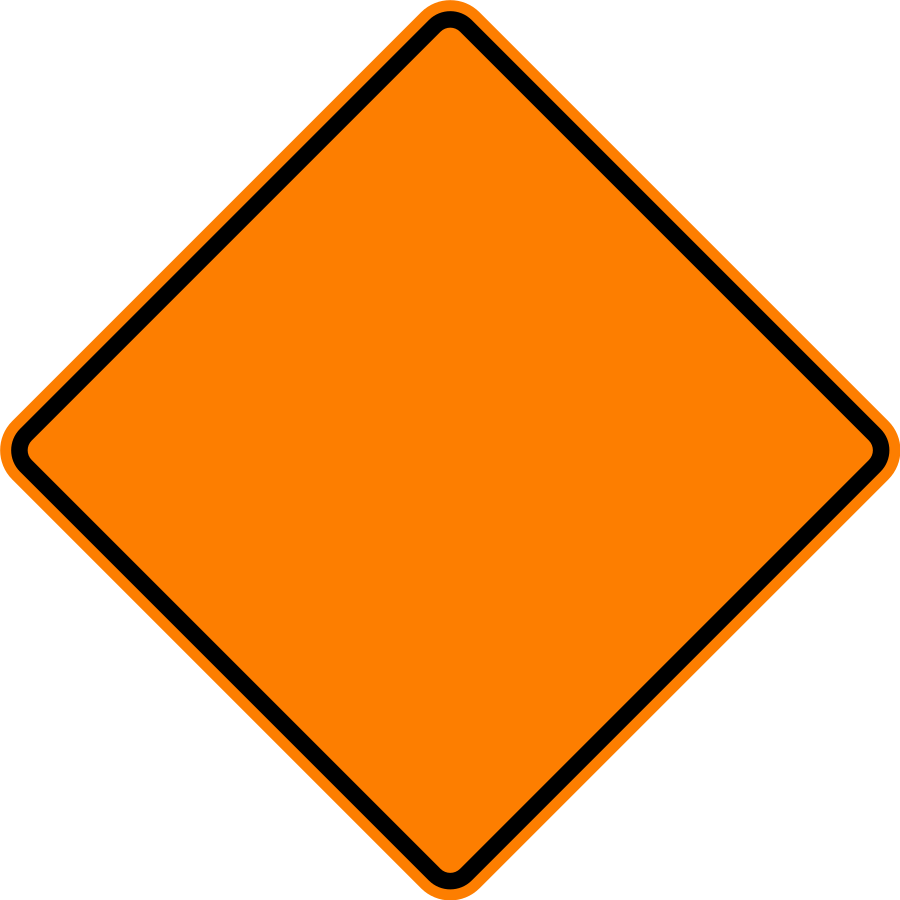 This road sign means:
A
Road construction ahead
B
Stop ahead
C
Do not enter
This traffic sign indicates: Road construction ahead. Observing and obeying all roadway signs ensures safe traffic flow and legal driving.
Question 27:
This road sign means:
A
Stop sign ahead
B
Keep to the side indicated by the arrow
C
Side road
D
Low shoulder
This traffic sign indicates: keep to the side indicated by the arrow. Observing and obeying all roadway signs ensures safe traffic flow and legal driving.
Question 28:
What is the only effective way of reducing your blood alcohol content (BAC)?
A
Food.
B
Time.
C
Strong coffee.
Under state DUI and traffic safety laws: Time. Alcohol degrades judgment, slows reaction times, and distorts depth perception.
Question 29:
You hear a siren close by but can not see where the emergency vehicle is. What do you do?
A
Keep driving until you are sure the emergency vehicle is headed toward you.
B
Stop immediately and activate your emergency flashers.
C
Pull over to the right side of the road and stop until you are sure the emergency vehicle is not headed toward you.
When sharing the road with other vehicles: pull over to the right side of the road and stop until you are sure the emergency vehicle is not headed toward you. Giving large vehicles and vulnerable users adequate clearance prevents dangerous accidents.
Question 30:
 This sign warns drivers of:
A
a reduction of lanes.
B
a dip in the road. Drivers should be ready to stop if the dip is filled with water.
C
a bridge ahead, wide enough to accommodate two lanes of traffic, but with very little clearance.
This traffic sign indicates: a bridge ahead, wide enough to accommodate two lanes of traffic, but with very little clearance. Observing and obeying all roadway signs ensures safe traffic flow and legal driving.
Question 31:
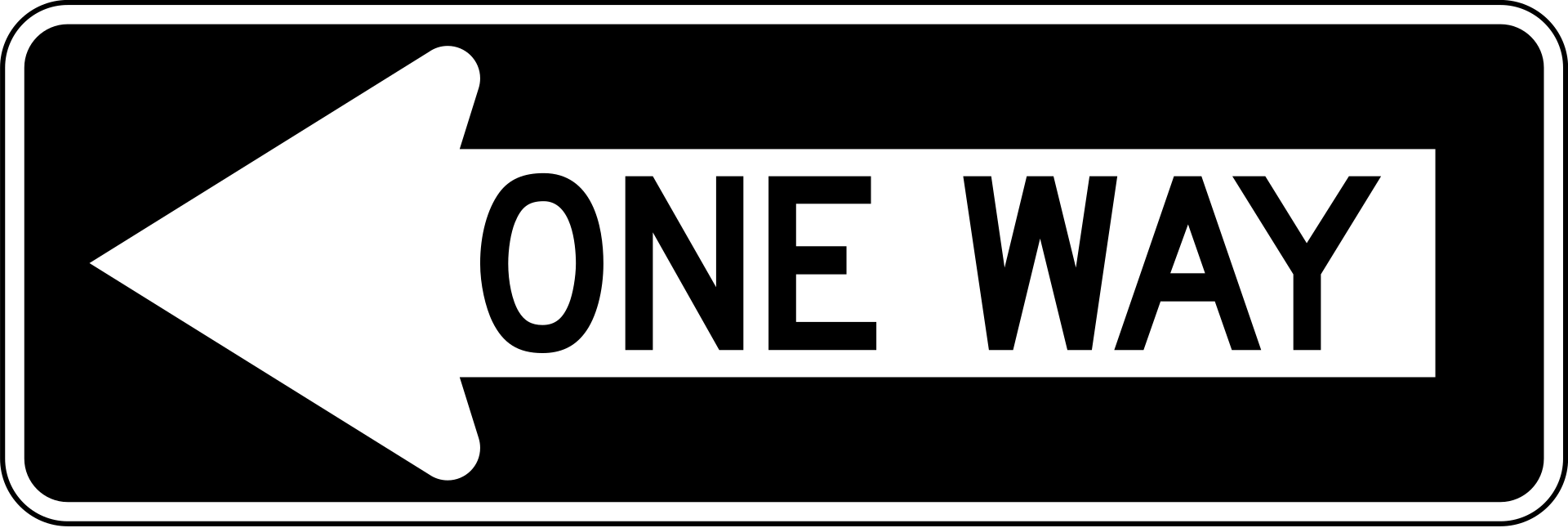 This road sign means:
A
Traffic flows only in the direction of the arrow
B
Turn right or left
C
No right turn
D
Sharp curve ahead
This traffic sign indicates: traffic flows only in the direction of the arrow. Observing and obeying all roadway signs ensures safe traffic flow and legal driving.
Question 32:
You may not enter an intersection unless there is enough space to allow passage of other vehicles.
A
True
B
False
According to standard right-of-way regulations: True. Yielding appropriately prevents intersection collisions and maintains safe traffic flow.
Question 33:
After parking and before opening vehicle doors, a motorist should first check for bicyclists.
A
False
B
True
Under standard parking and curb regulations: True. Following parking distance clearances keeps roadways unobstructed and emergency lanes accessible.
Question 34:
What is the slow moving vehicle symbol?
A
A reflective yellow diamond
B
A reflective white triangle
C
A reflective orange triangle
The correct driving rule is: A reflective orange triangle. Following standard DMV road rules and practicing defensive driving ensures safety for all road users.
Question 35:
In urban areas, drivers moving out of a private road need NOT come to a complete stop before entering the roadway if the roadway is clear of traffic.
A
True
B
False
The correct driving rule is: False. Following standard DMV road rules and practicing defensive driving ensures safety for all road users.