Question 1:
When approaching a railroad crossing drivers should:
A
slow down.
B
be ready to stop.
C
look for a train.
D
All of the above.
All of the listed points are essential driving requirements: slow down; be ready to stop; look for a train. Practicing each ensures compliance with DMV safety laws.
Question 2:
__________ limit(s) your concentration, perception, judgment, and memory.
A
Even the smallest amount of alcohol
B
Only a blood alcohol level greater than .05
C
Alcohol does not
D
Only a blood alcohol level greater than the legal limit
The correct driving rule is: Even the smallest amount of alcohol. Following standard DMV road rules and practicing defensive driving ensures safety for all road users.
Question 3:
 What does a flashing red light mean?
A
NO TURN ON RED.
B
The same thing as a stop sign.
C
Drivers may move forward with caution.
When an emergency vehicle approaches with flashing lights or sirens, you must safely pull over to the right curb and stop completely until it passes.
Question 4:
Approximately one-half of all motorcycle crashes:
A
are minor crashes with no injuries.
B
involve motorcyclists riding in a staggered formation.
C
involve another vehicle.
D
involve expert riders.
Motorcycles can stop rapidly and are easily hidden in vehicle blind spots: involve another vehicle. Always allow an increased following distance of at least 3 to 4 seconds.
Question 5:
What do warning signs mean?
A
Danger ahead.
B
Drivers are approaching a location where there is a special rule.
C
All of the above.
All of the listed points are essential driving requirements: Danger ahead; Drivers are approaching a location where there is a special rule. Practicing each ensures compliance with DMV safety laws.
Question 6:
What is the meaning of red traffic signs?
A
High emphasis warning.
B
Stop, do not enter or wrong way.
C
Regulatory.
The correct driving rule is: Stop, do not enter or wrong way. Following standard DMV road rules and practicing defensive driving ensures safety for all road users.
Question 7:
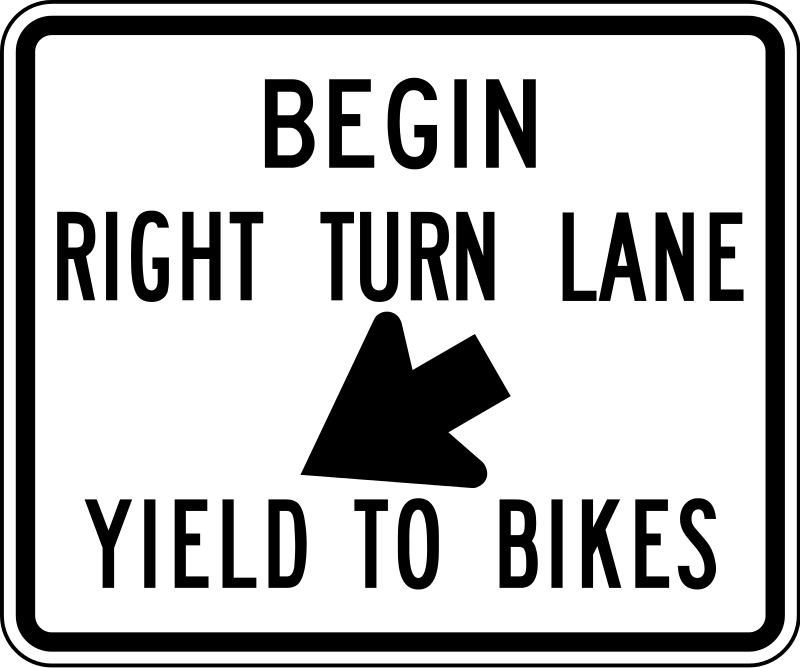 What does this road sign indicate?
A
Drivers have the right of way over bikes turning left.
B
Vehicles turning left must yield to bikes entering a right turn lane.
C
Motor vehicles entering an exclusive right-turn lane must weave across bicycle traffic in bicycle lanes.
This traffic sign indicates: Motor vehicles entering an exclusive right-turn lane must weave across bicycle traffic in bicycle lanes. Observing and obeying all roadway signs ensures safe traffic flow and legal driving.
Question 8:
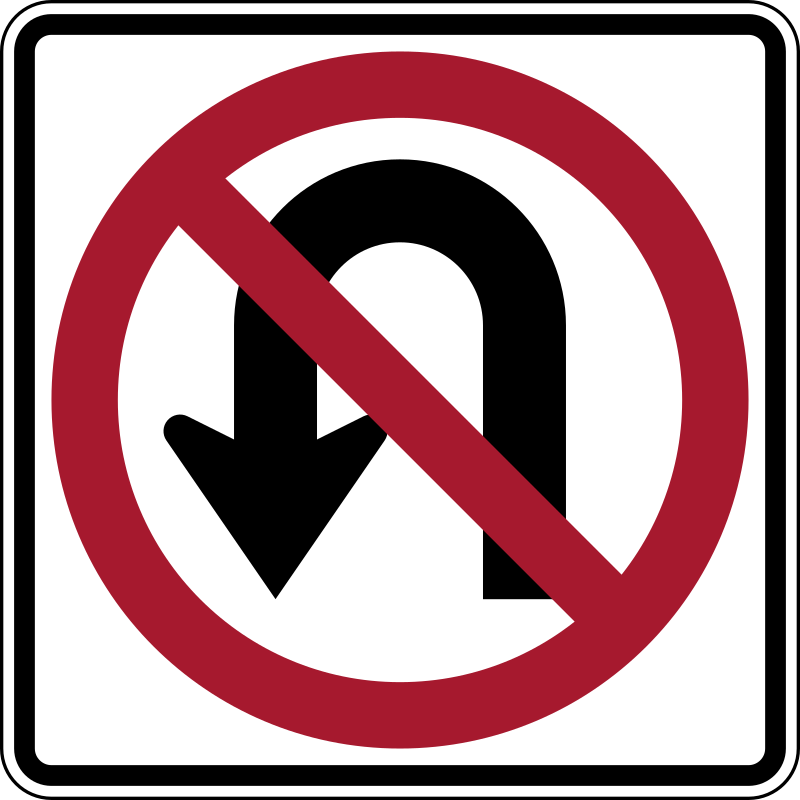 This road sign means:
A
No left turn
B
No U-turn
C
Detour ahead
This traffic sign indicates: No U-turn. Observing and obeying all roadway signs ensures safe traffic flow and legal driving.
Question 9:
A vehicle that enters a road from a driveway:
A
has the right-of-way.
B
must yield to traffic approaching from the right, while it has the right-of-way over vehicles approaching from the left.
C
must stop and yield the right-of-way to traffic on the roadway and to pedestrians.
The correct driving rule is: must stop and yield the right-of-way to traffic on the roadway and to pedestrians. Following standard DMV road rules and practicing defensive driving ensures safety for all road users.
Question 10:
In the following situations, drivers should increase their following interval:
A
When following vehicles that are required to come to a stop at railroad crossings.
B
When it is hard to see ahead because of bad weather.
C
All of the above.
All of the listed points are essential driving requirements: When following vehicles that are required to come to a stop at railroad crossings; When it is hard to see ahead because of bad weather. Practicing each ensures compliance with DMV safety laws.
Question 11:
 This road sign warns drivers that:
A
left turns are not allowed at the intersection.
B
the road will make a sharp turn to the right.
C
another road enters the highway from the direction shown.
This traffic sign indicates: another road enters the highway from the direction shown. Observing and obeying all roadway signs ensures safe traffic flow and legal driving.
Question 12:
When a driver is turning and a pedestrian is crossing without a traffic light, __________ must yield the right-of-way.
A
the pedestrian
B
the driver
C
both
D
whoever is slower
Drivers must always yield the right-of-way to pedestrians crossing at intersections and crosswalks: the driver. Stop and allow them to clear the lane safely.
Question 13:
When coming to a place where you cannot see what is ahead - like a steep hill or a sharp curve, you should:
A
accelerate slightly before entering the curve.
B
give your horn a light tap, proceed slowly and stay close to the right edge of the road.
C
come to a complete stop and wait until visibility improves.
D
speed up to increase your visibility quickly.
The correct driving rule is: give your horn a light tap, proceed slowly and stay close to the right edge of the road. Following standard DMV road rules and practicing defensive driving ensures safety for all road users.
Question 14:
 This road sign means:
A
No parking
B
Yield
C
No left turn
D
Divided highway
This traffic sign indicates: No parking. Observing and obeying all roadway signs ensures safe traffic flow and legal driving.
Question 15:
If you remain in the back blind spot of a large vehicle:
A
you increase the chance of a crash.
B
the large vehicle will take much longer to stop.
C
you can reduce fuel consumption.
Large commercial trucks have extensive blind spots on all four sides called the 'No-Zone': you increase the chance of a crash. If you cannot see the truck driver in their side mirrors, they cannot see you.
Question 16:
What should drivers do when the red lights begin to flash?
A
Stop.
B
Yield.
C
Slow down.
The correct driving rule is: stop. Following standard DMV road rules and practicing defensive driving ensures safety for all road users.
Question 17:
 This sign means:
A
Not enter
B
Detour to the right
C
The road to the right is for one-way traffic only
This traffic sign indicates: Detour to the right. Observing and obeying all roadway signs ensures safe traffic flow and legal driving.
Question 18:
To drive defensively, you must:
A
avoid scanning the road ahead.
B
keep one hand on the steering wheel.
C
keep your eyes moving.
The correct driving rule is: keep your eyes moving. Following standard DMV road rules and practicing defensive driving ensures safety for all road users.
Question 19:
If your vehicle starts to hydroplane you should:
A
apply the brakes firmly to prevent your vehicle from sliding.
B
slow down gradually and do not apply the brakes.
C
maintain your current speed to gain better traction.
D
All of the above.
The correct driving rule is: slow down gradually and do not apply the brakes. Following standard DMV road rules and practicing defensive driving ensures safety for all road users.
Question 20:
What should you do if your rear wheels start to skid?
A
Steer left if your rear wheels slide right.
B
If the vehicle has ABS, pump the pedal carefully.
C
Turn the steering wheel in the direction the vehicle is trying to go.
The correct driving rule is: turn the steering wheel in the direction the vehicle is trying to go. Following standard DMV road rules and practicing defensive driving ensures safety for all road users.
Question 21:
Where must you position your vehicle when you prepare to make a left turn from a two-way roadway into a one-way roadway?
A
As far to the right as possible.
B
On the right curb.
C
As close as possible to the center line.
The correct driving rule is: As close as possible to the center line. Following standard DMV road rules and practicing defensive driving ensures safety for all road users.
Question 22:
 This road sign means:
A
Slow down and be prepared to stop if necessary
B
You must come to a complete stop
C
You may proceed at regular speed through the intersection
D
Wrong Way
This traffic sign indicates: slow down and be prepared to stop if necessary. Observing and obeying all roadway signs ensures safe traffic flow and legal driving.
Question 23:
Drivers may continue carefully through a yellow light if:
A
there are no pedestrians crossing.
B
they are turning right.
C
they already are within the intersection.
D
an emergency vehicle is crossing your lane.
According to standard right-of-way regulations: they already are within the intersection. Yielding appropriately prevents intersection collisions and maintains safe traffic flow.
Question 24:
Which shape is a warning sign?
A
Diamond
B
Triangle
C
Pennant
This traffic sign indicates: Diamond. Observing and obeying all roadway signs ensures safe traffic flow and legal driving.
Question 25:
When children are close, what should you do before you back out of a driveway?
A
Rely on your mirrors.
B
Get out of the car and check behind the car.
C
Look through your back window for children.
The correct driving rule is: Get out of the car and check behind the car. Following standard DMV road rules and practicing defensive driving ensures safety for all road users.
Question 26:
Drinking alcohol while taking drugs:
A
reduces the effects of the alcohol.
B
reduces the effects of the drug or medicine.
C
has no effect, they are different substances.
D
could multiply the effects of the alcohol.
Under state DUI and traffic safety laws: could multiply the effects of the alcohol. Alcohol degrades judgment, slows reaction times, and distorts depth perception.
Question 27:
Following another vehicle too closely is known as:
A
speedgating.
B
closetailing.
C
tailgating.
The correct driving rule is: tailgating. Following standard DMV road rules and practicing defensive driving ensures safety for all road users.
Question 28:
What should you do if one of your tires blows out?
A
Hold the steering wheel tight and brake immediately to avoid the risk of skidding.
B
Leave the road immediately.
C
Hold the steering wheel tight and slowly take your foot off the gas pedal.
The correct driving rule is: Hold the steering wheel tight and slowly take your foot off the gas pedal. Following standard DMV road rules and practicing defensive driving ensures safety for all road users.
Question 29:
What is the meaning of orange traffic signs?
A
Yield.
B
Warning of school, pedestrian, and bicycling activity.
C
Construction and maintenance warning.
The correct driving rule is: Construction and maintenance warning. Following standard DMV road rules and practicing defensive driving ensures safety for all road users.
Question 30:
If your car breaks down on the highway, you should:
A
use your four-way flashers to warn other drivers.
B
sound your horn to warn passing vehicles.
C
flash your headlights at oncoming traffic.
D
stop in the right lane.
Defensive driving guidelines state that: use your four-way flashers to warn other drivers. Anticipating road hazards and communicating maneuvers keeps traffic predictable and safe.
Question 31:
 This road sign means:
A
Drive with caution and be ready to stop
B
Slow down or stop
C
You must come to a complete stop
An octagonal Stop sign requires a full and complete stop before the stop line or crosswalk: you must come to a complete stop. Proceed only after yielding to all cross traffic and pedestrians.
Question 32:
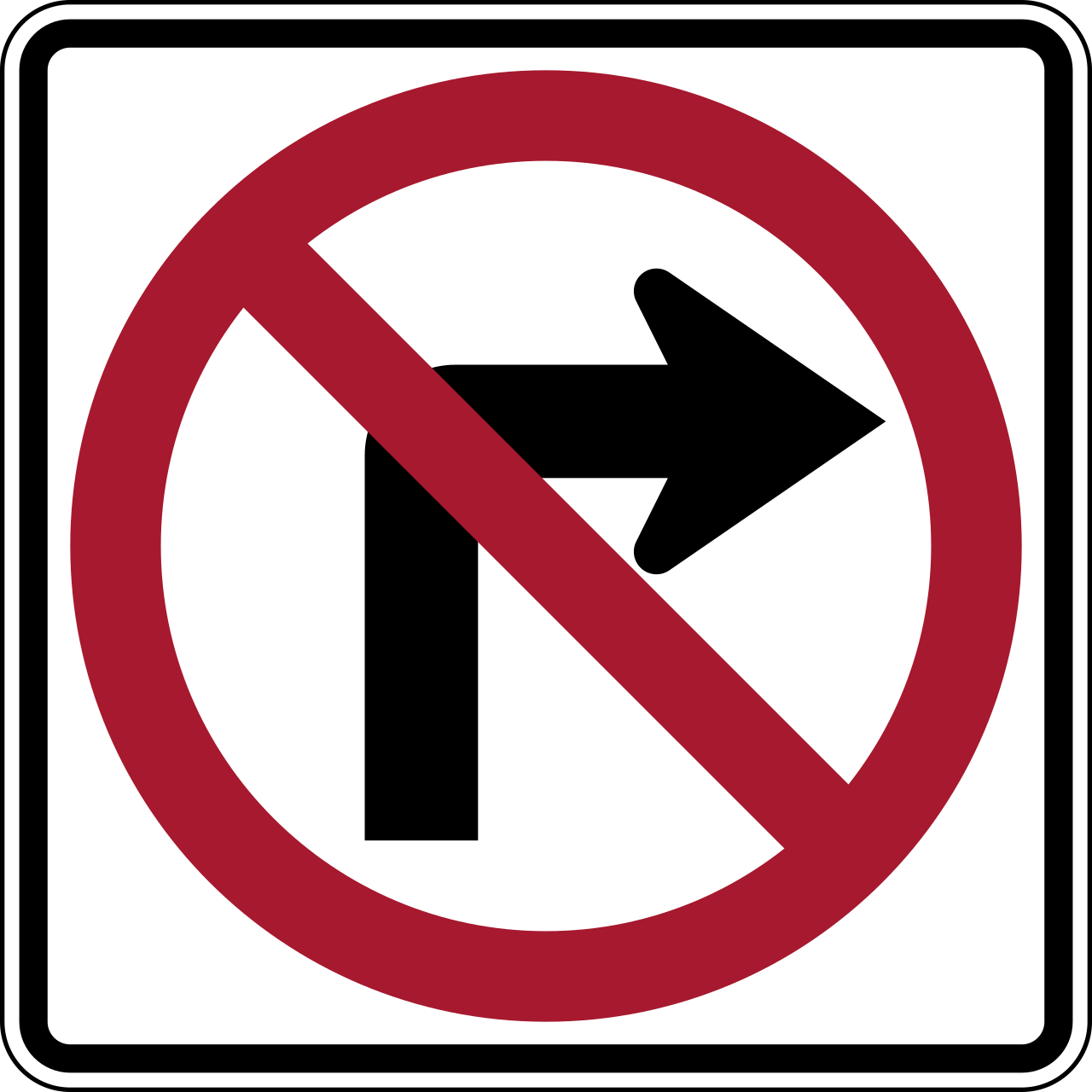 This sign tells drivers that:
A
they must make a left turn at the intersection.
B
U-turns are not allowed.
C
they must not make a right turn.
D
None of the above.
This traffic sign indicates: they must not make a right turn. Observing and obeying all roadway signs ensures safe traffic flow and legal driving.
Question 33:
 This regulatory road sign indicates that:
A
Vehicles must slow down and stay in the right lane.
B
The right hand lane is reserved for buses and car-pool vehicles.
C
Slower vehicles traveling on multiple lane highways must stay in the right hand lane.
This traffic sign indicates: Slower vehicles traveling on multiple lane highways must stay in the right hand lane. Observing and obeying all roadway signs ensures safe traffic flow and legal driving.
Question 34:
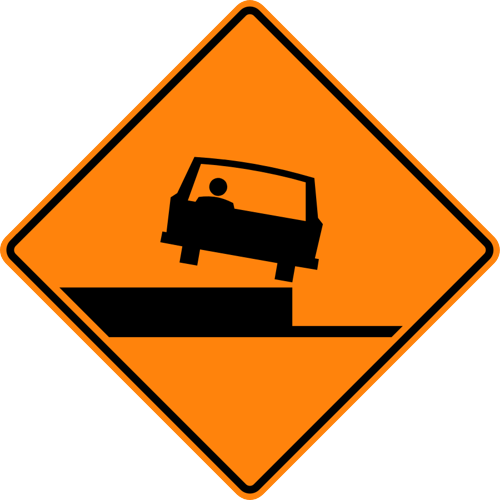 This road sign means:
A
Low shoulder
B
Stop ahead
C
Tow away zone
D
Buggy warning
This traffic sign indicates: Low shoulder. Observing and obeying all roadway signs ensures safe traffic flow and legal driving.
Question 35:
If you drink alcohol socially, what helps insure safe driving?
A
Stop drinking one hour before driving.
B
Drink coffee before driving.
C
Take a cold shower before driving.
D
Ride home with a friend who has not been drinking.
Under state DUI and traffic safety laws: Ride home with a friend who has not been drinking. Alcohol degrades judgment, slows reaction times, and distorts depth perception.
Question 36:
You want to turn left at an intersection ahead. A car reaches the intersection from the opposite direction and moves straight ahead. You:
A
can turn left. You have the right of way.
B
must wait for the car to go through before you turn.
C
may not enter the intersection to prepare for your left turn if the light is green.
According to standard right-of-way regulations: must wait for the car to go through before you turn. Yielding appropriately prevents intersection collisions and maintains safe traffic flow.
Question 37:
Road signs that point out scenic areas and parks are:
A
brown and white.
B
black and orange.
C
green and white.
The correct driving rule is: brown and white. Following standard DMV road rules and practicing defensive driving ensures safety for all road users.
Question 38:
To avoid the risk of being involved in an alcohol-related crash, you should:
A
decide before you start drinking that you are not going to drive.
B
say 'No, thanks' if someone offers you alcohol.
C
call a taxi if you've been drinking.
D
All of the above.
Alcohol and impairing substances degrade all critical driving functions: decide before you start drinking that you are not going to drive; say 'No, thanks' if someone offers you alcohol; call a taxi if you've been drinking. Driving while impaired carries severe criminal and safety penalties.
Question 39:
 This sign means:
A
Reversible lane ahead.
B
The divided highway ends ahead.
C
Drivers are coming to a point where another traffic lane joins the one they are on.
This traffic sign indicates: The divided highway ends ahead. Observing and obeying all roadway signs ensures safe traffic flow and legal driving.
Question 40:
If you see a pedestrian using a guide dog or carrying a white cane:
A
the pedestrian must yield the right-of-way.
B
you must yield the right-of-way to them.
C
sound your horn to warn them.
Drivers must always yield the right-of-way to pedestrians crossing at intersections and crosswalks: you must yield the right-of-way to them. Stop and allow them to clear the lane safely.