DriveQuiz drivequiz.com

IA DMV PERMİT PRACTİCE TEST 9

Iowa
Duration: 32 min
|
Questions: 35
Student Name:
Date:
Correct:      Incorrect:      Score:      
1.
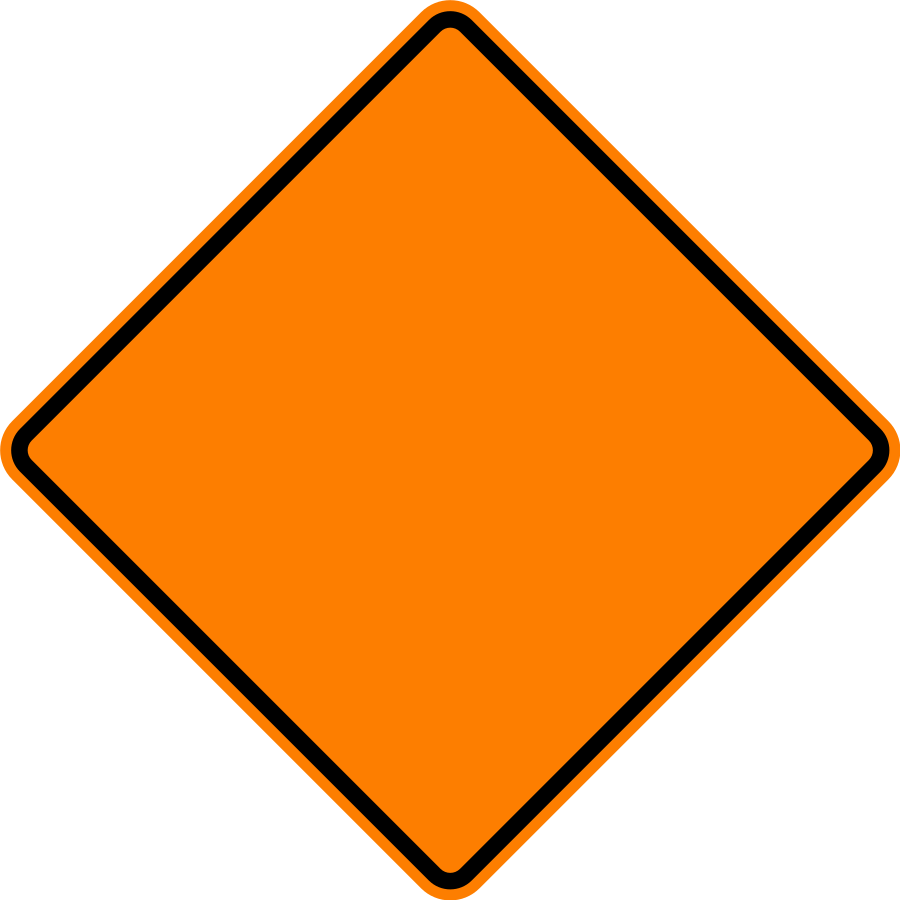
Slower-moving vehicles must stay in the right-hand lane to allow faster traffic to pass safely on multi-lane highways.
This road sign is:
A) a speed reduction sign.
B) a warning sign.
C) a regulatory sign.
2.
A side road enters the highway from the right or left. Watch for traffic turning onto or crossing your lane.
This road sign means:
A) All traffic must turn right
B) Two one-way roads merge ahead
C) A side road enters ahead
D) No right turn
3.
Never make a U-turn from:
A) the lane you’re in.
B) the right lane.
C) the left part of the lane nearest to the centerline of the roadway.
4.
If you stop along the road at night:
A) turn on your emergency flashers and leave your low beams on.
B) turn off your emergency lights and leave your high beams on.
C) turn on your headlights only.
D) turn off all your lights.
5.
Yellow diamond-shaped signs always convey warnings about road hazards, changes in conditions, or upcoming requirements.
This road sign means:
A) Road construction ahead
B) Stop ahead
C) Do not enter
6.
You should never depend on your mirrors when you prepare to change lanes. Why?
A) You should look over your shoulder instead.
B) Mirrors are useless.
C) Mirrors need to be adjusted.
D) Mirrors leave 'blind spots' behind both sides of vehicles.
7.
What does it mean If an oncoming driver flashes headlights at you during a period of low visibility?
A) Your headlights are too bright. You should turn them off.
B) Your vehicle was difficult to see. You should turn on your headlights.
C) Your headlights are too bright. You should use parking lights instead.
8.
Prohibits drivers from making a 180-degree turn to travel in the opposite direction at this intersection or stretch of road.
This road sign means:
A) No left turn
B) No U-turn
C) Detour ahead
9.
Regulation signs normally are:
A) white triangles.
B) green rectangles.
C) white rectangles.
10.
A signalized intersection is ahead. Prepare to stop if the light turns yellow or red.
This sign means:
A) You must yield the right-of-way ahead
B) Traffic signals ahead
C) You must stop ahead
D) Speeding is not allowed
11.
Paved road surface ends and transitions to gravel, dirt, or unpaved roadway. Reduce speed and prepare for reduced traction.
This road sign warns drivers that:
A) the road surface ahead changes to a low-type surface or earth road.
B) vehicles must leave the pavement immediately.
C) the dirt on the side of the road is soft.
12.
When changing lanes, drivers should never:
A) check to see if other drivers are moving into the same lane.
B) change lanes abruptly.
C) glance over their shoulder to check for blind spots.
13.
Collisions can happen more often when:
A) one lane of traffic is traveling faster than the others.
B) one vehicle is traveling faster than the flow of traffic.
C) all vehicles are traveling at the posted speed limit.
14.
When you make a left turn from a one-way road into a two-way road, you must:
A) enter the two-way road to the left of its center line.
B) make a U-turn into the two-way road.
C) enter the two-way road to the right of its center line.
15.
From top to bottom, traffic lights are:
A) green, red and yellow.
B) green, yellow and red.
C) red, yellow and green.
16.
The road curves gradually to the right ahead. Reduce speed before entering the curve.
This sign is used to warn drivers about:
A) road construction.
B) changes in traffic lanes.
C) curves ahead.
D) drowsy driving.
17.
The amount of space you need to cross traffic depends on the:
A) road and weather conditions and oncoming traffic.
B) number of cars behind you.
C) presence of a yield sign.
D) number of cars in front of you.
18.
A driver should be extra alert for motorcyclists, bicycles and pedestrians. Why?
A) They obey specific traffic laws.
B) They always have the right-of-way.
C) They are hard to see in traffic.
D) They don’t have rearview mirrors.
19.
If a tire suddenly blows out while you are driving, you should:
A) apply the brakes firmly.
B) slow down gradually and brake lightly.
C) pump the brakes rapidly.
20.
While inside the roundabout, you should:
A) remain in your lane until you are ready to exit.
B) change lanes before you check for vehicles behind you.
C) use your left turn signal if you are in position to exit now.
21.
Warns drivers that two separate lanes moving in the same direction are merging into one. Drivers in the right lane must adjust speed and merge smoothly with existing traffic.
This yellow sign means:
A) Lane ends ahead
B) Undivided highway ahead
C) Merging traffic ahead
22.
Driver distractions include:
A) Avoiding unnecessary lane changes.
B) Slowing down to look at crash scene.
C) turning your headlights on when rain and fog make it hard to see.
23.
If a traffic officer signals you to drive through a red light:
A) you must do it.
B) you must wait for the red light to turn green.
C) you must not obey the officer. Signs and signals take precedence over directions given by traffic officers.
24.
A steep downhill grade is ahead. Trucks and heavy vehicles should downshift to a lower gear to prevent brake overheating.
This road sign means:
A) No right turn
B) No left turn
C) Narrow Bridge
D) Steep downgrade
25.
If your car becomes disabled on a highway, you should:
A) stop in the right lane.
B) park with all four wheels off the highway, if possible.
C) stop where you are.
26.
If you are pulled over by law enforcement, you should:
A) stay in the driver’s seat with both hands clearly in sight on the steering wheel.
B) unbuckle your seat belt and lower your window.
C) get out of your vehicle and walk toward the patrol car.
D) turn off on your interior light if stopped at night.
27.
Doing all you can to prevent crashes is called:
A) Anti-Collision Driving
B) Crash-Prevention Driving
C) Defensive Driving
D) ABS Driving
28.
A steady green light at intersections means:
A) You may drive through the intersection if the road is clear
B) You must increase your speed
C) You may not turn right
29.
When changing lanes, you should:
A) check your mirrors, signal and change lanes.
B) signal, change lanes and check your mirrors.
C) signal, check your mirrors and blind spot in the direction you plan to move, then change lanes.
D) signal and change lanes.
30.
Drivers should check their rearview mirrors:
A) often to see how traffic is moving behind them.
B) only when slowing down.
C) to see if a truck is in their blind spot.
31.
To drive defensively you should:
A) always put one car length between you and the car ahead.
B) keep your eyes moving to look for possible hazards.
C) look only at the car in front of you while driving.
32.
How can you prevent fatigue on a long trip?
A) Plan to drive long trips with a companion.
B) Get enough sleep.
C) All of the above.
33.
Come to a complete stop before the stop line, crosswalk, or intersection. Look left, right, and left again, and proceed only when it is safe and right-of-way is clear.
This road sign means:
A) Yield the right-of-way to oncoming vehicles
B) Stop if necessary
C) You must make a complete stop
D) Slow down or stop
34.
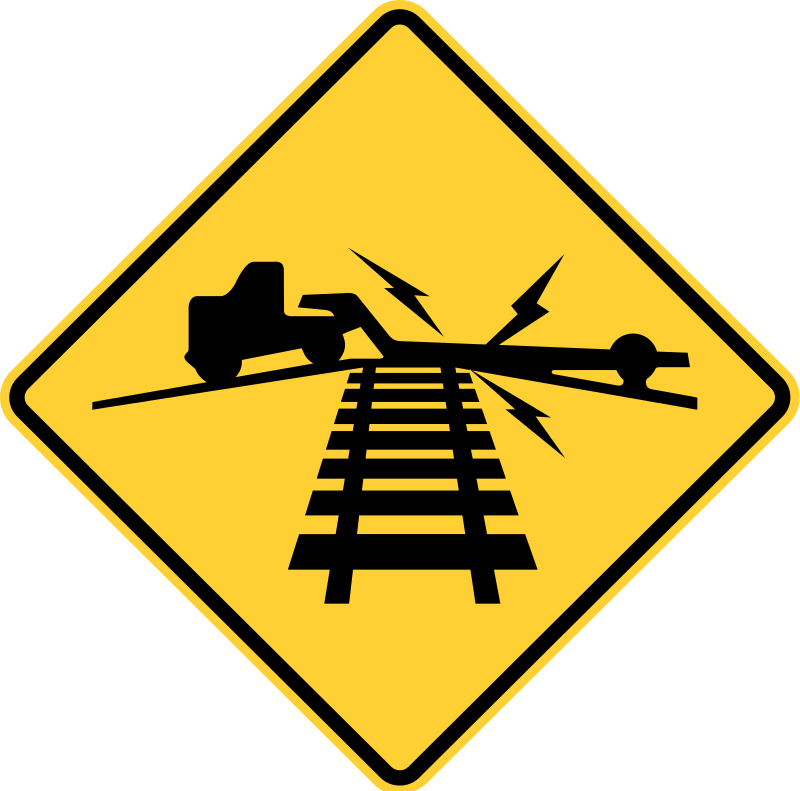
Warns of a high-centered or steep railroad hump crossing where long-wheelbase or low-slung vehicles may become stuck on the tracks.
This road sign means:
A) Winding road ahead
B) Pedestrian crossing
C) Low ground railroad crossing
D) No-passing zone
35.
There are two traffic lanes in your direction. You are driving in the left lane and many vehicles are passing you on the right, and the driver behind you wishes to drive faster. You should:
A) stay in your lane and maintain your current speed.
B) drive onto the left shoulder to let the other driver pass.
C) move over into the right lane when safe to do so.
ANSWER KEY Check answers after completing the test.
1 C
2 C
3 B
4 A
5 A
6 D
7 B
8 B
9 C
10 B
11 A
12 B
13 B
14 C
15 C
16 C
17 A
18 C
19 B
20 A
21 C
22 B
23 A
24 D
25 B
26 A
27 C
28 A
29 C
30 A
31 B
32 C
33 C
34 C
35 C