Question 1:
When driving in fog, drivers should use:
A
low beam headlights.
B
parking lights.
C
high beam headlights.
Always use low-beam headlights in fog, heavy rain, or snow. High beams reflect off moisture droplets and bounce glare back into your eyes.
Question 2:
If you continually pass the other vehicles on a road with one lane in each direction, you will:
A
help prevent the chances of a crash occurring due to traffic congestion.
B
get to your destination much faster.
C
increase your chances of being involved in an accident.
The correct driving rule is: increase your chances of being involved in an accident. Following standard DMV road rules and practicing defensive driving ensures safety for all road users.
Question 3:
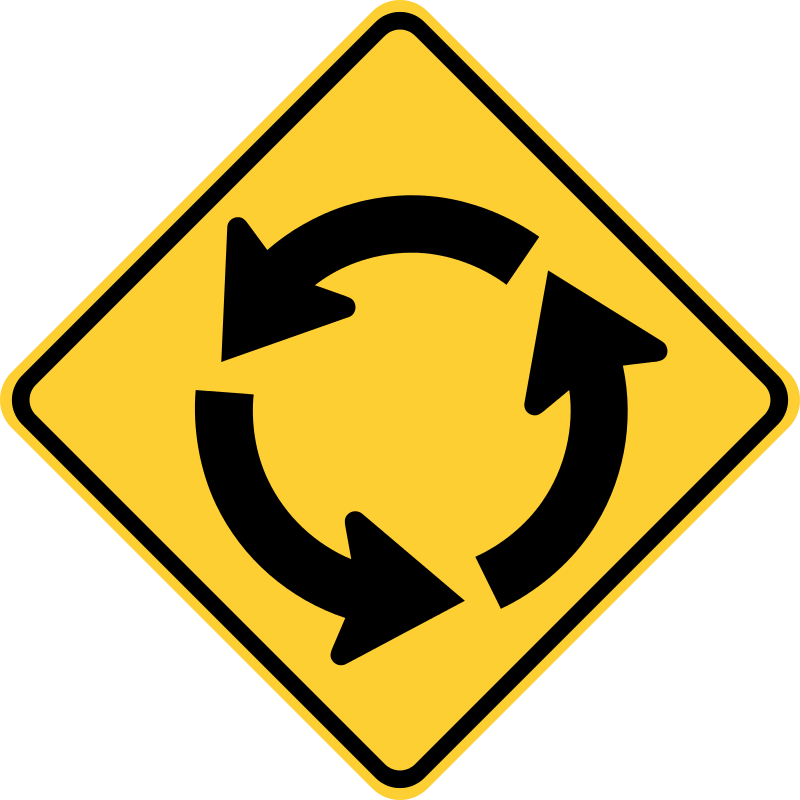 This road sign:
A
warns drivers of a sharp turn left. Drivers should slow their speed and keep to the left.
B
provides an advance notice of a roundabout.
C
warns drivers that U-turns are not permitted.
D
is a no-right-turns sign.
This traffic sign indicates: provides an advance notice of a roundabout. Observing and obeying all roadway signs ensures safe traffic flow and legal driving.
Question 4:
When approaching a highway-rail intersection, the first sign drivers see is usually:
A
an RXR round sign on a yellow background.
B
a stop sign.
C
a yield sign.
According to standard right-of-way regulations: an RXR round sign on a yellow background. Yielding appropriately prevents intersection collisions and maintains safe traffic flow.
Question 5:
Regulatory signs are:
A
Suggestions
B
Warnings
C
Law
The correct driving rule is: Law. Following standard DMV road rules and practicing defensive driving ensures safety for all road users.
Question 6:
A large vehicle is backing up to unload goods. You should:
A
enter one of the blind spots and wait.
B
try to pass close behind.
C
be patient and wait until the large vehicle has completed its backup maneuver.
The correct driving rule is: be patient and wait until the large vehicle has completed its backup maneuver. Following standard DMV road rules and practicing defensive driving ensures safety for all road users.
Question 7:
What should you do as you prepare to turn right at an intersection?
A
Honk your horn.
B
Yield to bicyclists coming from the opposite direction.
C
Signal your turn, check for bicyclists, and do not turn directly in front of a bicyclist.
According to standard right-of-way regulations: signal your turn, check for bicyclists, and do not turn directly in front of a bicyclist. Yielding appropriately prevents intersection collisions and maintains safe traffic flow.
Question 8:
Braking distance is affected by:
A
the condition of your brakes and tires.
B
pavement conditions.
C
the speed your vehicle is traveling.
D
All of the above.
Hazardous road and weather conditions require extra caution: the condition of your brakes and tires; pavement conditions; the speed your vehicle is traveling. Reducing speed and expanding following distance preserves control.
Question 9:
At intersections marked with stop lines, drivers must:
A
come to a complete stop.
B
slow down and enter the intersection.
C
signal other vehicles to stop.
The correct driving rule is: come to a complete stop. Following standard DMV road rules and practicing defensive driving ensures safety for all road users.
Question 10:
___________ normally are white rectangles with black letters or symbols.
A
Warning signs
B
Destination signs (guide signs)
C
Regulation signs (regulatory signs)
The correct driving rule is: Regulation signs (regulatory signs). Following standard DMV road rules and practicing defensive driving ensures safety for all road users.
Question 11:
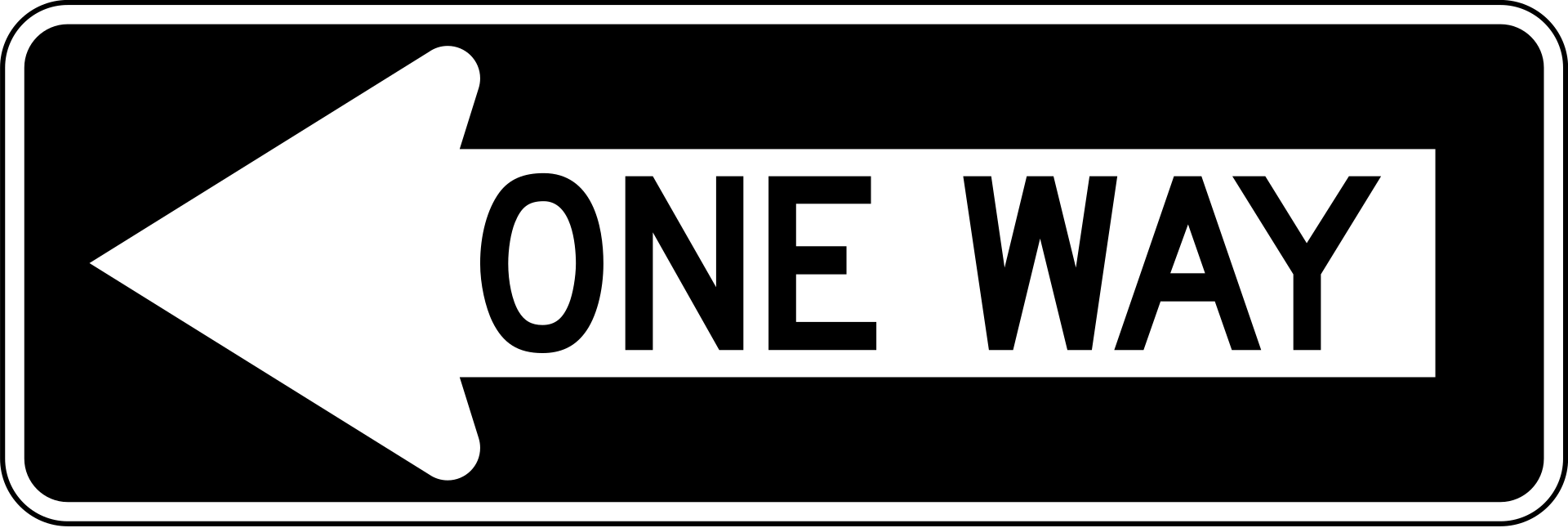 This road sign means:
A
Two way Traffic
B
Traffic must move only in the direction of the arrow
C
Minimum Speed
This traffic sign indicates: traffic must move only in the direction of the arrow. Observing and obeying all roadway signs ensures safe traffic flow and legal driving.
Question 12:
Service signs are ____ with ____ letters and symbols.
A
blue; white
B
white; black
C
green; white
The correct driving rule is: blue; white. Following standard DMV road rules and practicing defensive driving ensures safety for all road users.
Question 13:
To avoid traction loss from hydroplaning, drivers should:
A
keep a constant speed.
B
apply the brakes as soon as the car starts to skid.
C
slow down.
The correct driving rule is: slow down. Following standard DMV road rules and practicing defensive driving ensures safety for all road users.
Question 14:
What is the only effective method to reduce your BAC?
A
Eating before or while you drink.
B
Not drinking over a period of time.
C
Drinking coffee.
Under state DUI and traffic safety laws: Not drinking over a period of time. Alcohol degrades judgment, slows reaction times, and distorts depth perception.
Question 15:
If one of your tires blows out while driving, you should:
A
apply the brakes firmly and steer toward the right edge of the road.
B
pump the brakes.
C
hold the steering wheel firmly, slow down, and steer smoothly.
The correct driving rule is: hold the steering wheel firmly, slow down, and steer smoothly. Following standard DMV road rules and practicing defensive driving ensures safety for all road users.
Question 16:
 This sign means:
A
narrow road ahead.
B
no turns are allowed on this road.
C
series of curves ahead.
D
the road may be slippery when wet.
This traffic sign indicates: series of curves ahead. Observing and obeying all roadway signs ensures safe traffic flow and legal driving.
Question 17:
If the vehicle you are driving starts to skid, you should:
A
brake lightly.
B
turn off the ignition.
C
stay off the brakes.
The correct driving rule is: stay off the brakes. Following standard DMV road rules and practicing defensive driving ensures safety for all road users.
Question 18:
Drivers may need more space in front of their vehicle:
A
when following motorcycles.
B
when carrying a heavy load or pulling a trailer.
C
All of the above.
All of the listed points are essential driving requirements: when following motorcycles; when carrying a heavy load or pulling a trailer. Practicing each ensures compliance with DMV safety laws.
Question 19:
When drivers see the ‘Wrong Way’ sign:
A
they are going the wrong way on an expressway exit ramp.
B
they must drive past this sign and reach the next intersection.
C
they must not leave the pavement except in an emergency.
The correct driving rule is: they are going the wrong way on an expressway exit ramp. Following standard DMV road rules and practicing defensive driving ensures safety for all road users.
Question 20:
To keep your vehicle from rolling into traffic when parked on a hill, if you are facing uphill you should:
A
turn the front wheels away from the curb or edge of the road.
B
turn the back wheels towards the curb or edge of the road.
C
set the parking brake and keep the front wheels straight.
D
turn the front wheels towards the curb or edge of the road.
Under standard parking and curb regulations: turn the front wheels away from the curb or edge of the road. Following parking distance clearances keeps roadways unobstructed and emergency lanes accessible.
Question 21:
 This sign, displayed on the rear of a vehicle, indicates that:
A
the vehicle is traveling 25 MPH or less.
B
the vehicle makes sudden stops.
C
the vehicle is being drawn by an animal.
This traffic sign indicates: the vehicle is traveling 25 MPH or less. Observing and obeying all roadway signs ensures safe traffic flow and legal driving.
Question 22:
On average, how long does it take your body to remove the alcohol contained in 5 ounces of wine?
A
one hour.
B
30 minutes.
C
3 hours.
Under state DUI and traffic safety laws: one hour. Alcohol degrades judgment, slows reaction times, and distorts depth perception.
Question 23:
In speed zones of 45 MPH or less, you must signal your turn continuously during the last ______feet before turning.
A
100 feet
B
250 feet
C
20 feet
D
50 feet
For safe speed and stopping control: 100 feet. Adjusting speed to match visibility and road traction prevents loss of steering grip.
Question 24:
If you drink alcohol socially, what helps insure safe driving?
A
Stop drinking one hour before driving.
B
Drink coffee before driving.
C
Take a cold shower before driving.
D
Ride home with a friend who has not been drinking.
Under state DUI and traffic safety laws: Ride home with a friend who has not been drinking. Alcohol degrades judgment, slows reaction times, and distorts depth perception.
Question 25:
According to the Iowa Implied Consent Law for both resident and non-resident drivers:
A
an arrested driver may be asked to submit to a chemical test to determine the alcohol content in their blood.
B
refusal to submit to chemical testing will result in the driving privileges being withdrawn.
C
All of the above.
Alcohol and impairing substances degrade all critical driving functions: an arrested driver may be asked to submit to a chemical test to determine the alcohol content in their blood; refusal to submit to chemical testing will result in the driving privileges being withdrawn. Driving while impaired carries severe criminal and safety penalties.
Question 26:
If you are blinded by headlights on an approaching vehicle, you should:
A
avoid looking directly at the bright lights.
B
glance toward the side of the road, then look quickly ahead to determine the other vehicle’s position.
C
All of the above.
All of the listed points are essential driving requirements: avoid looking directly at the bright lights; glance toward the side of the road, then look quickly ahead to determine the other vehicle’s position. Practicing each ensures compliance with DMV safety laws.
Question 27:
This road sign means:
A
Winding Road Ahead
B
No turns are allowed on this road
C
Right lane closed
D
Do Not Enter
This traffic sign indicates: Winding Road Ahead. Observing and obeying all roadway signs ensures safe traffic flow and legal driving.
Question 28:
The first sign drivers see when approaching a highway-rail intersection is usually:
A
a crossbuck sign.
B
an advance warning sign.
C
a speed limit sign.
According to standard right-of-way regulations: an advance warning sign. Yielding appropriately prevents intersection collisions and maintains safe traffic flow.
Question 29:
 This road sign means:
A
There is a series of sharp turns up ahead on the road
B
Sharp right turn ahead.
C
A road joins from the right
This traffic sign indicates: There is a series of sharp turns up ahead on the road. Observing and obeying all roadway signs ensures safe traffic flow and legal driving.
Question 30:
When you approach a railroad crossing without flashing warning signals or crossing gates, you should:
A
always stop.
B
cross the tracks as slowly as possible.
C
yield to all trains at the crossing.
D
speed up to beat the train.
The correct driving rule is: yield to all trains at the crossing. Following standard DMV road rules and practicing defensive driving ensures safety for all road users.
Question 31:
You ________ traffic headed toward you when you turn left.
A
must not yield to
B
must interrupt
C
must yield to
According to standard right-of-way regulations: must yield to. Yielding appropriately prevents intersection collisions and maintains safe traffic flow.
Question 32:
Who is most at risk?
A
Drivers who have overslept.
B
Drivers who are driving long distances without rest breaks.
C
Experienced drivers.
The correct driving rule is: drivers who are driving long distances without rest breaks. Following standard DMV road rules and practicing defensive driving ensures safety for all road users.
Question 33:
When passing a motorcycle you must:
A
give the motorcyclist the right hand part of his traffic lane.
B
give the motorcyclist the entire traffic lane as if the motorcycle was a car.
C
sound your horn to alert the motorcyclist.
Motorcycles can stop rapidly and are easily hidden in vehicle blind spots: give the motorcyclist the entire traffic lane as if the motorcycle was a car. Always allow an increased following distance of at least 3 to 4 seconds.
Question 34:
 This sign means:
A
The road will curve to the right.
B
Left turns are not allowed at the intersection.
C
Do not turn right.
This traffic sign indicates: The road will curve to the right. Observing and obeying all roadway signs ensures safe traffic flow and legal driving.
Question 35:
When approaching a construction site, drivers should:
A
accelerate to get out of the way quickly.
B
slow down and adjust their driving manner.
C
honk their horn to alert construction workers of their presence.
The correct driving rule is: slow down and adjust their driving manner. Following standard DMV road rules and practicing defensive driving ensures safety for all road users.