Question 1:
Drivers should be aware that a motorcyclist may:
A
decrease speed and rise off the seat when approaching a railroad crossing.
B
quickly change speed or lane position.
C
All of the above.
All of the listed points are essential driving requirements: decrease speed and rise off the seat when approaching a railroad crossing; quickly change speed or lane position. Practicing each ensures compliance with DMV safety laws.
Question 2:
If your front wheels start to skid, the first thing you should do is:
A
Take your foot off the gas pedal and shift to neutral.
B
Immediately turn in the direction you want to go.
C
Speed up, pump your brakes and steer in the direction the vehicle is trying to go.
The correct driving rule is: take your foot off the gas pedal and shift to neutral. Following standard DMV road rules and practicing defensive driving ensures safety for all road users.
Question 3:
When you prepare to make a left turn from a one-way road into a two-way road, you must:
A
enter the two-way road to the left of its center line.
B
approach the turn in the right lane or from the right side of a single lane.
C
approach the turn in the left lane or from the left side of a single lane.
The correct driving rule is: approach the turn in the left lane or from the left side of a single lane. Following standard DMV road rules and practicing defensive driving ensures safety for all road users.
Question 4:
Regulatory signs are:
A
Suggestions
B
Warnings
C
Law
The correct driving rule is: Law. Following standard DMV road rules and practicing defensive driving ensures safety for all road users.
Question 5:
When you see an emergency vehicle with flashing lights behind you, you should:
A
slow down, provide a clear path for the emergency vehicle and stop.
B
keep moving slowly, staying to the right side of the road.
C
disregard the signal if there are other lanes available for the emergency vehicle.
D
immediately come to a complete stop.
When sharing the road with other vehicles: slow down, provide a clear path for the emergency vehicle and stop. Giving large vehicles and vulnerable users adequate clearance prevents dangerous accidents.
Question 6:
Gauging the speed of a motorcycle may be difficult because:
A
motorcycles take up less of your field of vision.
B
motorcycles often slow down by downshifting.
C
many motorcyclists do not activate the brake light.
For safe speed and stopping control: motorcycles take up less of your field of vision. Adjusting speed to match visibility and road traction prevents loss of steering grip.
Question 7:
When driving, it is important to keep a space cushion _______ of your vehicle.
A
only on the left and right side
B
only in back
C
on all sides
D
only in front
The correct driving rule is: on all sides. Following standard DMV road rules and practicing defensive driving ensures safety for all road users.
Question 8:
Drivers may cross solid yellow lines:
A
at any time.
B
only to pass traffic moving in the same direction.
C
when making turns.
D
during daylight hours only.
The correct driving rule is: when making turns. Following standard DMV road rules and practicing defensive driving ensures safety for all road users.
Question 9:
 What should drivers do when they see this road sign?
A
come to a complete stop and wait for a train to cross.
B
slow down, look for a train, and be prepared to stop.
C
look for a human flagger.
This traffic sign indicates: slow down, look for a train, and be prepared to stop. Observing and obeying all roadway signs ensures safe traffic flow and legal driving.
Question 10:
You notice a vehicle defect which may affect the safe operation of your vehicle. You should:
A
drive the vehicle slower.
B
correct the defect when you can afford it.
C
not carry passengers until the defect is corrected.
D
correct the defect as soon as possible.
The correct driving rule is: correct the defect as soon as possible. Following standard DMV road rules and practicing defensive driving ensures safety for all road users.
Question 11:
Which of the following must you obey over the others?
A
Red light
B
Stop sign
C
Police officer
The correct driving rule is: Police officer. Following standard DMV road rules and practicing defensive driving ensures safety for all road users.
Question 12:
Which of the following is a common cause of a traffic collisions?
A
Following too closely.
B
Excessive speed for conditions.
C
Distracted driving.
D
All of the above.
All of the listed points are essential driving requirements: Following too closely; Excessive speed for conditions; Distracted driving. Practicing each ensures compliance with DMV safety laws.
Question 13:
As long as you don’t leave the road, you may legally pass a vehicle on the right:
A
if you are on a two-lane, two-way road and the other vehicle is turning left.
B
when you are turning into a one-way street with no oncoming traffic.
C
Never.
D
Only during daylight hours.
The correct driving rule is: if you are on a two-lane, two-way road and the other vehicle is turning left. Following standard DMV road rules and practicing defensive driving ensures safety for all road users.
Question 14:
When driving in fog, drivers should use:
A
low beam headlights.
B
parking lights.
C
high beam headlights.
Always use low-beam headlights in fog, heavy rain, or snow. High beams reflect off moisture droplets and bounce glare back into your eyes.
Question 15:
 This sign means:
A
A road crosses the main highway ahead.
B
The divided highway on which drivers are traveling ends ahead.
C
Drivers are coming to a point where another traffic lane joins the one they are on.
This traffic sign indicates: drivers are coming to a point where another traffic lane joins the one they are on. Observing and obeying all roadway signs ensures safe traffic flow and legal driving.
Question 16:
When the highway you are driving on is divided by two solid yellow lines, you:
A
may cross the yellow lines only to make a U-turn.
B
may never cross the yellow lines.
C
may cross the yellow lines only if there is no on-coming traffic.
D
may cross the yellow lines only to make a left turn into a private road or a driveway.
Defensive driving guidelines state that: may never cross the yellow lines. Anticipating road hazards and communicating maneuvers keeps traffic predictable and safe.
Question 17:
Which shape is a yield sign?
A
Vertical rectangle
B
Upside-down triangle
C
Diamond
The correct driving rule is: Upside-down triangle. Following standard DMV road rules and practicing defensive driving ensures safety for all road users.
Question 18:
 What does this road sign indicate?
A
Hospital service
B
Area reserved for people with disabilities
C
Interstate highway
This traffic sign indicates: Hospital service. Observing and obeying all roadway signs ensures safe traffic flow and legal driving.
Question 19:
If a driver follows you too closely, you should:
A
move to another lane if possible.
B
activate your stop lights.
C
brake suddenly.
The correct driving rule is: move to another lane if possible. Following standard DMV road rules and practicing defensive driving ensures safety for all road users.
Question 20:
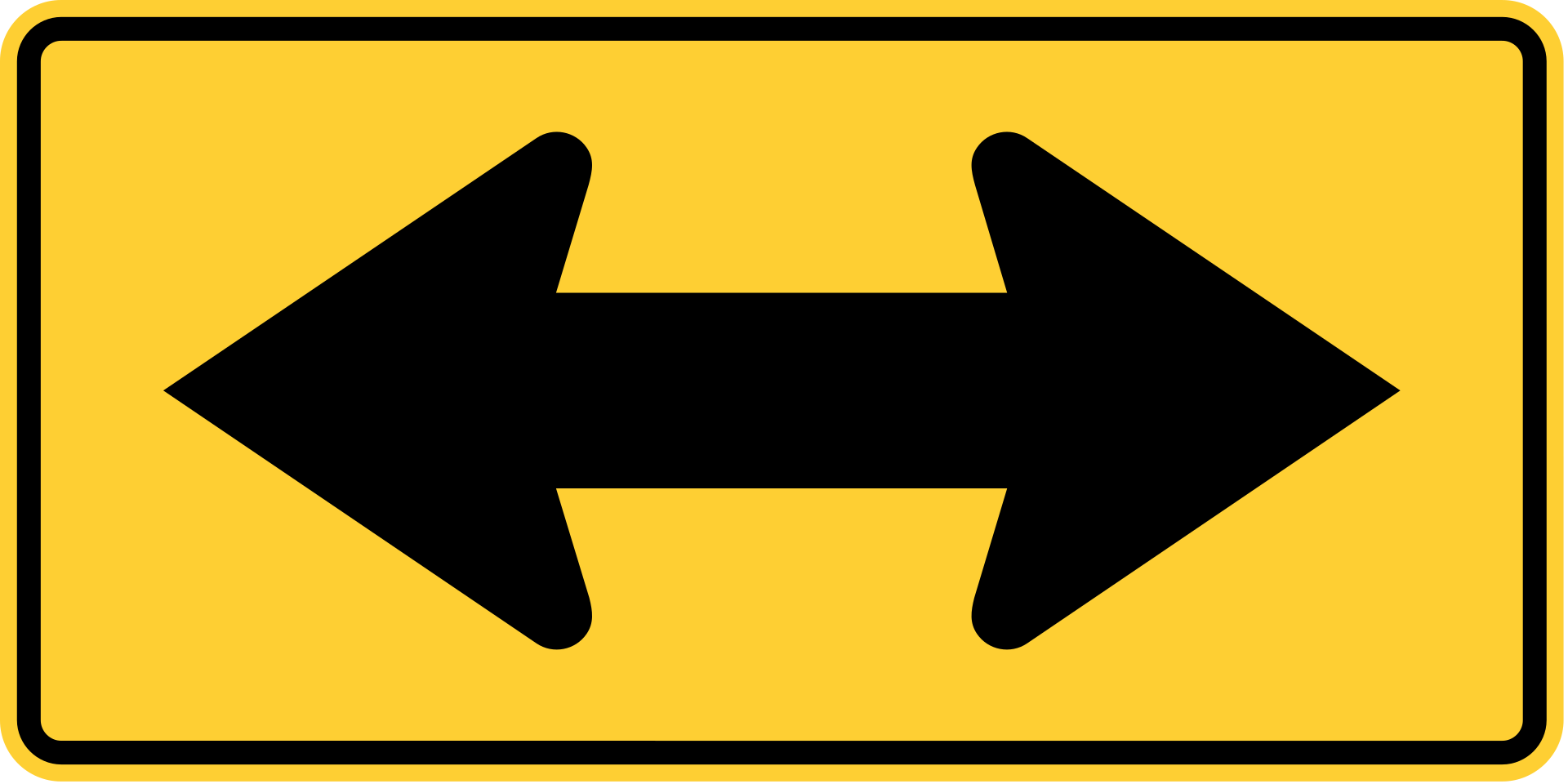 This road sign tells drivers that:
A
they must change lane immediately.
B
they must turn either to the right or left.
C
the one-way street or roadway ahead ends.
D
None of the above.
This traffic sign indicates: they must turn either to the right or left. Observing and obeying all roadway signs ensures safe traffic flow and legal driving.
Question 21:
 This road sign means:
A
Slow down or stop
B
Stop
C
Road narrows ahead
This traffic sign indicates: stop. Observing and obeying all roadway signs ensures safe traffic flow and legal driving.
Question 22:
Lanes of traffic moving in the same direction are divided by ____ lines.
A
orange
B
yellow
C
black
D
white
The correct driving rule is: white. Following standard DMV road rules and practicing defensive driving ensures safety for all road users.
Question 23:
What should you do in case of a brake failure?
A
Pull off the road into an open space, if available.
B
Apply the parking brake slowly.
C
All of the above.
All of the listed points are essential driving requirements: Pull off the road into an open space, if available; Apply the parking brake slowly. Practicing each ensures compliance with DMV safety laws.
Question 24:
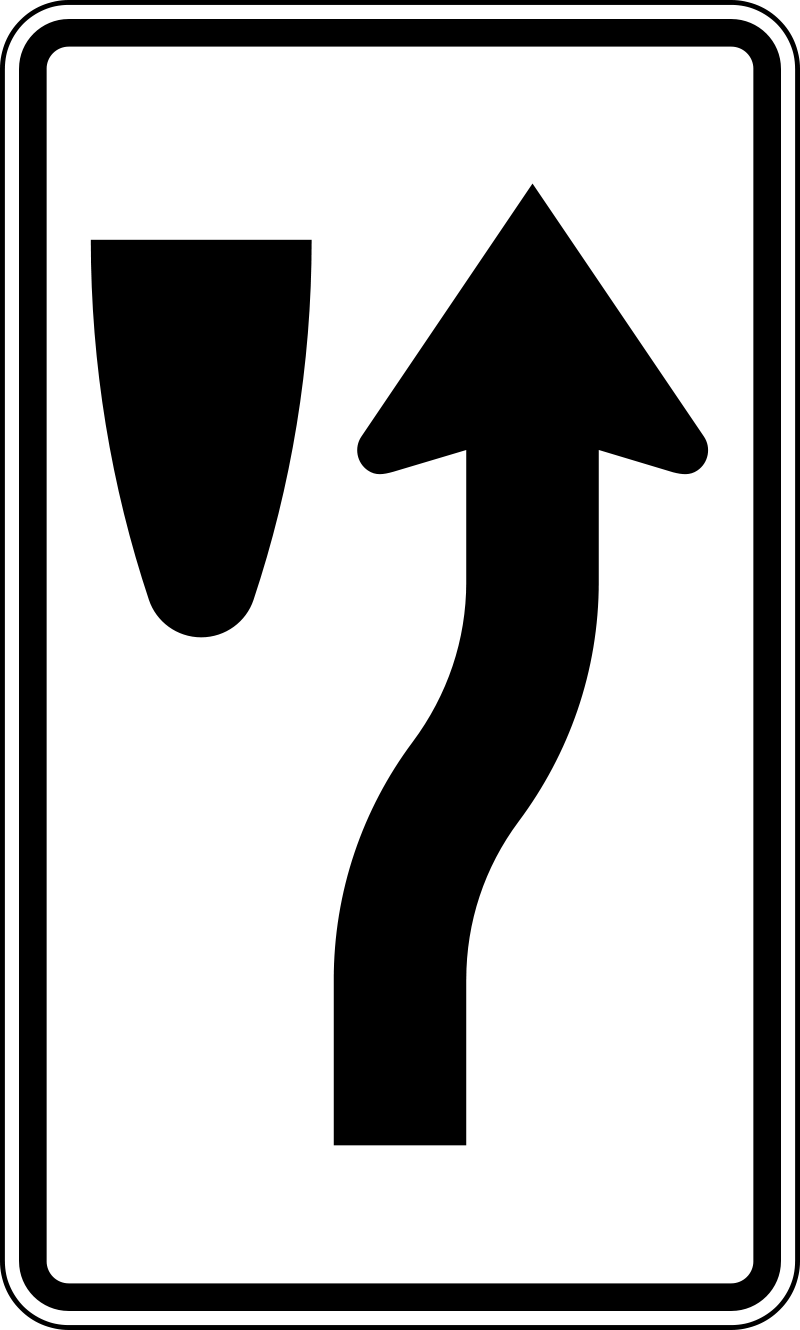 This road sign means:
A
Stop sign ahead
B
Keep to the side indicated by the arrow
C
Side road
D
Low shoulder
This traffic sign indicates: keep to the side indicated by the arrow. Observing and obeying all roadway signs ensures safe traffic flow and legal driving.
Question 25:
If you hear a thumping sound while driving, you should:
A
hook your shoe under the gas pedal and see if you can free it.
B
get off the road and check your tires.
C
try your emergency lights.
The correct driving rule is: get off the road and check your tires. Following standard DMV road rules and practicing defensive driving ensures safety for all road users.
Question 26:
Alcohol causes:
A
poor judgment.
B
loss of concentration.
C
reduced perception.
D
All of the above.
Alcohol and impairing substances degrade all critical driving functions: poor judgment; loss of concentration; reduced perception. Driving while impaired carries severe criminal and safety penalties.
Question 27:
When approaching a highway-rail intersection, the first sign drivers see is usually:
A
an RXR round sign on a yellow background.
B
a stop sign.
C
a yield sign.
According to standard right-of-way regulations: an RXR round sign on a yellow background. Yielding appropriately prevents intersection collisions and maintains safe traffic flow.
Question 28:
When passing trucks, drivers of a small vehicle must be prepared for:
A
falling vehicle parts.
B
wind gusts from the truck.
C
large truck signs.
D
a loud noise.
Defensive driving guidelines state that: wind gusts from the truck. Anticipating road hazards and communicating maneuvers keeps traffic predictable and safe.
Question 29:
You are stopped behind other vehicles waiting at a stop sign. When the intersection is clear:
A
you may follow the vehicle ahead without stopping again.
B
you may proceed with caution through the intersection without stopping if there is no other traffic.
C
you must stop again at the stop sign.
D
you must proceed through the intersection without stopping again.
According to standard right-of-way regulations: you must stop again at the stop sign. Yielding appropriately prevents intersection collisions and maintains safe traffic flow.
Question 30:
When an approaching driver at night blinds you by failing to dim their high beams, you should look:
A
straight down the middle of the road.
B
towards the left side of the road.
C
None of the other answers is correct.
D
towards the right side of the road.
The correct driving rule is: towards the right side of the road. Following standard DMV road rules and practicing defensive driving ensures safety for all road users.