Question 1:
You wish to drive a heavy truck in Hawaii. You must:
A
have a valid driver’s license for the category of vehicle you wish to drive.
B
drive the truck only on truck routes.
C
be at least 21 years old.
D
have no special qualifications.
When sharing the road with other vehicles: have a valid driver’s license for the category of vehicle you wish to drive. Giving large vehicles and vulnerable users adequate clearance prevents dangerous accidents.
Question 2:
Taking drugs and alcohol together:
A
helps you get rid of the effects of alcohol in your body.
B
has no effect on your general driving ability.
C
increase the risk of causing a crash.
D
is no more dangerous than alcohol by itself.
Under state DUI and traffic safety laws: increase the risk of causing a crash. Alcohol degrades judgment, slows reaction times, and distorts depth perception.
Question 3:
Which shape is a warning sign?
A
Diamond
B
Triangle
C
Pennant
This traffic sign indicates: Diamond. Observing and obeying all roadway signs ensures safe traffic flow and legal driving.
Question 4:
Highway hypnosis is a driving condition that can result from:
A
heavy traffic.
B
staring at the roadway for long periods of time.
C
travelling on HOV lanes.
D
frequent rest stops.
Defensive driving guidelines state that: staring at the roadway for long periods of time. Anticipating road hazards and communicating maneuvers keeps traffic predictable and safe.
Question 5:
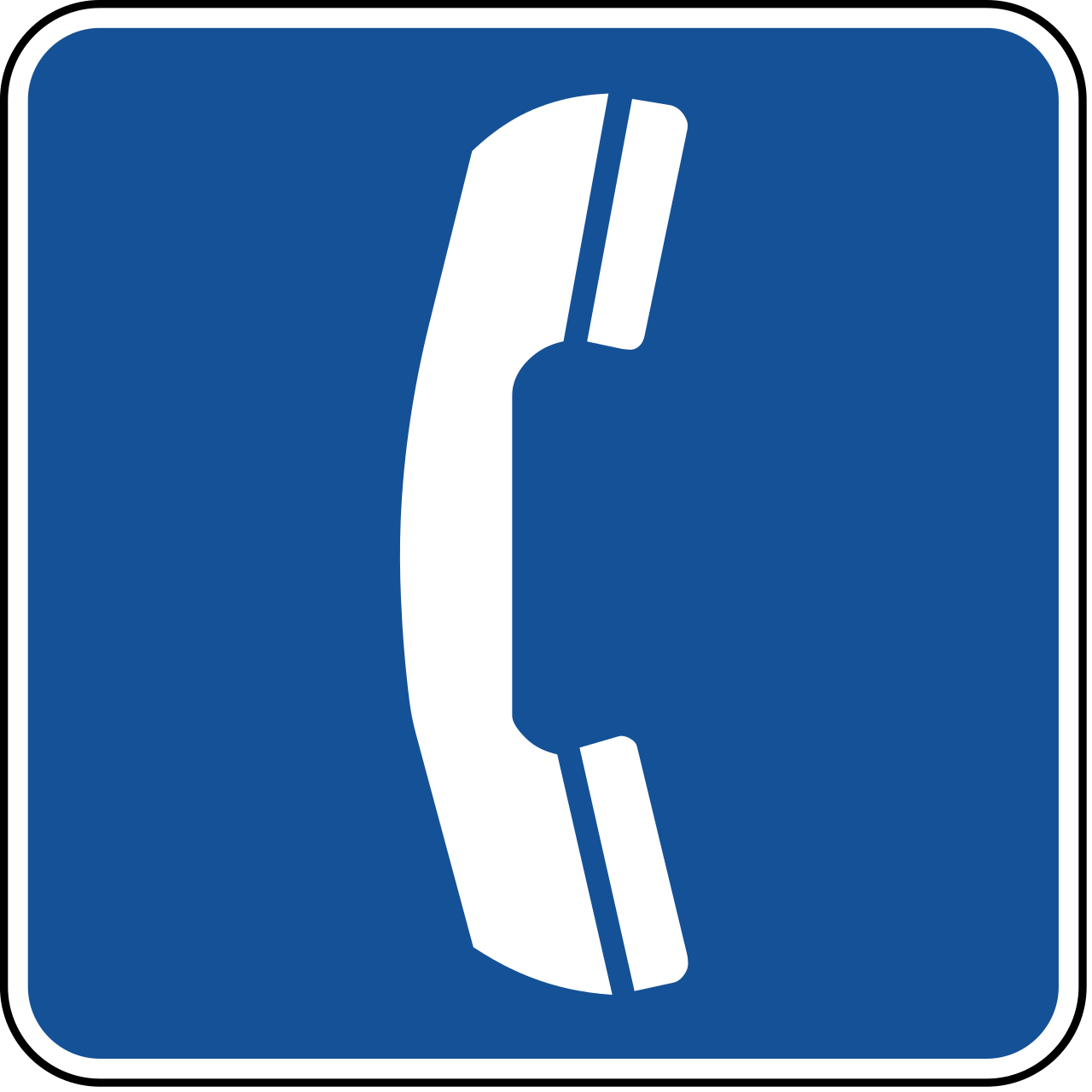 This sign indicates:
A
Phone service ahead
B
Emergency line available
C
Cell phone shop ahead
This traffic sign indicates: Phone service ahead. Observing and obeying all roadway signs ensures safe traffic flow and legal driving.
Question 6:
Which shape is a speed limit sign?
A
Round
B
Pentagon
C
Vertical rectangle
For safe speed and stopping control: Vertical rectangle. Adjusting speed to match visibility and road traction prevents loss of steering grip.
Question 7:
 This road sign means:
A
Keep left
B
Divided highway begins
C
Lane ends
This traffic sign indicates: Divided highway begins. Observing and obeying all roadway signs ensures safe traffic flow and legal driving.
Question 8:
When meeting a car with blinding headlights, you should:
A
look toward the right side of the road.
B
dim your lights, then speed up and pass quickly.
C
use your emergency flashers to warn the other driver.
D
look toward the left side of the road.
The correct driving rule is: look toward the right side of the road. Following standard DMV road rules and practicing defensive driving ensures safety for all road users.
Question 9:
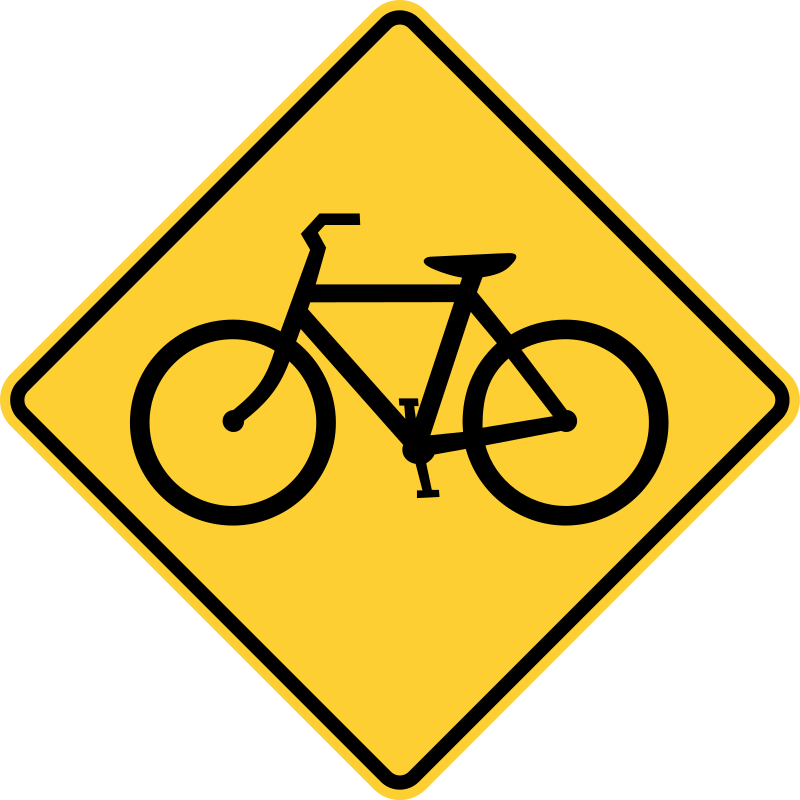 This road sign means:
A
Yield right-of-way to bicycles
B
Bicycles cross or ride beside traffic
C
Yield to motorcyles, but not to bicycles
D
Bicycles have the same rights as other vehicles
This traffic sign indicates: Bicycles cross or ride beside traffic. Observing and obeying all roadway signs ensures safe traffic flow and legal driving.
Question 10:
If your gas pedal is stuck, you should:
A
hook your shoe under the pedal and see if you can free it. If not, shift into neutral and use the brake to slow your vehicle and get off the road.
B
ease your foot off the gas pedal and brake gently.
C
turn off the ignition if your vehicle has power steering.
The correct driving rule is: hook your shoe under the pedal and see if you can free it. If not, shift into neutral and use the brake to slow your vehicle and get off the road. Following standard DMV road rules and practicing defensive driving ensures safety for all road users.
Question 11:
When you leave your vehicle unattended, you must:
A
lock the ignition and remove the ignition key.
B
set the parking brake.
C
turn off the engine.
D
All of the above.
All of the listed points are essential driving requirements: lock the ignition and remove the ignition key; set the parking brake; turn off the engine. Practicing each ensures compliance with DMV safety laws.
Question 12:
 What does this sign indicate?
A
The highway ahead is divided into two one-way roadways.
B
Winding road ahead. Drive with caution.
C
Drivers will soon be on a roadway with two-way traffic.
This traffic sign indicates: drivers will soon be on a roadway with two-way traffic. Observing and obeying all roadway signs ensures safe traffic flow and legal driving.
Question 13:
A steady yellow light means:
A
Be prepared to stop for the red light.
B
Drive with caution.
C
Be prepared to go. The light will soon be green.
According to standard right-of-way regulations: Be prepared to stop for the red light. Yielding appropriately prevents intersection collisions and maintains safe traffic flow.
Question 14:
The ‘Slower Traffic Keep Right’ sign is used:
A
at most intersections.
B
on multiple lane highways.
C
in school zones.
The correct driving rule is: on multiple lane highways. Following standard DMV road rules and practicing defensive driving ensures safety for all road users.
Question 15:
If the traffic lights are out of service when you approach an intersection, you:
A
must continue according to the rules of right-of-way.
B
must slow down and yield to oncoming traffic and pedestrians.
C
must come to a stop as you would for a stop sign.
D
must proceed with caution.
According to standard right-of-way regulations: must come to a stop as you would for a stop sign. Yielding appropriately prevents intersection collisions and maintains safe traffic flow.
Question 16:
 This road sign means:
A
Winding Road Ahead
B
Persons with Disabilities Parking
C
Merge
This traffic sign indicates: merge. Observing and obeying all roadway signs ensures safe traffic flow and legal driving.
Question 17:
You wish to exit the freeway. The speed shown on the exit speed sign is the speed at which you should:
A
never go slower than this speed on the exit ramp.
B
always go faster than this speed while on the exit ramp.
C
never go faster than this speed anywhere on the exit ramp.
D
slow to this speed while on the freeway exit ramp.
For safe speed and stopping control: never go faster than this speed anywhere on the exit ramp. Adjusting speed to match visibility and road traction prevents loss of steering grip.
Question 18:
Are bicyclists required to obey traffic laws and signs?
A
No, bicyclists are considered pedestrians when it comes to the rules of the road.
B
Yes.
C
Yes, but only if they are riding in a bicycle lane.
The correct driving rule is: Yes. Following standard DMV road rules and practicing defensive driving ensures safety for all road users.
Question 19:
Which of the following drugs could affect your ability to drive?
A
A cold remedy.
B
Marijuana.
C
All of the above.
Alcohol and impairing substances degrade all critical driving functions: A cold remedy; Marijuana. Driving while impaired carries severe criminal and safety penalties.
Question 20:
At intersections where two or more drivers stop at STOP signs at the same time and they are at right angles:
A
the driver on the left must yield to the driver on the right.
B
the driver who is late for work has the right-of-way.
C
the driver on the right must yield to the driver on the left.
The correct driving rule is: the driver on the left must yield to the driver on the right. Following standard DMV road rules and practicing defensive driving ensures safety for all road users.
Question 21:
When driving on wet roads, you should remember:
A
driving on wet roads can cause hydroplaning.
B
you should give yourself additional time to stop.
C
to stay farther behind the vehicle ahead of you.
D
All of the above.
All of the listed points are essential driving requirements: driving on wet roads can cause hydroplaning; you should give yourself additional time to stop; to stay farther behind the vehicle ahead of you. Practicing each ensures compliance with DMV safety laws.
Question 22:
A flashing yellow light means:
A
Merging traffic ahead
B
Pedestrian crossing
C
Come to a full stop
D
Proceed with caution
According to standard right-of-way regulations: proceed with caution. Yielding appropriately prevents intersection collisions and maintains safe traffic flow.
Question 23:
You must pull over to the edge of the road and allow an emergency vehicle to pass:
A
only if the emergency vehicle is following you.
B
regardless of your direction.
C
only if the emergency vehicle is approaching.
D
None of the above.
When sharing the road with other vehicles: regardless of your direction. Giving large vehicles and vulnerable users adequate clearance prevents dangerous accidents.
Question 24:
 This road sign means:
A
No left turn
B
No right turn
C
No U-turns
This traffic sign indicates: No right turn. Observing and obeying all roadway signs ensures safe traffic flow and legal driving.
Question 25:
A speed limit is the __________ speed at which a vehicle may legally travel on the road under ideal conditions.
A
maximum
B
minimum
C
suggested
D
None of the above.
For safe speed and stopping control: maximum. Adjusting speed to match visibility and road traction prevents loss of steering grip.
Question 26:
When you see an emergency vehicle with flashing lights, you must:
A
pull over to the side of the road and stop.
B
increase your speed to provide a clear path for the emergency vehicle.
C
slow down until it passes you.
D
drive with your flashers on.
When sharing the road with other vehicles: pull over to the side of the road and stop. Giving large vehicles and vulnerable users adequate clearance prevents dangerous accidents.
Question 27:
Drivers should allow a larger space cushion when stopping:
A
at a stop sign.
B
on an up-hill.
C
at an intersection.
D
at a yield sign.
The correct driving rule is: on an up-hill. Following standard DMV road rules and practicing defensive driving ensures safety for all road users.
Question 28:
When driving on slippery roads, drivers should:
A
increase their following distance.
B
avoid crossing bridges or intersections.
C
brake harder than usual.
D
change lanes quickly.
For safe speed and stopping control: increase their following distance. Adjusting speed to match visibility and road traction prevents loss of steering grip.
Question 29:
While driving, it is important to slow down:
A
when the road is wet.
B
on narrow roads.
C
at intersections.
D
All of the above.
All of the listed points are essential driving requirements: when the road is wet; on narrow roads; at intersections. Practicing each ensures compliance with DMV safety laws.
Question 30:
 What does the flashing signal in the picture indicate?
A
The same thing as a stop sign.
B
Pedestrians should finish crossing the street if started.
C
Pedestrians should start crossing the street.
State laws require signaling your intention: pedestrians should finish crossing the street if started. Signal at least 100 feet before making a turn or changing lanes.