Question 1:
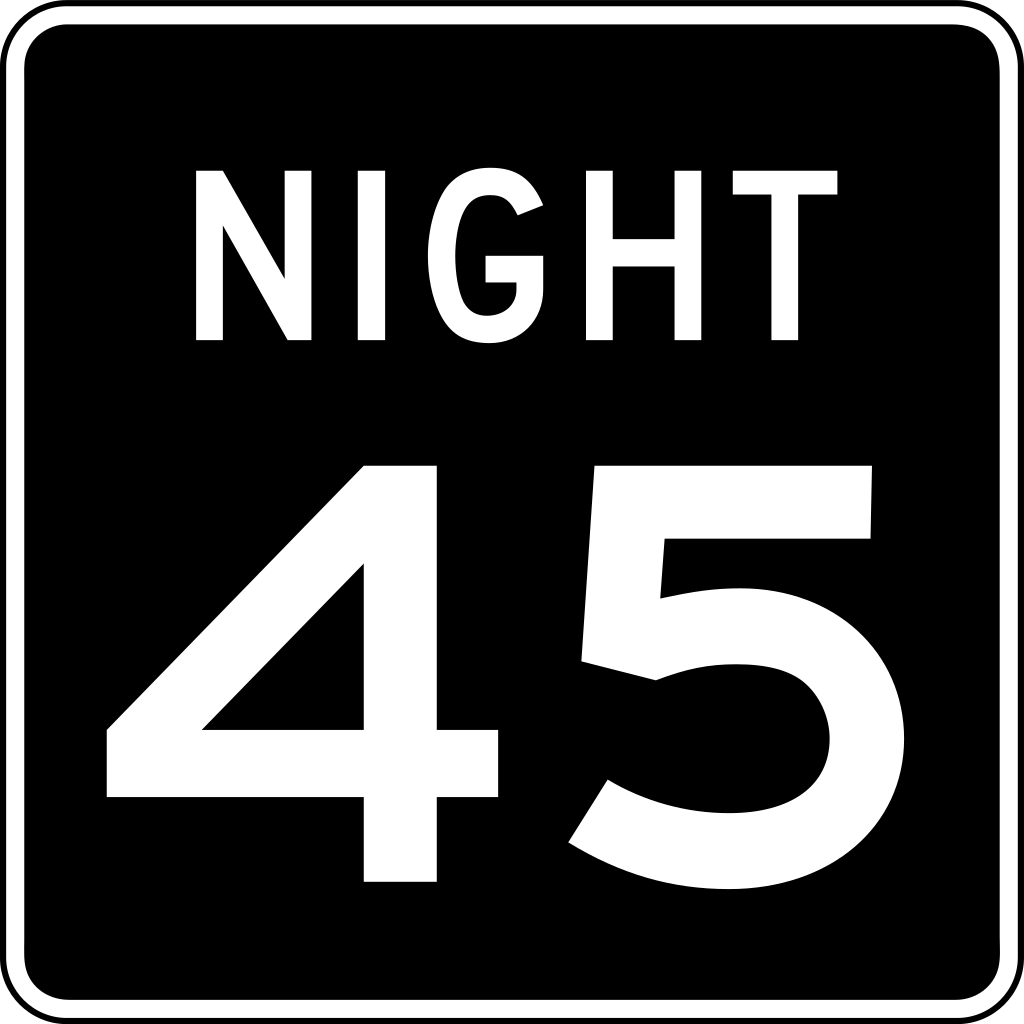 This sign means:
A
Take route 45 if you are driving at night.
B
The night-time speed limit is 45 MPH.
C
The minimum speed limit is 45 MPH.
This traffic sign indicates: The night-time speed limit is 45 MPH. Observing and obeying all roadway signs ensures safe traffic flow and legal driving.
Question 2:
A pedestrian starts to cross in front of your vehicle. You should:
A
sound your horn and proceed with caution.
B
slow down.
C
speed up and pass in front of the pedestrian.
D
stop until the person is out of the crosswalk.
Drivers must always yield the right-of-way to pedestrians crossing at intersections and crosswalks: stop until the person is out of the crosswalk. Stop and allow them to clear the lane safely.
Question 3:
__________________ is a safe driving technique.
A
Using your high beam lights in the fog
B
Starring at the road ahead of your vehicle
C
Checking your rearview mirrors frequently
The correct driving rule is: Checking your rearview mirrors frequently. Following standard DMV road rules and practicing defensive driving ensures safety for all road users.
Question 4:
 This sign warns drivers that:
A
they cannot go straight ahead.
B
they will soon be facing oncoming traffic.
C
a shared lane starts ahead.
This traffic sign indicates: they will soon be facing oncoming traffic. Observing and obeying all roadway signs ensures safe traffic flow and legal driving.
Question 5:
If you are feeling tired while driving, you should:
A
stop and get some rest.
B
open a window.
C
drink coffee.
The correct driving rule is: stop and get some rest. Following standard DMV road rules and practicing defensive driving ensures safety for all road users.
Question 6:
When the driver behind you wants to pass, you should:
A
change lanes.
B
speed up.
C
use your brake lights.
D
slow down to allow room for the other driver to complete the pass safely.
The correct driving rule is: slow down to allow room for the other driver to complete the pass safely. Following standard DMV road rules and practicing defensive driving ensures safety for all road users.
Question 7:
A broken yellow line to the right of a solid yellow center line means:
A
you may pass other vehicles if no oncoming traffic is present.
B
passing is prohibited.
C
you are only allowed to make left turns in this area.
The correct driving rule is: you may pass other vehicles if no oncoming traffic is present. Following standard DMV road rules and practicing defensive driving ensures safety for all road users.
Question 8:
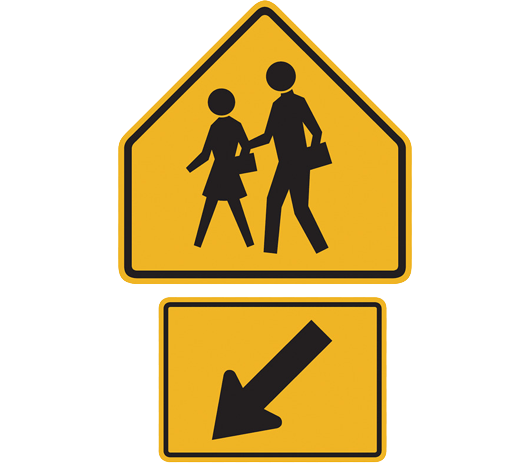 When they approach this sign, drivers must:
A
slow down and watch for children crossing the road.
B
obey signals from crossing guards.
C
stop if necessary.
D
All of the above.
This sign alerts drivers to several mandatory requirements: slow down and watch for children crossing the road, obey signals from crossing guards, stop if necessary. Obeying all posted traffic control instructions is required by law.
Question 9:
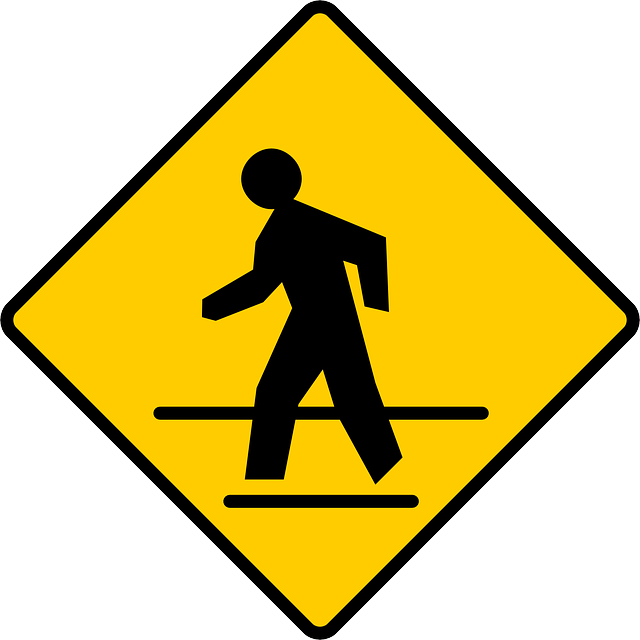 This road sign means:
A
Pedestrian crossing
B
School zone
C
School crossing
This traffic sign indicates: Pedestrian crossing. Observing and obeying all roadway signs ensures safe traffic flow and legal driving.
Question 10:
Worn tires:
A
may cause you to hydroplane even with very little water on the road.
B
can increase your stopping distance.
C
can make turning more difficult.
D
All of the above.
All of the listed points are essential driving requirements: may cause you to hydroplane even with very little water on the road; can increase your stopping distance; can make turning more difficult. Practicing each ensures compliance with DMV safety laws.
Question 11:
What should you do as you prepare to turn right at an intersection?
A
Honk your horn.
B
Yield to bicyclists coming from the opposite direction.
C
Signal your turn, check for bicyclists, and do not turn directly in front of a bicyclist.
According to standard right-of-way regulations: signal your turn, check for bicyclists, and do not turn directly in front of a bicyclist. Yielding appropriately prevents intersection collisions and maintains safe traffic flow.
Question 12:
As you approach an intersection, the traffic light changes from green to yellow. You should:
A
apply the brakes sharply and come to a complete stop.
B
be prepared to stop before the intersection.
C
be prepared to stop in the middle of the intersection.
D
speed up to beat the red light.
According to standard right-of-way regulations: be prepared to stop before the intersection. Yielding appropriately prevents intersection collisions and maintains safe traffic flow.
Question 13:
Drive below the posted speed limit when:
A
anything makes conditions less than perfect.
B
you are on a four lane road.
C
entering a highway where there are other cars.
D
others drive below the speed limit.
For safe speed and stopping control: anything makes conditions less than perfect. Adjusting speed to match visibility and road traction prevents loss of steering grip.
Question 14:
Most signs used in street work areas are:
A
round.
B
diamond shaped.
C
rectangle shaped.
The correct driving rule is: diamond shaped. Following standard DMV road rules and practicing defensive driving ensures safety for all road users.
Question 15:
A red traffic sign means?
A
Construction warning.
B
Railroad crossing.
C
Stop.
This traffic sign indicates: stop. Observing and obeying all roadway signs ensures safe traffic flow and legal driving.
Question 16:
At intersections, crosswalks, and railroad crossings, drivers should always:
A
look to the sides of their vehicle to see what is coming.
B
slowly pass vehicles the vehicles ahead.
C
stop, listen for oncoming traffic, and proceed with caution.
The correct driving rule is: look to the sides of their vehicle to see what is coming. Following standard DMV road rules and practicing defensive driving ensures safety for all road users.
Question 17:
 This road sign means:
A
No left turn
B
No U-turn
C
Detour ahead
This traffic sign indicates: No U-turn. Observing and obeying all roadway signs ensures safe traffic flow and legal driving.
Question 18:
 This road sign means:
A
No parking
B
Yield
C
No left turn
D
Divided highway
This traffic sign indicates: No parking. Observing and obeying all roadway signs ensures safe traffic flow and legal driving.
Question 19:
When entering a crowded freeway, to merge into traffic you should:
A
yield to vehicles already on the freeway.
B
use the acceleration lane to adjust your speed to the same speed as freeway traffic.
C
check your blind spots.
D
All of the above.
Defensive driving best practices include: yield to vehicles already on the freeway; use the acceleration lane to adjust your speed to the same speed as freeway traffic; check your blind spots. Staying alert and maintaining spacing prevents unexpected hazards.
Question 20:
What should you do if your rear wheels start to skid?
A
Steer left if your rear wheels slide right.
B
If the vehicle has ABS, pump the pedal carefully.
C
Turn the steering wheel in the direction the vehicle is trying to go.
The correct driving rule is: turn the steering wheel in the direction the vehicle is trying to go. Following standard DMV road rules and practicing defensive driving ensures safety for all road users.
Question 21:
 This road sign means:
A
Low clearance
B
Do not enter
C
A steep grade is ahead
This traffic sign indicates: Low clearance. Observing and obeying all roadway signs ensures safe traffic flow and legal driving.
Question 22:
 This road sign means:
A
Lane reduction - the left lane ends soon
B
Highway entrance ramp ahead
C
Lane reduction - the right lane ends soon
This traffic sign indicates: Lane reduction - the right lane ends soon. Observing and obeying all roadway signs ensures safe traffic flow and legal driving.
Question 23:
Regulation signs normally are:
A
white triangles.
B
green rectangles.
C
white rectangles.
The correct driving rule is: white rectangles. Following standard DMV road rules and practicing defensive driving ensures safety for all road users.
Question 24:
 This road sign means:
A
No left turn
B
No right turn
C
No U-turns
This traffic sign indicates: No right turn. Observing and obeying all roadway signs ensures safe traffic flow and legal driving.