Question 1:
The road is the most slippery:
A
when it first starts to rain.
B
after it rains.
C
All of the above.
For safe speed and stopping control: when it first starts to rain. Adjusting speed to match visibility and road traction prevents loss of steering grip.
Question 2:
When driving in foggy weather, drivers should:
A
put their lights on low beam.
B
put their lights on high beam.
C
put their emergency flashers on.
The correct driving rule is: put their lights on low beam. Following standard DMV road rules and practicing defensive driving ensures safety for all road users.
Question 3:
What should you do if your vision through the windshield becomes blocked?
A
Pull your vehicle off the road and park it.
B
Turn on your emergency lights.
C
Open the side window so you can see.
D
All of the above.
All of the listed points are essential driving requirements: Pull your vehicle off the road and park it; Turn on your emergency lights; Open the side window so you can see. Practicing each ensures compliance with DMV safety laws.
Question 4:
When approaching a construction site, drivers should:
A
accelerate to get out of the way quickly.
B
slow down and adjust their driving manner.
C
honk their horn to alert construction workers of their presence.
The correct driving rule is: slow down and adjust their driving manner. Following standard DMV road rules and practicing defensive driving ensures safety for all road users.
Question 5:
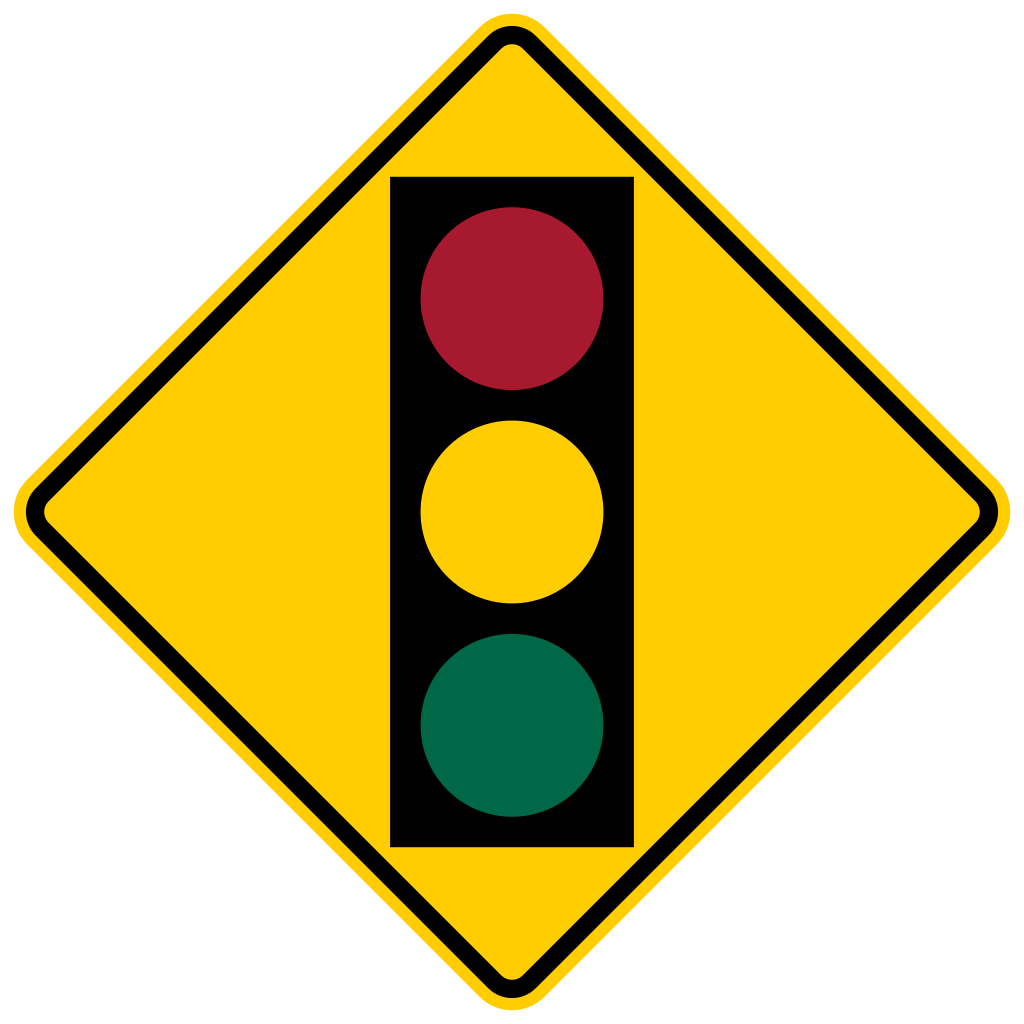 This sign means:
A
No traffic signal ahead
B
Traffic signal ahead
C
Open intersection ahead
This traffic sign indicates: traffic signal ahead. Observing and obeying all roadway signs ensures safe traffic flow and legal driving.
Question 6:
Aggressive driving includes:
A
quick lane changes without a signal.
B
chasing or challenging other drivers.
C
All of the above.
All of the listed points are essential driving requirements: quick lane changes without a signal; chasing or challenging other drivers. Practicing each ensures compliance with DMV safety laws.
Question 7:
If your front wheels start to skid, the first thing you should do is:
A
Take your foot off the gas pedal and shift to neutral.
B
Immediately turn in the direction you want to go.
C
Speed up, pump your brakes and steer in the direction the vehicle is trying to go.
The correct driving rule is: take your foot off the gas pedal and shift to neutral. Following standard DMV road rules and practicing defensive driving ensures safety for all road users.
Question 8:
When changing lanes, drivers should never:
A
check to see if other drivers are moving into the same lane.
B
change lanes abruptly.
C
glance over their shoulder to check for blind spots.
The correct driving rule is: change lanes abruptly. Following standard DMV road rules and practicing defensive driving ensures safety for all road users.
Question 9:
BAC is:
A
the acronym for Beer ACcumulation.
B
the number of ounces of alcohol in your blood.
C
the percentage of alcohol in your blood.
Under state DUI and traffic safety laws: the percentage of alcohol in your blood. Alcohol degrades judgment, slows reaction times, and distorts depth perception.
Question 10:
Although there may be enough room in the traffic lane for an automobile and a motorcyclist, a vehicle driver should not share the lane with motorcyclists.
A
False
B
True
The correct driving rule is: True. Following standard DMV road rules and practicing defensive driving ensures safety for all road users.
Question 11:
 When they see this sign, drivers:
A
should be prepared to make sharp turns at a high speed.
B
need to be prepared to turn right and then left quickly.
C
should not speed up or brake quickly.
This traffic sign indicates: should not speed up or brake quickly. Observing and obeying all roadway signs ensures safe traffic flow and legal driving.
Question 12:
The following symptoms are associated with drowsy driving:
A
You continue to yawn.
B
You don’t remember driving the last few miles.
C
All of the above.
Alcohol and impairing substances degrade all critical driving functions: You continue to yawn; You don’t remember driving the last few miles. Driving while impaired carries severe criminal and safety penalties.
Question 13:
 This sign means:
A
Hairpin corner ahead.
B
Warning: U-turn ahead.
C
Sharp right turn ahead.
This traffic sign indicates: Hairpin corner ahead. Observing and obeying all roadway signs ensures safe traffic flow and legal driving.
Question 14:
If you see an animal on the road:
A
be very cautious.
B
honk your horn.
C
pass the animal as fast as possible.
D
None of the above.
The correct driving rule is: be very cautious. Following standard DMV road rules and practicing defensive driving ensures safety for all road users.
Question 15:
Which of the following must you obey over the others?
A
A flashing red light.
B
A stop sign.
C
A steady red light.
D
A police officer.
The correct driving rule is: A police officer. Following standard DMV road rules and practicing defensive driving ensures safety for all road users.
Question 16:
Signs containing information about hazardous conditions are known as _____ signs.
A
regulatory
B
guide
C
information
D
warning
The correct driving rule is: warning. Following standard DMV road rules and practicing defensive driving ensures safety for all road users.
Question 17:
What should you do if your brakes fail?
A
Hook your shoe under the pedal and see if you can free it.
B
Turn on your cruise control.
C
Try pumping the brake pedal to increase pressure.
The correct driving rule is: Try pumping the brake pedal to increase pressure. Following standard DMV road rules and practicing defensive driving ensures safety for all road users.
Question 18:
What do pennant-shaped signs indicate?
A
A school crossing
B
Yield
C
A No Passing Zone
The correct driving rule is: A No Passing Zone. Following standard DMV road rules and practicing defensive driving ensures safety for all road users.
Question 19:
 This road sign means:
A
No left turn
B
No right turn
C
No U-turns
This traffic sign indicates: No right turn. Observing and obeying all roadway signs ensures safe traffic flow and legal driving.
Question 20:
When driving at night with no other vehicles ahead, a driver should use:
A
high beam lights.
B
low-beam lights.
C
parking lights.
The correct driving rule is: high beam lights. Following standard DMV road rules and practicing defensive driving ensures safety for all road users.
Question 21:
As the percentage of alcohol in your blood (BAC) increases, you become:
A
more reactive.
B
more intoxicated.
C
more sober.
Under state DUI and traffic safety laws: more intoxicated. Alcohol degrades judgment, slows reaction times, and distorts depth perception.
Question 22:
This road sign means:
A
Winding road ahead
B
Warning, slippery when wet
C
Railroad Warning
D
Stop Sign Ahead
This traffic sign indicates: Warning, slippery when wet. Observing and obeying all roadway signs ensures safe traffic flow and legal driving.
Question 23:
When driving in fog, drivers should use:
A
low beam headlights.
B
parking lights.
C
high beam headlights.
Always use low-beam headlights in fog, heavy rain, or snow. High beams reflect off moisture droplets and bounce glare back into your eyes.
Question 24:
What is the slow moving vehicle symbol?
A
A reflective yellow diamond
B
A reflective white triangle
C
A reflective orange triangle
The correct driving rule is: A reflective orange triangle. Following standard DMV road rules and practicing defensive driving ensures safety for all road users.
Question 25:
When passing another vehicle, you should return to your lane if:
A
you have passed the other vehicle’s front bumper.
B
you are at least 25 feet in front of the passed vehicle.
C
you can see both headlights in the rearview mirror.
Defensive driving guidelines state that: you can see both headlights in the rearview mirror. Anticipating road hazards and communicating maneuvers keeps traffic predictable and safe.