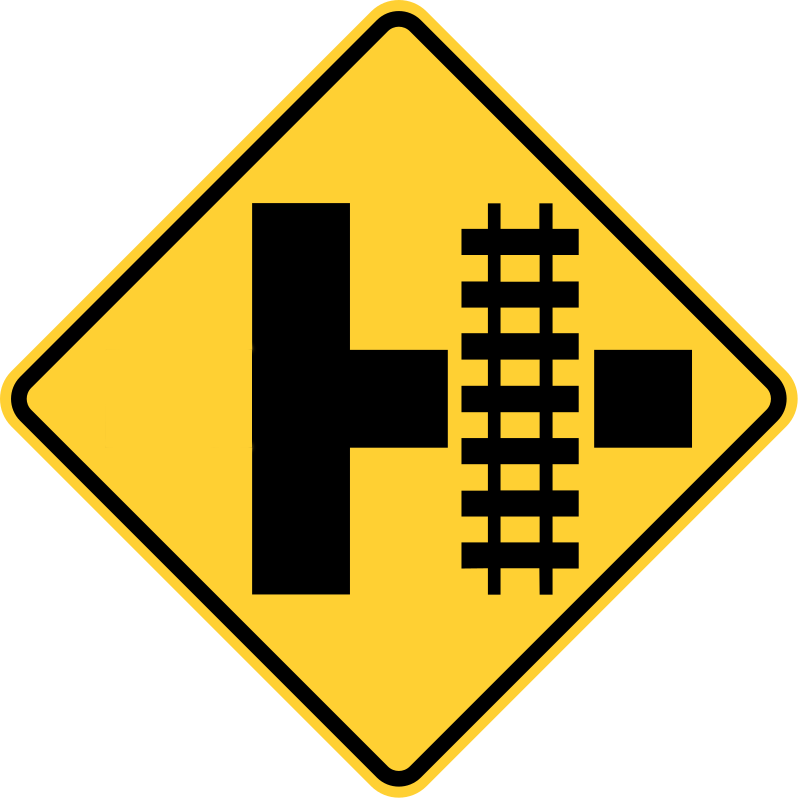
←
Back to Test
Hide Answer Key
Print / Save as PDF
Print / PDF
drive
quiz
.com
DC DMV PERMİT PRACTİCE TEST 17
District of Columbia
Duration: 23 min
|
Questions: 25
Student Name:
Date:
Correct:
Incorrect:
Score:
1.
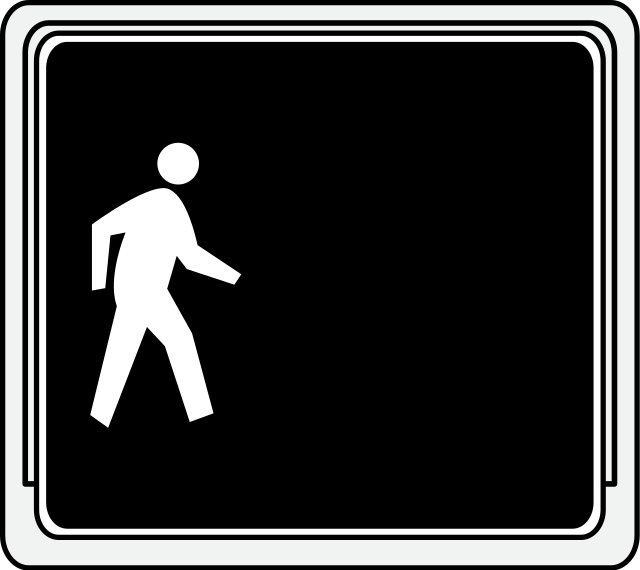
What does the pictured signal indicate?
A)
A pedestrian may begin crossing the street.
B)
Pedestrians may turn right.
C)
A pedestrian may not not begin crossing the street.
2.
Are drivers allowed to exceed the speed limit to pass other vehicles?
A)
Yes, but only by 10 MPH or less.
B)
No.
C)
Yes, but only if they drive with caution.
3.
This sign warns drivers of:
A)
low clearance.
B)
a narrow bridge ahead.
C)
a low place in the road.
4.
If you've had a few beers, the effects of alcohol will be reduced only by:
A)
waiting several hours.
B)
taking a cold shower.
C)
getting a cup of coffee.
5.
During an emergency stop, always park on the left side of roadway, unless it is a one-way street.
A)
False
B)
True
6.
Driving at night is more dangerous because:
A)
the road is more slippery.
B)
your reaction time is slower.
C)
you cannot see as far ahead at night.
7.
Because many crashes happen when a vehicle is turning left, drivers should:
A)
slow down gradually while checking the rear view mirror.
B)
move into the left lane of a multilane road.
C)
yield to oncoming vehicles, bicyclists and pedestrians.
D)
All of the above.
8.
If you hear a thumping sound while driving, you should:
A)
hook your shoe under the gas pedal and see if you can free it.
B)
get off the road and check your tires.
C)
try your emergency lights.
9.
Which signs have black letters on a yellow or orange background?
A)
Warning signs (diamond)
B)
Regulatory signs (vertical rectangle)
C)
Railroad advance warning signs (round)
10.
You hear a siren close by but can not see where the emergency vehicle is. What do you do?
A)
Keep driving until you are sure the emergency vehicle is headed toward you.
B)
Stop immediately and activate your emergency flashers.
C)
Pull over to the right side of the road and stop until you are sure the emergency vehicle is not headed toward you.
11.
This road sign means:
A)
Watch for bicycles
B)
Bicycle parking ahead
C)
Bicycles are not allowed in this area
12.
At a stop sign there is no stop line or crosswalk. You must stop:
A)
before you enter the intersection.
B)
at the next crosswalk.
C)
after you enter the intersection, if you have a clear view of traffic on the intersecting roadway.
13.
After parking, are you allowed to open a door on the road side of your vehicle?
A)
Yes, always.
B)
Yes, but only if it does not interfere with bicyclists and other traffic.
C)
No, never.
14.
Gauging the speed of a motorcycle may be difficult because:
A)
motorcycles take up less of your field of vision.
B)
motorcycles often slow down by downshifting.
C)
many motorcyclists do not activate the brake light.
15.
This road sign means:
A)
Curves ahead
B)
Divided highway ahead
C)
Divided highway ends
16.
A road is likely to be most slippery:
A)
when tire marks have been left by other vehicles.
B)
in cold, dry weather.
C)
when icy and the temperature is near freezing.
D)
in spring.
17.
The picture shows:
A)
a railroad advance warning sign.
B)
a speeding fines doubled sign.
C)
a reversible road sign.
18.
Look over your shoulder to check your blind spot:
A)
when changing lanes.
B)
when pulling to the right side of the road or away from a curb.
C)
on all right and left turns.
D)
All of the above.
19.
Braking distance is how far a vehicle travels:
A)
before the driver hits the brakes.
B)
while the driver is braking.
C)
when pumping the brakes.
20.
Regulatory signs:
A)
warn drivers about road hazards.
B)
regulate the flow of traffic at school zone.
C)
are diamond shaped and yellow or green.
D)
provide infor
21.
If your gas pedal is stuck, you should:
A)
hook your shoe under the pedal and see if you can free it. If not, shift into neutral and use the brake to slow your vehicle and get off the road.
B)
ease your foot off the gas pedal and brake gently.
C)
turn off the ignition if your vehicle has power steering.
22.
What does this sign indicate?
A)
Parallel railroad crossing (side road)
B)
Low ground clearance railroad crossing
C)
Parallel railroad crossing (crossroad)
23.
When driving in fog, drivers should:
A)
not use high beam headlights.
B)
use low beam headlights to better illuminate the road ahead.
C)
slow down and drive cautiously.
D)
All of the above.
24.
A good rule of thumb for drivers sharing the road with a truck is:
A)
it is better to drive to the immediate right of the cab.
B)
always try to stay alongside a truck, but never drive right behind it.
C)
if you can’t see the truck driver in their side mirror, they can’t see you.
25.
A broken yellow line alongside a solid yellow line means:
A)
Passing is permitted on the side of the broken yellow line
B)
Passing is not permitted in either direction
C)
Passing on the right is permitted in either direction
ANSWER KEY
Check answers after completing the test.
1
A
2
B
3
B
4
A
5
A
6
C
7
D
8
B
9
A
10
C
11
A
12
A
13
B
14
A
15
C
16
C
17
A
18
D
19
B
20
D
21
A
22
A
23
D
24
C
25
A