Question 1:
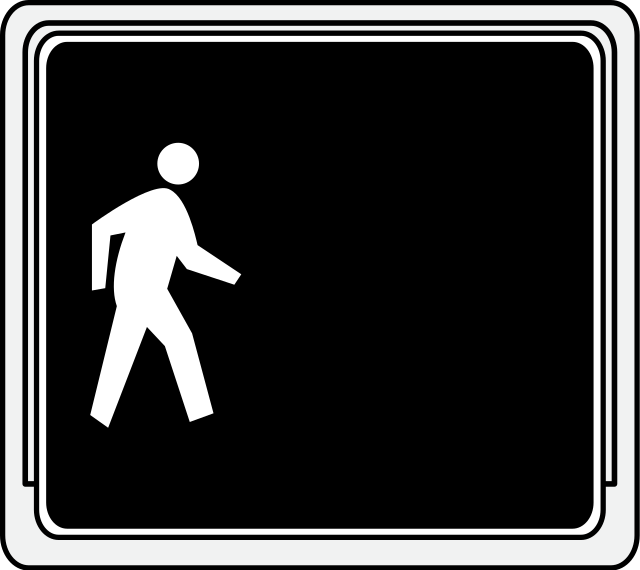 What does the pictured signal indicate?
A
A pedestrian may begin crossing the street.
B
Pedestrians may turn right.
C
A pedestrian may not not begin crossing the street.
No explanation available.
Question 2:
Are drivers allowed to exceed the speed limit to pass other vehicles?
A
Yes, but only by 10 MPH or less.
B
No.
C
Yes, but only if they drive with caution.
No explanation available.
Question 3:
 This sign warns drivers of:
A
low clearance.
B
a narrow bridge ahead.
C
a low place in the road.
No explanation available.
Question 4:
If you've had a few beers, the effects of alcohol will be reduced only by:
A
waiting several hours.
B
taking a cold shower.
C
getting a cup of coffee.
No explanation available.
Question 5:
During an emergency stop, always park on the left side of roadway, unless it is a one-way street.
A
False
B
True
No explanation available.
Question 6:
Driving at night is more dangerous because:
A
the road is more slippery.
B
your reaction time is slower.
C
you cannot see as far ahead at night.
No explanation available.
Question 7:
Because many crashes happen when a vehicle is turning left, drivers should:
A
slow down gradually while checking the rear view mirror.
B
move into the left lane of a multilane road.
C
yield to oncoming vehicles, bicyclists and pedestrians.
D
All of the above.
No explanation available.
Question 8:
If you hear a thumping sound while driving, you should:
A
hook your shoe under the gas pedal and see if you can free it.
B
get off the road and check your tires.
C
try your emergency lights.
No explanation available.
Question 9:
Which signs have black letters on a yellow or orange background?
A
Warning signs (diamond)
B
Regulatory signs (vertical rectangle)
C
Railroad advance warning signs (round)
No explanation available.
Question 10:
You hear a siren close by but can not see where the emergency vehicle is. What do you do?
A
Keep driving until you are sure the emergency vehicle is headed toward you.
B
Stop immediately and activate your emergency flashers.
C
Pull over to the right side of the road and stop until you are sure the emergency vehicle is not headed toward you.
No explanation available.
Question 11:
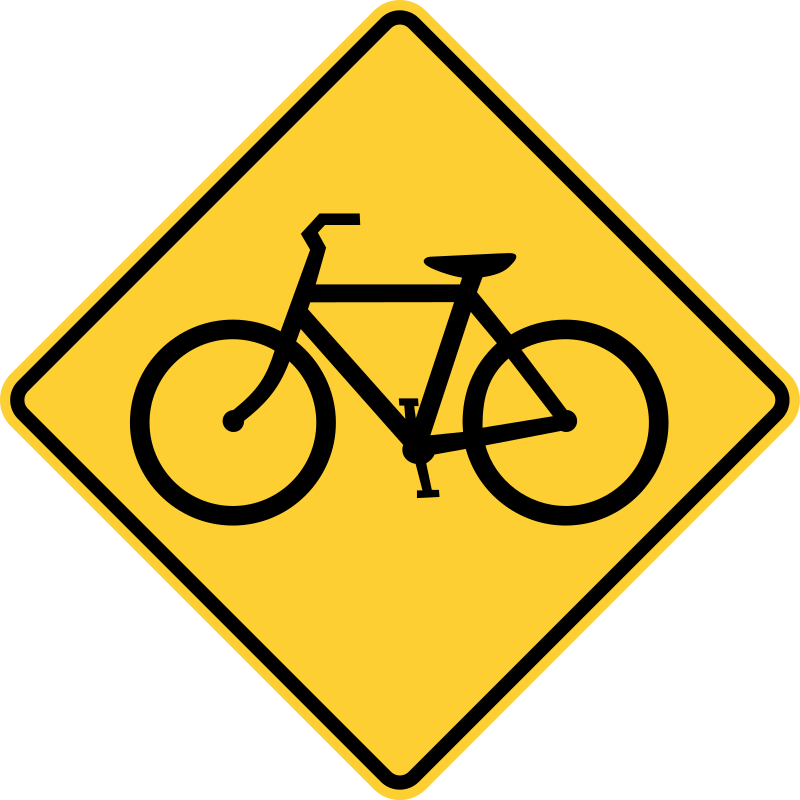 This road sign means:
A
Watch for bicycles
B
Bicycle parking ahead
C
Bicycles are not allowed in this area
No explanation available.
Question 12:
At a stop sign there is no stop line or crosswalk. You must stop:
A
before you enter the intersection.
B
at the next crosswalk.
C
after you enter the intersection, if you have a clear view of traffic on the intersecting roadway.
No explanation available.
Question 13:
After parking, are you allowed to open a door on the road side of your vehicle?
A
Yes, always.
B
Yes, but only if it does not interfere with bicyclists and other traffic.
C
No, never.
No explanation available.
Question 14:
Gauging the speed of a motorcycle may be difficult because:
A
motorcycles take up less of your field of vision.
B
motorcycles often slow down by downshifting.
C
many motorcyclists do not activate the brake light.
No explanation available.
Question 15:
 This road sign means:
A
Curves ahead
B
Divided highway ahead
C
Divided highway ends
No explanation available.
Question 16:
A road is likely to be most slippery:
A
when tire marks have been left by other vehicles.
B
in cold, dry weather.
C
when icy and the temperature is near freezing.
D
in spring.
No explanation available.
Question 17:
 The picture shows:
A
a railroad advance warning sign.
B
a speeding fines doubled sign.
C
a reversible road sign.
No explanation available.
Question 18:
Look over your shoulder to check your blind spot:
A
when changing lanes.
B
when pulling to the right side of the road or away from a curb.
C
on all right and left turns.
D
All of the above.
No explanation available.
Question 19:
Braking distance is how far a vehicle travels:
A
before the driver hits the brakes.
B
while the driver is braking.
C
when pumping the brakes.
No explanation available.
Question 20:
Regulatory signs:
A
warn drivers about road hazards.
B
regulate the flow of traffic at school zone.
C
are diamond shaped and yellow or green.
D
provide infor
No explanation available.
Question 21:
If your gas pedal is stuck, you should:
A
hook your shoe under the pedal and see if you can free it. If not, shift into neutral and use the brake to slow your vehicle and get off the road.
B
ease your foot off the gas pedal and brake gently.
C
turn off the ignition if your vehicle has power steering.
No explanation available.
Question 22:
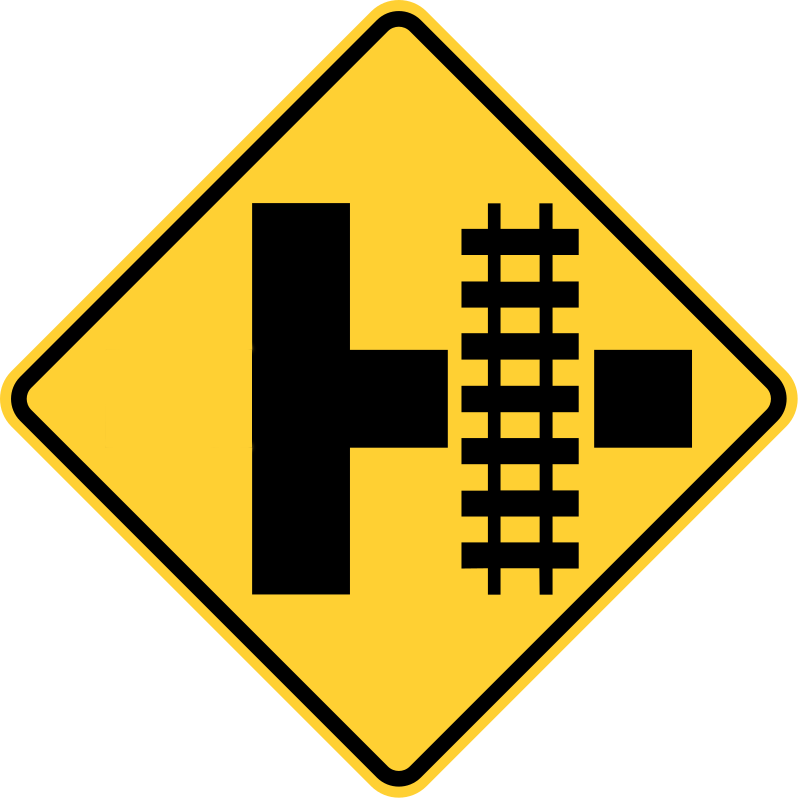 What does this sign indicate?
A
Parallel railroad crossing (side road)
B
Low ground clearance railroad crossing
C
Parallel railroad crossing (crossroad)
No explanation available.
Question 23:
When driving in fog, drivers should:
A
not use high beam headlights.
B
use low beam headlights to better illuminate the road ahead.
C
slow down and drive cautiously.
D
All of the above.
No explanation available.
Question 24:
A good rule of thumb for drivers sharing the road with a truck is:
A
it is better to drive to the immediate right of the cab.
B
always try to stay alongside a truck, but never drive right behind it.
C
if you can’t see the truck driver in their side mirror, they can’t see you.
No explanation available.
Question 25:
A broken yellow line alongside a solid yellow line means:
A
Passing is permitted on the side of the broken yellow line
B
Passing is not permitted in either direction
C
Passing on the right is permitted in either direction
No explanation available.