Question 1:
If you are about to be hit from behind, do NOT:
A
brace yourself.
B
press yourself against the back of your seat.
C
release your seat belt.
No explanation available.
Question 2:
Most signs used in street work areas are:
A
round.
B
diamond shaped.
C
rectangle shaped.
No explanation available.
Question 3:
___________ are green with white letters and symbols.
A
Warning signs
B
Destination signs (guide signs)
C
Regulation signs (regulatory signs)
No explanation available.
Question 4:
When parking on a public road, drivers should:
A
move as far away from traffic as possible.
B
always park on the left side of the roadway.
C
All of the above.
No explanation available.
Question 5:
 This road sign means:
A
Pavement ends
B
Winding road
C
Double curve ahead
No explanation available.
Question 6:
When preparing to exit an expressway, drivers should start reducing their speed:
A
about halfway through the deceleration lane.
B
immediately upon entering the deceleration lane.
C
at least 100 feet before entering the deceleration lane.
No explanation available.
Question 7:
Any use of a cell phone while operating a motor vehicle is considered a distraction because:
A
it occupies the driver's mind, hands and eyes.
B
it draws the attention of other drivers.
C
it causes the driver to be concerned about the latest news.
No explanation available.
Question 8:
Your BAC depends on:
A
how much alcohol you drink.
B
how much time passes between drinks.
C
All of the above.
No explanation available.
Question 9:
When driving behind a motorcycle, drivers should:
A
slow down.
B
be ready to sound the horn.
C
increase the following distance.
No explanation available.
Question 10:
If you miss your exit on a freeway, do NOT:
A
continue on the freeway and find an alternative route.
B
turn around or back up.
C
get back on the freeway in the opposite direction and return to the exit you want.
No explanation available.
Question 11:
 Vertical rectangles tell drivers:
A
the law.
B
what is not allowed.
C
the direction they should travel.
No explanation available.
Question 12:
It is unlawful to:
A
pass within 250 feet of any intersection.
B
exceed the posted speed limit when passing.
C
pass within 150 feet of any railroad crossing.
No explanation available.
Question 13:
If you drive slower than the flow of traffic, you will most likely:
A
improve traffic flow.
B
help create a safe driving environment.
C
interfere with traffic and receive a ticket.
No explanation available.
Question 14:
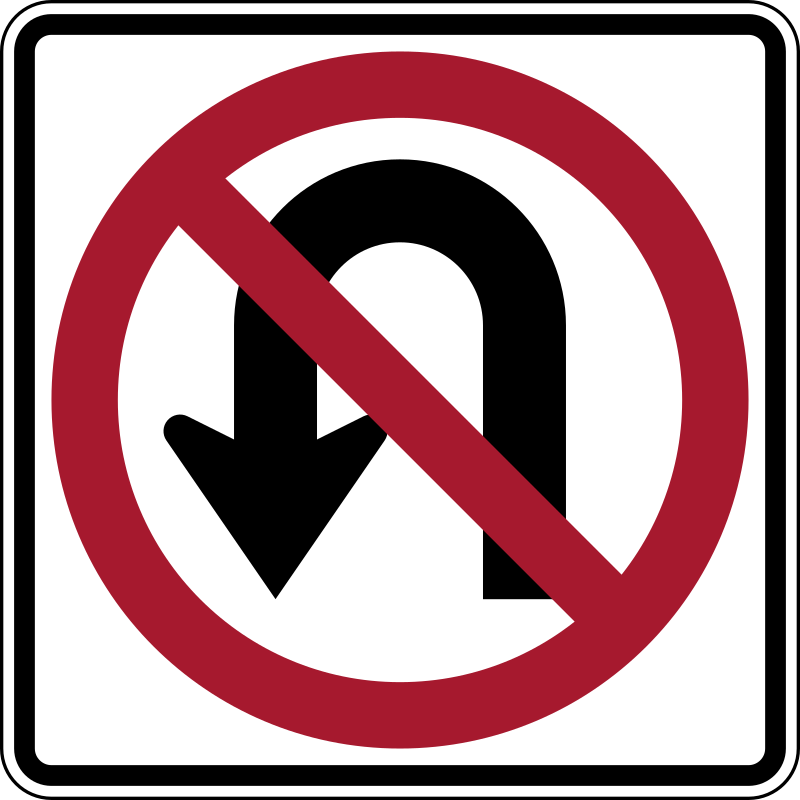 This road sign means:
A
No left turn
B
No U-turn
C
Detour ahead
No explanation available.
Question 15:
If your vehicle has a two part safety belt system:
A
use only the shoulder belt.
B
be sure to wear both the lap belt and the shoulder belt.
C
use only the lap belt.
No explanation available.
Question 16:
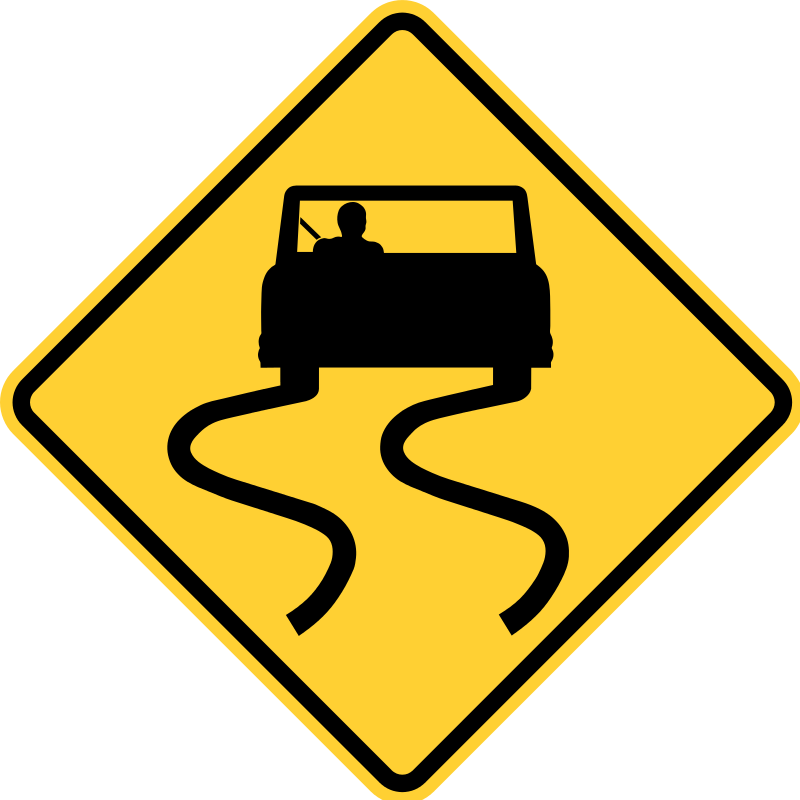 This sign means:
A
The road will curve to the right, then to the left.
B
Road slippery when wet. Drive slowly.
C
Winding road ahead. Drive with caution.
No explanation available.
Question 17:
 This road sign means:
A
A road joins from the right
B
All traffic must go straight ahead
C
All traffic must turn right
No explanation available.
Question 18:
Yellow traffic signs:
A
guide drivers.
B
when combined with an octagonal shape, tell drivers they must come to a complete stop at the marked stop line.
C
warn drivers.
No explanation available.
Question 19:
A broken yellow line to the right of a solid yellow center line means:
A
you may pass other vehicles if no oncoming traffic is present.
B
passing is prohibited.
C
you are only allowed to make left turns in this area.
No explanation available.
Question 20:
When driving on packed snow you should:
A
cut your speed in half.
B
reduce your speed by about 10 MPH.
C
slow to a crawl.
No explanation available.
Question 21:
When they see a crossbuck sign, drivers:
A
must slow down and wait for the red lights to flash.
B
must always come to a complete stop.
C
are legally required to yield the right of way to trains.
No explanation available.
Question 22:
While inside the roundabout, you should:
A
remain in your lane until you are ready to exit.
B
change lanes before you check for vehicles behind you.
C
use your left turn signal if you are in position to exit now.
No explanation available.
Question 23:
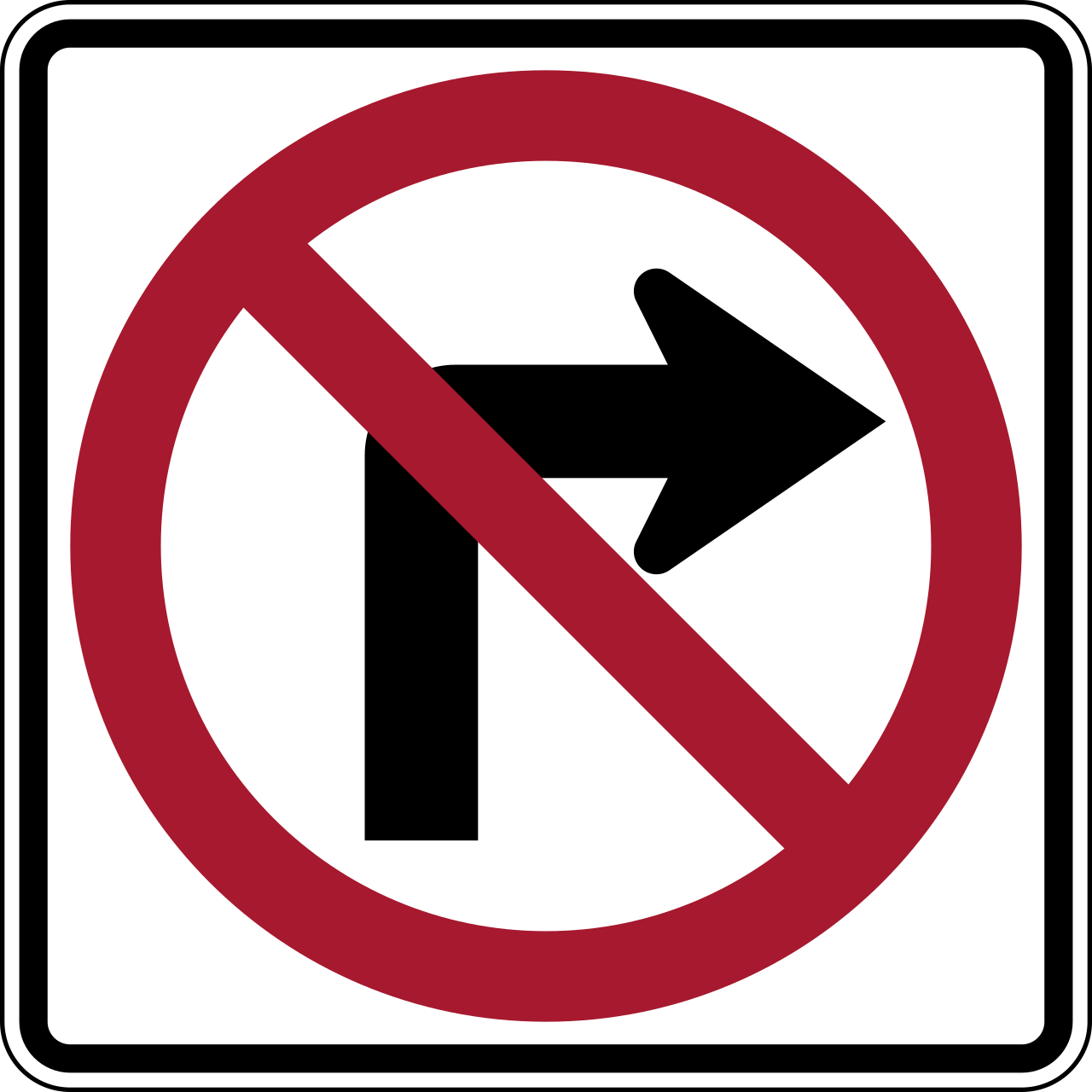 This road sign means:
A
No left turn
B
No right turn
C
No U-turns
No explanation available.
Question 24:
This sign warns drivers that:
A
they must turn either to the right or left.
B
there is a double curve ahead.
C
there is a winding road ahead.
No explanation available.
Question 25:
If you are feeling tired while driving, you should:
A
stop and get some rest.
B
open a window.
C
drink coffee.
No explanation available.