Question 1:
 This road sign means:
A
Lane reduction - the left lane ends soon
B
Highway entrance ramp ahead
C
Lane reduction - the right lane ends soon
This traffic sign indicates: Lane reduction - the right lane ends soon. Observing and obeying all roadway signs ensures safe traffic flow and legal driving.
Question 2:
What is the meaning of blue traffic signs?
A
A blue background indicates a regulatory sign.
B
They give directional information.
C
Blue indicates road user services.
The correct driving rule is: Blue indicates road user services. Following standard DMV road rules and practicing defensive driving ensures safety for all road users.
Question 3:
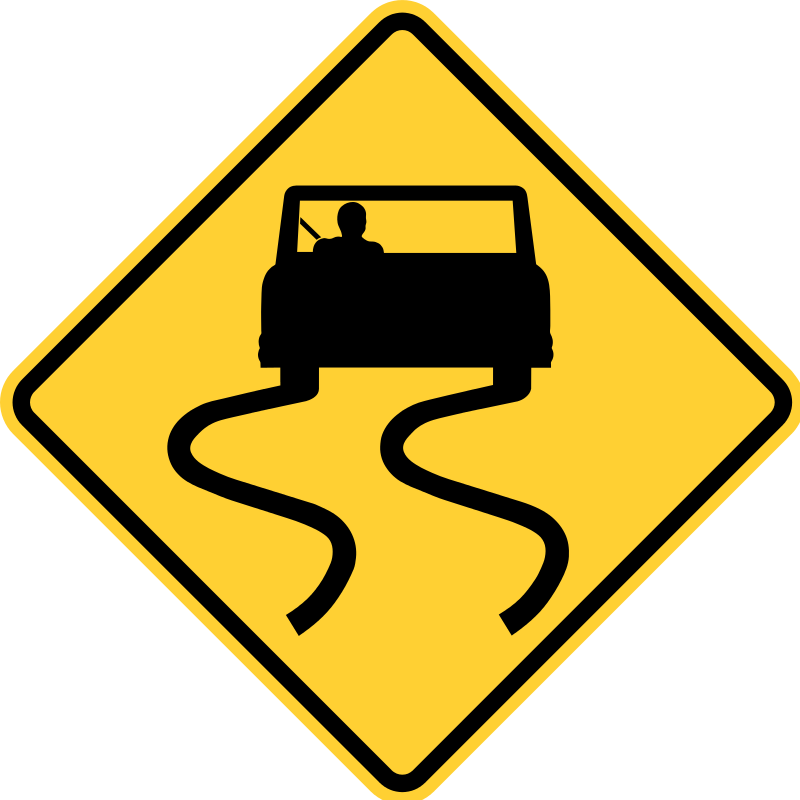 When they see this sign, drivers:
A
should be prepared to make sharp turns at a high speed.
B
need to be prepared to turn right and then left quickly.
C
should not speed up or brake quickly.
This traffic sign indicates: should not speed up or brake quickly. Observing and obeying all roadway signs ensures safe traffic flow and legal driving.
Question 4:
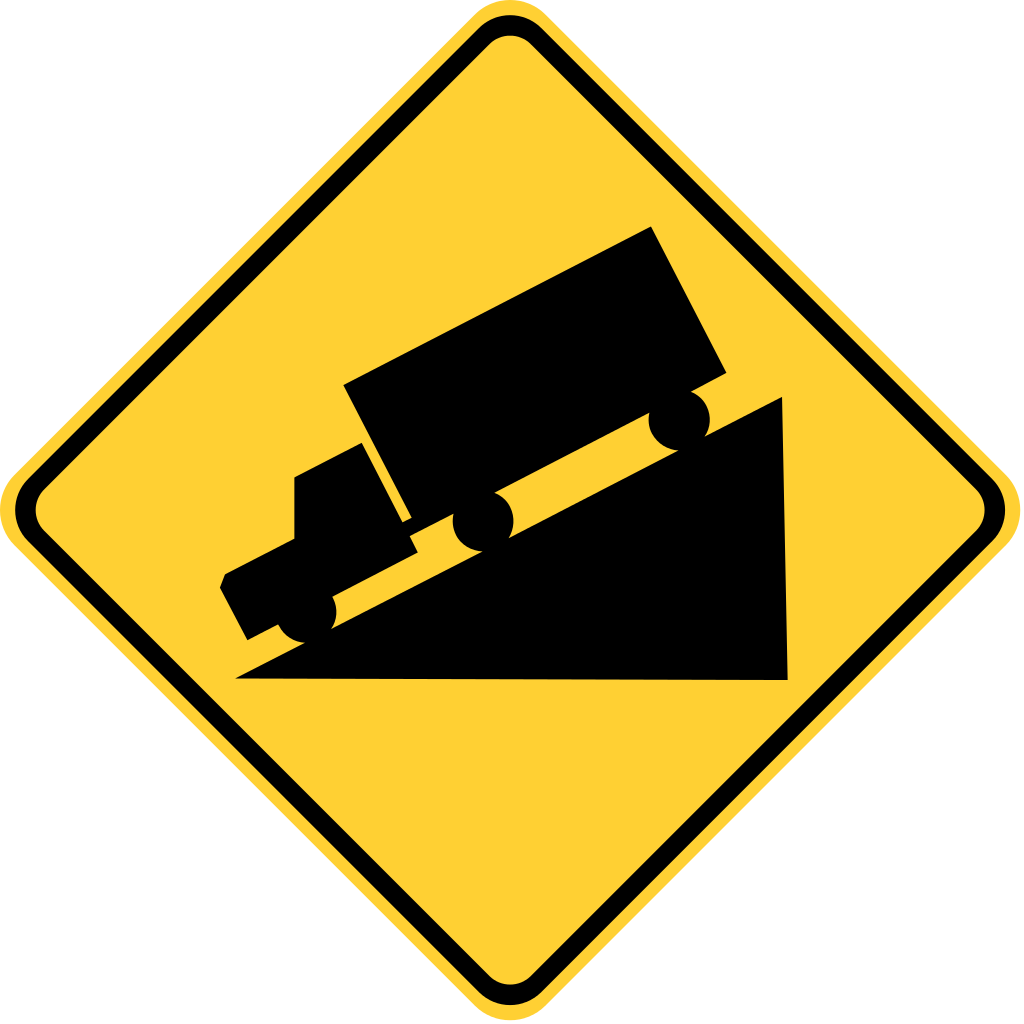 This sign warns of a ________ ahead.
A
hill
B
no passing zone
C
soft shoulder
This traffic sign indicates: hill. Observing and obeying all roadway signs ensures safe traffic flow and legal driving.
Question 5:
What is the first thing you should do if your wheels move off the pavement?
A
Pull the steering wheel back.
B
Pull over to the right and sound your horn to warn the other drivers.
C
Ease your foot off the gas pedal and brake gently.
The correct driving rule is: Ease your foot off the gas pedal and brake gently. Following standard DMV road rules and practicing defensive driving ensures safety for all road users.
Question 6:
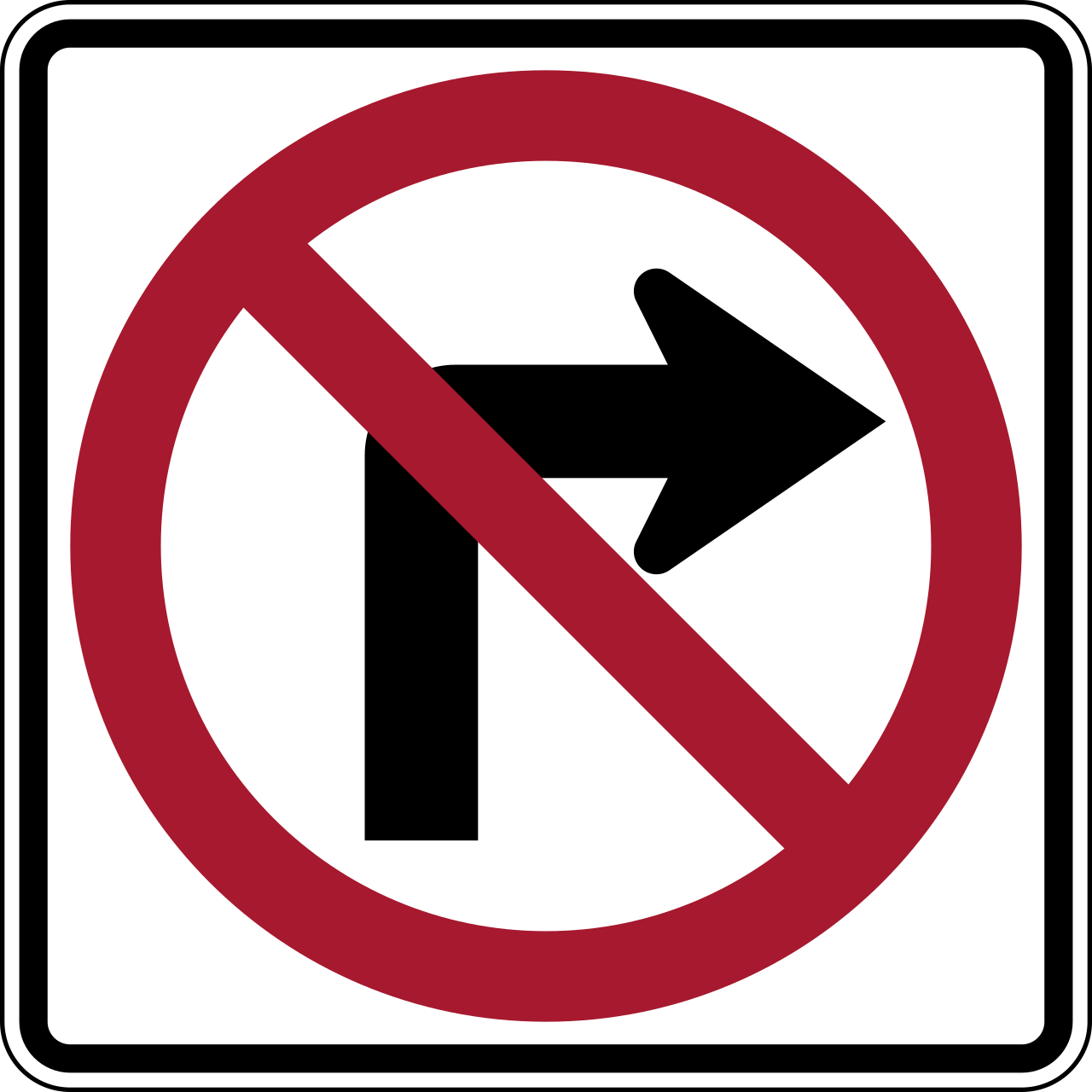 This road sign means:
A
Right turn is not permitted
B
Left turns are permitted
C
You may turn right after yielding the right-of-way to oncoming traffic
This traffic sign indicates: Right turn is not permitted. Observing and obeying all roadway signs ensures safe traffic flow and legal driving.
Question 7:
When driving at night, drivers should:
A
always use their high beams.
B
increase their following distance.
C
look directly into the oncoming headlights of approaching vehicles.
The correct driving rule is: increase their following distance. Following standard DMV road rules and practicing defensive driving ensures safety for all road users.
Question 8:
This road sign means:
A
No left turn
B
No right turn
C
No U-turns
This traffic sign indicates: No right turn. Observing and obeying all roadway signs ensures safe traffic flow and legal driving.
Question 9:
To enter a gap in traffic while driving on a highway:
A
check behind, then watch the vehicle ahead.
B
speed up and let vehicles make way.
C
watch only the vehicles behind the gap.
Defensive driving guidelines state that: check behind, then watch the vehicle ahead. Anticipating road hazards and communicating maneuvers keeps traffic predictable and safe.
Question 10:
Drinking alcohol:
A
has no effect on either judgement or driving ability.
B
has no effect on driving ability but affects your judgement.
C
harms both judgement and driving skills.
Under state DUI and traffic safety laws: harms both judgement and driving skills. Alcohol degrades judgment, slows reaction times, and distorts depth perception.
Question 11:
Drivers should check their rearview mirrors:
A
often to see how traffic is moving behind them.
B
only when slowing down.
C
to see if a truck is in their blind spot.
The correct driving rule is: often to see how traffic is moving behind them. Following standard DMV road rules and practicing defensive driving ensures safety for all road users.
Question 12:
There is no crosswalk and a pedestrian is crossing your lane ahead. You should:
A
stop and let the pedestrian finish crossing the street.
B
slow down as you pass the pedestrian.
C
make eye contact and then pass the pedestrian.
Drivers must always yield the right-of-way to pedestrians crossing at intersections and crosswalks: stop and let the pedestrian finish crossing the street. Stop and allow them to clear the lane safely.
Question 13:
The extra space in front of a large truck is needed for:
A
other drivers when merging onto a freeway.
B
the truck driver to stop the vehicle.
C
other drivers when they want to pass the truck.
When sharing the road with other vehicles: the truck driver to stop the vehicle. Giving large vehicles and vulnerable users adequate clearance prevents dangerous accidents.
Question 14:
 This road sign warns drivers that:
A
they are coming to a point where another traffic lane joins the one they are on.
B
a divided highway is ahead.
C
the one-way street or roadway is about to change to two-way traffic.
This traffic sign indicates: the one-way street or roadway is about to change to two-way traffic. Observing and obeying all roadway signs ensures safe traffic flow and legal driving.
Question 15:
 This road sign means:
A
Merging traffic from the right
B
Sharp curves ahead
C
Intersection ahead
This traffic sign indicates: Merging traffic from the right. Observing and obeying all roadway signs ensures safe traffic flow and legal driving.
Question 16:
When driving in a construction zone you should:
A
slightly increase your speed.
B
come to a complete stop and check road conditions.
C
expect the unexpected.
The correct driving rule is: expect the unexpected. Following standard DMV road rules and practicing defensive driving ensures safety for all road users.
Question 17:
When being passed by another vehicle, drivers should:
A
slow down.
B
slightly increase their speed.
C
maintain a constant speed.
The correct driving rule is: maintain a constant speed. Following standard DMV road rules and practicing defensive driving ensures safety for all road users.
Question 18:
If you approach a flashing red traffic light, you should treat the intersection the same as:
A
a yield sign.
B
a stop sign.
C
a warning sign.
When an emergency vehicle approaches with flashing lights or sirens, you must safely pull over to the right curb and stop completely until it passes.
Question 19:
This sign means:
A
Merge left
B
Merge right
C
Divided highway begins
This traffic sign indicates: merge left. Observing and obeying all roadway signs ensures safe traffic flow and legal driving.
Question 20:
Drivers may need more space in front of their vehicle:
A
when following motorcycles.
B
when carrying a heavy load or pulling a trailer.
C
All of the above.
All of the listed points are essential driving requirements: when following motorcycles; when carrying a heavy load or pulling a trailer. Practicing each ensures compliance with DMV safety laws.
Question 21:
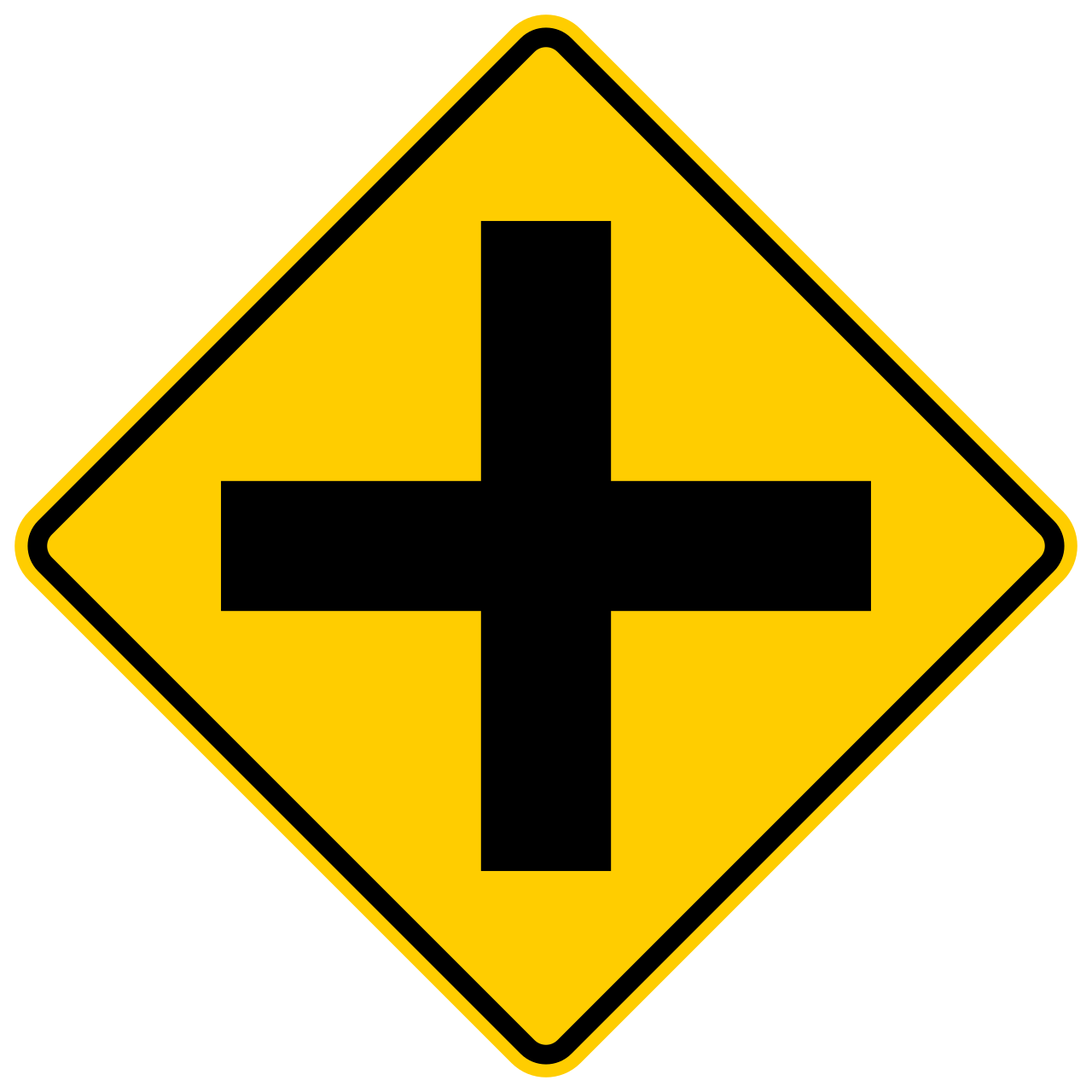 This road sign means:
A
Warning, crossroad ahead
B
All traffic must turn
C
Yield sign ahead
This traffic sign indicates: Warning, crossroad ahead. Observing and obeying all roadway signs ensures safe traffic flow and legal driving.
Question 22:
Destination signs are ______ with ____ letters and symbols.
A
green; white
B
blue; white
C
white; black
The correct driving rule is: green; white. Following standard DMV road rules and practicing defensive driving ensures safety for all road users.
Question 23:
Which statement about blind spots is true?
A
Before changing lanes, you should check mirrors and look over your shoulder toward the rear.
B
Large trucks have smaller blind spots than most passenger vehicles.
C
If traffic conditions permit you should cruise in blind spot of the vehicle ahead.
The correct driving rule is: Before changing lanes, you should check mirrors and look over your shoulder toward the rear. Following standard DMV road rules and practicing defensive driving ensures safety for all road users.
Question 24:
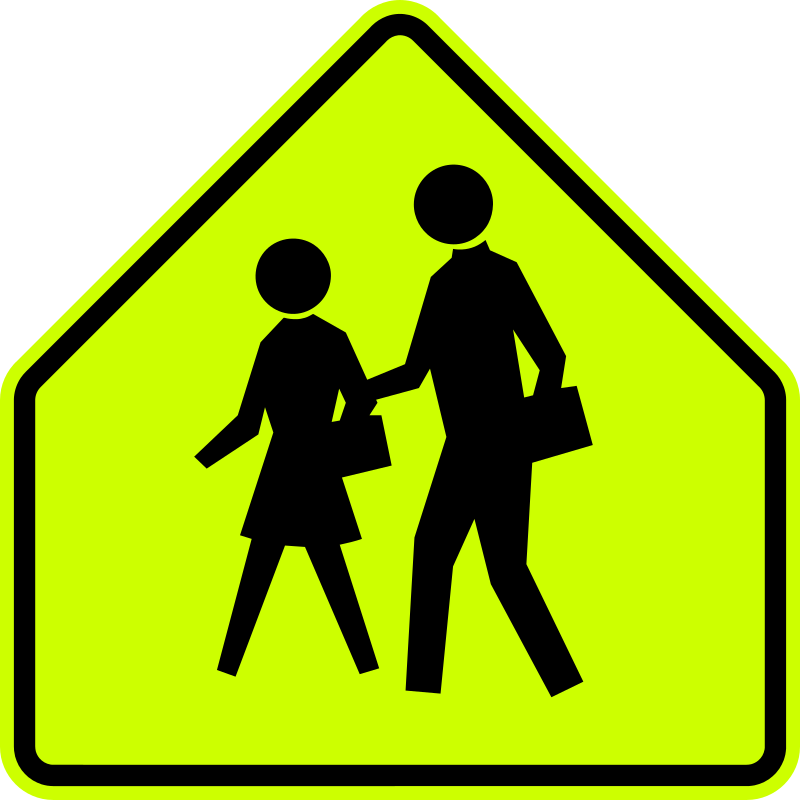 When you see this sign, you should:
A
be prepared to stop if children are in the crosswalk.
B
slow down, proceed with caution and watch for blind people.
C
always stop at the crosswalk.
This traffic sign indicates: be prepared to stop if children are in the crosswalk. Observing and obeying all roadway signs ensures safe traffic flow and legal driving.
Question 25:
 This sign warns drivers of:
A
low clearance.
B
a narrow bridge ahead.
C
a low place in the road.
This traffic sign indicates: a narrow bridge ahead. Observing and obeying all roadway signs ensures safe traffic flow and legal driving.