Question 1:
 A pedestrian in the crosswalk when the 'DON’T WALK' signal begins flashing must:
A
stop immediately.
B
go back and wait the “WALK” light
C
finish crossing the street.
Drivers must always yield the right-of-way to pedestrians crossing at intersections and crosswalks: finish crossing the street. Stop and allow them to clear the lane safely.
Question 2:
From top to bottom, traffic lights are:
A
green, red and yellow.
B
green, yellow and red.
C
red, yellow and green.
The correct driving rule is: red, yellow and green. Following standard DMV road rules and practicing defensive driving ensures safety for all road users.
Question 3:
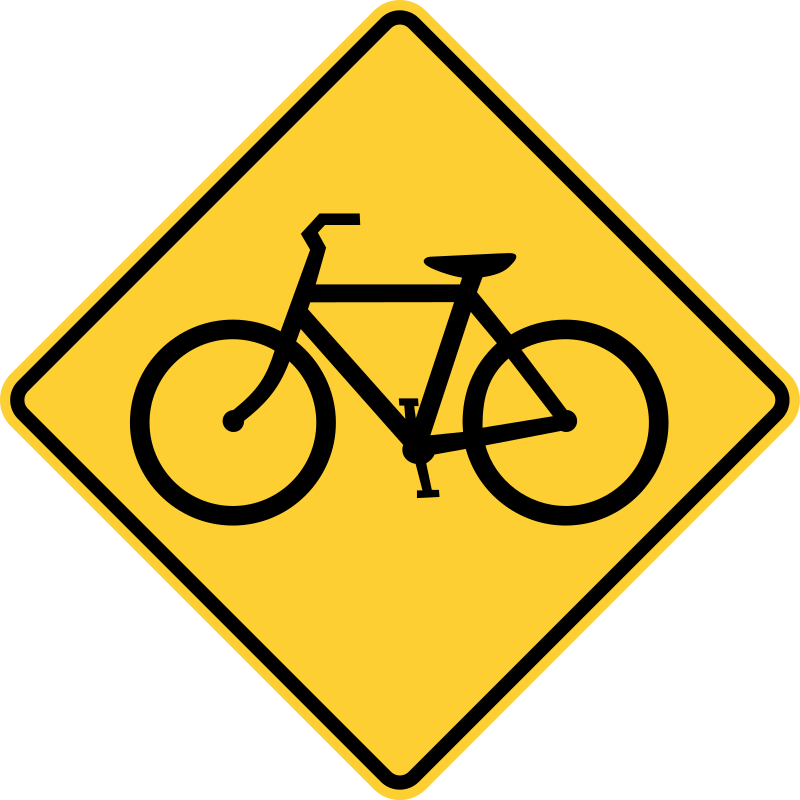 This road sign means:
A
Bicycle crossing
B
Bicycles have the right-of-way
C
This lane is reserved for bicyclists
This traffic sign indicates: Bicycle crossing. Observing and obeying all roadway signs ensures safe traffic flow and legal driving.
Question 4:
Which of the following drugs could affect your ability to drive?
A
A cold remedy.
B
Marijuana.
C
All of the above.
Alcohol and impairing substances degrade all critical driving functions: A cold remedy; Marijuana. Driving while impaired carries severe criminal and safety penalties.
Question 5:
You can pass on the right:
A
when a vehicle ahead makes a right turn.
B
when a vehicle ahead makes a left turn.
C
when a vehicle that is approaching from the opposite direction is prepared to turn left.
The correct driving rule is: when a vehicle ahead makes a left turn. Following standard DMV road rules and practicing defensive driving ensures safety for all road users.
Question 6:
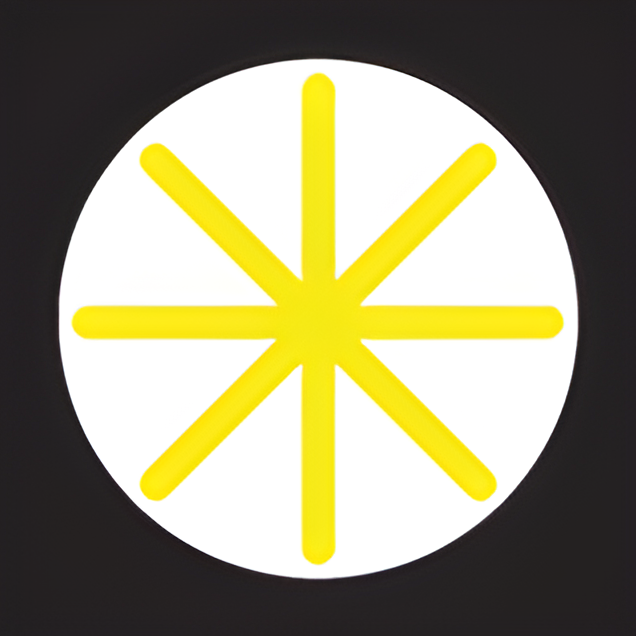 A flashing yellow light:
A
warns drivers to proceed with caution.
B
is used at dangerous intersections.
C
All of the above.
Safe navigation at intersections requires following all established rules: warns drivers to proceed with caution; is used at dangerous intersections. Always yield right-of-way properly to prevent collisions.
Question 7:
BAC is expressed in:
A
percentage of alcohol to blood.
B
percentage of blood to alcohol.
C
ounces of alcohol in your blood.
Under state DUI and traffic safety laws: percentage of alcohol to blood. Alcohol degrades judgment, slows reaction times, and distorts depth perception.
Question 8:
The first thing affected after drinking alcohol is:
A
balance.
B
judgment.
C
speech.
Under state DUI and traffic safety laws: judgment. Alcohol degrades judgment, slows reaction times, and distorts depth perception.
Question 9:
If your gas pedal is stuck, you should:
A
hook your shoe under the pedal and see if you can free it. If not, shift into neutral and use the brake to slow your vehicle and get off the road.
B
ease your foot off the gas pedal and brake gently.
C
turn off the ignition if your vehicle has power steering.
The correct driving rule is: hook your shoe under the pedal and see if you can free it. If not, shift into neutral and use the brake to slow your vehicle and get off the road. Following standard DMV road rules and practicing defensive driving ensures safety for all road users.
Question 10:
Drivers may cross a double yellow line to pass another vehicle if:
A
the yellow line next to the other side of the road is broken.
B
the vehicle ahead moves to the right to let them pass.
C
the yellow line next to their side of the road is broken.
The correct driving rule is: the yellow line next to their side of the road is broken. Following standard DMV road rules and practicing defensive driving ensures safety for all road users.
Question 11:
What should you do if a vehicle is approaching head-on in your lane?
A
Pull over to the left and use your emergency lights to stop the other driver.
B
Decrease speed, pull over to the right and sound your horn to warn the other driver.
C
Turn off the ignition if your vehicle has power steering.
The correct driving rule is: Decrease speed, pull over to the right and sound your horn to warn the other driver. Following standard DMV road rules and practicing defensive driving ensures safety for all road users.
Question 12:
As you enter a roundabout you should slow down and:
A
yield to pedestrians and bicyclist crossing before entering the roundabout.
B
yield to any vehicle coming from your left in the roundabout.
C
All of the above.
Safe navigation at intersections requires following all established rules: yield to pedestrians and bicyclist crossing before entering the roundabout; yield to any vehicle coming from your left in the roundabout. Always yield right-of-way properly to prevent collisions.
Question 13:
Which shape is a railroad advance warning sign?
A
Crossbuck
B
Round
C
Pentagon
Circular signs with an 'X' and 'RR' designate a Railroad Advance Warning: Round. Drivers must slow down, look both ways, listen for trains, and be prepared to stop.
Question 14:
 This road sign means:
A
Railroad Crossing
B
One Way
C
Limited parking
Circular signs with an 'X' and 'RR' designate a Railroad Advance Warning: Railroad Crossing. Drivers must slow down, look both ways, listen for trains, and be prepared to stop.
Question 15:
When dust is blowing across the roadway making it difficult to see other vehicles, you should drive slower and turn on your:
A
headlights.
B
parking lights.
C
emergency flashers.
The correct driving rule is: headlights. Following standard DMV road rules and practicing defensive driving ensures safety for all road users.
Question 16:
At intersections where two or more drivers stop at STOP signs at the same time and they are at right angles:
A
the driver on the left must yield to the driver on the right.
B
the driver who is late for work has the right-of-way.
C
the driver on the right must yield to the driver on the left.
The correct driving rule is: the driver on the left must yield to the driver on the right. Following standard DMV road rules and practicing defensive driving ensures safety for all road users.
Question 17:
If the vehicle is equipped with air bags, seat belts:
A
should not be worn.
B
should still be worn.
C
are optional.
The correct driving rule is: should still be worn. Following standard DMV road rules and practicing defensive driving ensures safety for all road users.
Question 18:
 Vertical rectangles tell drivers:
A
the law.
B
what is not allowed.
C
the direction they should travel.
The correct driving rule is: the law. Following standard DMV road rules and practicing defensive driving ensures safety for all road users.
Question 19:
 This is the shape and color of a ________ sign.
A
yield
B
stop
C
do not enter
The correct driving rule is: yield. Following standard DMV road rules and practicing defensive driving ensures safety for all road users.
Question 20:
When a school bus is picking up or dropping off children, you must:
A
slow down and pass the bus with caution.
B
stop if you are driving in the same direction.
C
stop regardless of your direction of travel.
When a school bus displays flashing red lights and extended stop sign: stop regardless of your direction of travel. Traffic in both directions must come to a full stop on undivided roads until children are clear.
Question 21:
What can you do to prevent skids on snow and ice?
A
Allow the wheels to keep turning.
B
Brake early and gently.
C
All of the above.
Hazardous road and weather conditions require extra caution: Allow the wheels to keep turning; Brake early and gently. Reducing speed and expanding following distance preserves control.
Question 22:
You can reduce the chance of a collision with a large vehicle if you:
A
delay near it.
B
cut abruptly in front of it.
C
pay close attention to the turn signals.
The correct driving rule is: pay close attention to the turn signals. Following standard DMV road rules and practicing defensive driving ensures safety for all road users.
Question 23:
 This sign means:
A
Narrow bridge ahead. Slow down and drive with caution.
B
Do not to enter if your vehicle is taller than the height listed on the sign.
C
No passing zone ahead.
This traffic sign indicates: Do not to enter if your vehicle is taller than the height listed on the sign. Observing and obeying all roadway signs ensures safe traffic flow and legal driving.
Question 24:
As your speed increases it is most important to:
A
drive with both hands on steering wheel.
B
maintain a constant speed.
C
look farther ahead.
For safe speed and stopping control: look farther ahead. Adjusting speed to match visibility and road traction prevents loss of steering grip.
Question 25:
When you approach an intersection with a flashing yellow light, you must:
A
come to a complete stop, then proceed.
B
slow and proceed with caution.
C
maintain your normal speed.
According to standard right-of-way regulations: slow and proceed with caution. Yielding appropriately prevents intersection collisions and maintains safe traffic flow.