Question 1:
 The octagonal shape is used:
A
for stop signs and railroad advance warning signs.
B
exclusively for stop signs.
C
to warn drivers of existing or possible hazards on roadways.
An octagonal Stop sign requires a full and complete stop before the stop line or crosswalk: exclusively for stop signs. Proceed only after yielding to all cross traffic and pedestrians.
Question 2:
 This regulatory road sign indicates that:
A
Vehicles must slow down and stay in the right lane.
B
The right hand lane is reserved for buses and car-pool vehicles.
C
Slower vehicles traveling on multiple lane highways must stay in the right hand lane.
This traffic sign indicates: Slower vehicles traveling on multiple lane highways must stay in the right hand lane. Observing and obeying all roadway signs ensures safe traffic flow and legal driving.
Question 3:
When driving in work zones you should:
A
gradually come to a complete stop and wait for a flagger to guide traffic safely through the work zone.
B
tailgate the vehicle ahead.
C
carefully watch for workers and moving equipment.
The correct driving rule is: carefully watch for workers and moving equipment. Following standard DMV road rules and practicing defensive driving ensures safety for all road users.
Question 4:
What is the only effective method to reduce your BAC?
A
Eating before or while you drink.
B
Not drinking over a period of time.
C
Drinking coffee.
Under state DUI and traffic safety laws: Not drinking over a period of time. Alcohol degrades judgment, slows reaction times, and distorts depth perception.
Question 5:
Any use of a cell phone while operating a motor vehicle is considered a distraction because:
A
it occupies the driver's mind, hands and eyes.
B
it draws the attention of other drivers.
C
it causes the driver to be concerned about the latest news.
The correct driving rule is: it occupies the driver's mind, hands and eyes. Following standard DMV road rules and practicing defensive driving ensures safety for all road users.
Question 6:
In rainy weather, drivers should be most careful when turning or stopping:
A
when it's been raining all day.
B
after it has been raining for at least two hours.
C
during the first half hour of rain.
The correct driving rule is: during the first half hour of rain. Following standard DMV road rules and practicing defensive driving ensures safety for all road users.
Question 7:
Having a drivers license is:
A
a requirement.
B
a privilege.
C
a constitutional right.
The correct driving rule is: a privilege. Following standard DMV road rules and practicing defensive driving ensures safety for all road users.
Question 8:
 When you see this sign you should:
A
turn right.
B
merge left.
C
watch for traffic to the right.
This traffic sign indicates: watch for traffic to the right. Observing and obeying all roadway signs ensures safe traffic flow and legal driving.
Question 9:
To prevent a fatigue-related crash while driving:
A
find a safe parking area to take a 15 to 20 minute nap.
B
drive at night when there are not as many vehicles on the roadway.
C
continue driving so you will reach your destination sooner.
Under state DUI and traffic safety laws: find a safe parking area to take a 15 to 20 minute nap. Alcohol degrades judgment, slows reaction times, and distorts depth perception.
Question 10:
A broken yellow line on your side of the roadway only means:
A
Passing is permitted on both sides.
B
Passing is permitted on your side of the roadway.
C
Passing is not permitted on either side.
The correct driving rule is: Passing is permitted on your side of the roadway. Following standard DMV road rules and practicing defensive driving ensures safety for all road users.
Question 11:
To avoid becoming an aggressive driver, you should:
A
Adjust your schedule to drive during times with the most highway traffic.
B
Allow enough travel time to reach your destination on schedule.
C
Listen to heavy metal music.
The correct driving rule is: allow enough travel time to reach your destination on schedule. Following standard DMV road rules and practicing defensive driving ensures safety for all road users.
Question 12:
What happens if two vehicles reach at the same time an intersection with four-way stop signs?
A
The driver on the right yields to the driver on the left.
B
The driver on the left yields to the driver on the right.
C
The first vehicle to reach the intersection must yield.
At an uncontrolled intersection or 4-way stop where vehicles arrive at the same time: The driver on the left yields to the driver on the right. The driver on the left must always yield to the driver on the right.
Question 13:
Roads with double solid yellow lines in the center indicate that passing is:
A
not allowed in either direction.
B
allowed only in your direction of travel.
C
allowed in both directions.
Defensive driving guidelines state that: not allowed in either direction. Anticipating road hazards and communicating maneuvers keeps traffic predictable and safe.
Question 14:
Before you change lanes, you should:
A
look for other traffic by turning your head and looking behind you for oncoming traffic.
B
check your left mirror.
C
keep other vehicles out of your blind spots.
The correct driving rule is: look for other traffic by turning your head and looking behind you for oncoming traffic. Following standard DMV road rules and practicing defensive driving ensures safety for all road users.
Question 15:
A vehicle is stopped at a crosswalk to permit a pedestrian to cross the roadway. The driver of the vehicle approaching from the rear should:
A
sound the horn.
B
overtake and pass the stopped vehicle.
C
not overtake and pass the stopped vehicle.
Drivers must always yield the right-of-way to pedestrians crossing at intersections and crosswalks: not overtake and pass the stopped vehicle. Stop and allow them to clear the lane safely.
Question 16:
Two drivers reach an uncontrolled intersection at the same time. Who has the right of way?
A
The driver on the left.
B
No one.
C
The driver on the right.
At an uncontrolled intersection or 4-way stop where vehicles arrive at the same time: The driver on the right. The driver on the left must always yield to the driver on the right.
Question 17:
When following another vehicle at night, drivers should use:
A
low beam headlights.
B
emergency flashers.
C
high beam headlights.
The correct driving rule is: low beam headlights. Following standard DMV road rules and practicing defensive driving ensures safety for all road users.
Question 18:
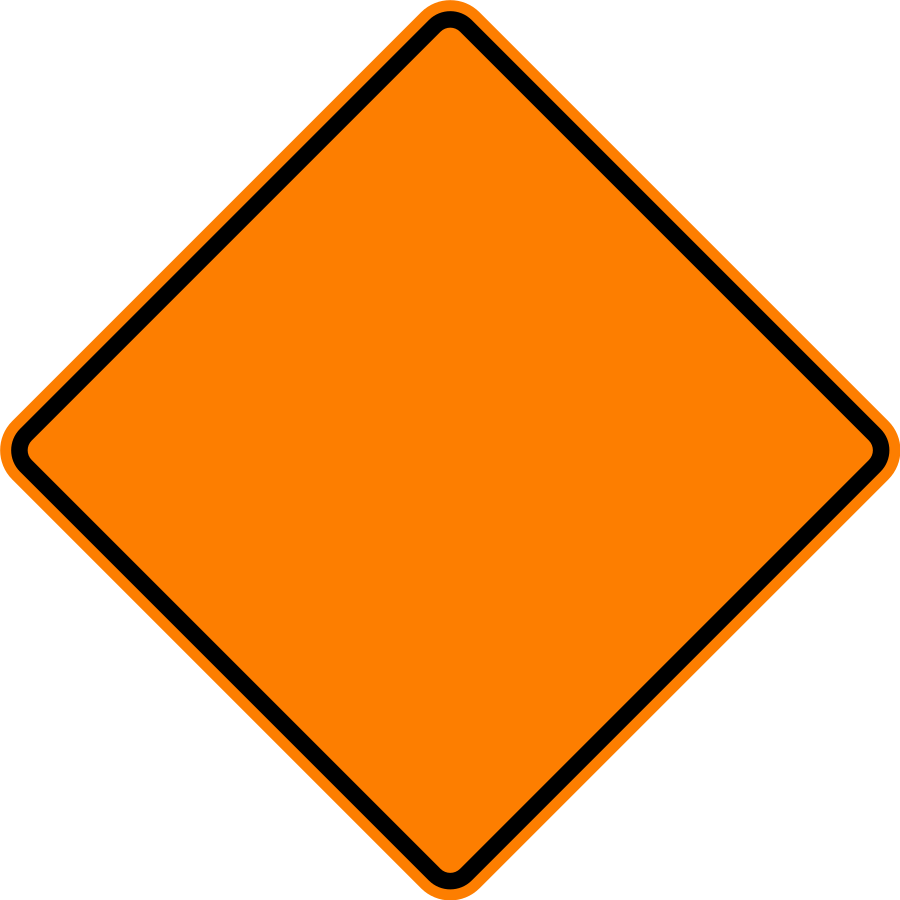 Signs with orange backgrounds mean:
A
railroad crossing.
B
side road ahead.
C
road construction site.
The correct driving rule is: road construction site. Following standard DMV road rules and practicing defensive driving ensures safety for all road users.
Question 19:
What should you do when an aggressive driver confronts you?
A
Avoid eye contact with the aggressive driver.
B
Make eye contact.
C
Challenge the aggressive driver with increased speed.
The correct driving rule is: avoid eye contact with the aggressive driver. Following standard DMV road rules and practicing defensive driving ensures safety for all road users.
Question 20:
Alcohol:
A
makes you less aware of what is happening to your driving abilities.
B
makes it easier to make correct decisions.
C
improves your reaction time.
Under state DUI and traffic safety laws: makes you less aware of what is happening to your driving abilities. Alcohol degrades judgment, slows reaction times, and distorts depth perception.
Question 21:
 This road sign means:
A
Merge
B
Side Road
C
Merging Traffic
D
All traffic must go straight ahead
This traffic sign indicates: Side Road. Observing and obeying all roadway signs ensures safe traffic flow and legal driving.
Question 22:
A flashing red light at an intersection means:
A
Stop and yield the right of way.
B
You have the right-of-way.
C
Stop and wait for the green light
When an emergency vehicle approaches with flashing lights or sirens, you must safely pull over to the right curb and stop completely until it passes.
Question 23:
Which statement about drinking alcohol and driving is true?
A
Alcohol affects judgement and coordination, which are needed to drive safely.
B
After drinking, a cold shower will sober you up.
C
If you are under the legal BAC limit, your driving is not affected.
Under state DUI and traffic safety laws: Alcohol affects judgement and coordination, which are needed to drive safely. Alcohol degrades judgment, slows reaction times, and distorts depth perception.
Question 24:
If the vehicle you are driving starts to skid, you should:
A
brake lightly.
B
turn off the ignition.
C
stay off the brakes.
The correct driving rule is: stay off the brakes. Following standard DMV road rules and practicing defensive driving ensures safety for all road users.
Question 25:
 What does a flashing yellow light mean?
A
The same thing as a stop sign.
B
Drivers may move forward with caution.
C
All of the above.
According to standard right-of-way regulations: drivers may move forward with caution. Yielding appropriately prevents intersection collisions and maintains safe traffic flow.