Question 1:
Select the most effective safety restraint(s) in a traffic crash.
A
Lap and shoulder belt only
B
Air bag only
C
Pumping brakes.
D
A combination of lap/shoulder belt and air bag.
The correct driving rule is: A combination of lap/shoulder belt and air bag. Following standard DMV road rules and practicing defensive driving ensures safety for all road users.
Question 2:
An octagonal sign means that drivers must:
A
respect the posted speed limit.
B
come to a complete stop at the marked stop line.
C
be aware possible hazards ahead.
An octagonal Stop sign requires a full and complete stop before the stop line or crosswalk: come to a complete stop at the marked stop line. Proceed only after yielding to all cross traffic and pedestrians.
Question 3:
 This sign warns drivers of:
A
a reduction of lanes.
B
a dip in the road. Drivers should be ready to stop if the dip is filled with water.
C
a bridge ahead, wide enough to accommodate two lanes of traffic, but with very little clearance.
This traffic sign indicates: a bridge ahead, wide enough to accommodate two lanes of traffic, but with very little clearance. Observing and obeying all roadway signs ensures safe traffic flow and legal driving.
Question 4:
If you remain in the back blind spot of a large vehicle:
A
you increase the chance of a crash.
B
the large vehicle will take much longer to stop.
C
you can reduce fuel consumption.
Large commercial trucks have extensive blind spots on all four sides called the 'No-Zone': you increase the chance of a crash. If you cannot see the truck driver in their side mirrors, they cannot see you.
Question 5:
You have been involved in a minor traffic collision with a parked vehicle and you can't find the owner. You must:
A
stay until the police arrive.
B
leave a note on the vehicle and report the accident with no delay.
C
wait for the owner to return.
D
call your insurance company within 14 days.
The correct driving rule is: leave a note on the vehicle and report the accident with no delay. Following standard DMV road rules and practicing defensive driving ensures safety for all road users.
Question 6:
Which sign has white letters on a red background?
A
Stop
B
School zone
C
Yield
The correct driving rule is: stop. Following standard DMV road rules and practicing defensive driving ensures safety for all road users.
Question 7:
If cars approaching from opposite directions reach an intersection at the same time:
A
a car that moves straight must yield to cars that turn left.
B
a car that turns left must yield to cars that move straight or turn right.
C
a car that turns right must yield to cars that move straight or turn left.
According to standard right-of-way regulations: a car that turns left must yield to cars that move straight or turn right. Yielding appropriately prevents intersection collisions and maintains safe traffic flow.
Question 8:
 This is the shape and color of a ________ sign.
A
yield
B
stop
C
do not enter
The correct driving rule is: yield. Following standard DMV road rules and practicing defensive driving ensures safety for all road users.
Question 9:
___________ are the most frequent fatality in work zone crashes.
A
Motorcyclists
B
Construction workers
C
Drivers and their passengers
D
Bicyclists
The correct driving rule is: drivers and their passengers. Following standard DMV road rules and practicing defensive driving ensures safety for all road users.
Question 10:
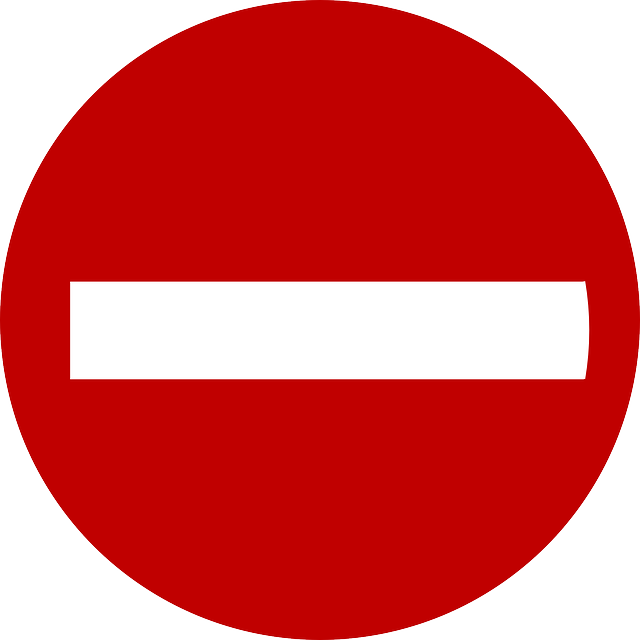 This road sign means:
A
No left turn
B
Lane ends
C
Do not enter
This traffic sign indicates: Do not enter. Observing and obeying all roadway signs ensures safe traffic flow and legal driving.
Question 11:
Examples of proper glass maintenance include:
A
Replacing worn wiper blades.
B
Keeping your windows clean and clear.
C
All of the above.
All of the listed points are essential driving requirements: Replacing worn wiper blades; Keeping your windows clean and clear. Practicing each ensures compliance with DMV safety laws.
Question 12:
 This sign means:
A
Railroad crossing
B
No Passing Zone
C
The road ends ahead
Circular signs with an 'X' and 'RR' designate a Railroad Advance Warning: Railroad crossing. Drivers must slow down, look both ways, listen for trains, and be prepared to stop.
Question 13:
Statistics show that alcohol is:
A
involved in almost half of all traffic deaths.
B
involved in 85% of traffic crashes.
C
the cause of all traffic crashes.
D
rarely involved in any traffic crashes.
Under state DUI and traffic safety laws: involved in almost half of all traffic deaths. Alcohol degrades judgment, slows reaction times, and distorts depth perception.
Question 14:
If your vehicle is not equipped with ABS, pumping your brakes when you want to slow down:
A
prevents skids.
B
increases fuel efficiency.
C
stops you faster.
D
reduces tire consumption.
The correct driving rule is: prevents skids. Following standard DMV road rules and practicing defensive driving ensures safety for all road users.
Question 15:
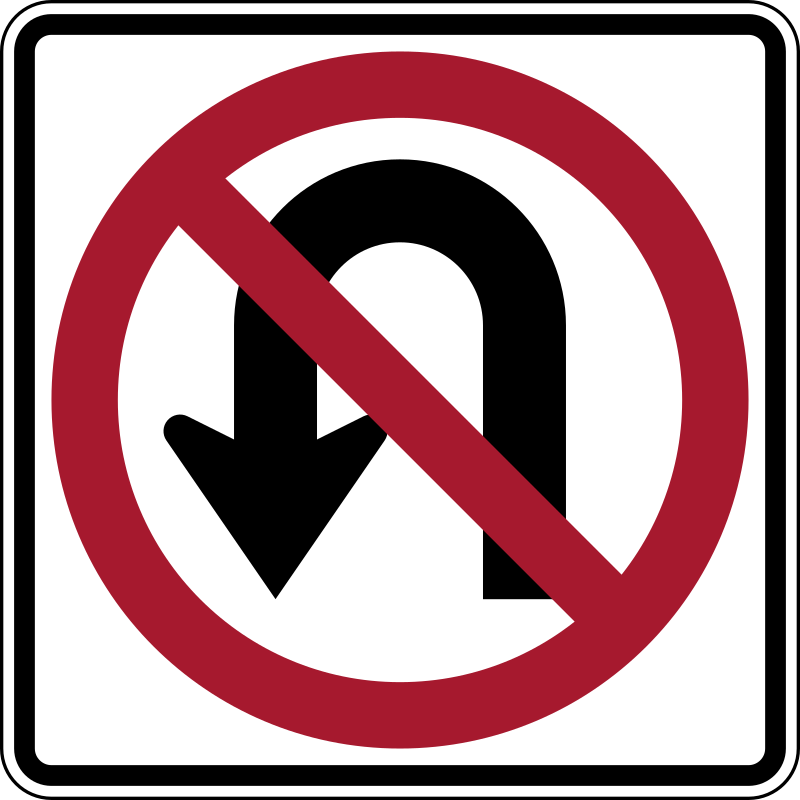 This road sign means:
A
Left turns are not allowed where this sign is displayed.
B
Drivers cannot make a complete turn to go in the opposite direction.
C
Vehicles turning left must make a U-turn.
This traffic sign indicates: drivers cannot make a complete turn to go in the opposite direction. Observing and obeying all roadway signs ensures safe traffic flow and legal driving.
Question 16:
When you are involved in an accident, you should:
A
call the police.
B
help the injured.
C
stop immediately.
D
All of the above.
All of the listed points are essential driving requirements: call the police; help the injured; stop immediately. Practicing each ensures compliance with DMV safety laws.
Question 17:
 This sign warns drivers that:
A
there is a one lane bridge ahead.
B
the right lane ends.
C
the road ahead is narrow.
This traffic sign indicates: the right lane ends. Observing and obeying all roadway signs ensures safe traffic flow and legal driving.
Question 18:
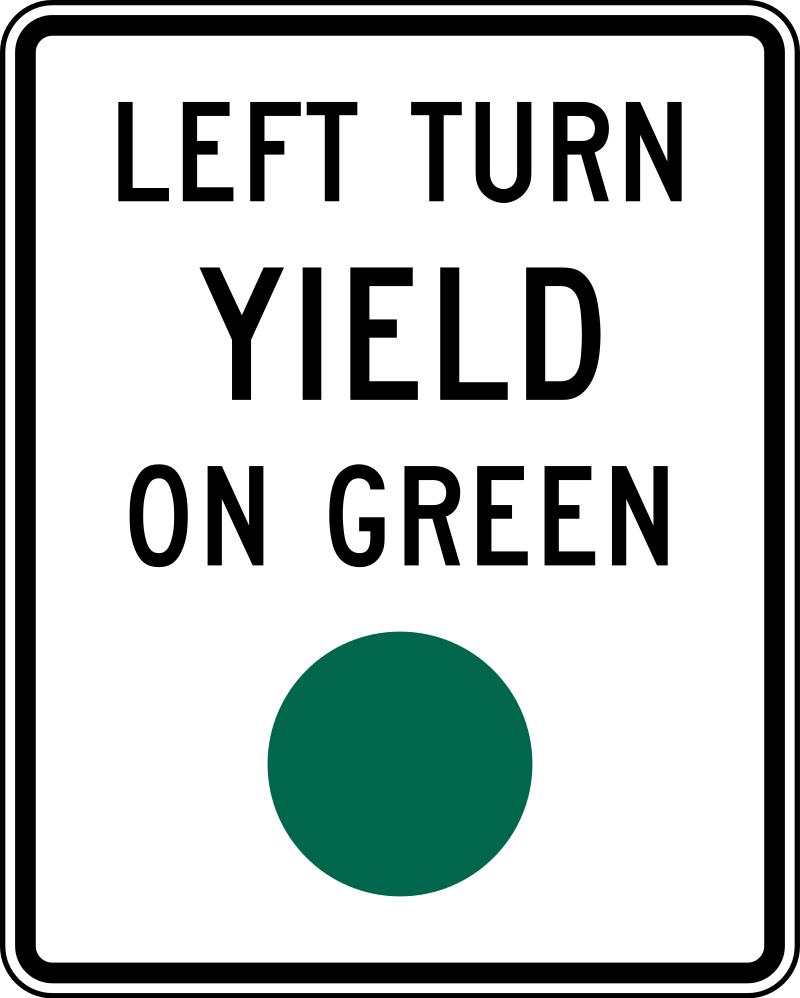 This white sign means you:
A
may turn left on a green light when it is safe to do so.
B
may turn left only on a green arrow.
C
must wait for the solid green light before you turn left.
This traffic sign indicates: may turn left on a green light when it is safe to do so. Observing and obeying all roadway signs ensures safe traffic flow and legal driving.
Question 19:
When two vehicles approach an open intersection with no traffic control devices at the same time:
A
the vehicle on the right must yield to the vehicle on the left.
B
the vehicle on the left must yield to the vehicle on the right.
C
both vehicles must stop and wait for instructions.
D
None of the above.
According to standard right-of-way regulations: the vehicle on the left must yield to the vehicle on the right. Yielding appropriately prevents intersection collisions and maintains safe traffic flow.
Question 20:
Drivers must yield to pedestrians:
A
only if the pedestrian is in a crosswalk.
B
if the pedestrian signals to the driver that the driver must stop.
C
only if the pedestrian is on the same side of the road.
D
even when the pedestrian crosses the street without looking both ways.
The correct driving rule is: even when the pedestrian crosses the street without looking both ways. Following standard DMV road rules and practicing defensive driving ensures safety for all road users.