Question 1:
An octagonal sign means that drivers must:
A
respect the posted speed limit.
B
come to a complete stop at the marked stop line.
C
be aware possible hazards ahead.
No explanation available.
Question 2:
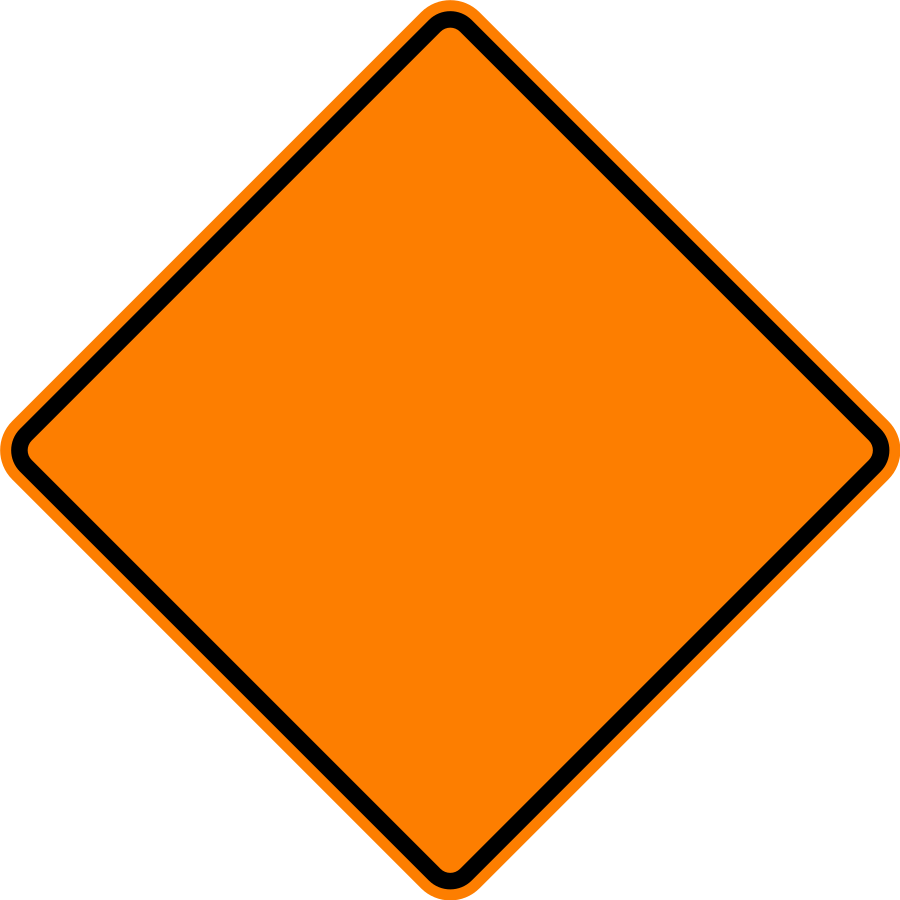 Signs with orange backgrounds mean:
A
railroad crossing.
B
side road ahead.
C
road construction site.
No explanation available.
Question 3:
 This sign warns that:
A
traffic must merge left.
B
the bridge ahead is wide enough for only one vehicle at a time.
C
traffic must merge right.
No explanation available.
Question 4:
If your vehicle has a mechanical problem, you should:
A
signal and pull into the slow lane.
B
stop in your lane and put on your emergency flashers.
C
turn on your hazard lights and pull off the road.
No explanation available.
Question 5:
To reduce road rage, you should:
A
always signal your intention when changing lanes.
B
use your horn frequently to warn other drivers.
C
talk on your cell phone while driving.
No explanation available.
Question 6:
At intersections with a yield sign, you must:
A
yield to the vehicles on your left only.
B
yield the right-of-way to cross traffic close enough to cause conflict.
C
slow down and proceed.
No explanation available.
Question 7:
 This road sign means:
A
School zone ahead
B
Keep right
C
Two-way Traffic
No explanation available.
Question 8:
 This road sign means:
A
Wrong Way
B
Merging Traffic
C
Curve ahead
No explanation available.
Question 9:
Drivers should change lanes:
A
often.
B
as quickly as possible.
C
gradually and carefully.
No explanation available.
Question 10:
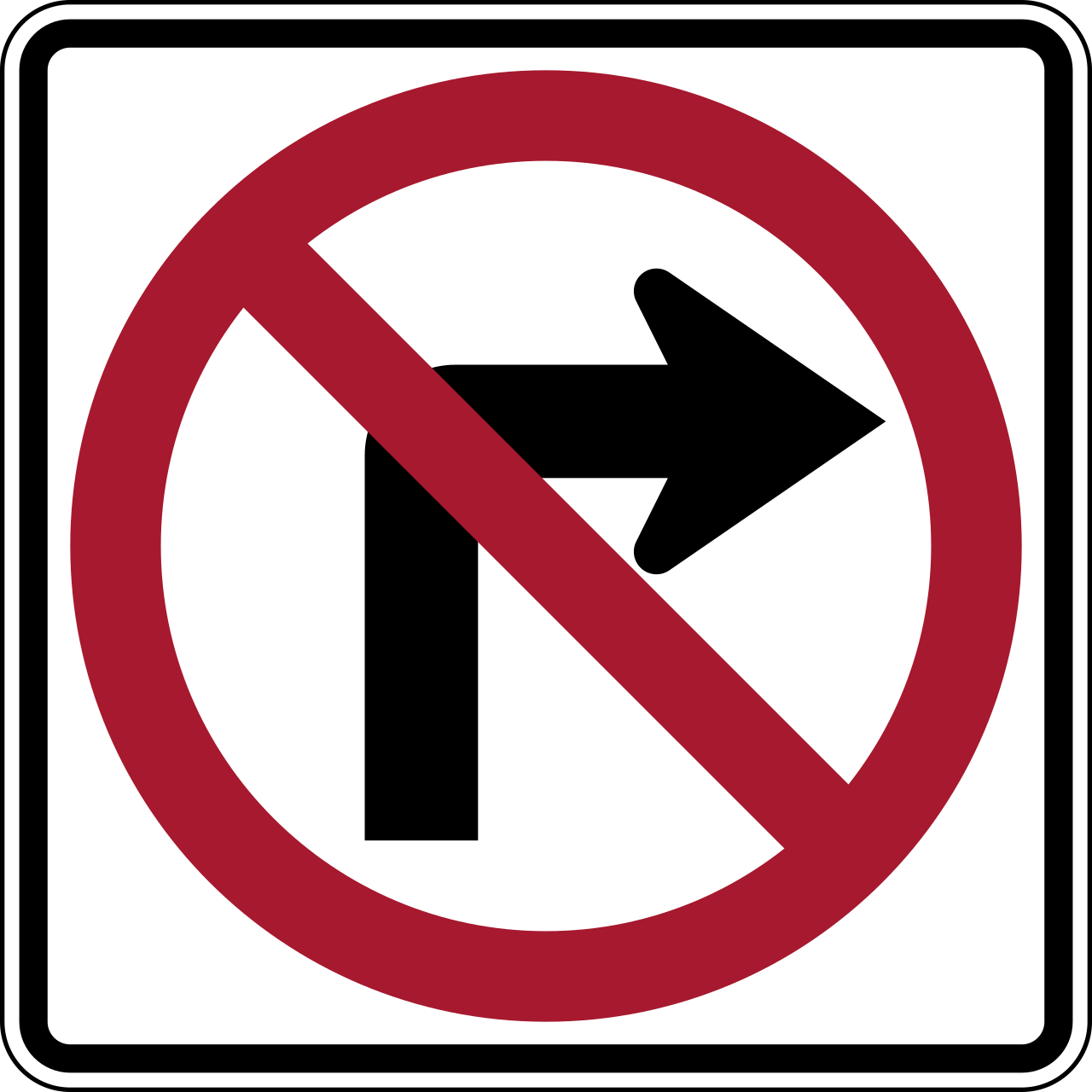 This road sign means:
A
No left turn
B
No right turn
C
No U-turns
No explanation available.
Question 11:
When approaching a construction site, drivers should:
A
accelerate to get out of the way quickly.
B
slow down and adjust their driving manner.
C
honk their horn to alert construction workers of their presence.
No explanation available.
Question 12:
If your front wheels start to skid, the first thing you should do is:
A
Take your foot off the gas pedal and shift to neutral.
B
Immediately turn in the direction you want to go.
C
Speed up, pump your brakes and steer in the direction the vehicle is trying to go.
No explanation available.
Question 13:
Regulatory signs are:
A
Suggestions
B
Warnings
C
Law
No explanation available.
Question 14:
 This sign warns drivers of:
A
low clearance.
B
a narrow bridge ahead.
C
a low place in the road.
No explanation available.
Question 15:
What is the first thing you should do if your wheels move off the pavement?
A
Pull the steering wheel back.
B
Pull over to the right and sound your horn to warn the other drivers.
C
Ease your foot off the gas pedal and brake gently.
No explanation available.
Question 16:
When entering an expressway from the entrance ramp, you should:
A
go down to the bottom of the ramp and stop until it is safe to enter the expressway.
B
cross over to the traffic lane as soon as possible.
C
use the acceleration lane to blend into the traffic.
No explanation available.
Question 17:
If the vehicle you are driving starts to skid, you should:
A
brake lightly.
B
turn off the ignition.
C
stay off the brakes.
No explanation available.
Question 18:
Drivers should check their rearview mirrors:
A
often to see how traffic is moving behind them.
B
only when slowing down.
C
to see if a truck is in their blind spot.
No explanation available.
Question 19:
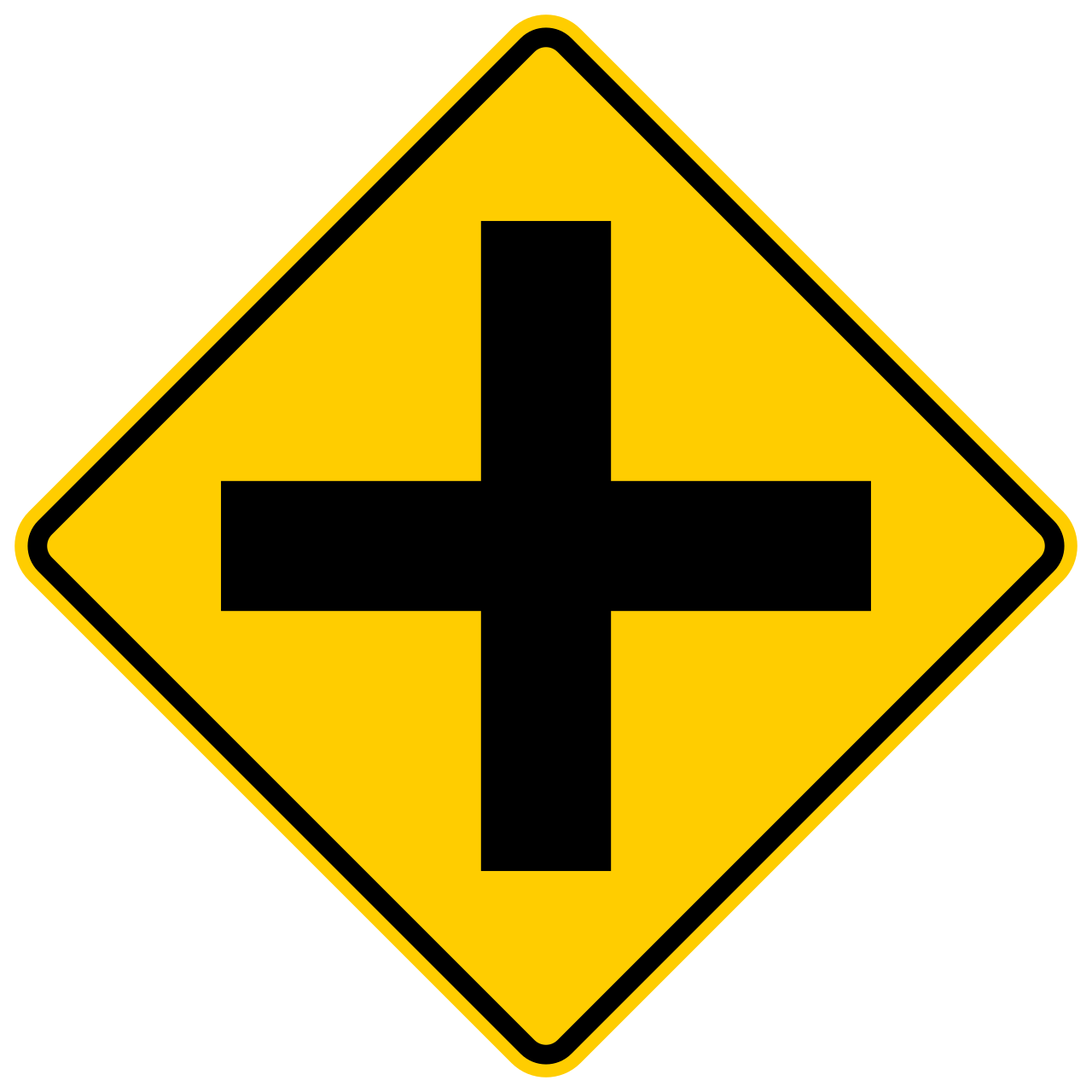 This sign indicates:
A
a side road.
B
a cross road.
C
a church zone ahead.
No explanation available.
Question 20:
Just like alcohol and other drugs, drowsiness can:
A
help you to be a better driver.
B
make you feel better.
C
impair your judgment.
No explanation available.
Question 21:
When driving at night with no other vehicles ahead, a driver should use:
A
high beam lights.
B
low-beam lights.
C
parking lights.
No explanation available.
Question 22:
Motorcycles:
A
must share a traffic lane with another vehicle.
B
are easier to see than cars.
C
are entitled to use a complete traffic lane.
No explanation available.
Question 23:
To avoid traction loss from hydroplaning, drivers should:
A
keep a constant speed.
B
apply the brakes as soon as the car starts to skid.
C
slow down.
No explanation available.
Question 24:
If a vehicle suddenly cuts in front of you creating a hazard, which of these actions should you take first?
A
Sound your horn and step on the brake firmly.
B
Swerve into the lane next to you.
C
Take your foot off the gas pedal.
No explanation available.
Question 25:
Green and white signs:
A
give information about directions and distances.
B
are mainly used at intersections and driveways.
C
warn drivers of unexpected road conditions.
No explanation available.
Question 26:
Gauging the speed of a motorcycle may be difficult because:
A
motorcycles take up less of your field of vision.
B
motorcycles often slow down by downshifting.
C
many motorcyclists do not activate the brake light.
No explanation available.
Question 27:
Drivers may legally block an intersection:
A
under no circumstances.
B
only during rush hour traffic.
C
only after entering the intersection on a green light.
No explanation available.
Question 28:
The amount of alcohol in the blood is measured by:
A
blood alcohol concentration (BAC).
B
Number of Drinks (NOC).
C
Amount of Alcohol Drunk (AAD).
No explanation available.
Question 29:
To see vehicles in your blind spots, you must look:
A
in your outside rearview mirror.
B
over your shoulders.
C
in your side mirrors.
No explanation available.
Question 30:
When driving in a construction zone you should:
A
slightly increase your speed.
B
come to a complete stop and check road conditions.
C
expect the unexpected.
No explanation available.
Question 31:
When passing another car, you have enough room to return to the driving lane when:
A
you cannot see the vehicle directly to your right.
B
you are at least 50 feet in front of the vehicle.
C
you can see both headlights of the car you passed in your rearview mirror.
No explanation available.
Question 32:
__________ are blue with white letters and symbols.
A
Warning signs
B
Service signs
C
Destination signs (guide signs)
No explanation available.
Question 33:
A red traffic sign means?
A
Do not enter.
B
Stop.
C
All of the above.
No explanation available.
Question 34:
 This road sign is:
A
a speed reduction sign.
B
a warning sign.
C
a regulatory sign.
No explanation available.
Question 35:
From top to bottom, traffic lights are:
A
green, red and yellow.
B
green, yellow and red.
C
red, yellow and green.
No explanation available.
Question 36:
 This road sign means:
A
Yield
B
Look both ways before crossing the intersection
C
Crossroads ahead
No explanation available.
Question 37:
 This sign means:
A
U-turns are not allowed.
B
Parking is not allowed.
C
No parking on pavement.
No explanation available.
Question 38:
You want to turn left at an intersection ahead. A car reaches the intersection from the opposite direction and moves straight ahead. You:
A
can turn left. You have the right of way.
B
must wait for the car to go through before you turn.
C
may not enter the intersection to prepare for your left turn if the light is green.
No explanation available.
Question 39:
The only effective way to reduce your blood alcohol content (BAC) is:
A
drinking coffee.
B
fresh air.
C
not to drink over a period of time.
No explanation available.
Question 40:
When approaching someone using a white cane or guide dog, drivers should:
A
slow down and be prepared to stop.
B
proceed normally.
C
come to a complete stop and invite them to take the right-of-way.
No explanation available.