Question 1:
When parking uphill on a road with a curb, turn the front wheels:
A
towards the curb.
B
parallel to the curb.
C
straight ahead.
D
away from the curb.
No explanation available.
Question 2:
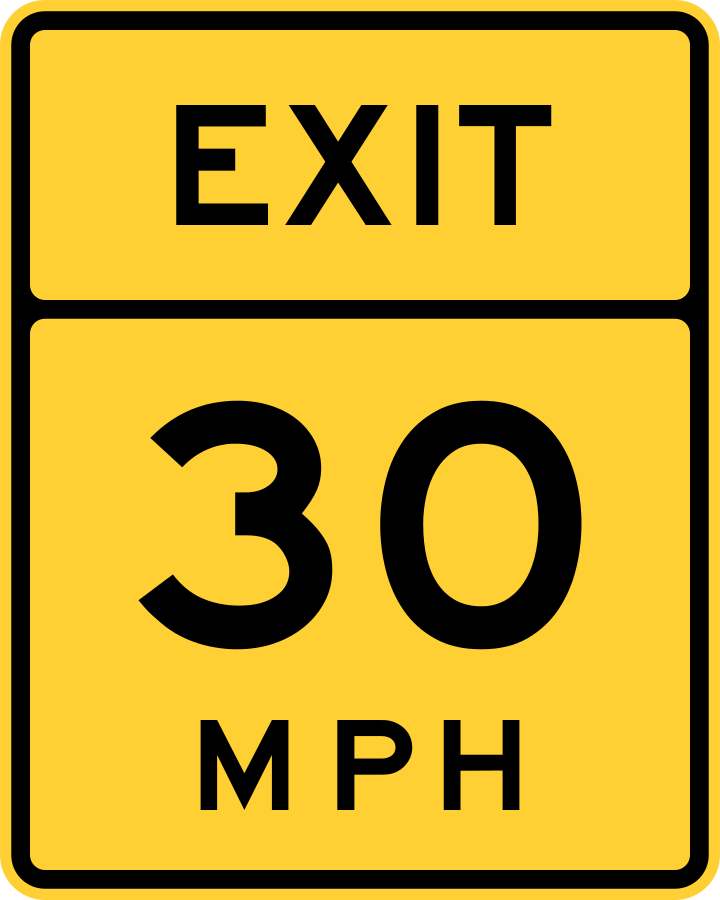 The sign in the picture:
A
shows the highest speed drivers can travel at the exit of the intersection.
B
is used to advise motorists of the appropriate ramp speed at the highway exit point.
C
indicates the minimum ramp speed at the highway exit point.
No explanation available.
Question 3:
A flashing yellow traffic signal means:
A
Stop. Yield to all cross traffic before crossing in the intersection
B
Go straight ahead.
C
No left turn.
D
Slow down and proceed with caution.
No explanation available.
Question 4:
Most signs used in street work areas are:
A
round.
B
diamond shaped.
C
rectangle shaped.
No explanation available.
Question 5:
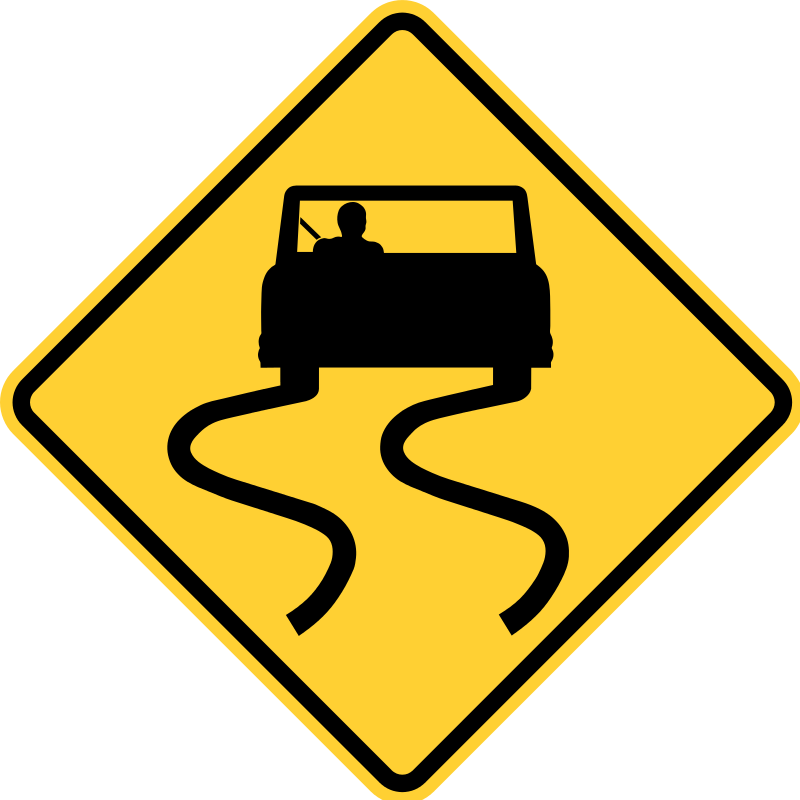 This sign means:
A
The road will curve to the right, then to the left.
B
Road slippery when wet. Drive slowly.
C
Winding road ahead. Drive with caution.
No explanation available.
Question 6:
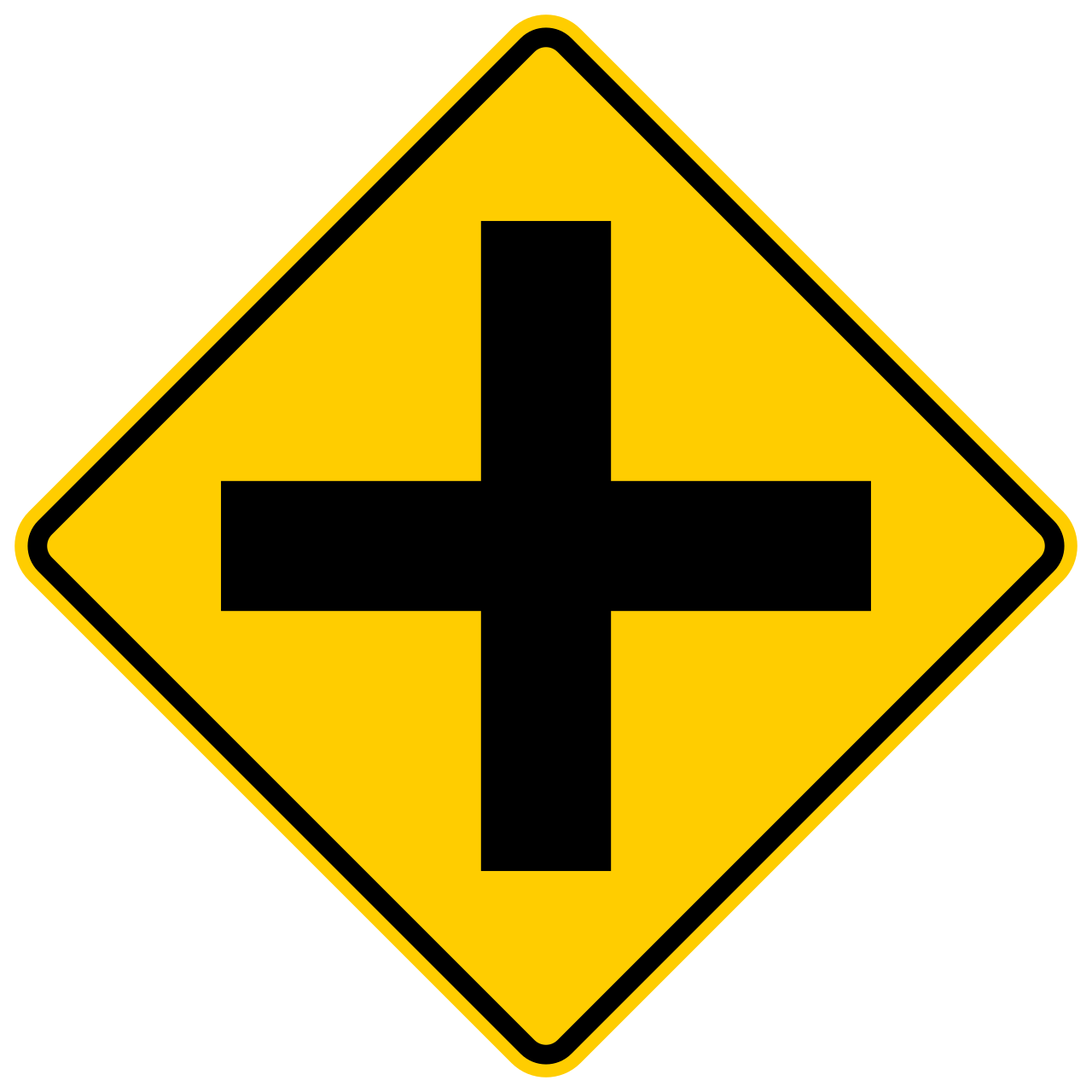 This sign indicates:
A
a side road.
B
a cross road.
C
a church zone ahead.
No explanation available.
Question 7:
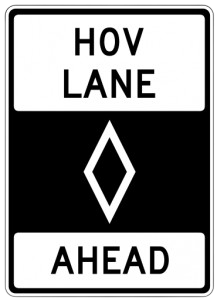 This road sign indicates that:
A
a lane is reserved for certain purposes or certain vehicles.
B
buses and car pools may not travel in the restricted lane.
C
vehicles cannot go straight ahead. Cars must turn either to the right or left.
No explanation available.
Question 8:
Which of the following is NOT true?
A
High speed causes tire wear.
B
Drivers are required to drive at the maximum speed limits.
C
Driving at the same speed for a long time and distance causes monotony and road hypnosis.
D
High speed results in poor gasoline mileage.
No explanation available.
Question 9:
Drivers should always look carefully for motorcycles before changing lanes because:
A
motorcycles are not permitted to share traffic lanes.
B
motorcycles are smaller and harder to see.
C
motorcycles always have the right-of-way at intersections.
D
All of the above.
No explanation available.
Question 10:
If you are driving slowly and traffic is backing up behind you, you should:
A
not let the tailgaters pass you.
B
pull over to the right side of the road when safe, and let traffic pass.
C
flash your brake lights.
D
speed up suddenly.
No explanation available.
Question 11:
From top to bottom, traffic lights are:
A
green, red and yellow.
B
green, yellow and red.
C
red, yellow and green.
No explanation available.
Question 12:
 This sign means:
A
Hairpin corner ahead.
B
Warning: U-turn ahead.
C
Sharp right turn ahead.
No explanation available.
Question 13:
The yield sign is ___ and white, with ___ letters.
A
yellow; black
B
red; red
C
red; white
No explanation available.
Question 14:
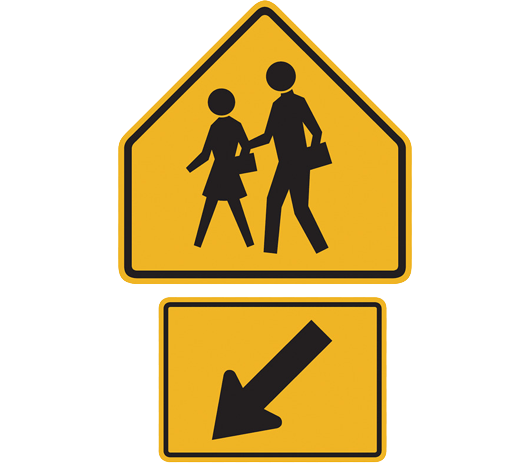 When they approach this sign, drivers must:
A
slow down and watch for children crossing the road.
B
obey signals from crossing guards.
C
stop if necessary.
D
All of the above.
No explanation available.
Question 15:
What is the purpose of minimum speed limits?
A
To keep a smooth traffic flow.
B
To halt the traffic flow.
C
To allow emergency vehicles with red flashing lights to safely pass other vehicles.
No explanation available.
Question 16:
To avoid being struck from behind, you should:
A
drive faster than the flow of traffic to create a gap between you and the vehicle behind you.
B
pump your brakes often.
C
drive slower than the rest of the traffic to create a space cushion around you.
D
keep pace with the traffic.
No explanation available.
Question 17:
Traffic lights are normally ____________ from the top to bottom or left to right.
A
red, green and yellow
B
green, yellow and red
C
red, yellow and green
No explanation available.
Question 18:
When two cars arrive at an intersection with no signs or signals at the same time, which car has the right-of-way?
A
The car that is traveling faster.
B
The car approaching from the right.
C
The car approaching from the left.
D
The car in which the driver sounds the horn.
No explanation available.
Question 19:
The speed limit in school zones is:
A
25 MPH
B
only enforced when kids are leaving school.
C
20 MPH
D
35 MPH
No explanation available.
Question 20:
When the road is slippery, you should:
A
brake suddenly carefully.
B
pump your brakes.
C
press your brakes in slow, steady strokes.
No explanation available.