Question 1:
Broken yellow lines:
A
separate lanes of traffic moving in opposite directions.
B
indicate you are in a no passing zone.
C
separate lanes of traffic moving in the same direction.
No explanation available.
Question 2:
To be able to turn quickly, your hands should be:
A
placed outside of the steering wheel on opposite sides
B
next to each other on the top of the steering wheel.
C
on the steering wheel, so they are at the 6 and 12 o'clock positions.
No explanation available.
Question 3:
When following another vehicle at night, drivers should use:
A
low beam headlights.
B
emergency flashers.
C
high beam headlights.
No explanation available.
Question 4:
The first sign drivers see when approaching a highway-rail intersection is usually:
A
a crossbuck sign.
B
an advance warning sign.
C
a speed limit sign.
No explanation available.
Question 5:
As your speed increases it is most important to:
A
drive with both hands on steering wheel.
B
maintain a constant speed.
C
look farther ahead.
No explanation available.
Question 6:
If a bus needs to make a right turn and you are also turning right:
A
squeeze between the bus and the curb.
B
try to turn right before the bus does.
C
wait until the bus turns before turning right.
No explanation available.
Question 7:
Night driving can be more difficult because:
A
vehicle speed and distance are harder to judge.
B
there are more cars on the roads at night.
C
the speed limit is increased at night.
No explanation available.
Question 8:
What is the meaning of blue traffic signs?
A
A blue background indicates a regulatory sign.
B
They give directional information.
C
Blue indicates road user services.
No explanation available.
Question 9:
Who has a greater risk of being involved in a traffic crash?
A
Drivers who are driving alone.
B
Young people.
C
All of the above.
No explanation available.
Question 10:
When passing another vehicle, you should:
A
assume the other vehicle will maintain a constant speed.
B
check your mirrors and blind spots.
C
drive at the same speed as the vehicle you are passing.
No explanation available.
Question 11:
 This sign means:
A
Not enter
B
Detour to the right
C
The road to the right is for one-way traffic only
No explanation available.
Question 12:
Bicyclists must:
A
ride in a bicycle lane, if available.
B
remain to the right when they prepare for a left turn.
C
remain near the left edge of the road.
No explanation available.
Question 13:
A person walking with a white cane or guide dog is likely to be:
A
a deaf person.
B
a traffic enforcement officer.
C
a blind person.
No explanation available.
Question 14:
When preparing to drive, you should:
A
adjust your seat and mirrors.
B
shift the transmission to neutral.
C
pump the brakes.
No explanation available.
Question 15:
When children are close, what should you do before you back out of a driveway?
A
Rely on your mirrors.
B
Get out of the car and check behind the car.
C
Look through your back window for children.
No explanation available.
Question 16:
At a stop sign there is no stop line, you must stop:
A
before you enter the intersection.
B
before you enter the crosswalk.
C
after you enter the crosswalk.
No explanation available.
Question 17:
___________ normally are white rectangles with black letters or symbols.
A
Warning signs
B
Destination signs (guide signs)
C
Regulation signs (regulatory signs)
No explanation available.
Question 18:
Regulatory signs are:
A
white.
B
yellow.
C
green.
No explanation available.
Question 19:
 This road sign means:
A
Pavement ends
B
Winding road
C
Double curve ahead
No explanation available.
Question 20:
Pentagonal signs are used to indicate:
A
possible hazards on roadways.
B
no passing zones.
C
school crossings.
No explanation available.
Question 21:
You arrive at an intersection where you have a green light, but the path ahead is blocked, you should:
A
turn left and find another route.
B
stay out of the intersection until traffic clears.
C
enter the intersection and wait until traffic clears.
No explanation available.
Question 22:
Which of the following is NOT true about ABS?
A
It improves the vehicle stability.
B
It helps increase your stopping distance.
C
It improves the steering ability.
No explanation available.
Question 23:
 This road sign means:
A
Merging traffic from the right
B
Sharp curves ahead
C
Intersection ahead
No explanation available.
Question 24:
 This is the shape and color of a ________ sign.
A
yield
B
stop
C
do not enter
No explanation available.
Question 25:
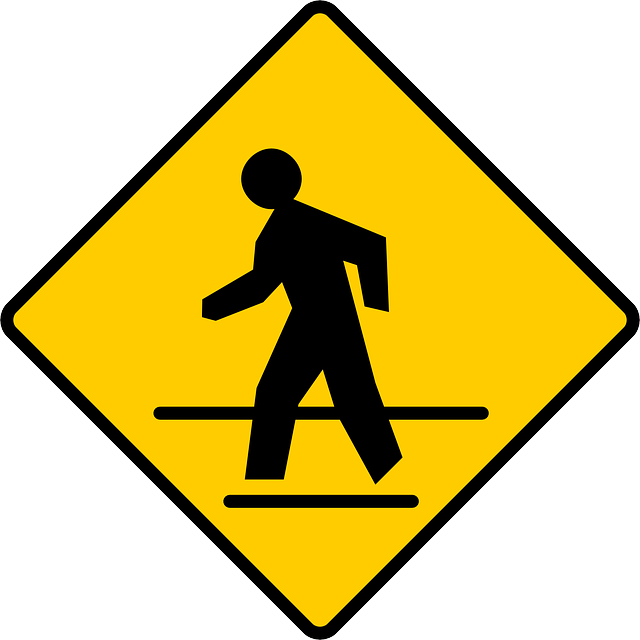 This road sign means:
A
Pedestrian crossing
B
School zone
C
School crossing
No explanation available.
Question 26:
What does BAC stand for?
A
Blood Alcohol Commission
B
Blood Alcohol Concentration
C
Blood Alcohol Content
No explanation available.
Question 27:
Fatigue increases the risk of:
A
falling asleep while driving.
B
hitting a roadblock.
C
missing an exit.
No explanation available.
Question 28:
When approaching a highway-rail intersection, the first sign drivers see is usually:
A
an RXR round sign on a yellow background.
B
a stop sign.
C
a yield sign.
No explanation available.
Question 29:
Are drivers allowed to exceed the speed limit to pass other vehicles?
A
Yes, but only by 10 MPH or less.
B
No.
C
Yes, but only if they drive with caution.
No explanation available.
Question 30:
Reaction time is slower:
A
after drinking alcohol.
B
after sleeping.
C
between 9 and 11 PM.
No explanation available.
Question 31:
When entering a freeway, you should check traffic by:
A
using both the inside and outside mirrors.
B
using the inside mirror.
C
using the side mirror and looking over your shoulder.
No explanation available.
Question 32:
You are entering a roadway from a private road, and you need to turn left. You have to yield to:
A
vehicles from the right.
B
vehicles from the left.
C
vehicles from both directions.
No explanation available.
Question 33:
Alcohol:
A
makes drivers more prone to take chances.
B
increases reaction time.
C
All of the above.
No explanation available.
Question 34:
When dust is blowing across the roadway making it difficult to see other vehicles, you should drive slower and turn on your:
A
headlights.
B
parking lights.
C
emergency flashers.
No explanation available.
Question 35:
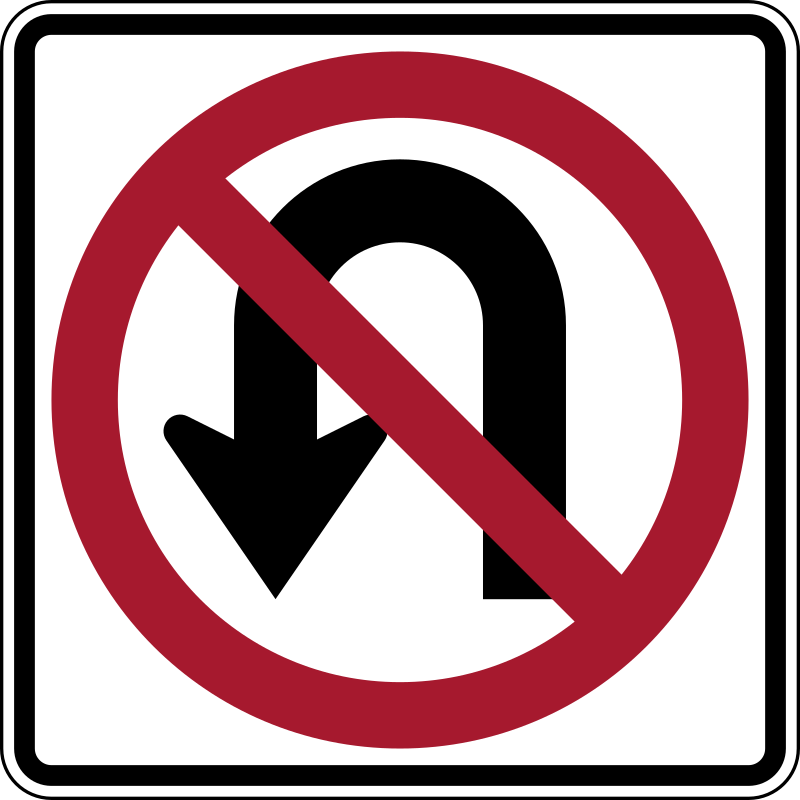 The picture shows a _________ sign.
A
no U-turn
B
no left turn
C
sharp turn
No explanation available.
Question 36:
A good rule of thumb for drivers sharing the road with a truck is:
A
it is better to drive to the immediate right of the cab.
B
always try to stay alongside a truck, but never drive right behind it.
C
if you can’t see the truck driver in their side mirror, they can’t see you.
No explanation available.
Question 37:
A driver cuts off another vehicle, or threatens another motorist or a pedestrian. These are examples of:
A
excessive driving
B
road rage
C
defensive driving
No explanation available.
Question 38:
When you make a left turn from a two-way road into a four-lane highway, you must:
A
enter the left lane, to the right of the center line.
B
enter the right lane, to the left of the center line.
C
go straight through the intersection, and then make the turn.
No explanation available.
Question 39:
When the road is slippery, you should:
A
brake suddenly carefully.
B
pump your brakes.
C
press your brakes in slow, steady strokes.
No explanation available.