Question 1:
When changing lanes:
A
slow down and check your left mirror.
B
look over your shoulder to make sure no one is in the blind spot.
C
change lane before checking the inside rearview mirror.
Answer Explanation
The correct driving rule is: look over your shoulder to make sure no one is in the blind spot. Following standard DMV road rules and practicing defensive driving ensures safety for all road users.
The correct driving rule is: look over your shoulder to make sure no one is in the blind spot. Following standard DMV road rules and practicing defensive driving ensures safety for all road users.
Question 2:
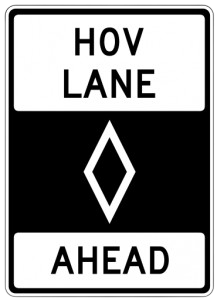 This road sign indicates that:
A
a lane is reserved for certain purposes or certain vehicles.
B
buses and car pools may not travel in the restricted lane.
C
vehicles cannot go straight ahead. Cars must turn either to the right or left.
Answer Explanation
This traffic sign indicates: a lane is reserved for certain purposes or certain vehicles. Observing and obeying all roadway signs ensures safe traffic flow and legal driving.
This traffic sign indicates: a lane is reserved for certain purposes or certain vehicles. Observing and obeying all roadway signs ensures safe traffic flow and legal driving.
Question 3:
Driving under the influence of any medication which impairs your driving ability is permitted:
A
under no circumstances.
B
if it is prescribed by a physician.
C
if you dont feel drowsy.
Answer Explanation
Under state DUI and traffic safety laws: under no circumstances. Alcohol degrades judgment, slows reaction times, and distorts depth perception.
Under state DUI and traffic safety laws: under no circumstances. Alcohol degrades judgment, slows reaction times, and distorts depth perception.
Question 4:
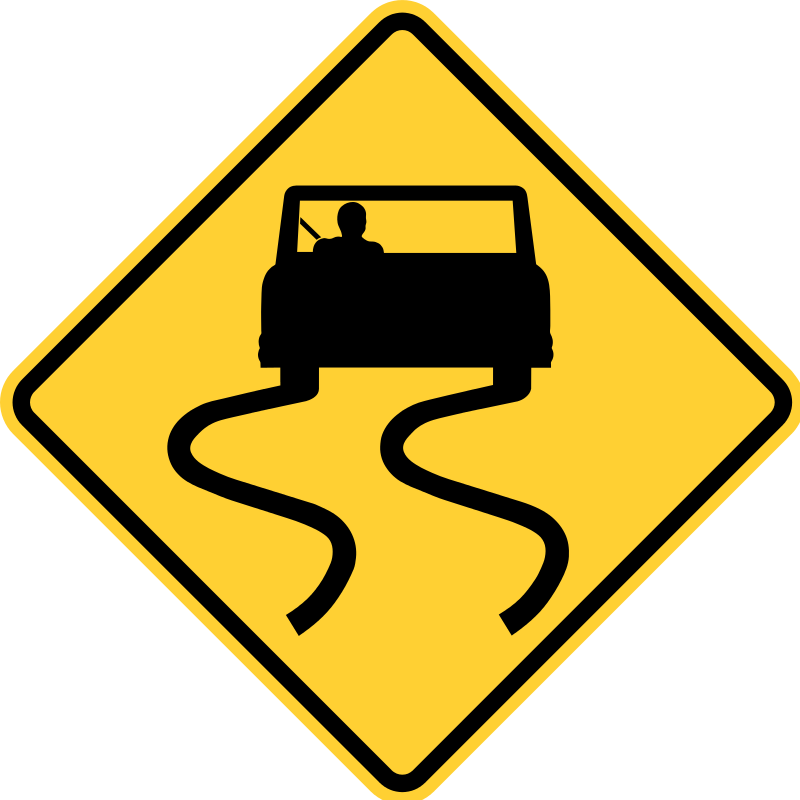 This road sign means:
A
Slow down, slippery when wet
B
Detour ahead
C
Road curves ahead
Answer Explanation
This traffic sign indicates: slow down, slippery when wet. Observing and obeying all roadway signs ensures safe traffic flow and legal driving.
This traffic sign indicates: slow down, slippery when wet. Observing and obeying all roadway signs ensures safe traffic flow and legal driving.
Question 5:
 This sign warns drivers that:
A
they cannot go straight ahead.
B
they will soon be facing oncoming traffic.
C
a shared lane starts ahead.
Answer Explanation
This traffic sign indicates: they will soon be facing oncoming traffic. Observing and obeying all roadway signs ensures safe traffic flow and legal driving.
This traffic sign indicates: they will soon be facing oncoming traffic. Observing and obeying all roadway signs ensures safe traffic flow and legal driving.
Question 6:
To avoid becoming an aggressive driver, you should:
A
drive above the posted speed limit.
B
tailgate the driver in front of you.
C
relax and concentrate on driving.
Answer Explanation
The correct driving rule is: relax and concentrate on driving. Following standard DMV road rules and practicing defensive driving ensures safety for all road users.
The correct driving rule is: relax and concentrate on driving. Following standard DMV road rules and practicing defensive driving ensures safety for all road users.
Question 7:
A yellow arrow on a traffic signal means:
A
Drivers are not required to signal before turning from that lane.
B
Be prepared to stop and give the right-of-way to oncoming vehicles.
C
Increase your speed to make the turn before the light changes.
Answer Explanation
This traffic sign indicates: Be prepared to stop and give the right-of-way to oncoming vehicles. Observing and obeying all roadway signs ensures safe traffic flow and legal driving.
This traffic sign indicates: Be prepared to stop and give the right-of-way to oncoming vehicles. Observing and obeying all roadway signs ensures safe traffic flow and legal driving.
Question 8:
 This sign means:
A
You may make a U-turn.
B
Hairpin corner ahead.
C
You must make a U-turn.
Answer Explanation
This traffic sign indicates: you must make a U-turn. Observing and obeying all roadway signs ensures safe traffic flow and legal driving.
This traffic sign indicates: you must make a U-turn. Observing and obeying all roadway signs ensures safe traffic flow and legal driving.
Question 9:
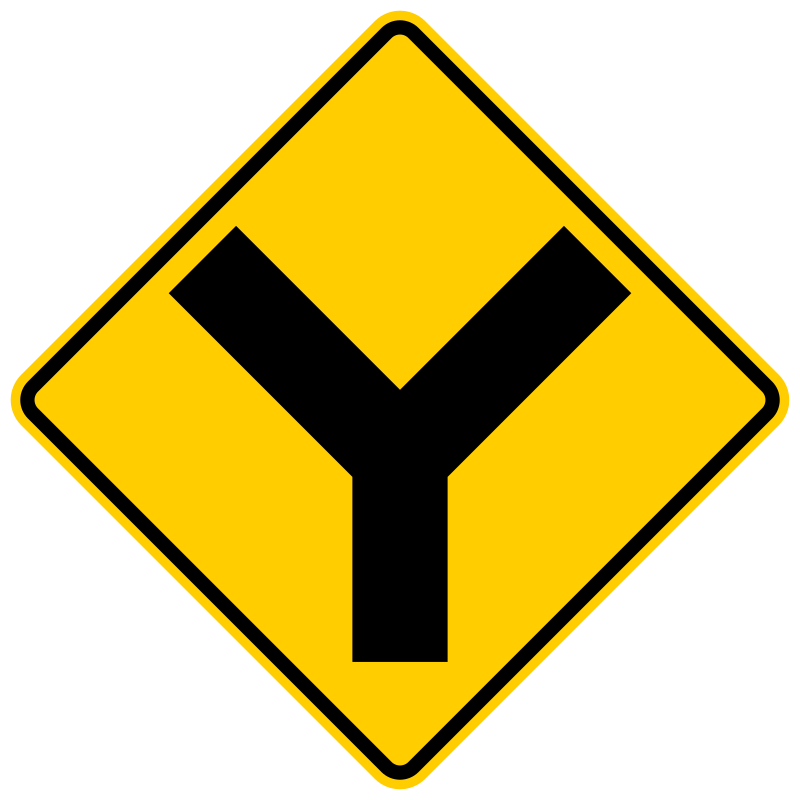 This road sign means:
A
A road joins from the left
B
You must bear either right or left
C
A 3-way intersection is ahead
Answer Explanation
This traffic sign indicates: you must bear either right or left. Observing and obeying all roadway signs ensures safe traffic flow and legal driving.
This traffic sign indicates: you must bear either right or left. Observing and obeying all roadway signs ensures safe traffic flow and legal driving.
Question 10:
When driving in fog, drivers should use:
A
low beam headlights.
B
parking lights.
C
high beam headlights.
Answer Explanation
Always use low-beam headlights in fog, heavy rain, or snow. High beams reflect off moisture droplets and bounce glare back into your eyes.
Always use low-beam headlights in fog, heavy rain, or snow. High beams reflect off moisture droplets and bounce glare back into your eyes.
Question 11:
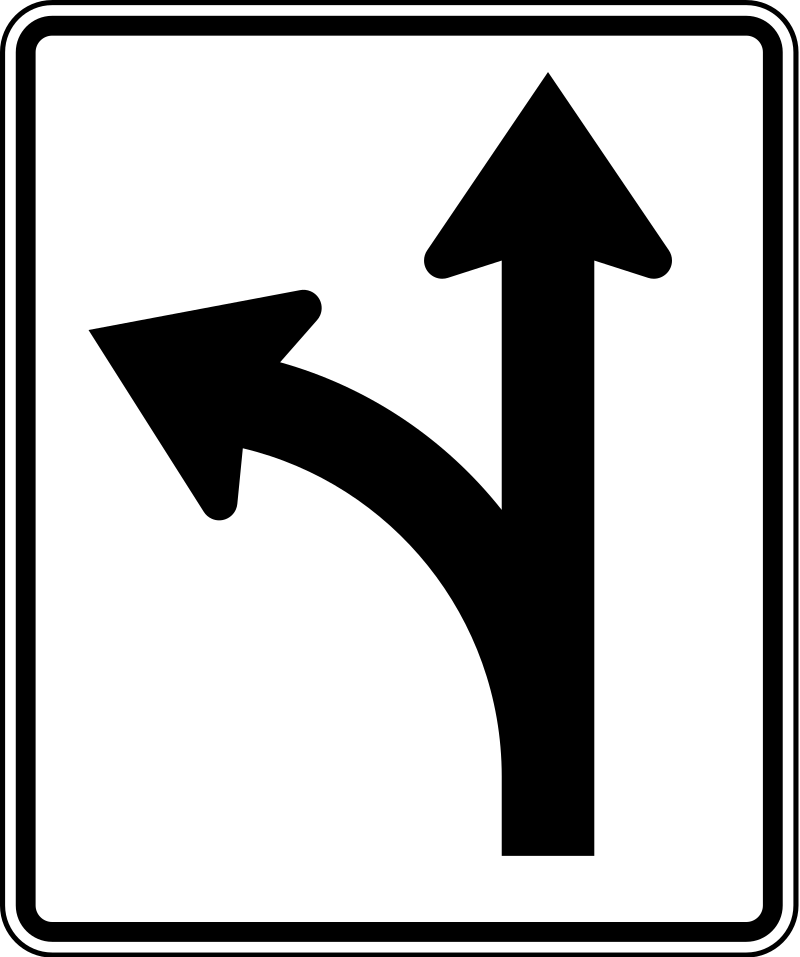 This road sign means:
A
Detour ahead
B
Turn left or go through
C
Divided highway ahead
Answer Explanation
This traffic sign indicates: turn left or go through. Observing and obeying all roadway signs ensures safe traffic flow and legal driving.
This traffic sign indicates: turn left or go through. Observing and obeying all roadway signs ensures safe traffic flow and legal driving.
Question 12:
 This road sign means:
A
Pavement ends
B
Winding road
C
Double curve ahead
Answer Explanation
This traffic sign indicates: Winding road. Observing and obeying all roadway signs ensures safe traffic flow and legal driving.
This traffic sign indicates: Winding road. Observing and obeying all roadway signs ensures safe traffic flow and legal driving.
Question 13:
To see vehicles in your blind spots, you must look:
A
in your outside rearview mirror.
B
over your shoulders.
C
in your side mirrors.
Answer Explanation
The correct driving rule is: over your shoulders. Following standard DMV road rules and practicing defensive driving ensures safety for all road users.
The correct driving rule is: over your shoulders. Following standard DMV road rules and practicing defensive driving ensures safety for all road users.
Question 14:
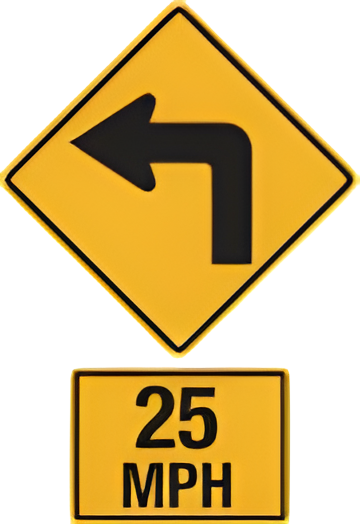 This sign means:
A
If you are driving at 40 MPH or less you must stay in the right-hand lane
B
Curve ahead, drive at 40 MPH ot more around the curve ahead
C
Curve ahead, the recommended speed is 40 MPH or less
Answer Explanation
This traffic sign indicates: Curve ahead, the recommended speed is 40 MPH or less. Observing and obeying all roadway signs ensures safe traffic flow and legal driving.
This traffic sign indicates: Curve ahead, the recommended speed is 40 MPH or less. Observing and obeying all roadway signs ensures safe traffic flow and legal driving.
Question 15:
When driving on a roadway with a single broken white line:
A
you may cross the broken white line to change lanes.
B
you may change lanes only if you are in the right lane.
C
you may not cross the broken white line.
Answer Explanation
The correct driving rule is: you may cross the broken white line to change lanes. Following standard DMV road rules and practicing defensive driving ensures safety for all road users.
The correct driving rule is: you may cross the broken white line to change lanes. Following standard DMV road rules and practicing defensive driving ensures safety for all road users.
Question 16:
Air bags are meant to _________ seat belts.
A
work with
B
fix
C
replace
Answer Explanation
The correct driving rule is: work with. Following standard DMV road rules and practicing defensive driving ensures safety for all road users.
The correct driving rule is: work with. Following standard DMV road rules and practicing defensive driving ensures safety for all road users.
Question 17:
 What does a flashing left yellow arrow mean?
A
Vehicles turning left must stop if they can. The light will soon be red.
B
Only right turns are allowed.
C
Left turns are allowed. Yield to oncoming traffic and pedestrians.
D
None of the above.
Answer Explanation
The correct driving rule is: Left turns are allowed. Yield to oncoming traffic and pedestrians. Following standard DMV road rules and practicing defensive driving ensures safety for all road users.
The correct driving rule is: Left turns are allowed. Yield to oncoming traffic and pedestrians. Following standard DMV road rules and practicing defensive driving ensures safety for all road users.
Question 18:
If it safe to do so, you can pass a vehicle ahead when:
A
you are on a hill or curve.
B
there is a broken line on your side of the road.
C
there is a solid line on your side of the road.
Answer Explanation
The correct driving rule is: there is a broken line on your side of the road. Following standard DMV road rules and practicing defensive driving ensures safety for all road users.
The correct driving rule is: there is a broken line on your side of the road. Following standard DMV road rules and practicing defensive driving ensures safety for all road users.
Question 19:
Before a school bus stops to load passengers, the driver will usually flash:
A
yellow warning lights.
B
red warning lights.
C
red lights.
Answer Explanation
When a school bus displays flashing red lights and extended stop sign: yellow warning lights. Traffic in both directions must come to a full stop on undivided roads until children are clear.
When a school bus displays flashing red lights and extended stop sign: yellow warning lights. Traffic in both directions must come to a full stop on undivided roads until children are clear.
Question 20:
When merging onto an interstate highway, drivers should:
A
always stop before entering the highway.
B
select a safe gap and merge into the lane of traffic.
C
turn on their emergency flashers right before merging.
Answer Explanation
Defensive driving guidelines state that: select a safe gap and merge into the lane of traffic. Anticipating road hazards and communicating maneuvers keeps traffic predictable and safe.
Defensive driving guidelines state that: select a safe gap and merge into the lane of traffic. Anticipating road hazards and communicating maneuvers keeps traffic predictable and safe.
Question 21:
Before stopping your vehicle on the roadway, drivers should:
A
check their mirrors for traffic.
B
place their foot on the accelerator.
C
pump the brakes to check if they work properly.
Answer Explanation
The correct driving rule is: check their mirrors for traffic. Following standard DMV road rules and practicing defensive driving ensures safety for all road users.
The correct driving rule is: check their mirrors for traffic. Following standard DMV road rules and practicing defensive driving ensures safety for all road users.
Question 22:
A good rule of thumb for drivers sharing the road with a truck is:
A
it is better to drive to the immediate right of the cab.
B
always try to stay alongside a truck, but never drive right behind it.
C
if you can’t see the truck driver in their side mirror, they can’t see you.
Answer Explanation
When sharing the road with other vehicles: if you can’t see the truck driver in their side mirror, they can’t see you. Giving large vehicles and vulnerable users adequate clearance prevents dangerous accidents.
When sharing the road with other vehicles: if you can’t see the truck driver in their side mirror, they can’t see you. Giving large vehicles and vulnerable users adequate clearance prevents dangerous accidents.
Question 23:
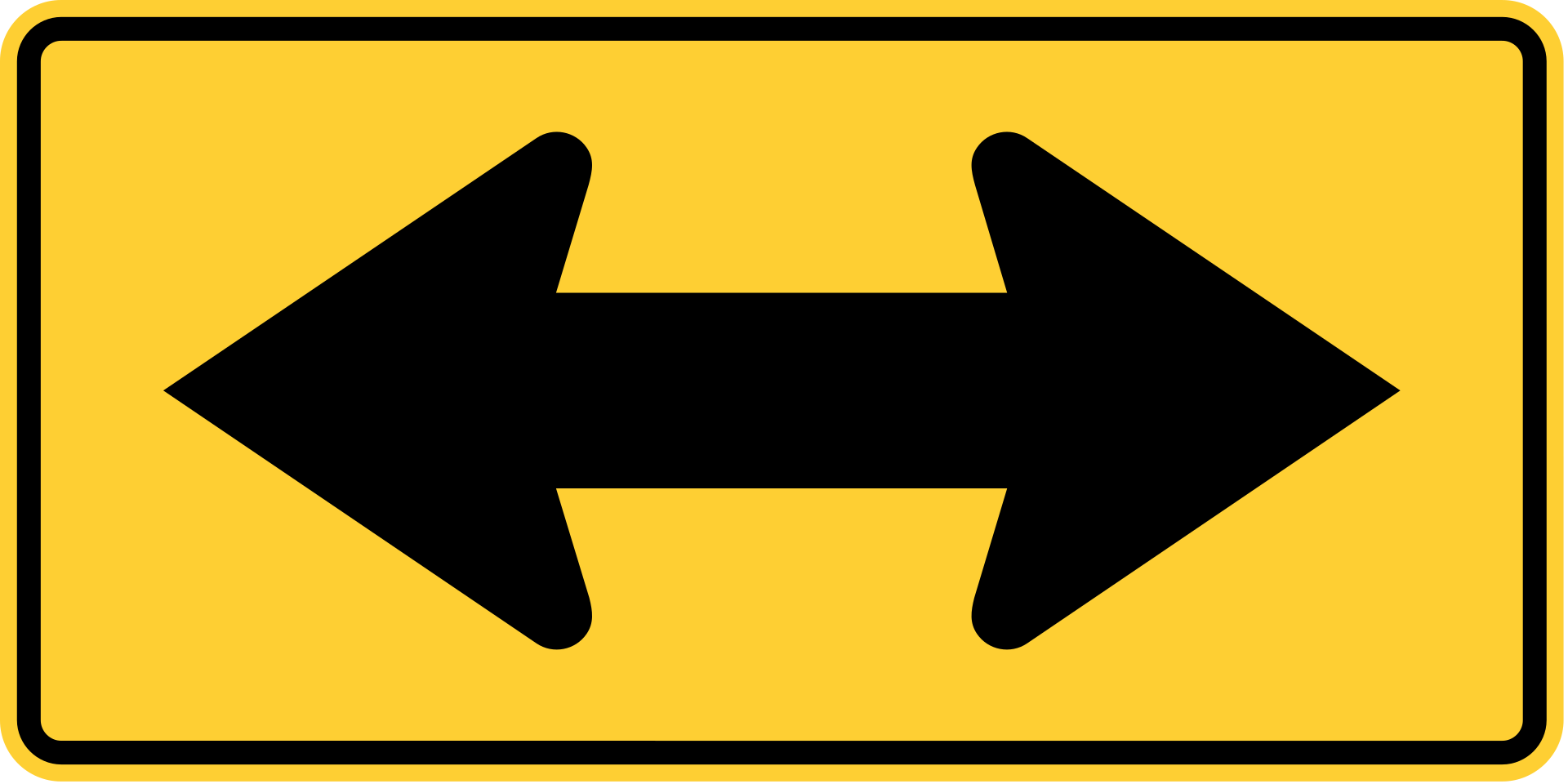 This road sign tells drivers that:
A
they must change lane immediately.
B
they must turn either to the right or left.
C
the one-way street or roadway ahead ends.
D
None of the above.
Answer Explanation
This traffic sign indicates: they must turn either to the right or left. Observing and obeying all roadway signs ensures safe traffic flow and legal driving.
This traffic sign indicates: they must turn either to the right or left. Observing and obeying all roadway signs ensures safe traffic flow and legal driving.
Question 24:
If your car goes into water, you should:
A
wait for water to rush in and let it out in small breaths through your nose.
B
call the fire department immediately.
C
remove yourself before it starts to sink.
Answer Explanation
The correct driving rule is: remove yourself before it starts to sink. Following standard DMV road rules and practicing defensive driving ensures safety for all road users.
The correct driving rule is: remove yourself before it starts to sink. Following standard DMV road rules and practicing defensive driving ensures safety for all road users.
Question 25:
When you prepare to make a left turn from a one-way road into a two-way road, you must:
A
enter the two-way road to the left of its center line.
B
approach the turn in the right lane or from the right side of a single lane.
C
approach the turn in the left lane or from the left side of a single lane.
Answer Explanation
The correct driving rule is: approach the turn in the left lane or from the left side of a single lane. Following standard DMV road rules and practicing defensive driving ensures safety for all road users.
The correct driving rule is: approach the turn in the left lane or from the left side of a single lane. Following standard DMV road rules and practicing defensive driving ensures safety for all road users.
Question 26:
Drinking alcohol:
A
has no effect on either judgement or driving ability.
B
has no effect on driving ability but affects your judgement.
C
harms both judgement and driving skills.
Answer Explanation
Under state DUI and traffic safety laws: harms both judgement and driving skills. Alcohol degrades judgment, slows reaction times, and distorts depth perception.
Under state DUI and traffic safety laws: harms both judgement and driving skills. Alcohol degrades judgment, slows reaction times, and distorts depth perception.
Question 27:
If your steering wheel were a clock, your hands should be at the ______ positions.
A
12 o'clock and 9 o'clock
B
9 o'clock and 3 o'clock
C
3 o'clock and 12 o'clock
Answer Explanation
The correct driving rule is: 9 o'clock and 3 o'clock. Following standard DMV road rules and practicing defensive driving ensures safety for all road users.
The correct driving rule is: 9 o'clock and 3 o'clock. Following standard DMV road rules and practicing defensive driving ensures safety for all road users.
Question 28:
An edge line that angles toward the center of the road indicates that:
A
the road is narrower ahead.
B
there’s a narrow bridge ahead.
C
you must turn right.
Answer Explanation
The correct driving rule is: the road is narrower ahead. Following standard DMV road rules and practicing defensive driving ensures safety for all road users.
The correct driving rule is: the road is narrower ahead. Following standard DMV road rules and practicing defensive driving ensures safety for all road users.
Question 29:
When you are facing a green light and there are pedestrians in the intersection:
A
you must signal your intention to cross the intersection at least 100 feet before yielding the right-of-way.
B
you must yield the right-of-way to pedestrians.
C
you have the right-of-way over pedestrians.
Answer Explanation
Drivers must always yield the right-of-way to pedestrians crossing at intersections and crosswalks: you must yield the right-of-way to pedestrians. Stop and allow them to clear the lane safely.
Drivers must always yield the right-of-way to pedestrians crossing at intersections and crosswalks: you must yield the right-of-way to pedestrians. Stop and allow them to clear the lane safely.
Question 30:
 This road sign means:
A
Lane reduction - the left lane ends soon
B
Highway entrance ramp ahead
C
Lane reduction - the right lane ends soon
Answer Explanation
This traffic sign indicates: Lane reduction - the right lane ends soon. Observing and obeying all roadway signs ensures safe traffic flow and legal driving.
This traffic sign indicates: Lane reduction - the right lane ends soon. Observing and obeying all roadway signs ensures safe traffic flow and legal driving.
Question 31:
A solid yellow line next to a broken yellow line means that vehicles:
A
next to the solid line may pass.
B
in both directions may pass.
C
next to the broken line may pass.
Answer Explanation
The correct driving rule is: next to the broken line may pass. Following standard DMV road rules and practicing defensive driving ensures safety for all road users.
The correct driving rule is: next to the broken line may pass. Following standard DMV road rules and practicing defensive driving ensures safety for all road users.
Question 32:
If you miss your exit on a freeway, do NOT:
A
continue on the freeway and find an alternative route.
B
turn around or back up.
C
get back on the freeway in the opposite direction and return to the exit you want.
Answer Explanation
Defensive driving guidelines state that: turn around or back up. Anticipating road hazards and communicating maneuvers keeps traffic predictable and safe.
Defensive driving guidelines state that: turn around or back up. Anticipating road hazards and communicating maneuvers keeps traffic predictable and safe.
Question 33:
At intersections, crosswalks, and railroad crossings, drivers should always:
A
look to the sides of their vehicle to see what is coming.
B
slowly pass vehicles the vehicles ahead.
C
stop, listen for oncoming traffic, and proceed with caution.
Answer Explanation
The correct driving rule is: look to the sides of their vehicle to see what is coming. Following standard DMV road rules and practicing defensive driving ensures safety for all road users.
The correct driving rule is: look to the sides of their vehicle to see what is coming. Following standard DMV road rules and practicing defensive driving ensures safety for all road users.
Question 34:
__________________ is a safe driving technique.
A
Using your high beam lights in the fog
B
Starring at the road ahead of your vehicle
C
Checking your rearview mirrors frequently
Answer Explanation
The correct driving rule is: Checking your rearview mirrors frequently. Following standard DMV road rules and practicing defensive driving ensures safety for all road users.
The correct driving rule is: Checking your rearview mirrors frequently. Following standard DMV road rules and practicing defensive driving ensures safety for all road users.
Question 35:
Following another vehicle too closely is known as:
A
speedgating.
B
closetailing.
C
tailgating.
Answer Explanation
The correct driving rule is: tailgating. Following standard DMV road rules and practicing defensive driving ensures safety for all road users.
The correct driving rule is: tailgating. Following standard DMV road rules and practicing defensive driving ensures safety for all road users.
Question 36:
When following motorcycles, drivers should:
A
reduce the minimum following distance.
B
try to pass them as they have different braking capabilities than other motor vehicles.
C
keep more space in front of their vehicle.
Answer Explanation
The correct driving rule is: keep more space in front of their vehicle. Following standard DMV road rules and practicing defensive driving ensures safety for all road users.
The correct driving rule is: keep more space in front of their vehicle. Following standard DMV road rules and practicing defensive driving ensures safety for all road users.
Question 37:
When driving in work zones, drivers should:
A
closely follow the driver in front of them.
B
reduce their speed and be prepared to stop.
C
maintain their speed through the work zone.
Answer Explanation
The correct driving rule is: reduce their speed and be prepared to stop. Following standard DMV road rules and practicing defensive driving ensures safety for all road users.
The correct driving rule is: reduce their speed and be prepared to stop. Following standard DMV road rules and practicing defensive driving ensures safety for all road users.
Question 38:
This sign warns drivers that:
A
they must turn either to the right or left.
B
there is a double curve ahead.
C
there is a winding road ahead.
Answer Explanation
This traffic sign indicates: there is a winding road ahead. Observing and obeying all roadway signs ensures safe traffic flow and legal driving.
This traffic sign indicates: there is a winding road ahead. Observing and obeying all roadway signs ensures safe traffic flow and legal driving.
Question 39:
Which statement about blind spots is true?
A
Before changing lanes, you should check mirrors and look over your shoulder toward the rear.
B
Large trucks have smaller blind spots than most passenger vehicles.
C
If traffic conditions permit you should cruise in blind spot of the vehicle ahead.
Answer Explanation
The correct driving rule is: Before changing lanes, you should check mirrors and look over your shoulder toward the rear. Following standard DMV road rules and practicing defensive driving ensures safety for all road users.
The correct driving rule is: Before changing lanes, you should check mirrors and look over your shoulder toward the rear. Following standard DMV road rules and practicing defensive driving ensures safety for all road users.
Question 40:
You may not park within _____ of a fire hydrant.
A
20 feet
B
10 feet
C
5 feet
Answer Explanation
State and municipal laws prohibit parking within 15 feet of a fire hydrant to ensure emergency fire crews have clear, unobstructed access.
State and municipal laws prohibit parking within 15 feet of a fire hydrant to ensure emergency fire crews have clear, unobstructed access.
Question 41:
 When they see this sign, drivers should:
A
increase their speed and keep well to the right.
B
slow down and keep well to the right.
C
slow down and keep well to the left.
Answer Explanation
This traffic sign indicates: slow down and keep well to the left. Observing and obeying all roadway signs ensures safe traffic flow and legal driving.
This traffic sign indicates: slow down and keep well to the left. Observing and obeying all roadway signs ensures safe traffic flow and legal driving.
Question 42:
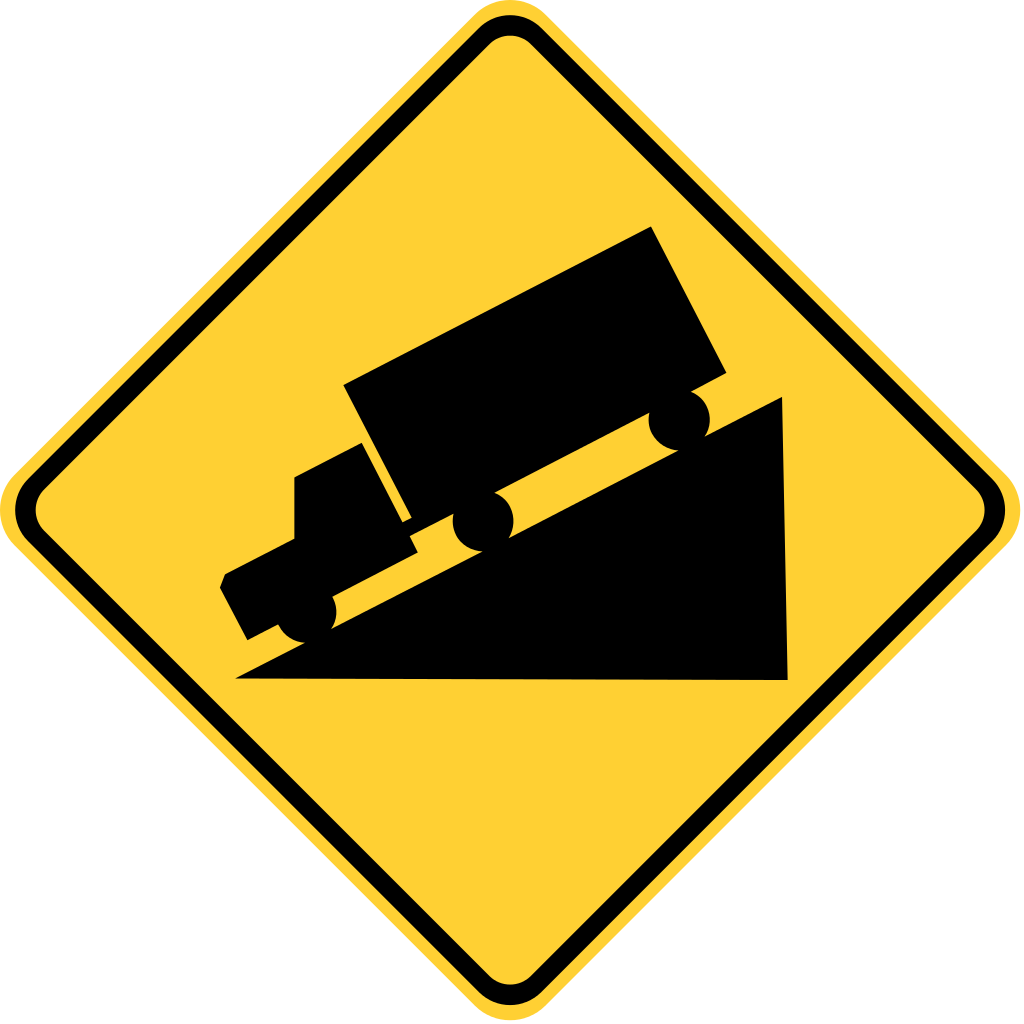 This road sign means:
A
Merging traffic
B
Steep grade ahead
C
Intersection ahead
Answer Explanation
This traffic sign indicates: Steep grade ahead. Observing and obeying all roadway signs ensures safe traffic flow and legal driving.
This traffic sign indicates: Steep grade ahead. Observing and obeying all roadway signs ensures safe traffic flow and legal driving.
Question 43:
Yellow traffic signs:
A
guide drivers.
B
when combined with an octagonal shape, tell drivers they must come to a complete stop at the marked stop line.
C
warn drivers.
Answer Explanation
The correct driving rule is: warn drivers. Following standard DMV road rules and practicing defensive driving ensures safety for all road users.
The correct driving rule is: warn drivers. Following standard DMV road rules and practicing defensive driving ensures safety for all road users.
Question 44:
When approaching a highway-rail intersection, the first sign drivers see is usually:
A
an RXR round sign on a yellow background.
B
a stop sign.
C
a yield sign.
Answer Explanation
According to standard right-of-way regulations: an RXR round sign on a yellow background. Yielding appropriately prevents intersection collisions and maintains safe traffic flow.
According to standard right-of-way regulations: an RXR round sign on a yellow background. Yielding appropriately prevents intersection collisions and maintains safe traffic flow.
Question 45:
This sign indicates that:
A
there is a steep hill ahead.
B
trucks are merging from the right
C
there's a side road ahead
Answer Explanation
This traffic sign indicates: there is a steep hill ahead. Observing and obeying all roadway signs ensures safe traffic flow and legal driving.
This traffic sign indicates: there is a steep hill ahead. Observing and obeying all roadway signs ensures safe traffic flow and legal driving.
Question 46:
Always stop before you cross railroad tracks when:
A
you are not wearing safety belts.
B
you are following a bicyclist or motorcyclist across railroad tracks.
C
you don't have room on the other side to completely cross the tracks.
Answer Explanation
The correct driving rule is: you don't have room on the other side to completely cross the tracks. Following standard DMV road rules and practicing defensive driving ensures safety for all road users.
The correct driving rule is: you don't have room on the other side to completely cross the tracks. Following standard DMV road rules and practicing defensive driving ensures safety for all road users.
Question 47:
When parking on a public road, drivers should:
A
move as far away from traffic as possible.
B
always park on the left side of the roadway.
C
All of the above.
Answer Explanation
Under standard parking and curb regulations: move as far away from traffic as possible. Following parking distance clearances keeps roadways unobstructed and emergency lanes accessible.
Under standard parking and curb regulations: move as far away from traffic as possible. Following parking distance clearances keeps roadways unobstructed and emergency lanes accessible.
Question 48:
To prevent a fatigue-related crash while driving:
A
find a safe parking area to take a 15 to 20 minute nap.
B
drive at night when there are not as many vehicles on the roadway.
C
continue driving so you will reach your destination sooner.
Answer Explanation
Under state DUI and traffic safety laws: find a safe parking area to take a 15 to 20 minute nap. Alcohol degrades judgment, slows reaction times, and distorts depth perception.
Under state DUI and traffic safety laws: find a safe parking area to take a 15 to 20 minute nap. Alcohol degrades judgment, slows reaction times, and distorts depth perception.
Question 49:
The ‘Slower Traffic Keep Right’ sign is used:
A
at most intersections.
B
on multiple lane highways.
C
in school zones.
Answer Explanation
The correct driving rule is: on multiple lane highways. Following standard DMV road rules and practicing defensive driving ensures safety for all road users.
The correct driving rule is: on multiple lane highways. Following standard DMV road rules and practicing defensive driving ensures safety for all road users.
Question 50:
Service signs are ____ with ____ letters and symbols.
A
blue; white
B
white; black
C
green; white
Answer Explanation
The correct driving rule is: blue; white. Following standard DMV road rules and practicing defensive driving ensures safety for all road users.
The correct driving rule is: blue; white. Following standard DMV road rules and practicing defensive driving ensures safety for all road users.