 drivequiz.com
 Question 1
A red traffic sign means?
A
Do not enter.
B
Stop.
C
All of the above.
No explanation available.
Question 2
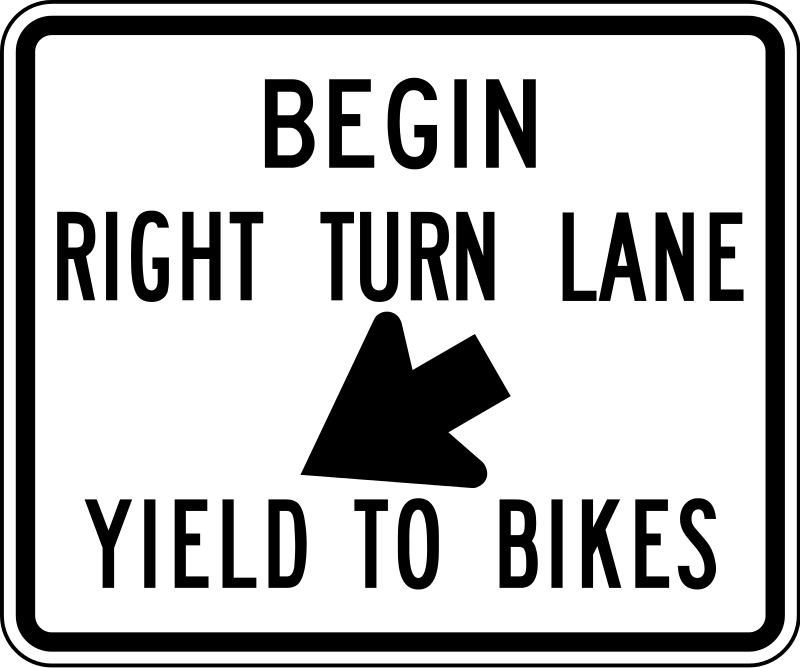 What does this road sign indicate?
A
Drivers have the right of way over bikes turning left.
B
Vehicles turning left must yield to bikes entering a right turn lane.
C
Motor vehicles entering an exclusive right-turn lane must weave across bicycle traffic in bicycle lanes.
No explanation available.
Question 3
__________ are blue with white letters and symbols.
A
Warning signs
B
Service signs
C
Destination signs (guide signs)
No explanation available.
Question 4
When the road is slippery, you should:
A
pump your brakes to test the traction of your tires.
B
decrease the distance that you look ahead of your vehicle.
C
avoid making fast turns and fast stops.
No explanation available.
Question 5
Which of the following is true about railroad crossings?
A
Trains cannot swerve out of the way. Never stop on the railroad tracks.
B
Flashing red lights indicate you must stop and wait.
C
All of the above.
No explanation available.
Question 6
 A 4-way stop sign means:
A
The first vehicle to reach the intersection should move forward first.
B
Traffic from all four directions must stop.
C
There are four stop signs at the intersection.
D
All of the above.
No explanation available.
Question 7
You are approaching an intersection at the posted speed limit when the signal light turns yellow. You should:
A
stop before entering the intersection, if you can do so safely.
B
slow down and proceed through the intersection without caution.
C
speed up to cross the intersection before the light turns red.
No explanation available.
Question 8
Unless otherwise posted, school zone speed limits are ___ or under.
A
25 MPH
B
35 MPH
C
15 MPH
No explanation available.
Question 9
To eliminate or reduce air bag risk, drivers should ride at least ________ from the air bag cover.
A
20 inches
B
10 inches
C
2 inches
No explanation available.
Question 10
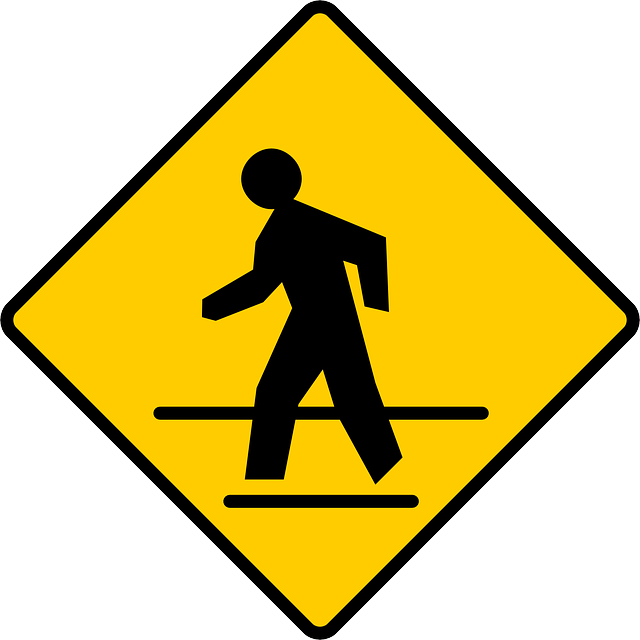 This sign means:
A
Pedestrian sidewalk ahead.
B
Pedestrians must yield the right-of-way ahead.
C
Pedestrian crossing ahead.
No explanation available.
Question 11
If you are towing another vehicle or trailer on a freeway with four lanes in your direction, you may travel in:
A
the far right lane only.
B
any of the traffic lanes in your direction.
C
either of the two right lanes.
No explanation available.
Question 12
What is the speed limit for a blind intersection?
A
35 MPH
B
15 MPH
C
25 MPH
No explanation available.
Question 13
Road signs that point out scenic areas and parks are:
A
brown and white.
B
black and orange.
C
green and white.
No explanation available.
Question 14
Unless otherwise posted, the speed limit in a business district is:
A
35 MPH
B
30 MPH
C
25 MPH
No explanation available.
Question 15
When driving at night on a dimly lit street, you should:
A
keep instument lights bright to be more visible to other drivers.
B
turn on your high beam headlights to better see the vehicles directly ahead of you.
C
drive slowly enough so you can stop within the area lighted by your headlights.
No explanation available.
Question 16
You may drive off of the paved roadway to pass another vehicle:
A
Under no circumstances
B
If the vehicle ahead of you is turning left.
C
If the shoulder is wide enough to accommodate your vehicle
No explanation available.
Question 17
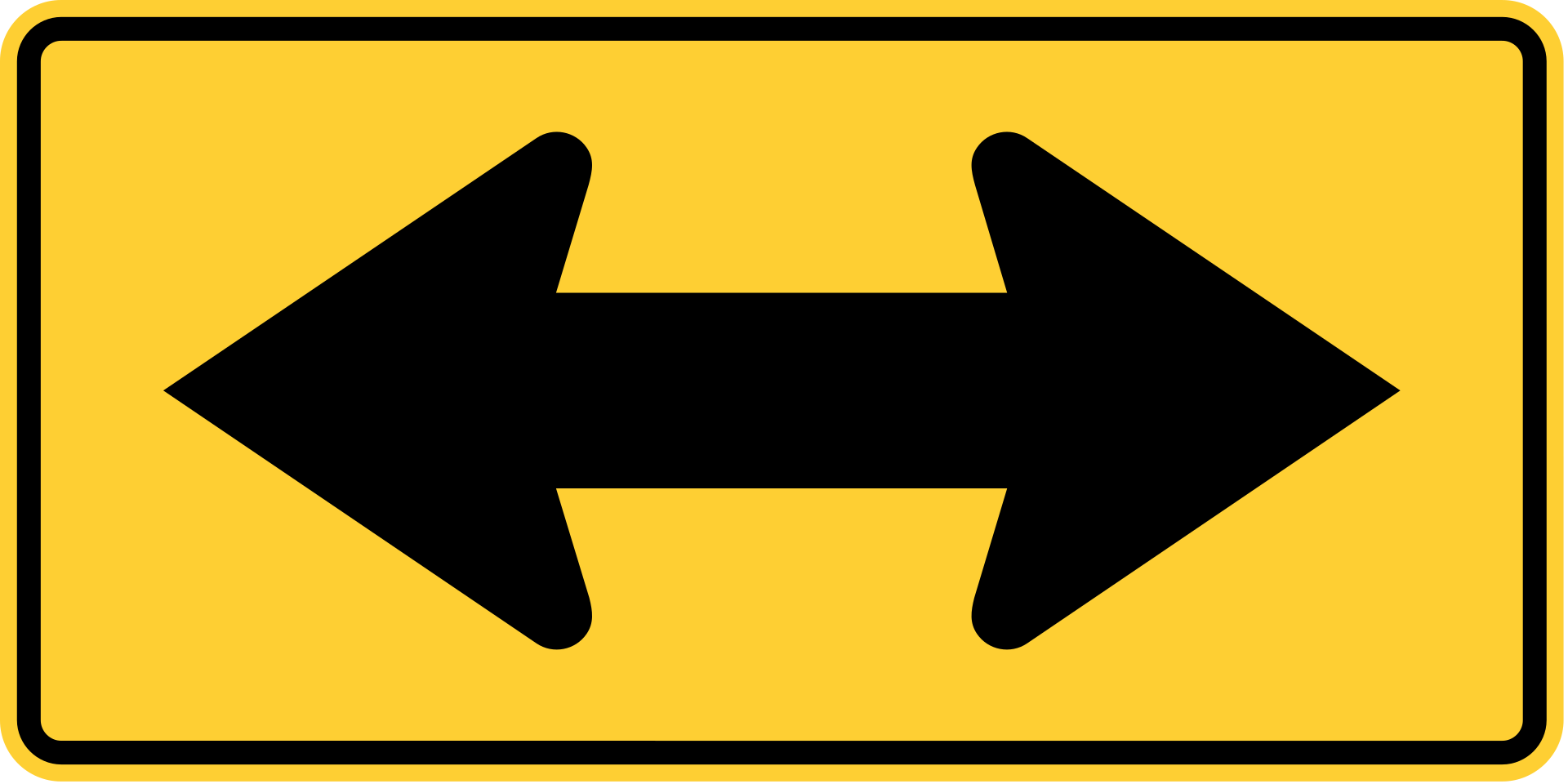 This sign tells drivers that:
A
left and right turns are not allowed.
B
a divided highway is ahead.
C
they cannot go straight ahead.
No explanation available.
Question 18
Gauging the speed of a motorcycle may be difficult because:
A
motorcycles take up less of your field of vision.
B
motorcycles often slow down by downshifting.
C
many motorcyclists do not activate the brake light.
No explanation available.
Question 19
There is one lane in your direction and the vehicle ahead of you often slows down for no apparent reason. In this situation you should:
A
increase the following distance between you and the other vehicle.
B
flash your headlight quickly to alert the other drivers.
C
pass the vehicle as soon as possible.
No explanation available.
Question 20
Which of the following is true about safety belts?
A
They can reduce injuries and deaths.
B
They can trap you inside a vehicle.
C
They are not necessary when driving around town.
No explanation available.
Question 21
Large trucks are most likely to lose speed and cause a hazard:
A
going up long or steep hills.
B
going down long gradual hills.
C
on long, gradual curves.
No explanation available.
Question 22
You should increase the distance between your vehicle and the vehicle ahead when you:
A
are being tailgated by another driver.
B
drive slower than the posted speed limit.
C
follow a small passenger vehicle.
No explanation available.
Question 23
When you make a left turn from a one-way road into a two-way road, you must:
A
enter the two-way road to the left of its center line.
B
make a U-turn into the two-way road.
C
enter the two-way road to the right of its center line.
No explanation available.
Question 24
At 55 mph, it takes about ____ feet to react and bring the vehicle to a complete stop.
A
100
B
250
C
400
No explanation available.
Question 25
Drivers are required to obey instructions from:
A
Other drivers whose vehicles are broken down on the roadway.
B
Security guards patrolling parking lots.
C
Flaggers (signal persons) at construction sites.
No explanation available.
Question 26
You are driving and there are oncoming vehicles on your left and a row of parked vehicles on your right. You should steer:
A
a middle course between the oncoming and parked vehicles.
B
closer to the oncoming vehicles than the parked vehicles.
C
closer to the parked vehicles than the oncoming vehicles.
No explanation available.
Question 27
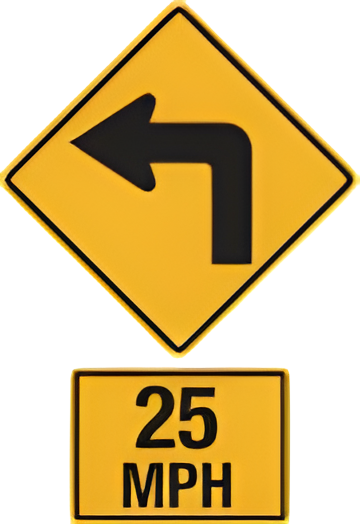 This sign indicates that:
A
the highest safe speed drivers should travel around the curve ahead is 25 MPH.
B
the safe speed around the curve ahead is at least 25 MPH.
C
drivers may not turn right if traveling at 25 MPH or less.
No explanation available.
Question 28
To turn left from a multilane one-way street onto a one-way street, you should start your turn from:
A
Any lane, as long as it is safe.
B
The lane in the center of the road.
C
The lane closest to the left curb
No explanation available.
Question 29
You want to make a right turn at an upcoming intersection. You should slow down and:
A
avoid driving in the bicycle lane.
B
move toward the left side of your lane.
C
signal for 100 feet before turning.
No explanation available.
Question 30
If you cannot stop safely at a yellow traffic light, you should:
A
stop your vehicle in the intersection, then back up carefully.
B
stop your vehicle before entering the intersection.
C
enter the intersection with caution and continue across.
No explanation available.
Question 31
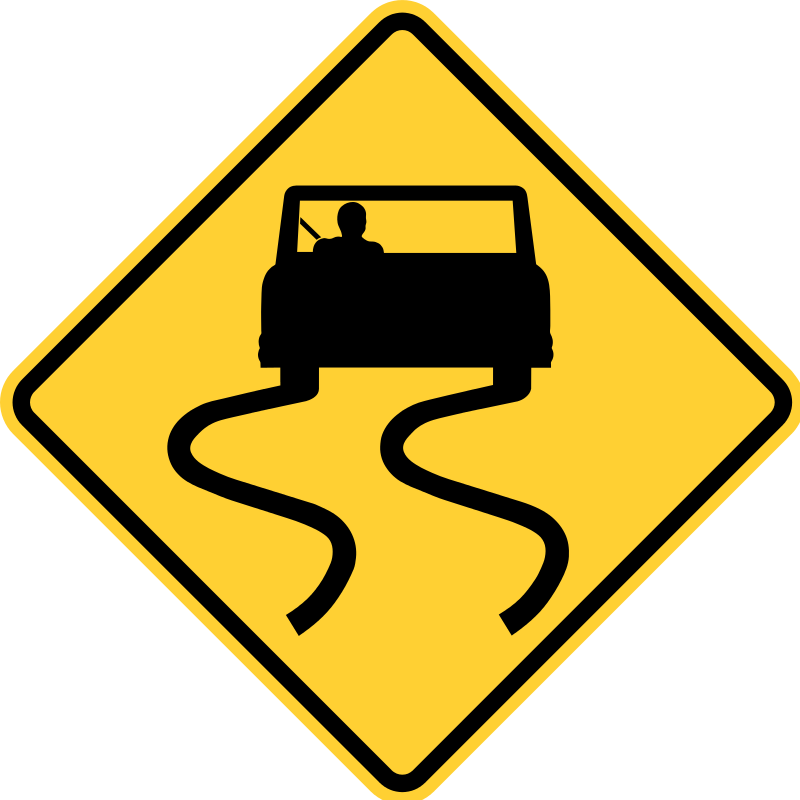 When they see this sign, drivers:
A
should be prepared to make sharp turns at a high speed.
B
need to be prepared to turn right and then left quickly.
C
should not speed up or brake quickly.
No explanation available.
Question 32
To see vehicles in your blind spots, you should check:
A
the outside rearview mirror.
B
over your shoulder.
C
the inside rearview mirror.
No explanation available.
Question 33
Regulatory signs are:
A
Suggestions
B
Warnings
C
Law
No explanation available.
Question 34
Even if you know your vehicle can maneuver a sharp curve at the legal speed limit, you should still slow down because:
A
there may be a stalled vehicle or collision ahead that you can’t see.
B
the strong inward pull on your vehicle can be dangerous.
C
you must legally drive below the speed limit on sharp curves.
No explanation available.
Question 35
Which of the following is NOT true? When driving near pedestrians:
A
If a pedestrian makes eye contact with you, he or she is inviting you to cross the intersection.
B
Always stop for any pedestrian crossing at corners.
C
Do not drive on a sidewalk.
No explanation available.
Question 36
You should signal continuously while turning because it:
A
is illegal to turn off your signal before completing a turn.
B
is always unsafe to turn off a signal before completing a turn.
C
lets other drivers know what your intentions are.
No explanation available.
Question 37
To see vehicles in your blind spots, you must look:
A
in your outside rearview mirror.
B
over your shoulders.
C
in your side mirrors.
No explanation available.
Question 38
When you park alongside a curb on a level street, the front and back wheels must be parallel and within __ inches of the curb.
A
18
B
36
C
32
No explanation available.
Question 39
If you approach an intersection without a stop sign or signal, you:
A
should slow down and be ready to stop, if necessary.
B
should always stop before driving through the intersection.
C
must yield the right-of-way to all other vehicles.
No explanation available.
Question 40
A law enforcement officer notices that one of your passengers is not wearing a seat belt and writes a citation. Which of the following is true?
A
Your passenger will receive a citation, regardless of his or her age.
B
Both you and your passenger will receive a citation.
C
You can receive the citation if the passenger is younger than 16.
No explanation available.
Question 41
A driver who approaches an intersection:
A
must yield the right-of-way to traffic already in the intersection.
B
must drive straight through the intersection, even if another vehicle is already in the intersection.
C
has the right-of-way over traffic already in the intersection.
No explanation available.
Question 42
The ‘Slower Traffic Keep Right’ sign is used:
A
at most intersections.
B
on multiple lane highways.
C
in school zones.
No explanation available.
Question 43
When driving on a multi-lane street with two-way traffic:
A
You should drive ahead of or behind the other vehicles.
B
It is safest to drive in the lane next to the center line.
C
Drive alongside the other vehicles so the drivers can see you.
No explanation available.
Question 44
Which of these vehicles must stop before crossing railroad tracks?
A
Tank trucks marked with hazardous materials placards.
B
Motorhomes or pickup trucks towing a trailer.
C
Sport utility vehicles carrying four or more persons.
No explanation available.
Question 45
The maximum speed limit on most California highways is:
A
55 MPH
B
70 MPH
C
65 MPH
No explanation available.
Question 46
When the road is slippery, you should:
A
brake suddenly carefully.
B
pump your brakes.
C
press your brakes in slow, steady strokes.
No explanation available.
Question 47
You just sold your vehicle. You must notify the DMV within ___ days.
A
5
B
15
C
10
No explanation available.
Question 48
Always look carefully for motorcycles before you make a turn because:
A
their smaller size makes them harder to see.
B
they always have the right-of-way at intersections.
C
they must have a full traffic lane.
No explanation available.
Question 49
At intersections, crosswalks, and railroad crossings, drivers should always:
A
stop, listen for oncoming traffic, and proceed with caution.
B
concentrate on oncoming traffic.
C
look to the sides of their vehicle.
No explanation available.
Question 50
There is no crosswalk and a pedestrian is crossing your lane ahead. You should:
A
stop and let the pedestrian finish crossing the street.
B
slow down as you pass the pedestrian.
C
make eye contact and then pass the pedestrian.
No explanation available.