 drivequiz.com
 Question 1
When drivers see the ‘Wrong Way’ sign:
A
they are going the wrong way on an expressway exit ramp.
B
they must drive past this sign and reach the next intersection.
C
they must not leave the pavement except in an emergency.
No explanation available.
Question 2
On average, how long does it take your body to remove the alcohol contained in 5 ounces of wine?
A
one hour.
B
30 minutes.
C
3 hours.
No explanation available.
Question 3
Lanes of traffic moving in the same direction are divided by ____ lines.
A
orange
B
yellow
C
black
D
white
No explanation available.
Question 4
If a vehicle using high beams comes toward you, look towards __________ of the road.
A
either side
B
the center
C
the right side
D
the left side
No explanation available.
Question 5
Double solid yellow lines mean:
A
the lane to the right may pass.
B
passing is not permitted in either direction.
C
the lane to the left may pass.
D
passing is permitted in either direction.
No explanation available.
Question 6
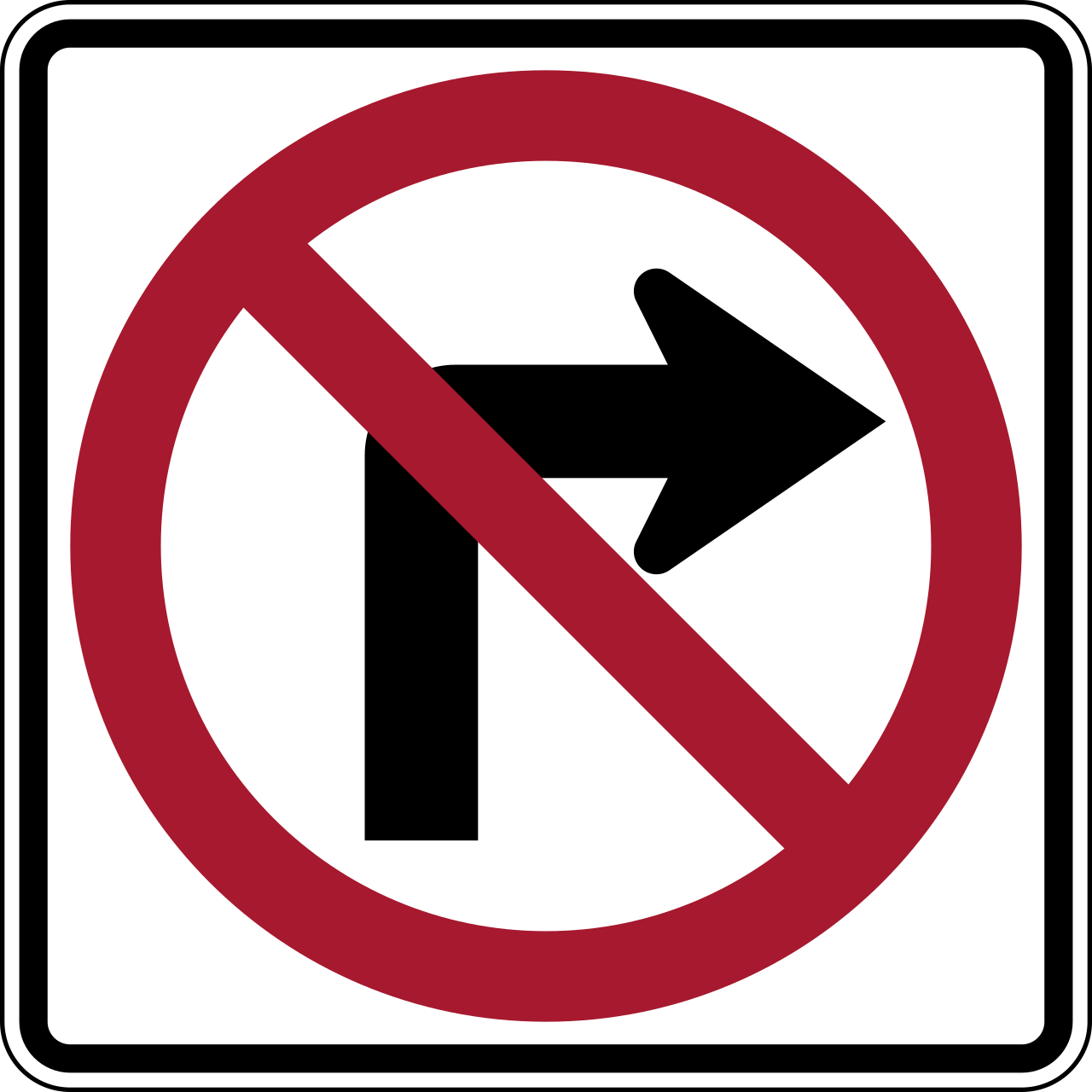 This sign tells drivers that:
A
they must make a left turn at the intersection.
B
U-turns are not allowed.
C
they must not make a right turn.
D
None of the above.
No explanation available.
Question 7
The most common cause of traffic crashes is:
A
human error.
B
bad road conditions.
C
wet pavement.
D
bad weather.
No explanation available.
Question 8
If your vehicle starts to hydroplane you should:
A
apply the brakes firmly to prevent your vehicle from sliding.
B
slow down gradually and do not apply the brakes.
C
maintain your current speed to gain better traction.
D
All of the above.
No explanation available.
Question 9
Two motorcyclists are allowed to:
A
ride side-by-side in a single lane.
B
share the lane with another vehicle.
C
race on empty roads.
No explanation available.
Question 10
Large trucks:
A
have large blind spots.
B
can stop quicker than passenger vehicles.
C
do not need more room to maneuver.
D
All of the above.
No explanation available.
Question 11
Drivers approaching a green traffic light:
A
must yield to oncoming traffic before making a left hand turn.
B
always have the right of way.
C
must merge to the left, if possible.
D
must stop before proceeding through the intersection.
No explanation available.
Question 12
How can you prevent fatigue on a long trip?
A
Plan to drive long trips with a companion.
B
Get enough sleep.
C
All of the above.
No explanation available.
Question 13
Vertical panels, barricades, drums and cones are the most commonly used devices to guide drivers safely through work zones.
A
True
B
False
No explanation available.
Question 14
 This road sign warns drivers that:
A
left turns are not allowed at the intersection.
B
the road will make a sharp turn to the right.
C
another road enters the highway from the direction shown.
No explanation available.
Question 15
What should you do if you see smoke come from under the hood?
A
Call the fire department and then pull off the road and park your vehicle.
B
Pull off the road and park your vehicle. Turn off the ignition, get away from the car and call the fire department.
C
Try to fight the fire yourself.
No explanation available.
Question 16
Which of the following does NOT affect the distance that it takes to stop your vehicle?
A
Perception time.
B
Braking distance.
C
Reaction distance.
D
Steering ability.
No explanation available.
Question 17
To drive defensively, you must:
A
anticipate errors by other drivers.
B
assume that a driver who approaches a STOP sign on a side road is actually going to stop.
C
not check behind you through your mirrors.
No explanation available.
Question 18
Who has a greater risk of being involved in a traffic crash?
A
Drivers who are driving alone.
B
Young people.
C
All of the above.
No explanation available.
Question 19
A traffic sign with a red circle around and a slash over a symbol means:
A
the maneuver shown by the symbol is not allowed.
B
Do not drive faster than the posted speed limit.
C
the maneuver shown on the sign should be executed with extreme caution.
No explanation available.
Question 20
Drinking alcohol while taking drugs can:
A
have a less pronounced effect than either taken separately.
B
have a more pronounced effect than either taken separately.
C
improves concentration.
D
improve your driving performance.
No explanation available.
Question 21
Service signs are ____ with ____ letters and symbols.
A
blue; white
B
white; black
C
green; white
No explanation available.
Question 22
 This road sign means:
A
Slow down and yield to traffic on main road when merging
B
Always come to a complete stop
C
Lane reduction ahead
D
You must come to a complete stop and yield right-of-way
No explanation available.
Question 23
Drivers must yield to pedestrians:
A
only if the pedestrian is in a crosswalk.
B
if the pedestrian signals to the driver that the driver must stop.
C
only if the pedestrian is on the same side of the road.
D
even when the pedestrian crosses the street without looking both ways.
No explanation available.
Question 24
A steady yellow light at an intersection means:
A
Proceed with caution through the intersection
B
Slow down and be prepared to stop
C
Immediately come to a complete stop
D
Yield to other vehicles
No explanation available.
Question 25
When you need to change lanes, it is important to:
A
make sure the lane you are about to enter is clear.
B
signal your intentions ahead of time.
C
check your blind spots.
D
All of the above.
No explanation available.
Question 26
On slippery roads, drivers should:
A
slow down.
B
increase their speed to avoid hydroplaning.
C
not drive faster than 25 MPH.
D
go faster.
No explanation available.
Question 27
 This road sign means:
A
Divided highway ahead
B
Two-way traffic ahead
C
Four-lane traffic ahead
No explanation available.
Question 28
When passing another vehicle, before turning back into the right-hand lane drivers should wait until they can see the vehicle they are passing in the rearview mirror.
A
True
B
False
No explanation available.
Question 29
When driving at night, you should slow down and:
A
use high beams whenever possible, but never when there's oncoming traffic.
B
use high beams until other drivers dim their lights.
C
follow the vehicle ahead more closely to avoid glare from oncoming headlights.
D
come to a complete stop whenever there's oncoming traffic.
No explanation available.
Question 30
Studies show that wearing seat belts:
A
reduces your chances of serious injury in a crash.
B
increases your chances of fatality in a crash.
C
reduces your chances of damaging your car in a crash.
D
All of the above.
No explanation available.
Question 31
A red traffic sign means?
A
Do not enter.
B
Stop.
C
All of the above.
No explanation available.
Question 32
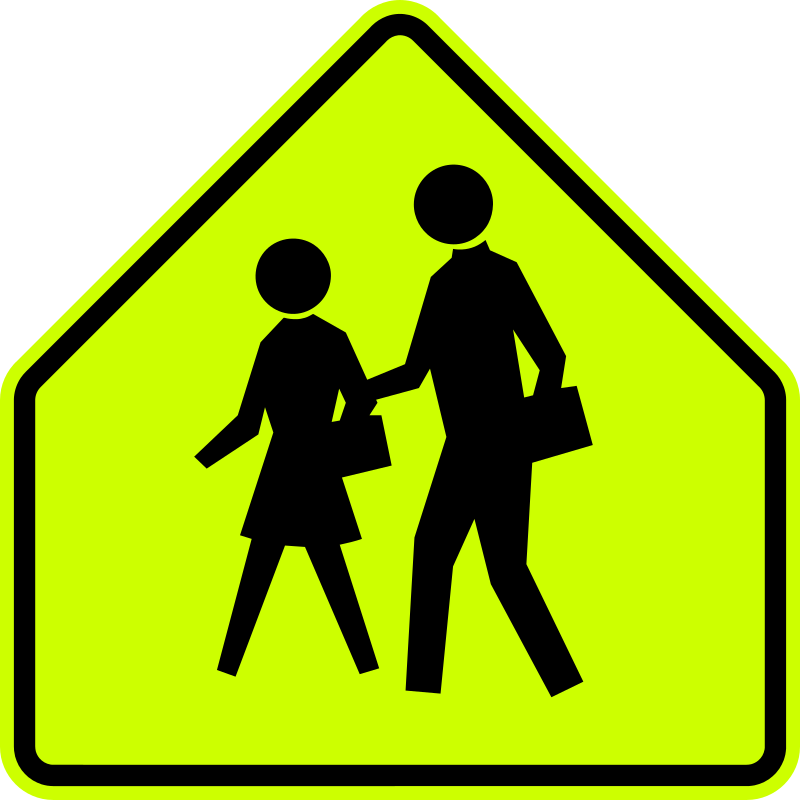 This sign means:
A
Business area nearby. Watch for business people.
B
There is a work zone ahead. Watch for workers.
C
The driver is near a school and should watch for children.
No explanation available.
Question 33
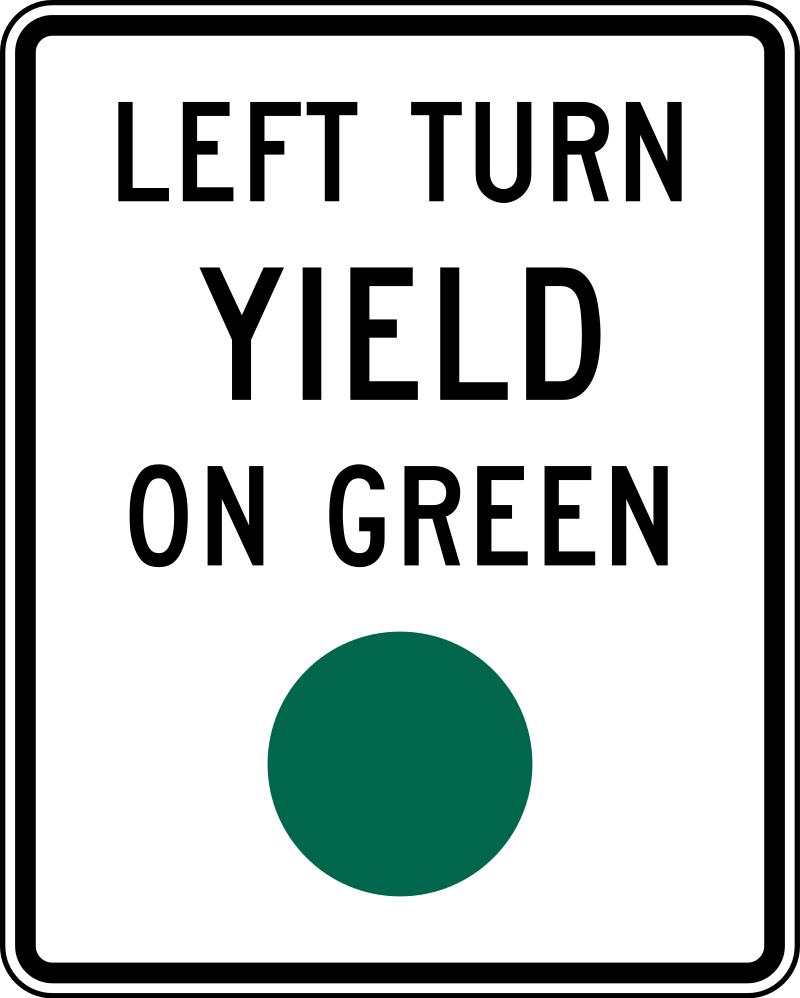 This white sign means you:
A
may turn left on a green light when it is safe to do so.
B
may turn left only on a green arrow.
C
must wait for the solid green light before you turn left.
No explanation available.
Question 34
If your car breaks down on the highway, you should:
A
use your four-way flashers to warn other drivers.
B
sound your horn to warn passing vehicles.
C
flash your headlights at oncoming traffic.
D
stop in the right lane.
No explanation available.
Question 35
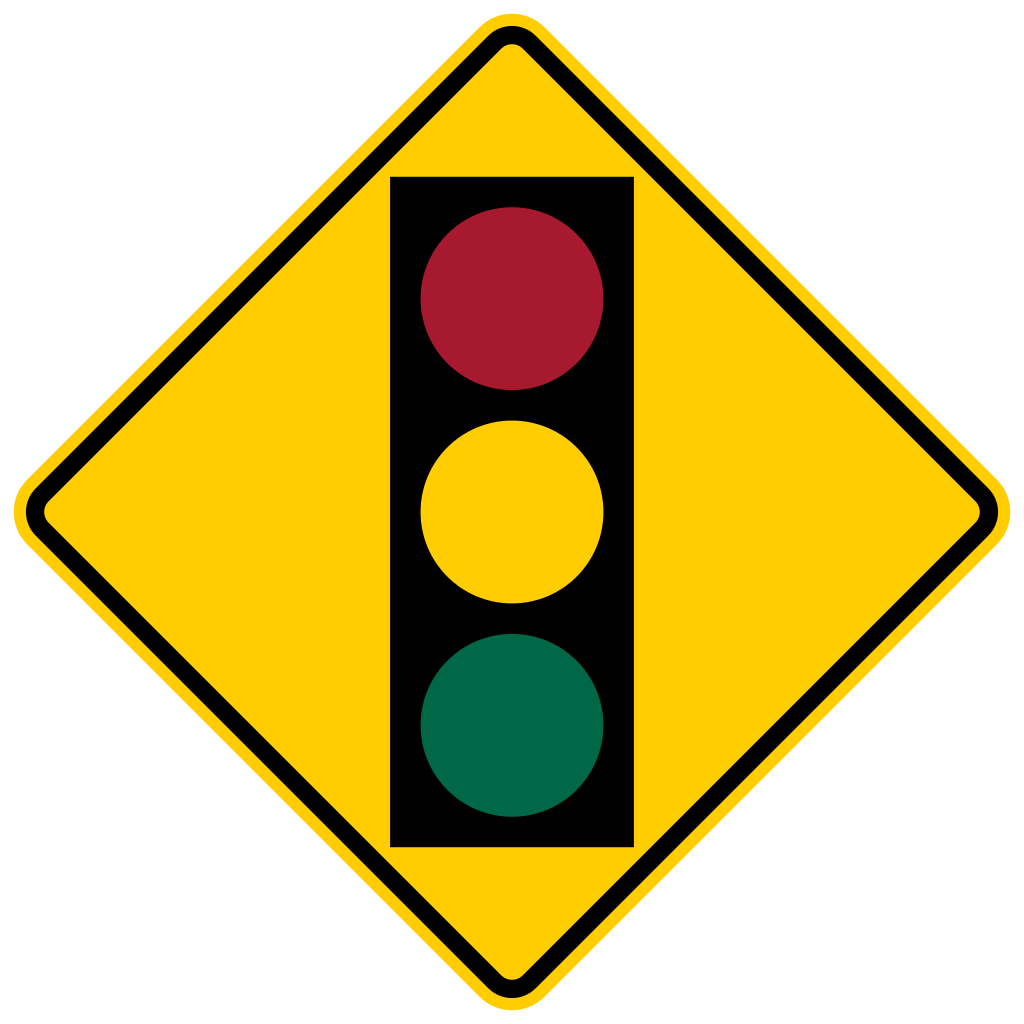 This sign means:
A
You must stop ahead
B
Railroad crossing ahead
C
No Passing Zone
D
There is a traffic signal ahead
No explanation available.
Question 36
What is the first thing to do when you make a three-point turn?
A
Signal with your left turn signal, then check carefully for traffic coming toward you.
B
Signal with your right turn signal, then pull over to the right and stop.
C
Turn left, go across the road so you come to a stop while you face the edge of the road.
No explanation available.
Question 37
When approaching someone using a white cane, you should proceed with caution because:
A
the pedestrian might be using a guide dog.
B
the pedestrian might be blind.
C
the pedestrian is deaf.
D
the pedestrian is blind.
No explanation available.
Question 38
You ________ traffic headed toward you when you turn left.
A
must not yield to
B
must interrupt
C
must yield to
No explanation available.
Question 39
Distractions that take your attention away from driving can be caused by ______ while driving.
A
changing the radio
B
eating or drinking
C
using your cell phone
D
All of the above.
No explanation available.
Question 40
When approaching a blind person walking with a white cane or guide dog, drivers should yield the right-of-way.
A
False
B
True
No explanation available.
Question 41
To keep your vehicle from rolling into traffic when parked on a hill, if you are facing uphill you should:
A
turn the front wheels away from the curb or edge of the road.
B
turn the back wheels towards the curb or edge of the road.
C
set the parking brake and keep the front wheels straight.
D
turn the front wheels towards the curb or edge of the road.
No explanation available.
Question 42
If an aggressive driver cuts you off, you should:
A
sound your horn.
B
look towards the left side of the road.
C
stay calm and get out of the aggressive driver's way.
D
call the police immediately.
No explanation available.
Question 43
Directions given by traffic officers ___________ signs, signals or pavement markings.
A
take precedence over
B
are less important than
C
must obey
No explanation available.
Question 44
Your red traffic signal changes to green while a pedestrian is crossing in your traffic lane. The right of way should be given:
A
by the pedestrian, but only when vehicles are turning left.
B
by the pedestrian.
C
to the pedestrian.
No explanation available.
Question 45
When the pavement is marked with a double yellow line, drivers may pass other vehicles:
A
None of the other answers is correct.
B
only if there are no oncoming vehicles.
C
only if the vehicle ahead is driving 10 mph or more under the speed limit.
D
Never.
No explanation available.
Question 46
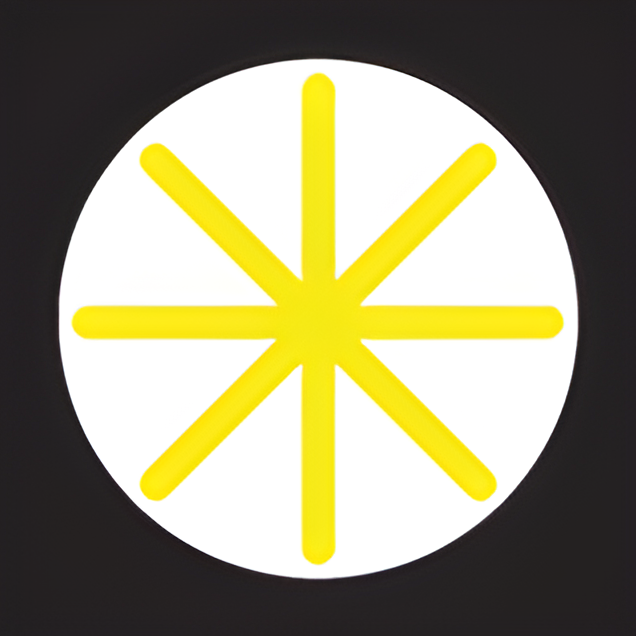 What does a flashing yellow light mean?
A
The same thing as a stop sign.
B
Drivers may move forward with caution.
C
All of the above.
No explanation available.
Question 47
The yield sign is ___ and white, with ___ letters.
A
yellow; black
B
red; red
C
red; white
No explanation available.
Question 48
The effects of alcohol on driving include:
A
None of the above.
B
Improved coordination
C
Better reflexes
D
Improved judgement
No explanation available.
Question 49
 This sign means:
A
Railroad crossing
B
No Passing Zone
C
The road ends ahead
No explanation available.
Question 50
Drivers may pass on a two-lane roadway marked with a single solid yellow line on their side of the center line.
A
False
B
True
No explanation available.