Question 1:
The following symptoms are associated with drowsy driving:
A
You continue to yawn.
B
You don’t remember driving the last few miles.
C
All of the above.
Alcohol and impairing substances degrade all critical driving functions: You continue to yawn; You don’t remember driving the last few miles. Driving while impaired carries severe criminal and safety penalties.
Question 2:
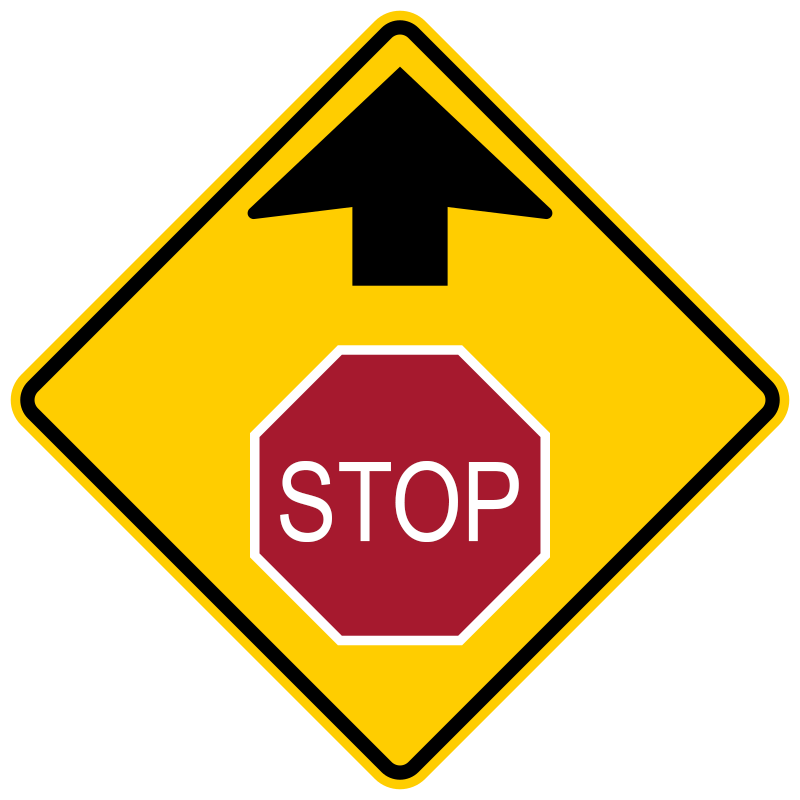 When drivers come to this sign, they must:
A
be ready to stop at the stop sign.
B
warn other drivers that a stop sign is ahead.
C
brake sharply and come to a complete stop.
This traffic sign indicates: be ready to stop at the stop sign. Observing and obeying all roadway signs ensures safe traffic flow and legal driving.
Question 3:
Who is most at risk?
A
Drivers who have overslept.
B
Drivers who are driving long distances without rest breaks.
C
Experienced drivers.
The correct driving rule is: drivers who are driving long distances without rest breaks. Following standard DMV road rules and practicing defensive driving ensures safety for all road users.
Question 4:
When approaching someone using a white cane or guide dog, drivers should:
A
slow down and be prepared to stop.
B
proceed normally.
C
come to a complete stop and invite them to take the right-of-way.
The correct driving rule is: slow down and be prepared to stop. Following standard DMV road rules and practicing defensive driving ensures safety for all road users.
Question 5:
Alcohol causes:
A
poor judgment.
B
loss of concentration.
C
reduced perception.
D
All of the above.
Alcohol and impairing substances degrade all critical driving functions: poor judgment; loss of concentration; reduced perception. Driving while impaired carries severe criminal and safety penalties.
Question 6:
When taking medication while driving, you should:
A
Understand the effects of the medication and adjust your driving accordingly.
B
Get a cup of coffee.
C
Make several rest stops along the way.
Under state DUI and traffic safety laws: Understand the effects of the medication and adjust your driving accordingly. Alcohol degrades judgment, slows reaction times, and distorts depth perception.
Question 7:
When driving on a two-lane road, drivers must stop when approaching a stopped school bus unloading children.
A
False
B
True
When a school bus displays flashing red lights and extended stop sign: True. Traffic in both directions must come to a full stop on undivided roads until children are clear.
Question 8:
Road signs that direct drivers to services are:
A
brown and white.
B
blue and white.
C
green and white.
The correct driving rule is: blue and white. Following standard DMV road rules and practicing defensive driving ensures safety for all road users.
Question 9:
When drivers see the ‘Wrong Way’ sign:
A
they are going the wrong way on an expressway exit ramp.
B
they must drive past this sign and reach the next intersection.
C
they must not leave the pavement except in an emergency.
The correct driving rule is: they are going the wrong way on an expressway exit ramp. Following standard DMV road rules and practicing defensive driving ensures safety for all road users.
Question 10:
What should you do if your brakes fail?
A
Hook your shoe under the pedal and see if you can free it.
B
Turn on your cruise control.
C
Try pumping the brake pedal to increase pressure.
The correct driving rule is: Try pumping the brake pedal to increase pressure. Following standard DMV road rules and practicing defensive driving ensures safety for all road users.
Question 11:
___________ are green with white letters and symbols.
A
Warning signs
B
Destination signs (guide signs)
C
Regulation signs (regulatory signs)
The correct driving rule is: Destination signs (guide signs). Following standard DMV road rules and practicing defensive driving ensures safety for all road users.
Question 12:
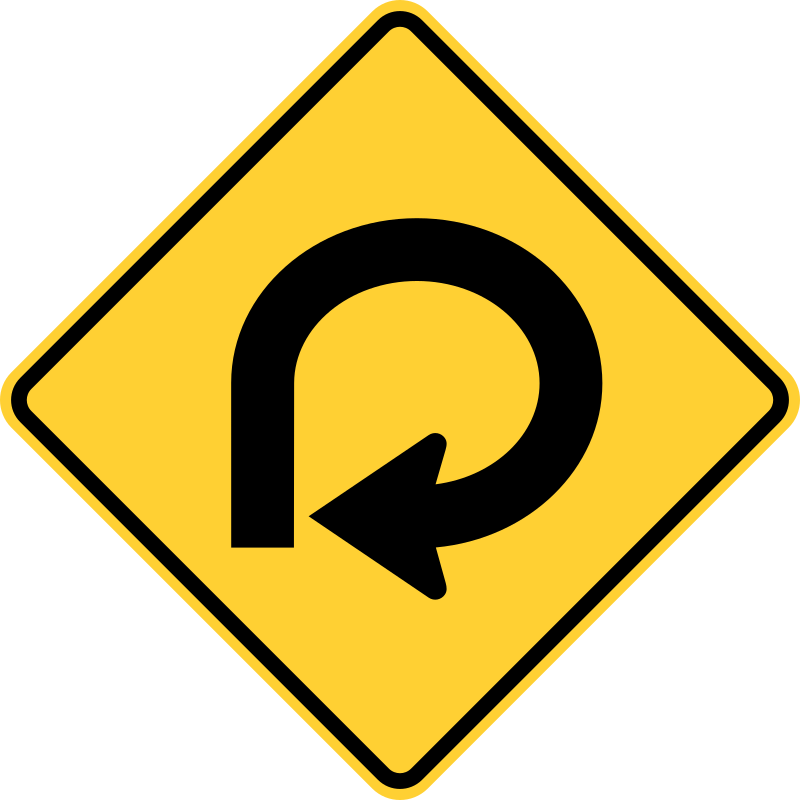 This sign means:
A
Roundabout ahead.
B
270 degree turn ahead.
C
Wrong way; Turn around immediately.
This traffic sign indicates: 270 degree turn ahead. Observing and obeying all roadway signs ensures safe traffic flow and legal driving.
Question 13:
SCDMV must be notified within ___ days of any name or address changes.
A
15
B
30
C
10
The correct driving rule is: 10. Following standard DMV road rules and practicing defensive driving ensures safety for all road users.
Question 14:
When you are backing up, it is usually best to:
A
steer with both hands, look into the rearview mirror and back up slowly.
B
steer with one hand, while looking out the rear window.
C
steer with both hands, open the left door and look back.
The correct driving rule is: steer with one hand, while looking out the rear window. Following standard DMV road rules and practicing defensive driving ensures safety for all road users.
Question 15:
What is the meaning of orange traffic signs?
A
Yield.
B
Warning of school, pedestrian, and bicycling activity.
C
Construction and maintenance warning.
The correct driving rule is: Construction and maintenance warning. Following standard DMV road rules and practicing defensive driving ensures safety for all road users.
Question 16:
What is the slow moving vehicle symbol?
A
A reflective yellow diamond
B
A reflective white triangle
C
A reflective orange triangle
The correct driving rule is: A reflective orange triangle. Following standard DMV road rules and practicing defensive driving ensures safety for all road users.
Question 17:
You should use turn signals to indicate your intention with sufficient time to allow other drivers to see the signal:
A
if it’s raining.
B
AFTER you move.
C
BEFORE you move.
State laws require signaling your intention: BEFORE you move. Signal at least 100 feet before making a turn or changing lanes.
Question 18:
When approaching a railroad crossing that has no warning signals (such as electric flashing lights or gates) a driver should look, listen and slow down.
A
False
B
True
The correct driving rule is: True. Following standard DMV road rules and practicing defensive driving ensures safety for all road users.
Question 19:
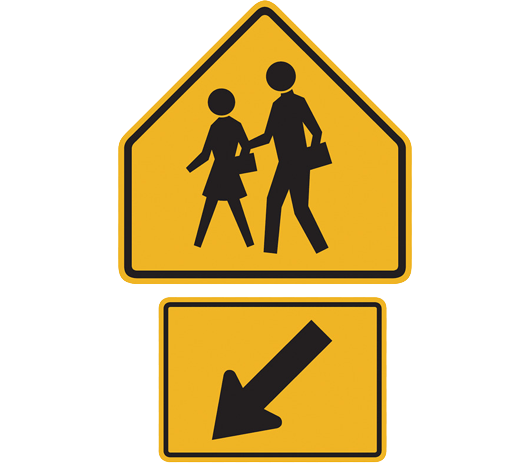 When they approach this sign, drivers must:
A
slow down and watch for children crossing the road.
B
obey signals from crossing guards.
C
stop if necessary.
D
All of the above.
This sign alerts drivers to several mandatory requirements: slow down and watch for children crossing the road, obey signals from crossing guards, stop if necessary. Obeying all posted traffic control instructions is required by law.
Question 20:
While driving on an undivided highway, you approach a school bus that is stopped and has its red lights flashing. You:
A
may pass if the way is clear.
B
may pass the bus on the right, if no children are present.
C
must remain stopped until the bus driver turns off the flashing red lights.
When a school bus displays flashing red lights and extended stop sign: must remain stopped until the bus driver turns off the flashing red lights. Traffic in both directions must come to a full stop on undivided roads until children are clear.
Question 21:
If you are involved in a traffic collision, you should:
A
report the accident within 24 hours.
B
move your vehicle from the roadway to the shoulder, aid the injured, protect the scene and notify the authorities.
C
report the accident to your insurance company immediately, then notify the authorities.
The correct driving rule is: move your vehicle from the roadway to the shoulder, aid the injured, protect the scene and notify the authorities. Following standard DMV road rules and practicing defensive driving ensures safety for all road users.
Question 22:
When a ‘Road Closed’ sign is displayed, drivers must:
A
make a U-turn.
B
look for a detour or another route.
C
come to a complete stop and wait for the lights to turn green.
The correct driving rule is: look for a detour or another route. Following standard DMV road rules and practicing defensive driving ensures safety for all road users.
Question 23:
On what three conditions does your blood alcohol content (BAC) depend?
A
Your weight. How much alcohol you drink. How much time passes between drinks.
B
Your weight. The type of beverage you drink. How fit you are.
C
Your height. How much alcohol you drink. The type of beverage you drink.
Under state DUI and traffic safety laws: Your weight. How much alcohol you drink. How much time passes between drinks. Alcohol degrades judgment, slows reaction times, and distorts depth perception.
Question 24:
Which signs have black letters on a white background?
A
Warning signs (diamond)
B
Regulatory signs (vertical rectangle)
C
Guide signs (horizontal rectangle)
The correct driving rule is: Regulatory signs (vertical rectangle). Following standard DMV road rules and practicing defensive driving ensures safety for all road users.
Question 25:
You must stop for a railroad crossing when directed by ___________ warning you of a coming train.
A
a flagman
B
a stop sign
C
All of the above.
All of the listed points are essential driving requirements: a flagman; a stop sign. Practicing each ensures compliance with DMV safety laws.
Question 26:
When driving in fog, you should:
A
Increase your speed to avoid causing an accident.
B
Turn on your high beam headlights.
C
Slow down and use your low beam headlights. If fog is heavy, pull off road and stop.
Always use low-beam headlights in fog, heavy rain, or snow. High beams reflect off moisture droplets and bounce glare back into your eyes.
Question 27:
Blind spots around a large vehicle are _________________ than the blind spots around a car.
A
larger and deeper
B
less dangerous
C
narrower and shorter
The correct driving rule is: larger and deeper. Following standard DMV road rules and practicing defensive driving ensures safety for all road users.
Question 28:
Parking is not allowed:
A
on the road side of a parked vehicle.
B
in a tunnel.
C
All of the above.
Under standard parking and curb regulations: All of the above. Following parking distance clearances keeps roadways unobstructed and emergency lanes accessible.
Question 29:
When you travel in a work zone, you should:
A
slow down and obey posted speed limits.
B
watch for cones, signs, barrels, large vehicles, or workers.
C
All of the above.
All of the listed points are essential driving requirements: slow down and obey posted speed limits; watch for cones, signs, barrels, large vehicles, or workers. Practicing each ensures compliance with DMV safety laws.
Question 30:
Which statement about yielding right-of-way is true?
A
Drivers turning right at intersections have the right-of-way over pedestrians crossing the intersection.
B
When turning left at an intersection, you may turn left before the oncoming traffic.
C
Although there are laws governing right of way, drivers should never “demand” their right-of-way.
According to standard right-of-way regulations: Although there are laws governing right of way, drivers should never “demand” their right-of-way. Yielding appropriately prevents intersection collisions and maintains safe traffic flow.
Question 31:
Taking a prescription drug while drinking alcohol:
A
has no effect one way or the other.
B
can make you unfit to drive.
C
will improve your alertness.
Under state DUI and traffic safety laws: can make you unfit to drive. Alcohol degrades judgment, slows reaction times, and distorts depth perception.
Question 32:
 This road sign means:
A
Divided highway ahead
B
Two-way traffic ahead
C
Four-lane traffic ahead
This traffic sign indicates: Two-way traffic ahead. Observing and obeying all roadway signs ensures safe traffic flow and legal driving.
Question 33:
You are stopped at a stop sign and you are going to go straight through the intersection. A car on the cross road has stopped at a stop sign on your right and is going to go straight. Who has the right-of-way?
A
Whoever enters the intersection first.
B
You.
C
The car on your right.
According to standard right-of-way regulations: The car on your right. Yielding appropriately prevents intersection collisions and maintains safe traffic flow.
Question 34:
To see objects in your blind spot when changing lanes, drivers should check:
A
only the inside rearview mirror.
B
over the left or right shoulder.
C
only the left outside mirror.
Large commercial trucks have extensive blind spots on all four sides called the 'No-Zone': over the left or right shoulder. If you cannot see the truck driver in their side mirrors, they cannot see you.
Question 35:
__________ are blue with white letters and symbols.
A
Warning signs
B
Service signs
C
Destination signs (guide signs)
The correct driving rule is: Service signs. Following standard DMV road rules and practicing defensive driving ensures safety for all road users.
Question 36:
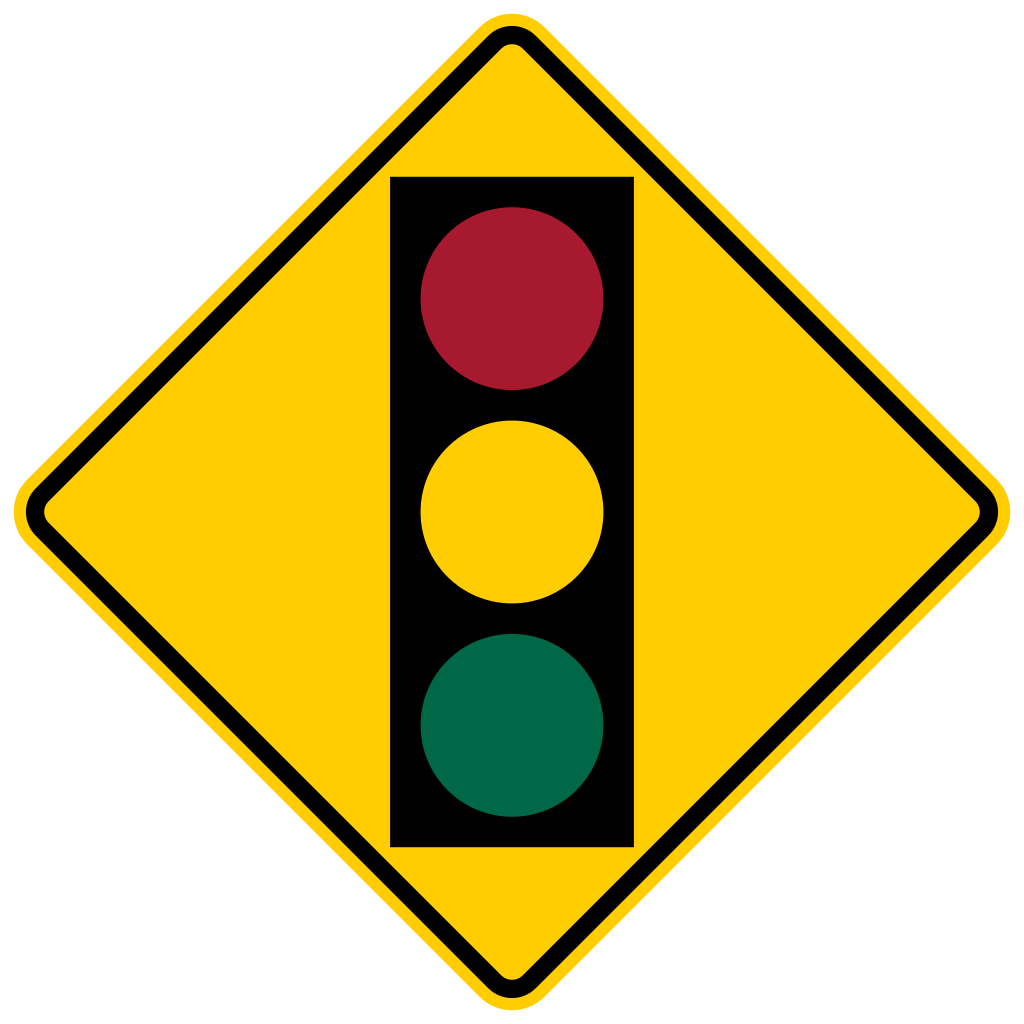 This road sign means:
A
Traffic signal ahead
B
Stop
C
Yield the right-of-way
This traffic sign indicates: traffic signal ahead. Observing and obeying all roadway signs ensures safe traffic flow and legal driving.
Question 37:
The faster the speed, the longer it takes a vehicle to slow down and come to a complete stop.
A
False
B
True
For safe speed and stopping control: True. Adjusting speed to match visibility and road traction prevents loss of steering grip.
Question 38:
When your wheels run off the pavement, you should:
A
Grip the steering wheel firmly, begin to slow down, then move slowly back onto the road surface.
B
Hit the breaks hard.
C
Hit the brakes firmly and attempt to cut back sharply onto the pavemen.
The correct driving rule is: Grip the steering wheel firmly, begin to slow down, then move slowly back onto the road surface. Following standard DMV road rules and practicing defensive driving ensures safety for all road users.
Question 39:
You come to a railroad crossing where the crossing gates are down and the lights are flashing. What should you do?
A
Come to a complete stop well behind the gates, wait for the tracks to clear and for the gates to raise, then proceed.
B
Slow down, and drive around the gates if clear.
C
Drive through the crossing gates, if you don't see a train.
The correct driving rule is: come to a complete stop well behind the gates, wait for the tracks to clear and for the gates to raise, then proceed. Following standard DMV road rules and practicing defensive driving ensures safety for all road users.
Question 40:
 This road sign means:
A
Merge right
B
Stop sign ahead
C
Reduction in lanes
This traffic sign indicates: Reduction in lanes. Observing and obeying all roadway signs ensures safe traffic flow and legal driving.
Question 41:
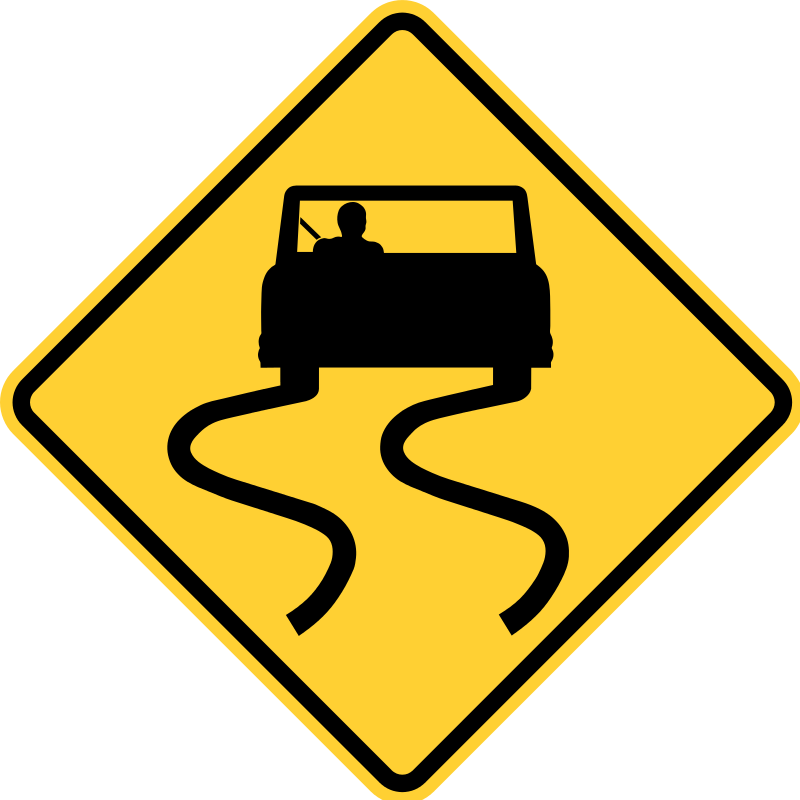 This road sign means:
A
Winding road
B
Side road ahead
C
Slippery when wet
This traffic sign indicates: Slippery when wet. Observing and obeying all roadway signs ensures safe traffic flow and legal driving.
Question 42:
To correctly execute a three-point turnabout:
A
signal, check your mirrors and perform the three-point turnabout.
B
give your turn signal, then perform the three-point turnabout.
C
signal, check your mirrors, look over your left shoulder and perform the turnabout when clear.
The correct driving rule is: signal, check your mirrors, look over your left shoulder and perform the turnabout when clear. Following standard DMV road rules and practicing defensive driving ensures safety for all road users.
Question 43:
If a pedestrian is in the middle of the street when your signal light changes to green, you should:
A
proceed unless the pedestrian is in your lane.
B
proceed because you have the right-of-way.
C
wait until the pedestrian crosses the street before proceeding.
Drivers must always yield the right-of-way to pedestrians crossing at intersections and crosswalks: wait until the pedestrian crosses the street before proceeding. Stop and allow them to clear the lane safely.
Question 44:
Roads are the most slippery:
A
the first rain after a dry spell.
B
after it has been raining for an hour or more.
C
for the first 2 hours of a rain storm.
For safe speed and stopping control: the first rain after a dry spell. Adjusting speed to match visibility and road traction prevents loss of steering grip.
Question 45:
When entering and starting a parked vehicle, you should:
A
in heavy traffic, tell other drivers to stop so you may enter the vehicle.
B
before you enter the vehicle, look around for obstacles that may interfere with safe driving.
C
back up slowly, then enter the vehicle.
The correct driving rule is: before you enter the vehicle, look around for obstacles that may interfere with safe driving. Following standard DMV road rules and practicing defensive driving ensures safety for all road users.
Question 46:
If a tire suddenly blows out while you are driving, you should:
A
apply the brakes firmly.
B
slow down gradually and brake lightly.
C
pump the brakes rapidly.
The correct driving rule is: slow down gradually and brake lightly. Following standard DMV road rules and practicing defensive driving ensures safety for all road users.
Question 47:
Drivers are not required to stop for a stopped school bus when driving on a two-lane road.
A
False
B
True
When a school bus displays flashing red lights and extended stop sign: False. Traffic in both directions must come to a full stop on undivided roads until children are clear.
Question 48:
If you hear a thumping sound while driving, you should:
A
hook your shoe under the gas pedal and see if you can free it.
B
get off the road and check your tires.
C
try your emergency lights.
The correct driving rule is: get off the road and check your tires. Following standard DMV road rules and practicing defensive driving ensures safety for all road users.
Question 49:
What is the first thing to do when you make a three-point turn?
A
Signal with your left turn signal, then check carefully for traffic coming toward you.
B
Signal with your right turn signal, then pull over to the right and stop.
C
Turn left, go across the road so you come to a stop while you face the edge of the road.
The correct driving rule is: signal with your right turn signal, then pull over to the right and stop. Following standard DMV road rules and practicing defensive driving ensures safety for all road users.
Question 50:
 The sign in the picture:
A
is a Construction and Maintenance Traffic Control sign.
B
is found at most intersections and indicates that drivers must yield to other vehicles.
C
is displayed on the rear of slow moving vehicles.
The correct driving rule is: is displayed on the rear of slow moving vehicles. Following standard DMV road rules and practicing defensive driving ensures safety for all road users.