Question 1:
You reach an intersection that is not controlled at the same time as a driver on your right, and both of you prepare to go straight. Who has the right-of-way?
A
You.
B
No one.
C
The other driver.
No explanation available.
Question 2:
Drowsy drivers:
A
are typically older drivers.
B
are at risk of being involved in a crash.
C
should drink coffee to stay awake.
D
can stay awake by opening a window.
No explanation available.
Question 3:
Fatigue increases the risk of:
A
falling asleep while driving.
B
hitting a roadblock.
C
missing an exit.
No explanation available.
Question 4:
What should you do if your brakes fail?
A
Hook your shoe under the pedal and see if you can free it.
B
Turn on your cruise control.
C
Try pumping the brake pedal to increase pressure.
No explanation available.
Question 5:
What do pennant-shaped signs indicate?
A
A school crossing
B
Yield
C
A No Passing Zone
No explanation available.
Question 6:
Gauging the speed of a motorcycle may be difficult because:
A
motorcycles take up less of your field of vision.
B
motorcycles often slow down by downshifting.
C
many motorcyclists do not activate the brake light.
No explanation available.
Question 7:
A red arrow on a traffic light means:
A
You may not turn in the direction of the arrow until a green light or arrow light goes on.
B
You may turn in in the direction of the arrow after coming to a complete stop.
C
You must stop and then proceed when the way is clear.
No explanation available.
Question 8:
What should you do when an aggressive driver confronts you?
A
Avoid eye contact with the aggressive driver.
B
Make eye contact.
C
Challenge the aggressive driver with increased speed.
No explanation available.
Question 9:
 This regulatory road sign indicates that:
A
Vehicles must slow down and stay in the right lane.
B
The right hand lane is reserved for buses and car-pool vehicles.
C
Slower vehicles traveling on multiple lane highways must stay in the right hand lane.
No explanation available.
Question 10:
Roads are most slippery:
A
just before it rains.
B
when it stops raining.
C
when it first starts to rain.
No explanation available.
Question 11:
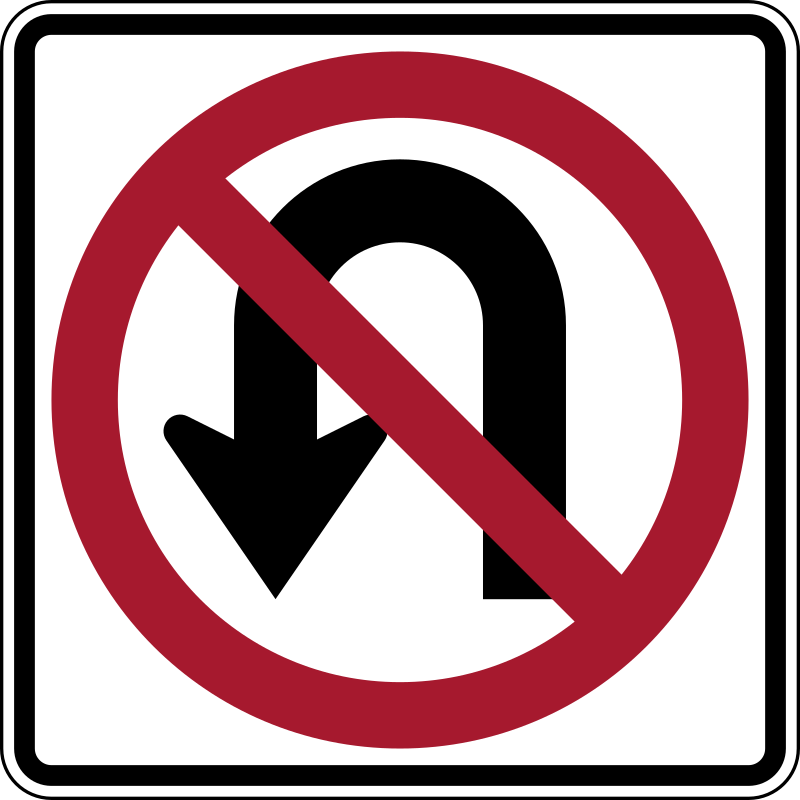 The picture shows a _________ sign.
A
no U-turn
B
no left turn
C
sharp turn
No explanation available.
Question 12:
What should drivers do when the red lights begin to flash?
A
Stop.
B
Yield.
C
Slow down.
No explanation available.
Question 13:
Many crashes are caused by:
A
yielding the right of way.
B
frequently checking mirrors and blind spot.
C
maintaining a 4-second following distance between your vehicle and any vehicle in front of you.
D
driving too fast for conditions.
No explanation available.
Question 14:
 This road sign means:
A
There is a series of sharp turns up ahead on the road
B
Sharp right turn ahead.
C
A road joins from the right
No explanation available.
Question 15:
The only effective way to reduce your blood alcohol content (BAC) is:
A
drinking coffee.
B
fresh air.
C
not to drink over a period of time.
No explanation available.
Question 16:
A broken yellow line between two lanes of traffic means:
A
Passing is permitted when safe.
B
Passing is not permitted.
C
Passing on the right is permitted in either direction
No explanation available.
Question 17:
You should use turn signals to indicate your intention with sufficient time to allow other drivers to see the signal:
A
if it’s raining.
B
AFTER you move.
C
BEFORE you move.
No explanation available.
Question 18:
If your car goes into water, you should:
A
wait for water to rush in and let it out in small breaths through your nose.
B
call the fire department immediately.
C
remove yourself before it starts to sink.
No explanation available.
Question 19:
If your car becomes disabled on a highway, you should:
A
stop in the right lane.
B
park with all four wheels off the highway, if possible.
C
stop where you are.
No explanation available.
Question 20:
You are stopped at a stop sign and you are going to go straight through the intersection. A car on the cross road has stopped at a stop sign on your right and is going to go straight. Who has the right-of-way?
A
Whoever enters the intersection first.
B
You.
C
The car on your right.
No explanation available.
Question 21:
Blind spots are:
A
Dangerous intersection where the maximum speed limit is 15 MPH or less.
B
At night, the darkest areas of a road, where emergency flashers should be used.
C
Areas to the side or rear of a vehicle that the driver cannot see with use of mirrors.
No explanation available.
Question 22:
 This sign means:
A
narrow road ahead.
B
no turns are allowed on this road.
C
series of curves ahead.
D
the road may be slippery when wet.
No explanation available.
Question 23:
 What does the flashing signal in the picture indicate?
A
The same thing as a stop sign.
B
Pedestrians should finish crossing the street if started.
C
Pedestrians should start crossing the street.
No explanation available.
Question 24:
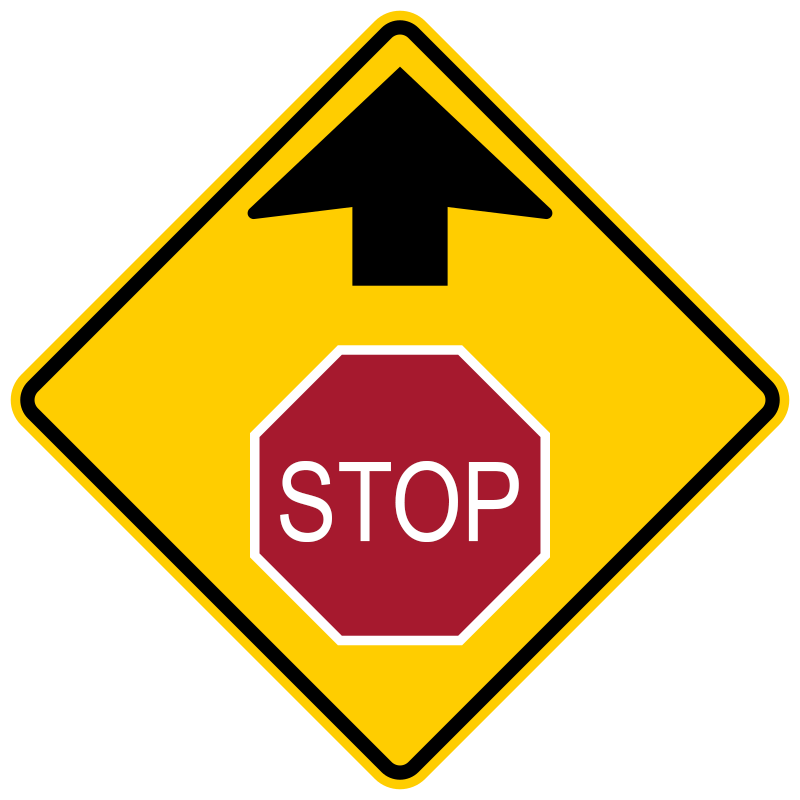 This road sign means:
A
Railroad Warning
B
Stop Sign Ahead
C
Lane ends
D
Stop if necessary
No explanation available.
Question 25:
To drive defensively, you must:
A
avoid scanning the road ahead.
B
keep one hand on the steering wheel.
C
keep your eyes moving.
No explanation available.
Question 26:
This road sign means:
A
Road construction ahead
B
The road ahead curves right, then left
C
Steep grade ahead
No explanation available.
Question 27:
Which of the following is a common cause of a traffic collisions?
A
Following too closely.
B
Excessive speed for conditions.
C
Distracted driving.
D
All of the above.
No explanation available.
Question 28:
When you see an emergency vehicle with flashing lights, you must:
A
maintain your speed.
B
keep moving slowly, staying to the right side of the road.
C
drive to the right side of the road and stop.
D
stay in your lane, slow down, and let it pass.
No explanation available.
Question 29:
This sign warns drivers that:
A
they must turn either to the right or left.
B
there is a double curve ahead.
C
there is a winding road ahead.
No explanation available.
Question 30:
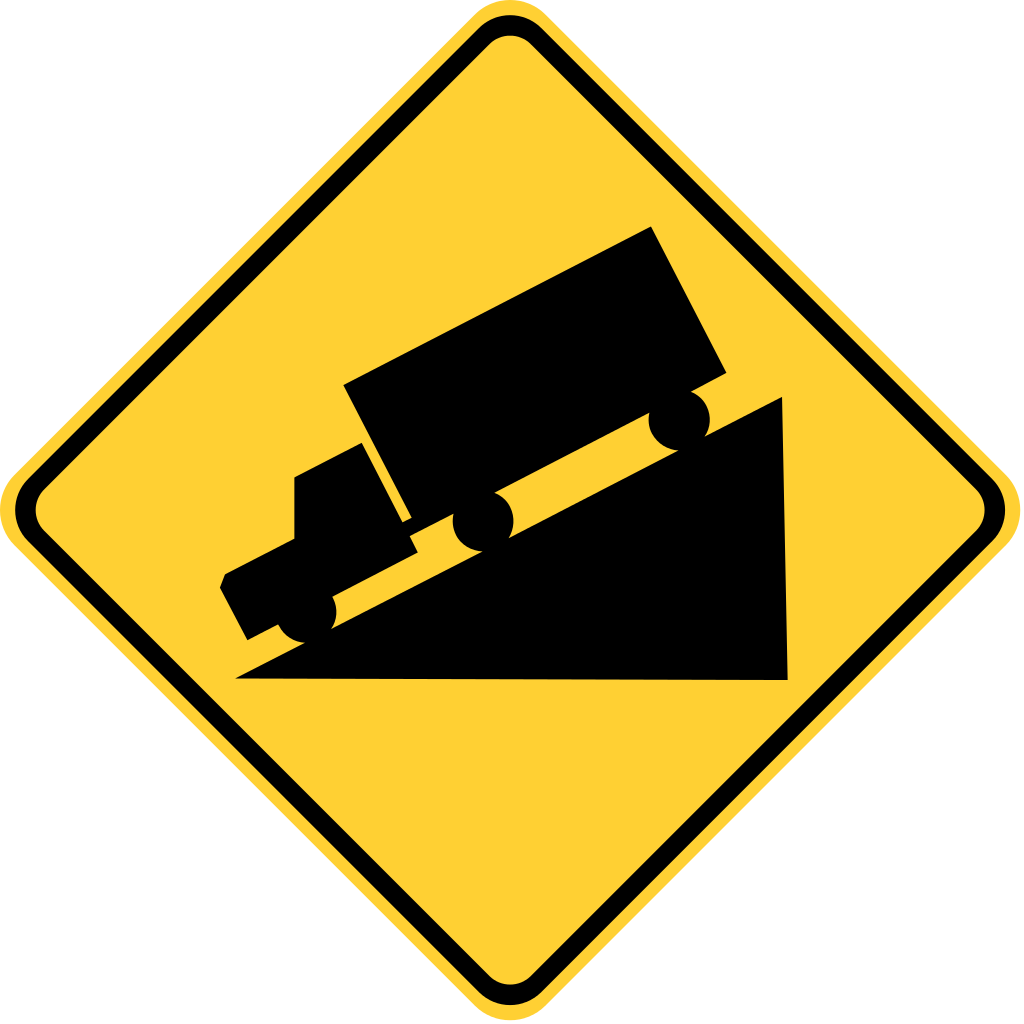 This road sign means:
A
Watch for trucks entering from the side
B
Merging traffic
C
Steep hill
No explanation available.
Question 31:
When driving on a roadway with a single broken white line:
A
you may cross the broken white line to change lanes.
B
you may change lanes only if you are in the right lane.
C
you may not cross the broken white line.
No explanation available.
Question 32:
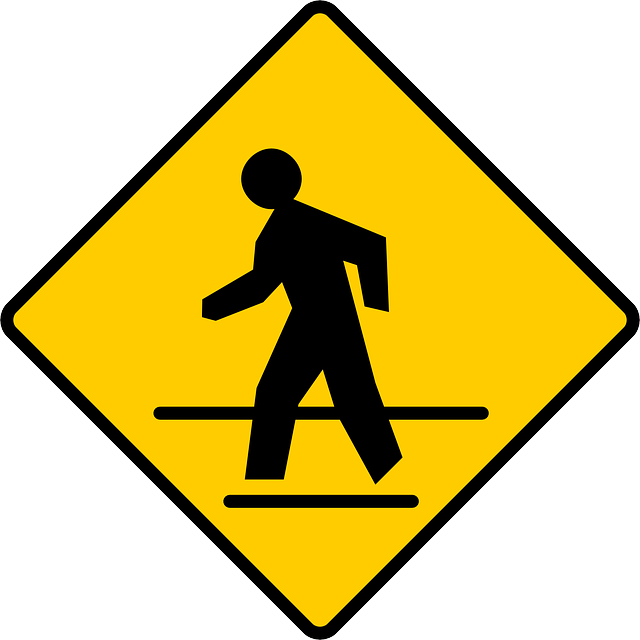 This road sign means:
A
Pedestrian crossing
B
School zone
C
School crossing
No explanation available.
Question 33:
An octagonal sign means that drivers must:
A
respect the posted speed limit.
B
come to a complete stop at the marked stop line.
C
be aware possible hazards ahead.
No explanation available.
Question 34:
If you suddenly have no control of the steering wheel, you should:
A
turn on your emergency flashers and pull off the road.
B
ease your foot off the gas pedal. Turn on your emergency flashers and allow your vehicle to come to a slow stop.
C
pump your brake pedal to build pressure.
D
react as you would with a blowout.
No explanation available.
Question 35:
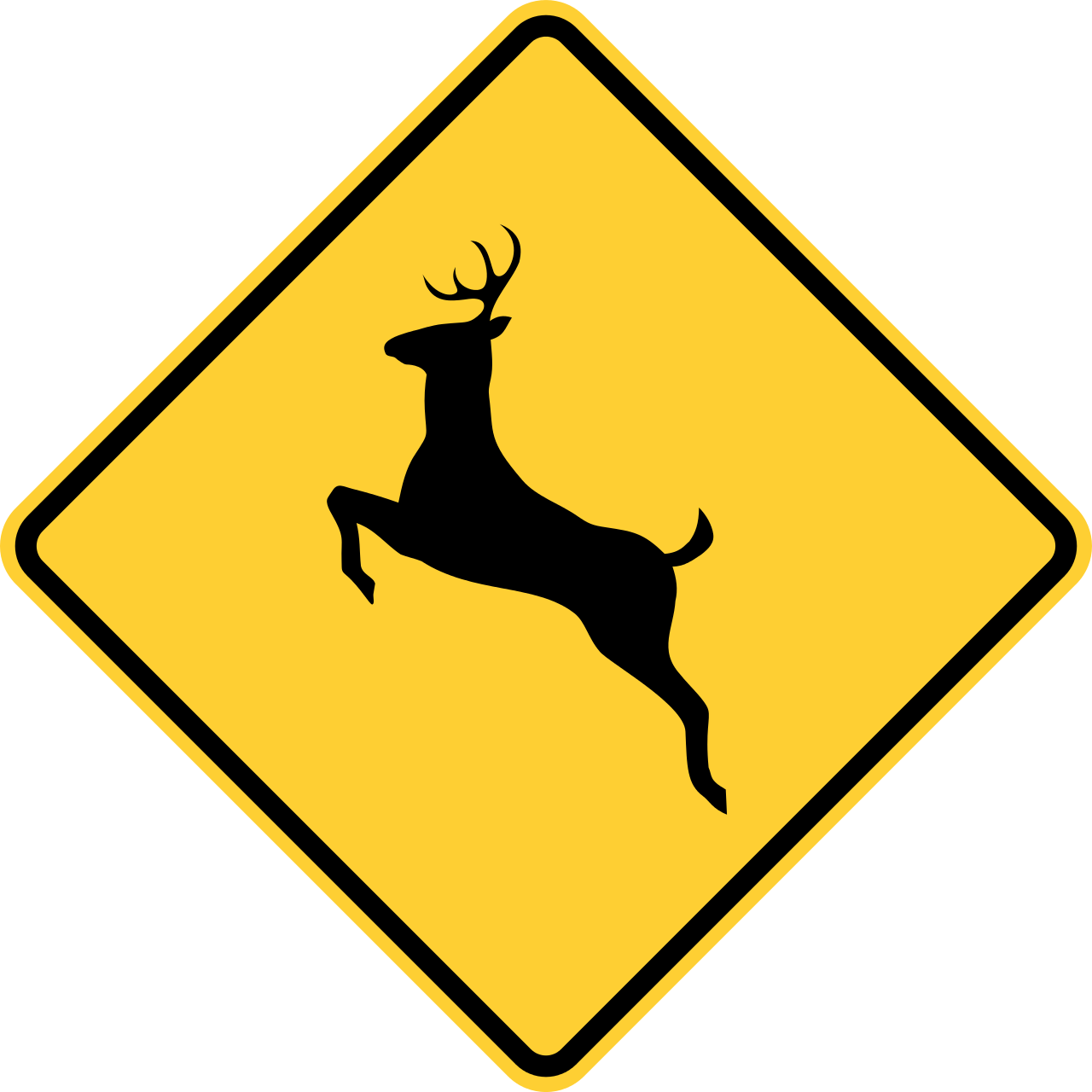 When they see this road sign, drivers should:
A
drive carefully because the animal pictured on the sign is extremely rare in the area.
B
watch for this species crossing the road.
C
park in the zoo area.
No explanation available.
Question 36:
More than one vehicle is approaching a four-way stop sign. Who has the right of way?
A
The first driver to reach the intersection and stop.
B
The driver on the left.
C
The last driver to reach the intersection.
No explanation available.
Question 37:
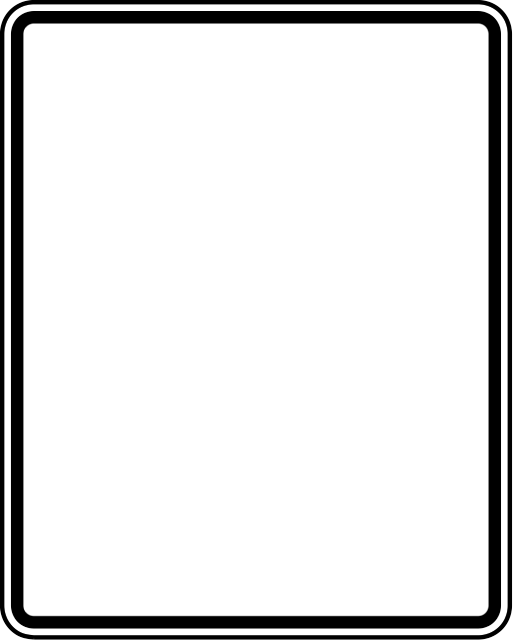 Vertical rectangles tell drivers:
A
the law.
B
what is not allowed.
C
the direction they should travel.
No explanation available.
Question 38:
This road sign means:
A
No left turn
B
No U-turn
C
Detour ahead
No explanation available.
Question 39:
To maintain an adequate 'space cushion' to the front, drivers need to:
A
keep a safe distance between their car and the vehicle in front.
B
The other answers are both correct.
C
control their speed to suit the road and traffic conditions.
No explanation available.
Question 40:
If you stop at a railroad crossing with more than one track:
A
proceed with caution until you see a train.
B
go through when one of the tracks is free.
C
go through as soon as the first train passes.
D
wait until you have a clear view of both tracks.
No explanation available.
Question 41:
Are bicyclists required to obey traffic laws and signs?
A
No, bicyclists are considered pedestrians when it comes to the rules of the road.
B
Yes.
C
Yes, but only if they are riding in a bicycle lane.
No explanation available.
Question 42:
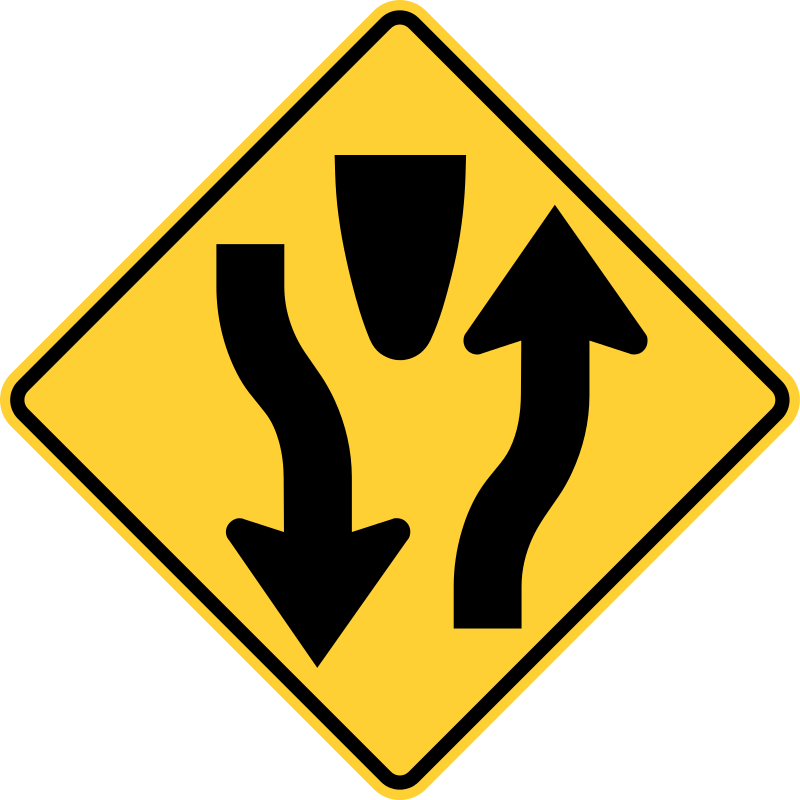 This road sign means:
A
Divided highway ahead - stay to the right
B
Do not enter
C
Do not pass
No explanation available.
Question 43:
If you stop along the road at night:
A
turn on your emergency flashers and leave your low beams on.
B
turn off your emergency lights and leave your high beams on.
C
turn on your headlights only.
D
turn off all your lights.
No explanation available.
Question 44:
Drivers can not pass a vehicle on the left if:
A
they approach the top of a hill on a two-way road and can not see over it.
B
they can not safely return to the right lane before they reach a solid yellow center line for the right lane.
C
All of the above.
No explanation available.
Question 45:
If a traffic signal light is green and a police officer signals you to stop:
A
you must stop.
B
you must go.
No explanation available.
Question 46:
This sign warns drivers that:
A
the highway ahead is divided into two one-way roadways. Drivers should keep to the right.
B
there is a winding road ahead.
C
there is a double curve ahead.
No explanation available.
Question 47:
 This sign warns drivers that:
A
there is a one lane bridge ahead.
B
the right lane ends.
C
the road ahead is narrow.
No explanation available.
Question 48:
Regulation signs normally are:
A
white triangles.
B
green rectangles.
C
white rectangles.
No explanation available.
Question 49:
 The sign in the picture:
A
is a Construction and Maintenance Traffic Control sign.
B
is found at most intersections and indicates that drivers must yield to other vehicles.
C
is displayed on the rear of slow moving vehicles.
No explanation available.
Question 50:
What do flashing red lights on a school bus indicate?
A
The bus is stopped to load or discharge passengers.
B
Traffic that approaches from either direction may proceed.
C
The bus is about to stop.
No explanation available.